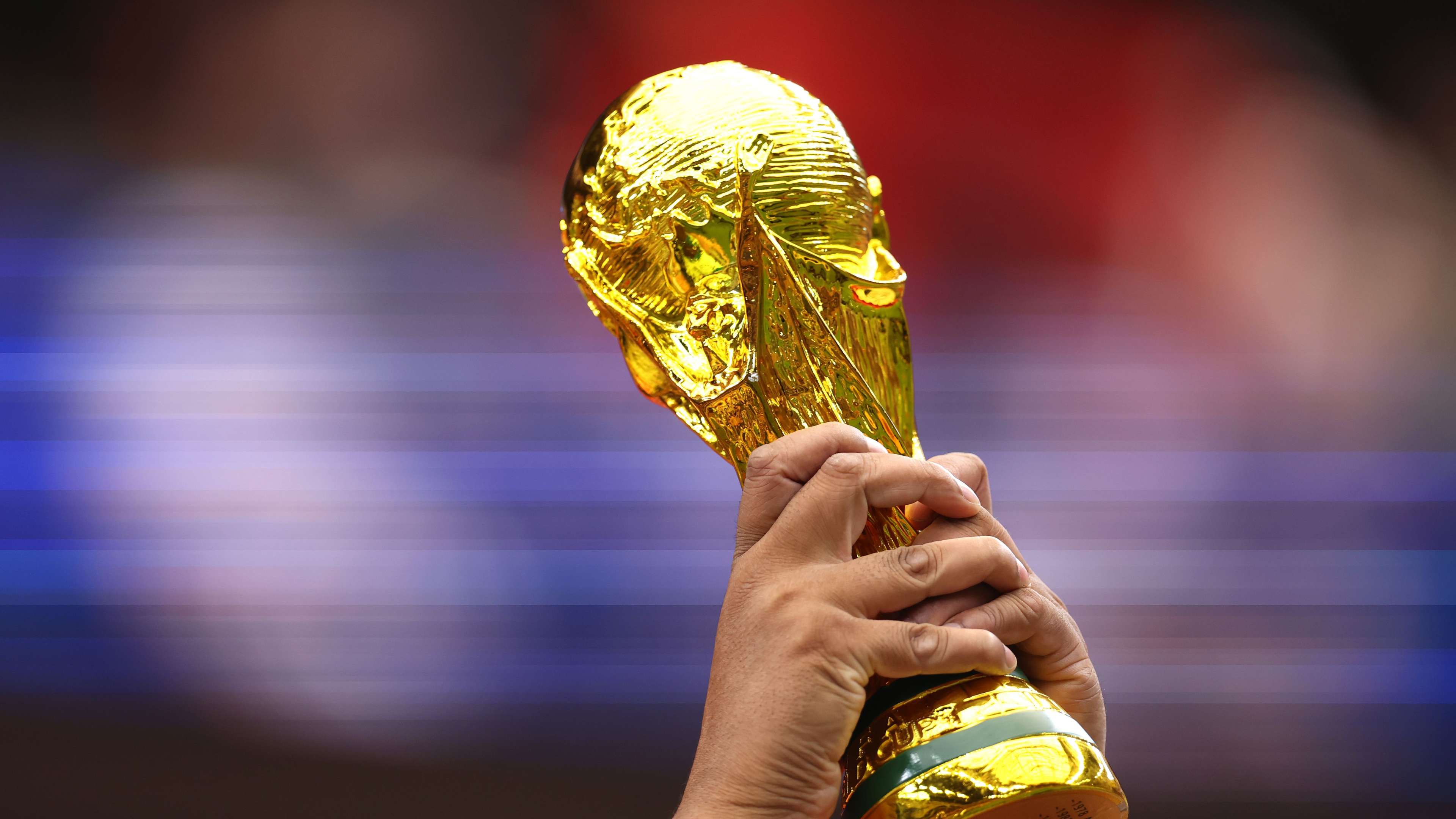
FIFA has announced a groundbreaking addition to World Cup 2026 celebrations: luxury championship rings modeled after American sports traditions. For the first time in football history, the tournament winners will receive bespoke gem-encrusted rings alongside traditional gold medals. While 30 rings are reserved for the victorious squad, FIFA plans to sell 1,996 rings to the public at a premium price point.
The £112,000 Price Tag
The retail cost of each championship ring has been confirmed at £112,000, placing these mementos firmly in the luxury goods category. Each ring will be individually fitted and crafted to reflect the winning team's identity, with one side featuring the iconic World Cup trophy and the other reserved for personalized championship details. The design philosophy emphasizes exclusivity and prestige, echoing the championship rings awarded across the NFL, NBA, and MLB.
FIFA's decision to produce only 1,996 rings for public consumption underscores the scarcity strategy behind this initiative. The governing body framed the move as historic: "In a momentous first for a FIFA competition, the tournament winners will also receive bespoke championship rings, bringing one of the most recognisable American sporting traditions to the global game."
American Influence on World Cup Traditions
The championship rings represent part of a broader shift in how FIFA is reshaping the World Cup experience for the 2026 tournament in New Jersey. The final match will also feature a 30-minute half-time show, another distinctly American entertainment element that signals the competition's growing integration with North American sporting conventions.
The announcement has sparked considerable debate among the global football community. Supporters argue that championship rings elevate the prestige of World Cup victory, creating lasting physical symbols comparable to elite American sports culture. Critics, however, view the initiative as another commercialization effort by FIFA, questioning whether such expensive merchandise aligns with football's traditional values. The combination of luxury rings, extended entertainment productions, and merchandise sales has prompted traditionalists to voice concerns about preserving the World Cup's core identity amid increasing commercial pressures.
As the 2026 World Cup approaches, FIFA's willingness to adopt American sporting conventions signals a strategic pivot toward the North American market while testing fan willingness to invest significantly in official tournament memorabilia.