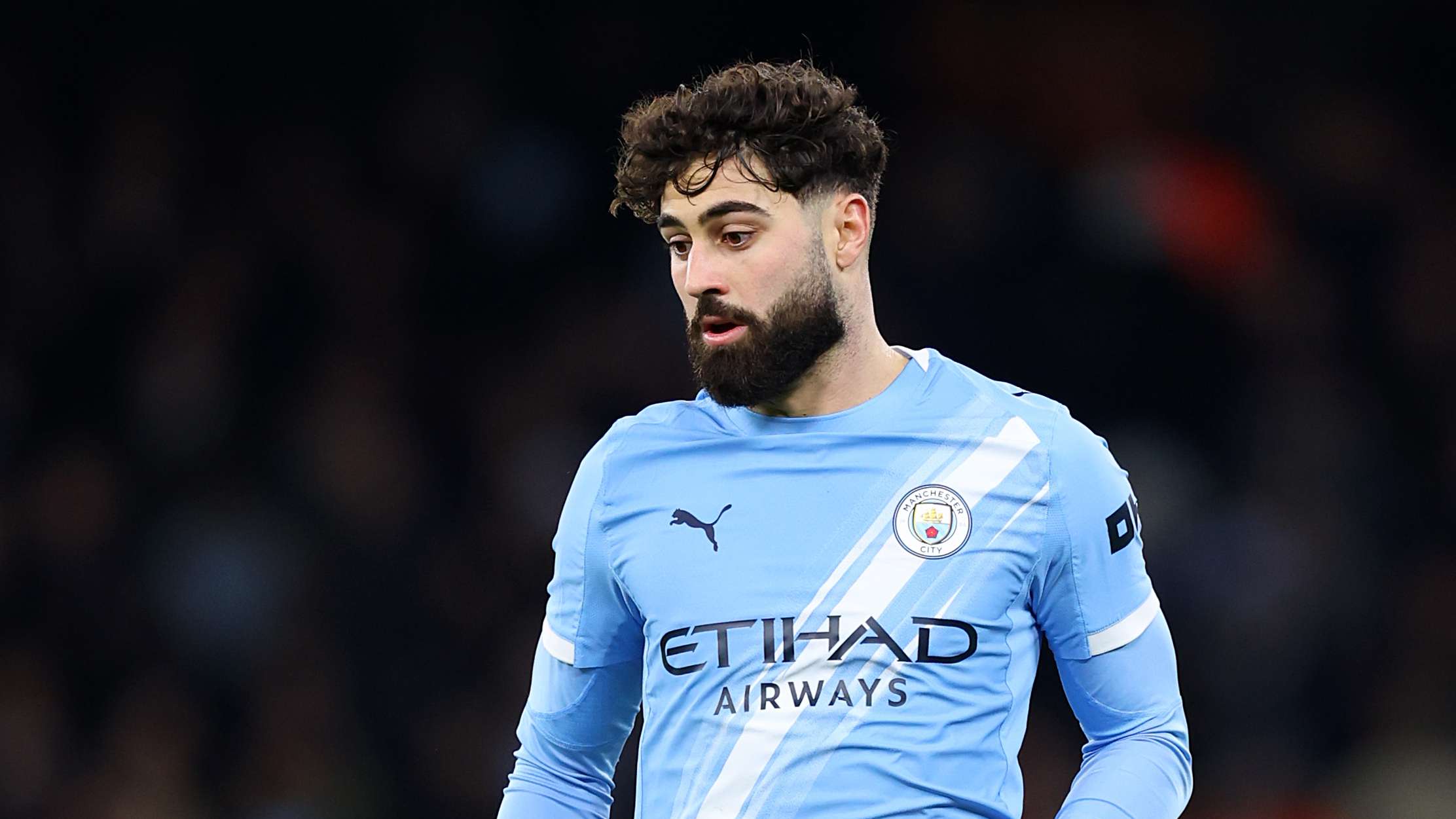
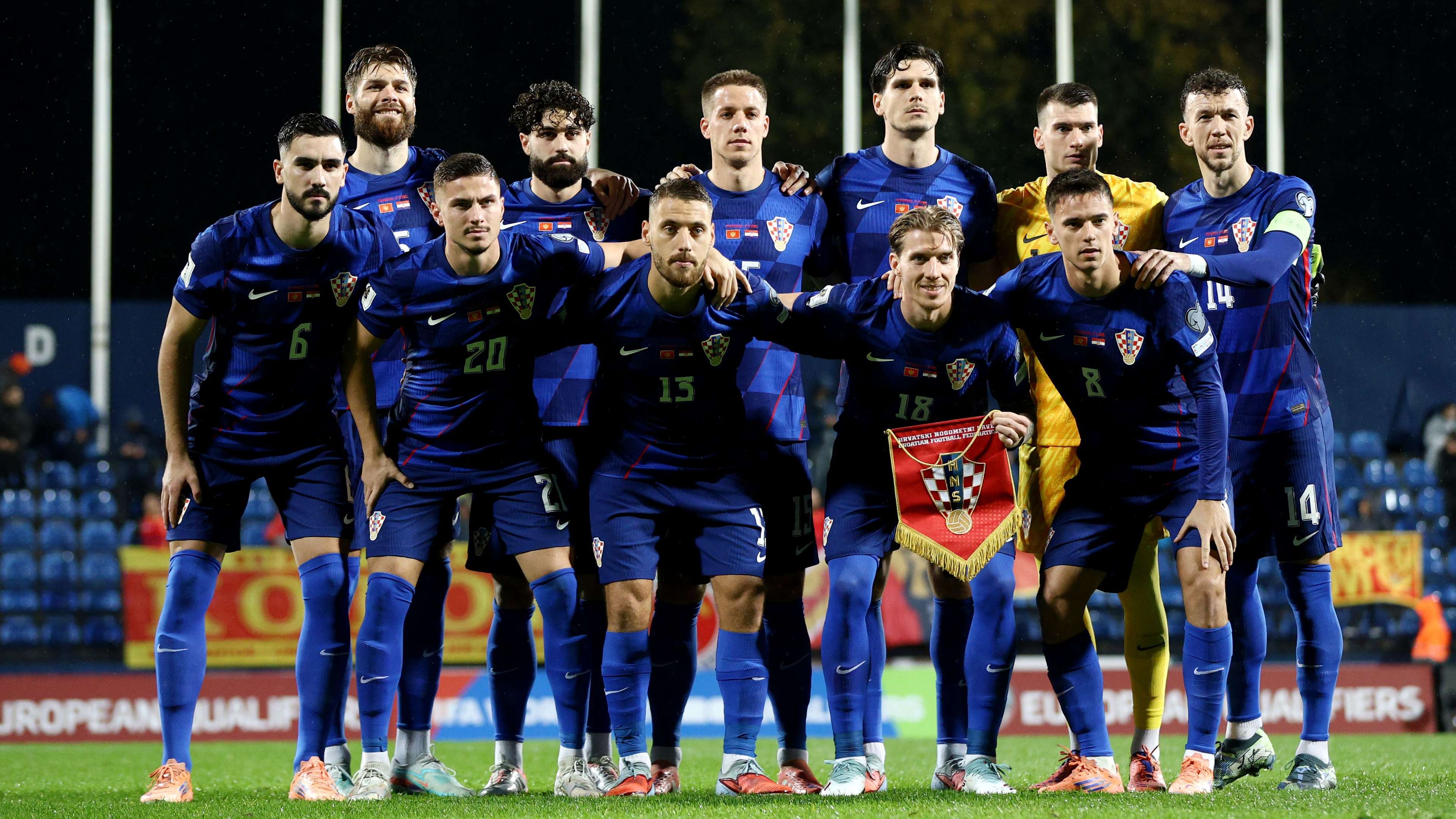
Croatia has secured its place at the 2026 FIFA World Cup in the United States, Canada, and Mexico following an impressive qualifying campaign where they won seven of eight matches. Manager Zlatko Dalic's side will face England, Ghana, and Panama in Group L, eyeing another deep tournament run after reaching the semi-finals in both 2018 and 2022.
Goalkeeper and Defence: Experience Meets Emerging Talent
Dominik Livakovic will anchor the Croatian goal. The Dinamo Zagreb stopper proved his mettle in Qatar, delivering crucial penalty saves against Japan and Brazil as his nation advanced to the final four. Behind him sit Dominik Kotarski, Ivor Pandur, and Ivica Ivusic—a backup trio with minimal international experience.
The back line combines seasoned European campaigners with promising youngsters. Josko Gvardiol, emerging as a defensive cornerstone, is expected to operate at full-back, while Duje Caleta-Car and Josip Stanisic provide central stability. Crystal Palace's Borna Sosa and Tottenham's Luka Vuskovic, currently on loan at Hamburg, add depth to a defensive unit battle-tested across Europe's top competitions.
Midfield Heartbeat: Modric's Final Act
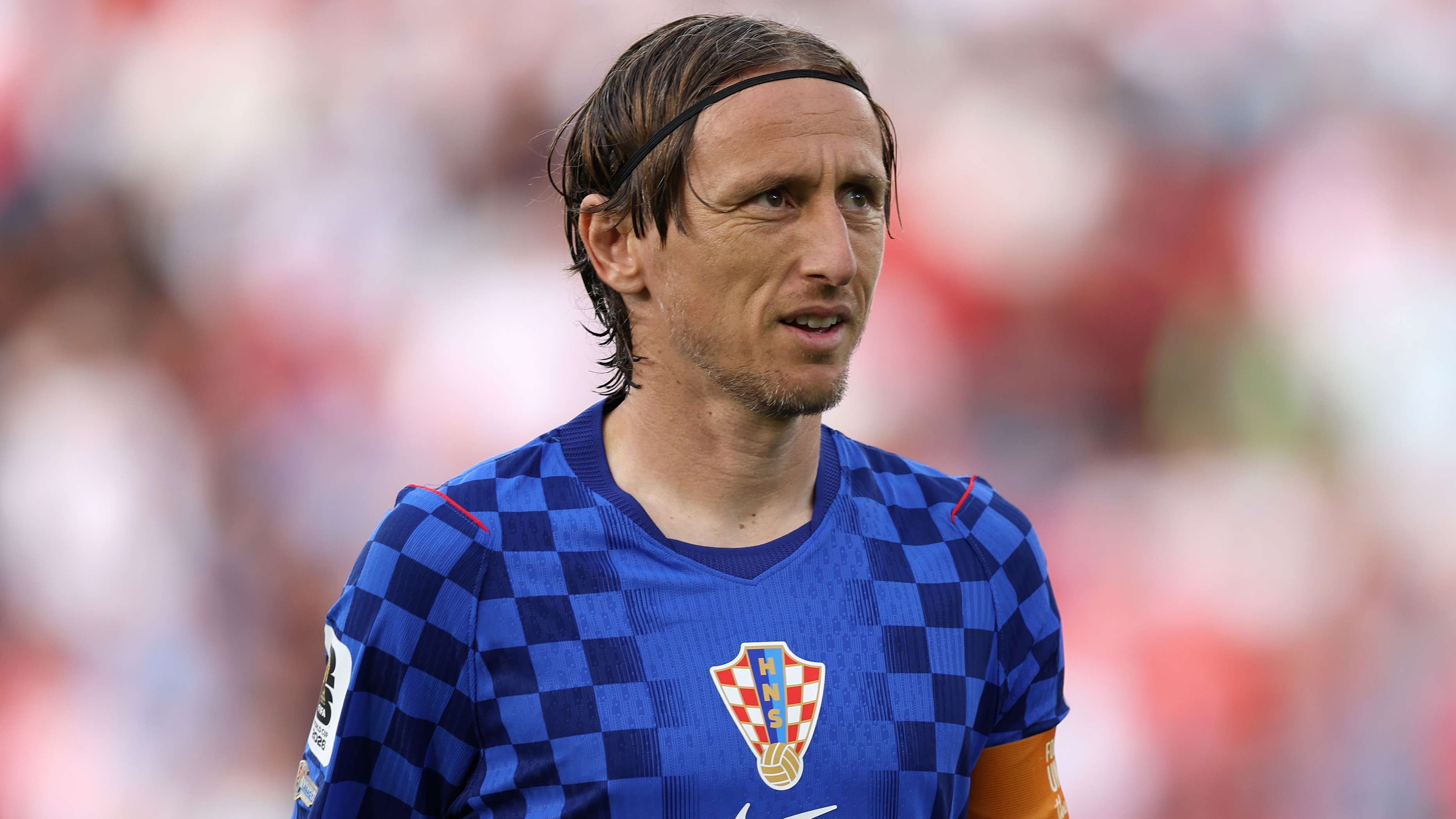
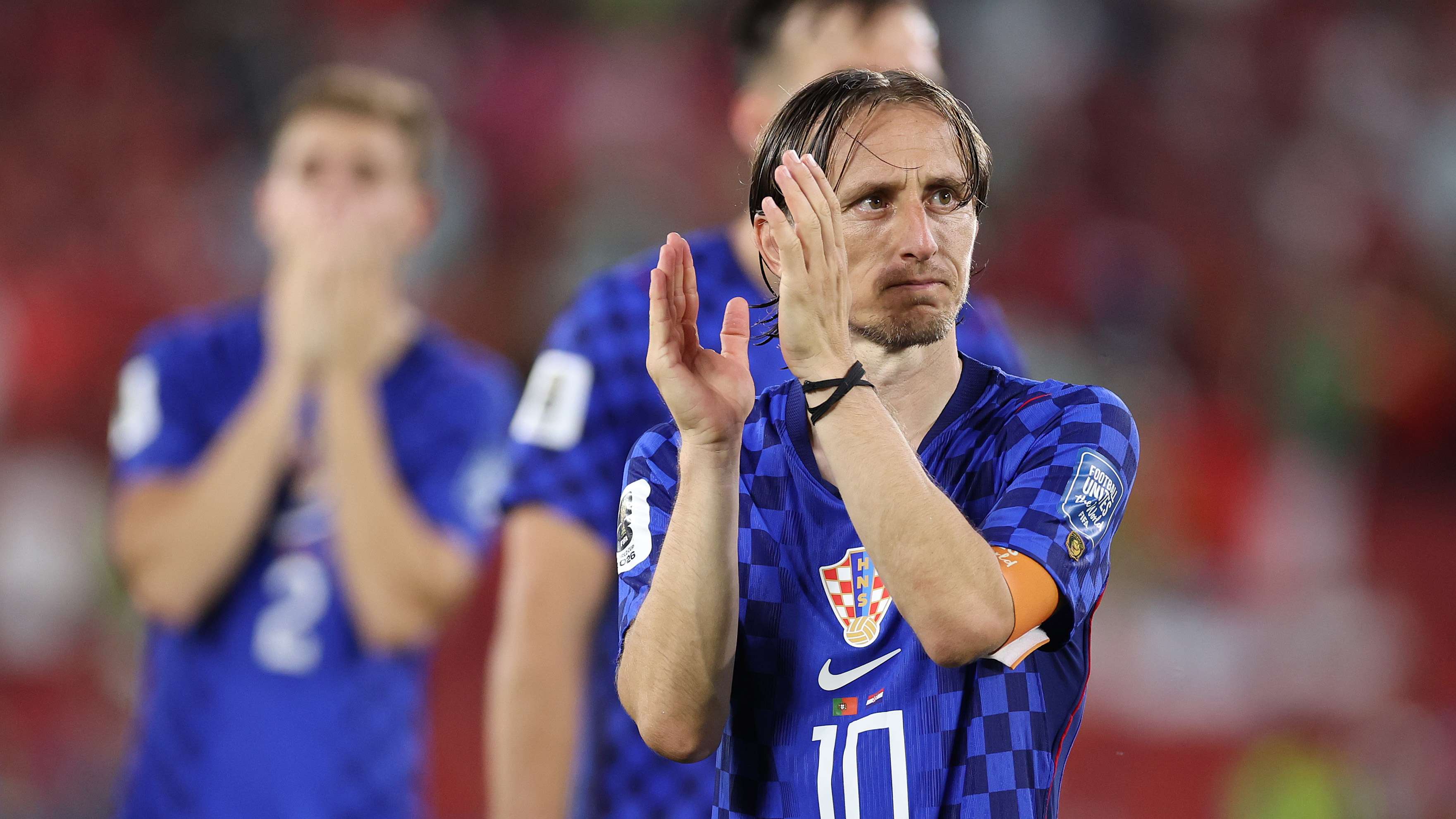
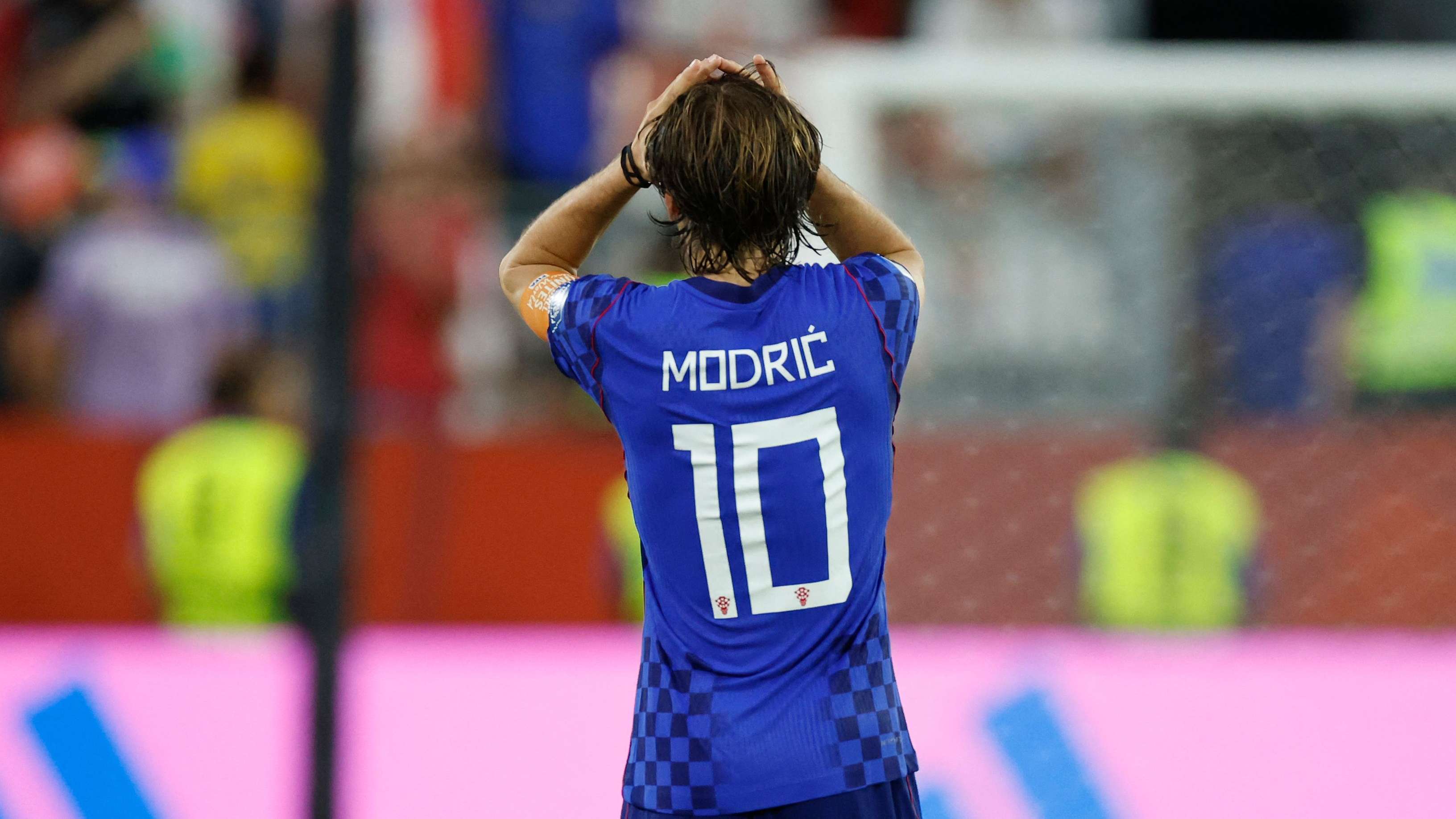
Croatia's traditional strength lies in midfield orchestration. The departure of Marcelo Brozovic and Ivan Rakitic leaves space, but Luka Modric—now 40 years old—continues performing at elite level despite his advancing age. His partnership with Mateo Kovacic will prove crucial, though Kovacic's recent injury struggles at Manchester City raise durability questions.
Supporting this midfield axis are Andrej Kramaric, boasting over 100 international caps, and Mario Pasalic, who has impressed with Serie A side Atalanta. The midfield collectively possesses the technical intelligence to control tournament tempo, a hallmark of Croatian football.
Attacking Weakness: The Unfilled Striker Void
The forward line represents Croatia's primary vulnerability heading to North America. Manager Dalic has rotated strikers throughout qualifying without a clear favourite emerging. Ivan Perisic remains reliable and dangerous in World Cup settings, but Ante Budimir, Petar Musa, Igor Matanovic, and Franjo Ivanovic offer inconsistent goal-scoring returns. Mislav Orsic, at 33, provides experience but limited prolific output.
- Livakovic's penalty heroics in 2022 established tournament credentials
- Modric competing for his first World Cup title at 40
- Gvardiol set-piece threat from full-back position
- Striker rotation remains unresolved heading into summer
Croatia's path to another semi-final run depends on their established stars delivering when it matters most. Modric's experience, Kovacic's midfield control, and Livakovic's proven composure under pressure provide a foundation, yet the absence of a clinical finisher could hamper their knockout aspirations against elite defences in Group L and beyond.