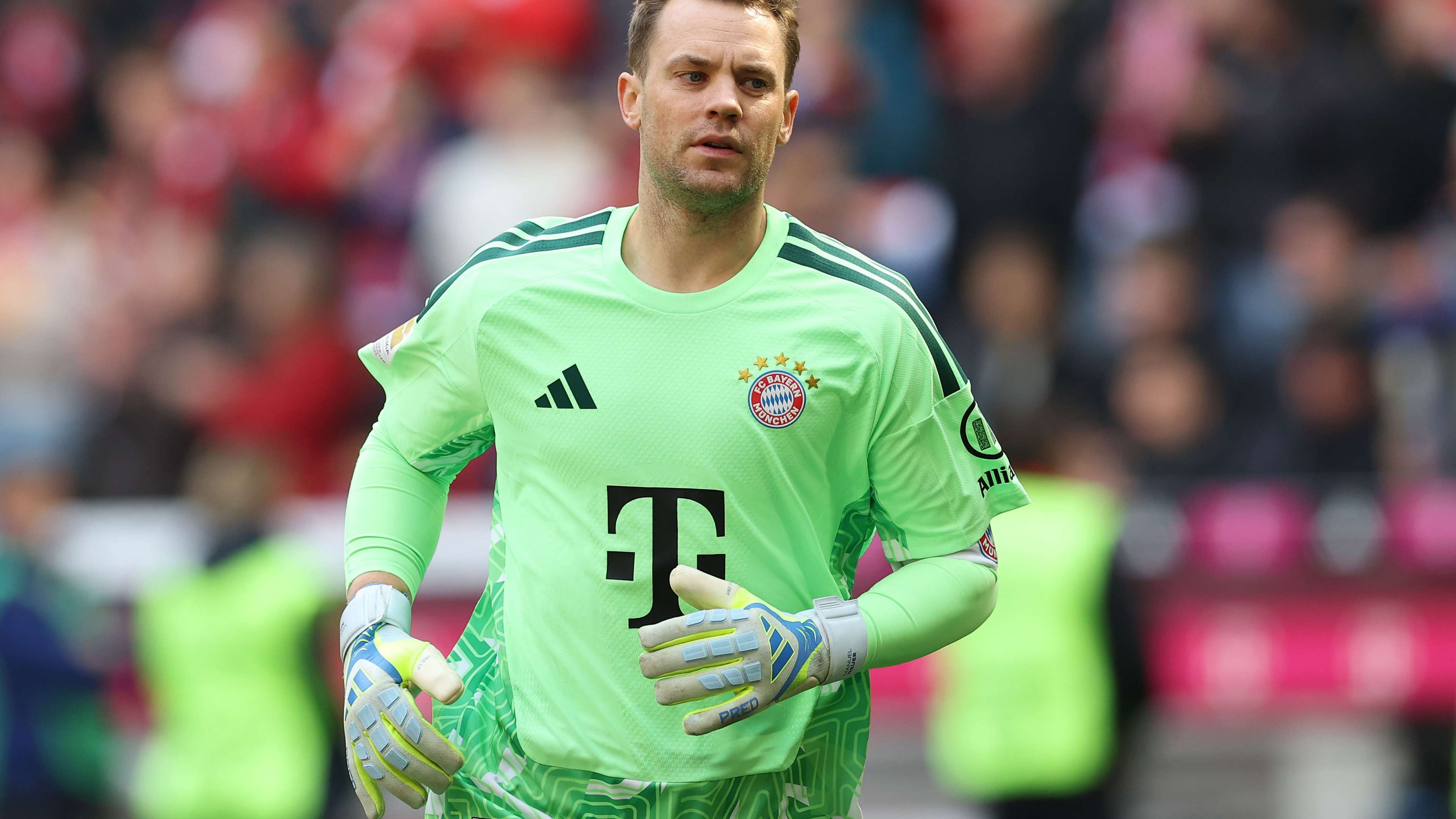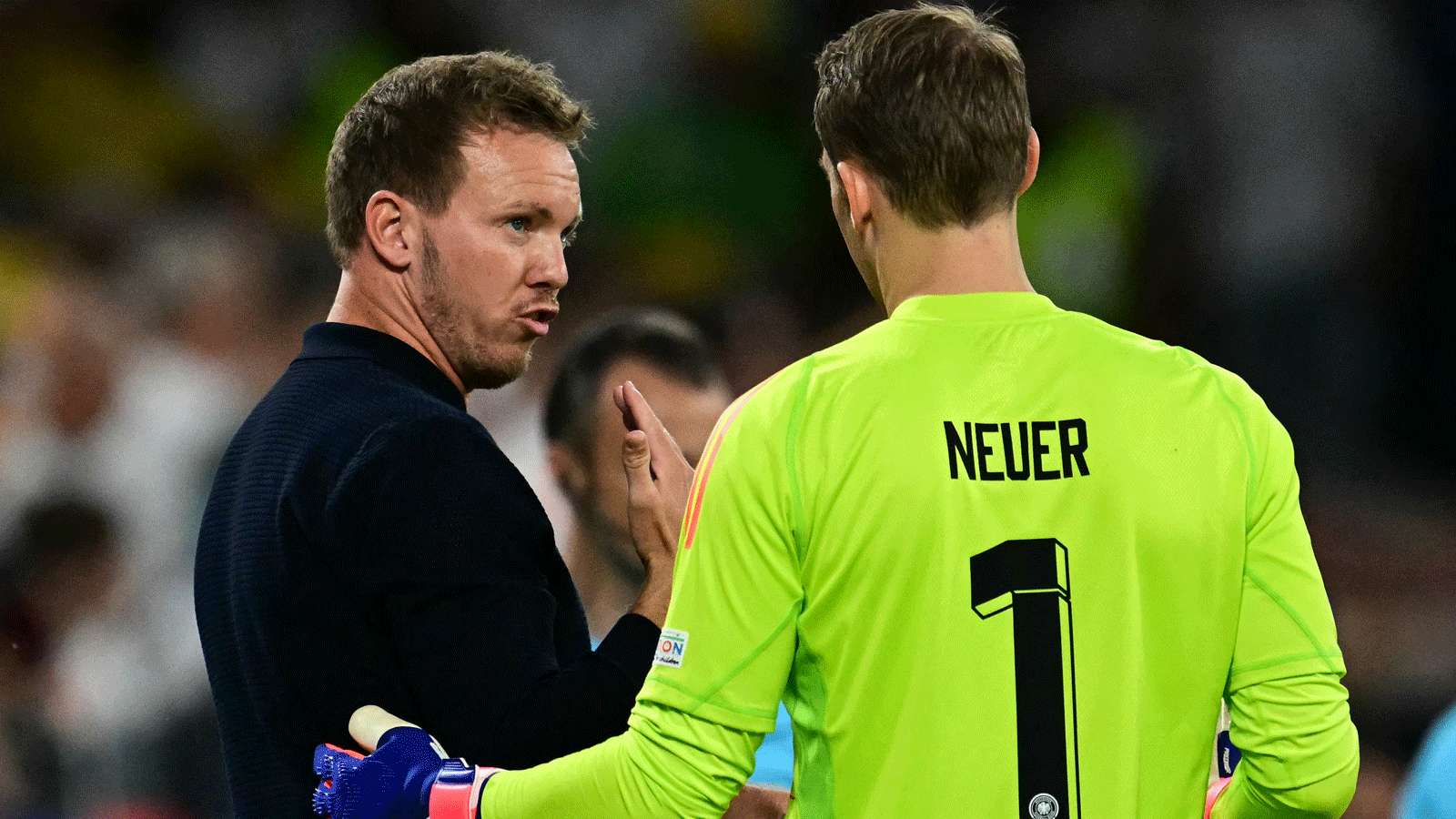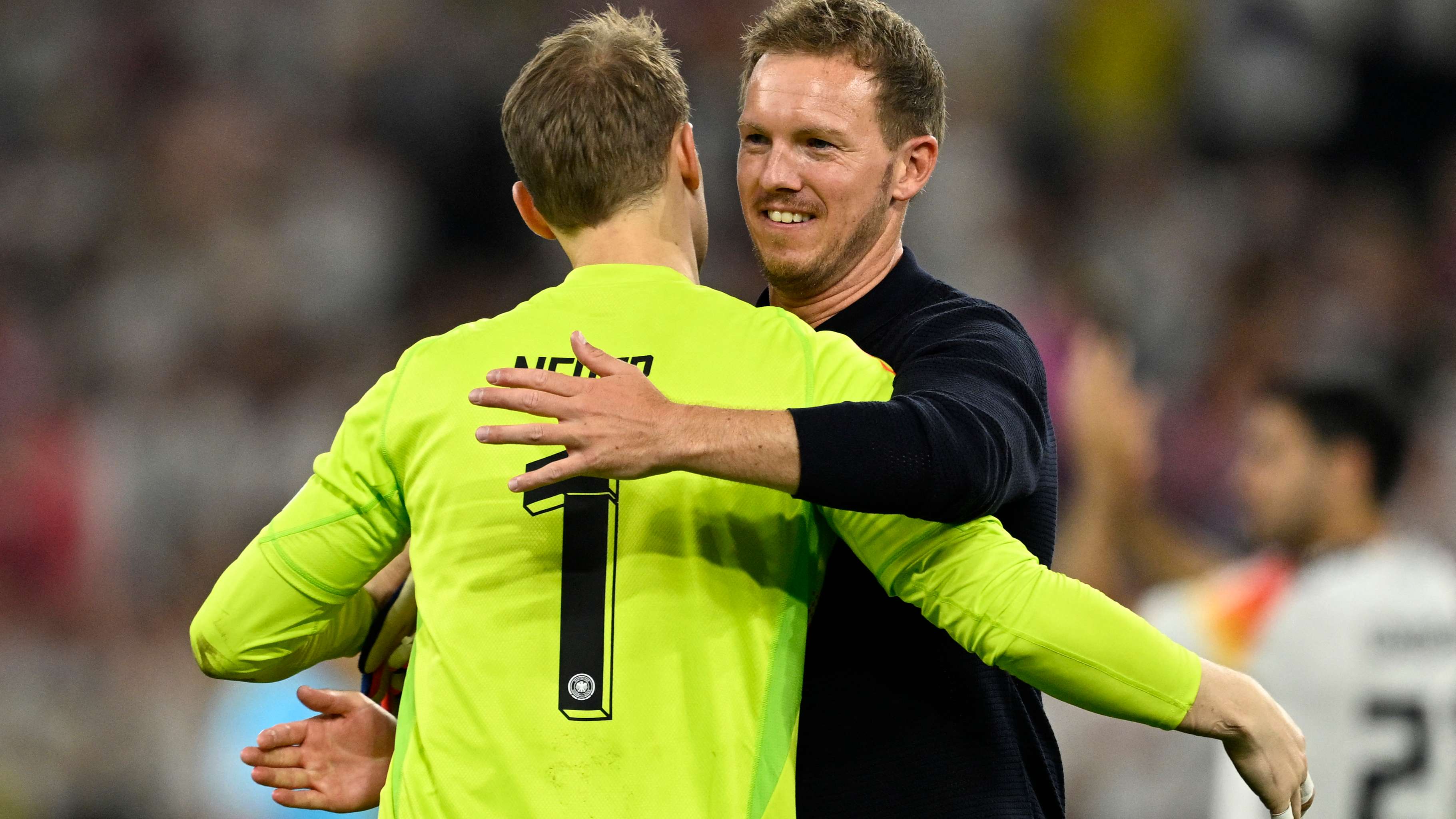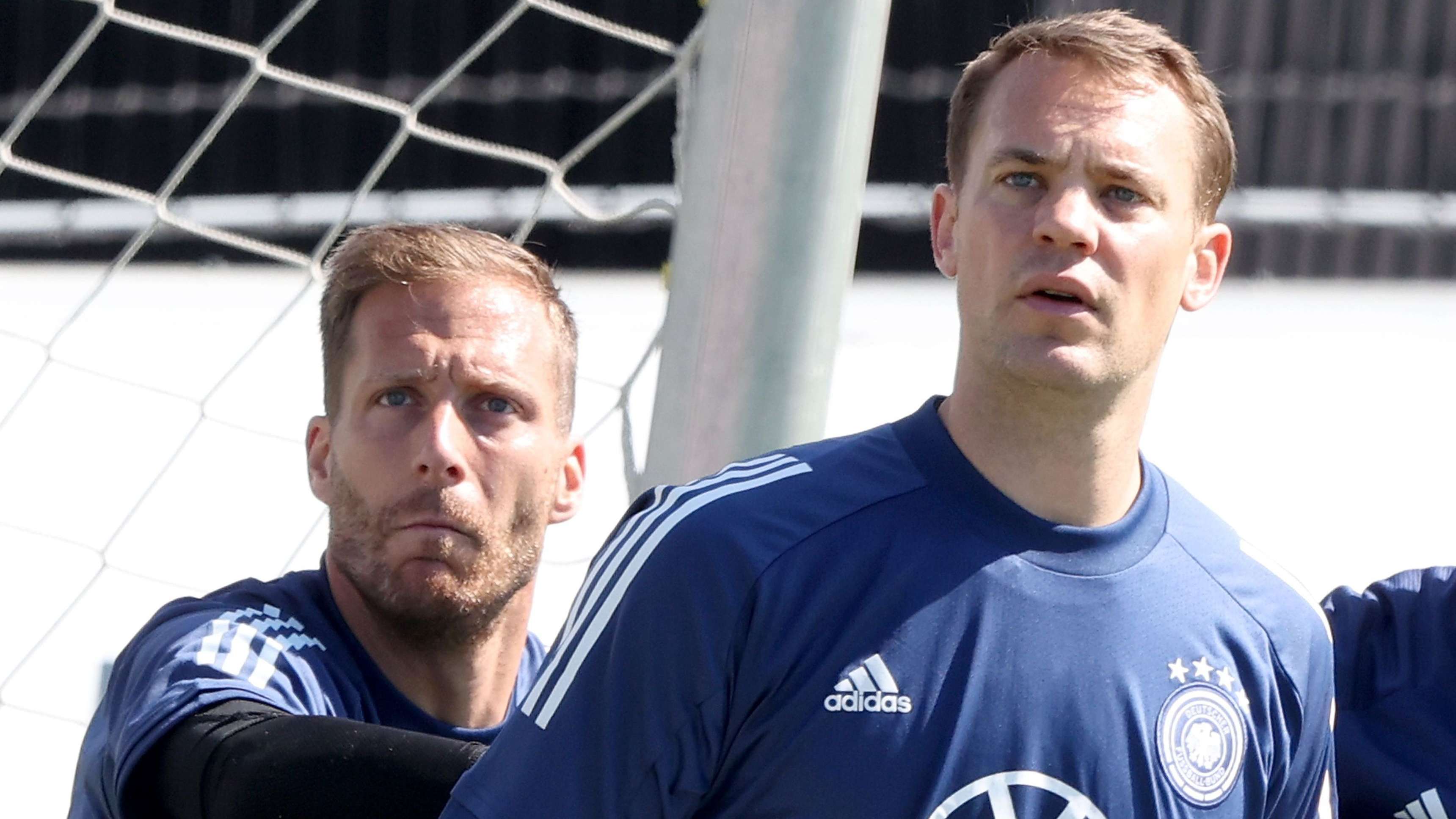
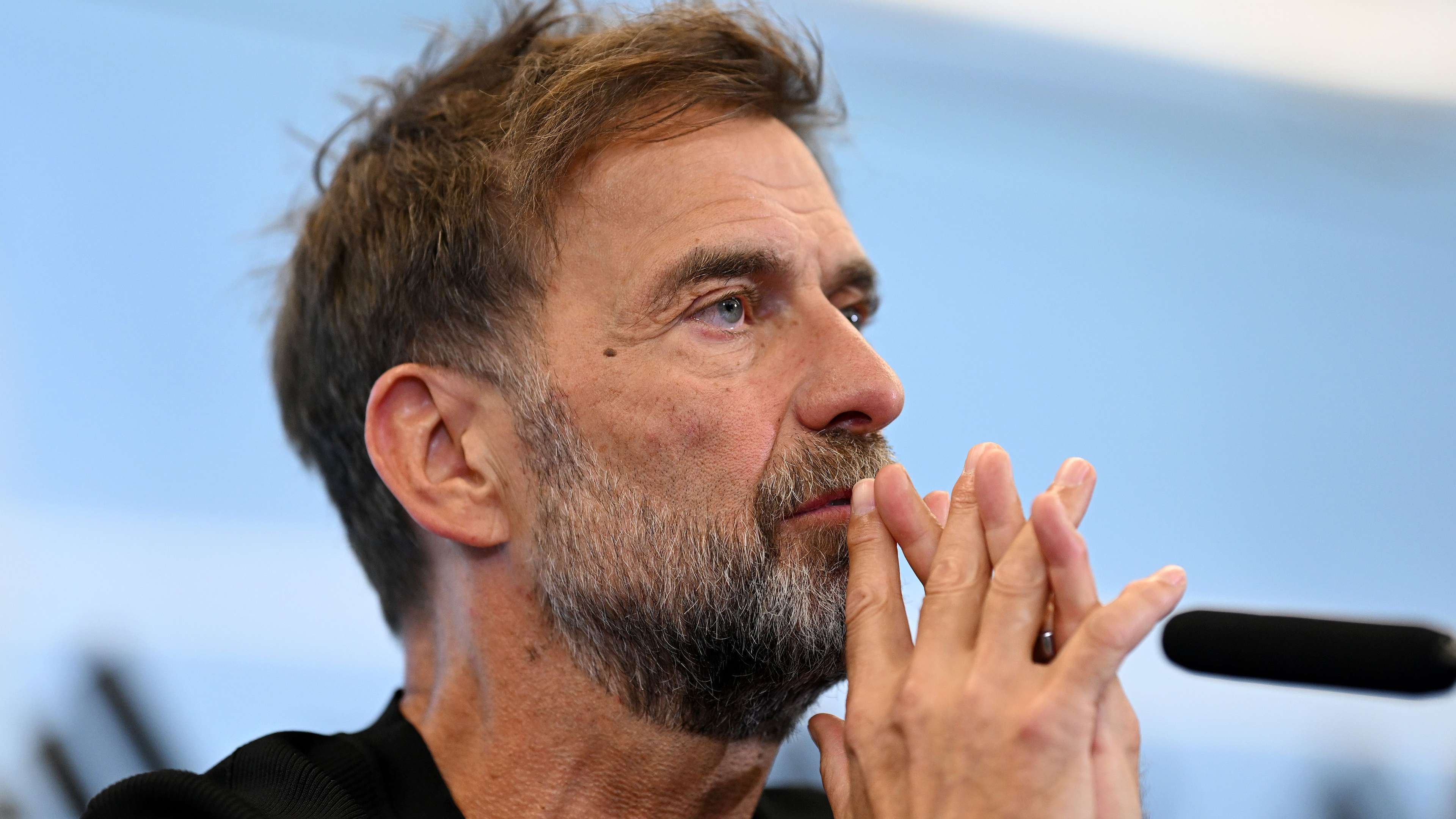
Jürgen Klopp has inherited one of German football's most wide-open goalkeeper competitions since taking charge of the national team. With Manuel Neuer retired for a second time following Germany's disappointing 2026 World Cup exit, the 59-year-old coach must navigate a crowded field of candidates ahead of crucial Nations League fixtures against the Netherlands, Greece, and Serbia.
At his introductory press conference, Klopp revealed a shortlist of 57 players for his opening matches, deliberately keeping individual names private. The depth of that roster suggests the new Germany boss is willing to think creatively about the goalkeeping role—a position that has lacked a clear hierarchy since Neuer's dramatic return to international football for the World Cup campaign in North America.
Established Options vs. Fresh Faces
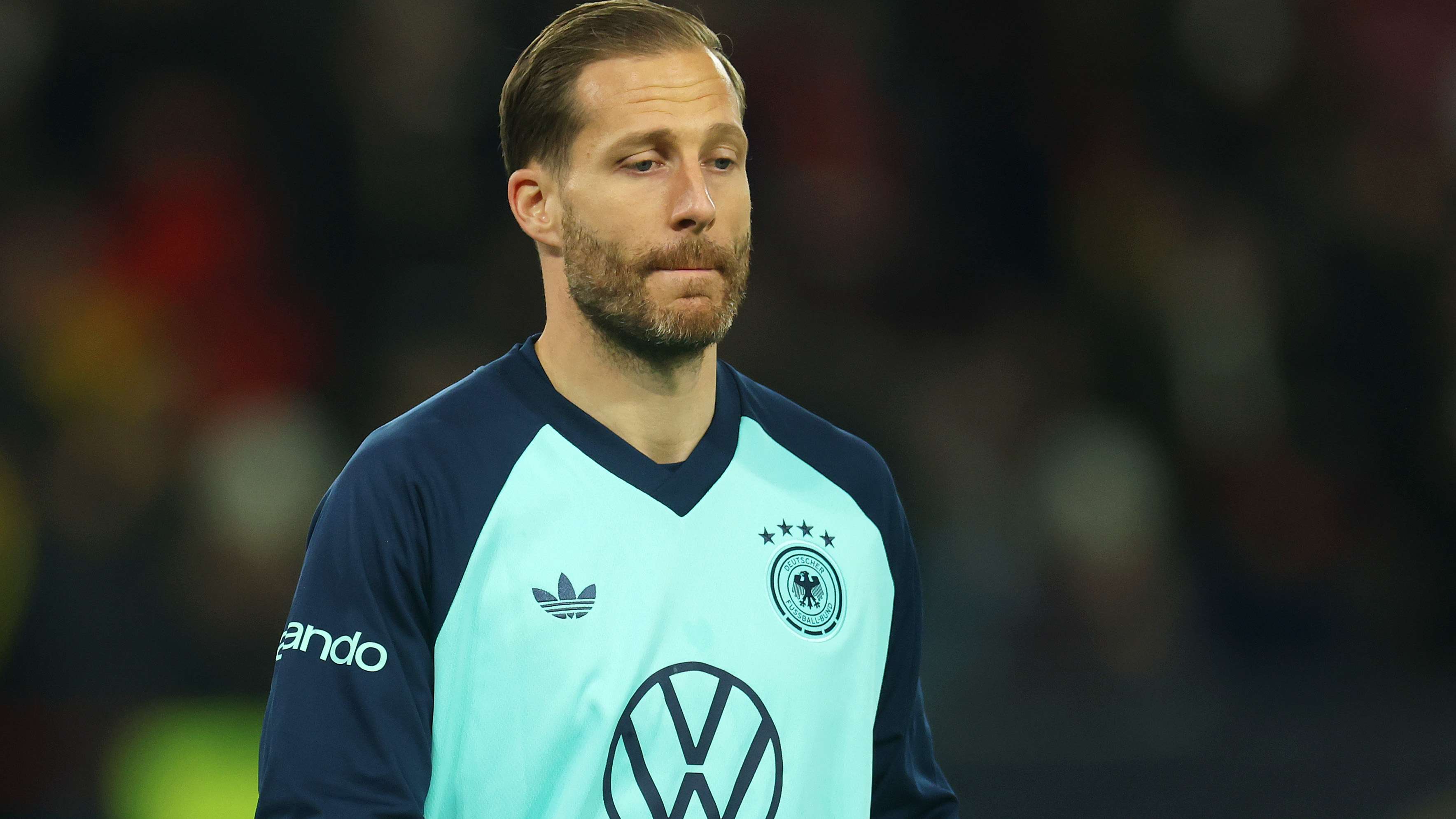
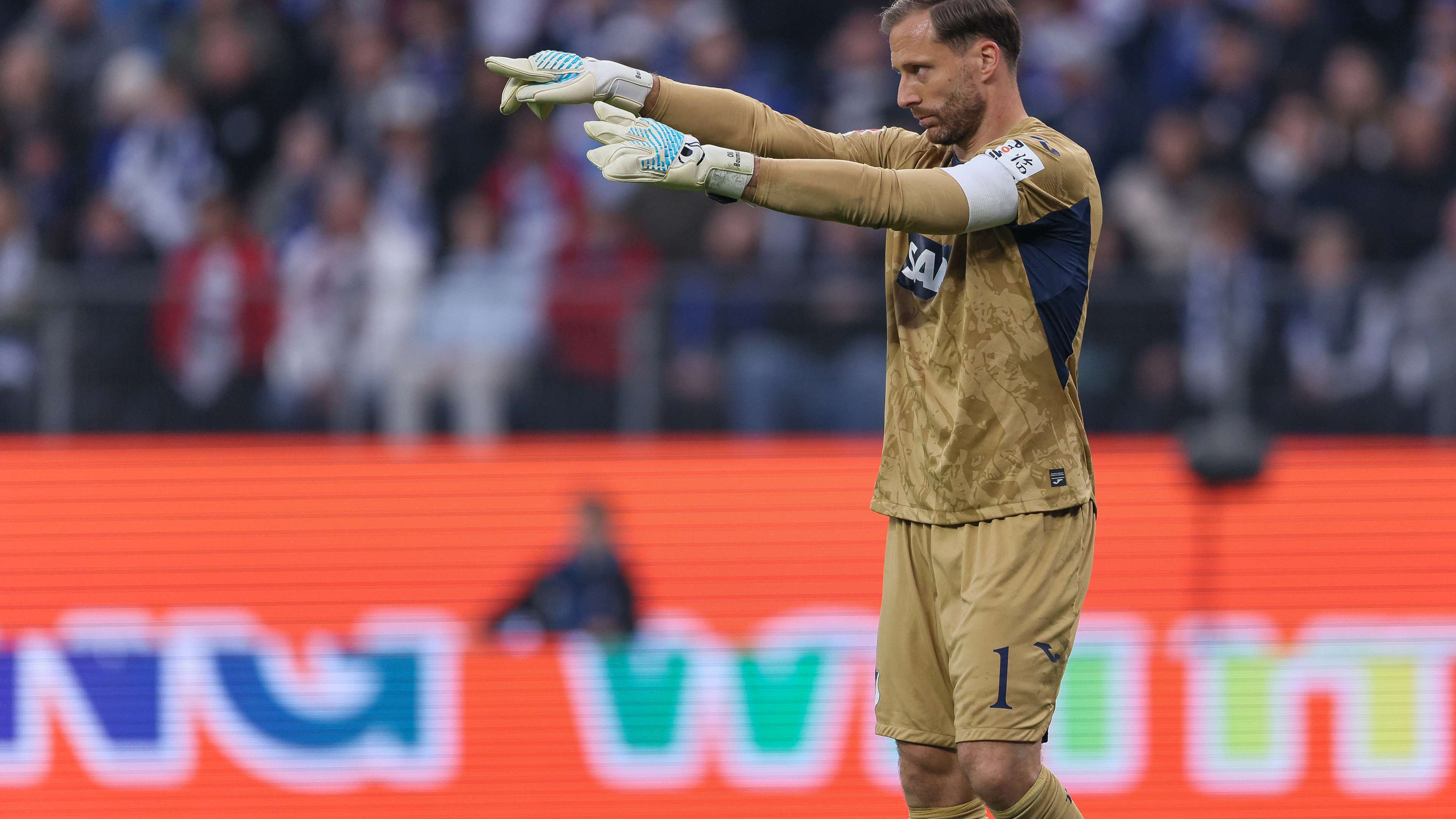
Klopp has several experienced alternatives readily available. Oliver Baumann of Hoffenheim was originally earmarked as first choice before Neuer's comeback. Alexander Nübel at Besiktas and Marc-André ter Stegen, currently on loan at Ajax from Barcelona, represent reliable, battle-tested performers. Yet the arrival of new leadership in the Germany dugout may embolden Klopp to pursue a generational reset.
The younger contingent offers intriguing possibilities. Jonas Urbig served as training goalkeeper at the World Cup and carries the designation of Neuer's intended successor at Bayern Munich. Frankfurt's Noah Atubolu narrowly missed previous call-ups. Stuttgart's Dennis Seimen and Freiburg's Mio Backhaus represent the next tier of emerging talent, though Seimen is currently sidelined by injury.
The Dark Horse: Diant Ramaj's Rising Stock
Perhaps most intriguingly, Klopp could hand debuts to players operating on the fringes of the national setup. Diant Ramaj, the 24-year-old on loan at FC Copenhagen from Borussia Dortmund, has built a compelling case through consistent performances. The Stuttgart-born goalkeeper joined Dortmund from Ajax in 2025 for five million euros and has completed loan stints at both Copenhagen and Heidenheim, where he displaced long-serving first-choice Kevin Müller.
Back in Copenhagen this season, Ramaj has demonstrated why he deserves consideration. After missing the club's opening two competitive matches, he entered the lineup and has appeared in four games—Copenhagen won all four, conceded only two goals including a penalty, and kept two clean sheets. The Danish side qualified for the Conference League and currently sits atop the league table. Former Mainz coach Bo Svensson, now Copenhagen's manager, praised Ramaj's "calmness on the ball" and ability to contribute in build-up play—qualities increasingly valued in modern goalkeeper recruitment.
The Nations League matches offer Klopp an ideal laboratory to test his options. Whether he opts for the security of experience, the promise of youth, or the calculated risk of an unconventional choice, German football's goalkeeping landscape has never seemed more fluid under his watch.