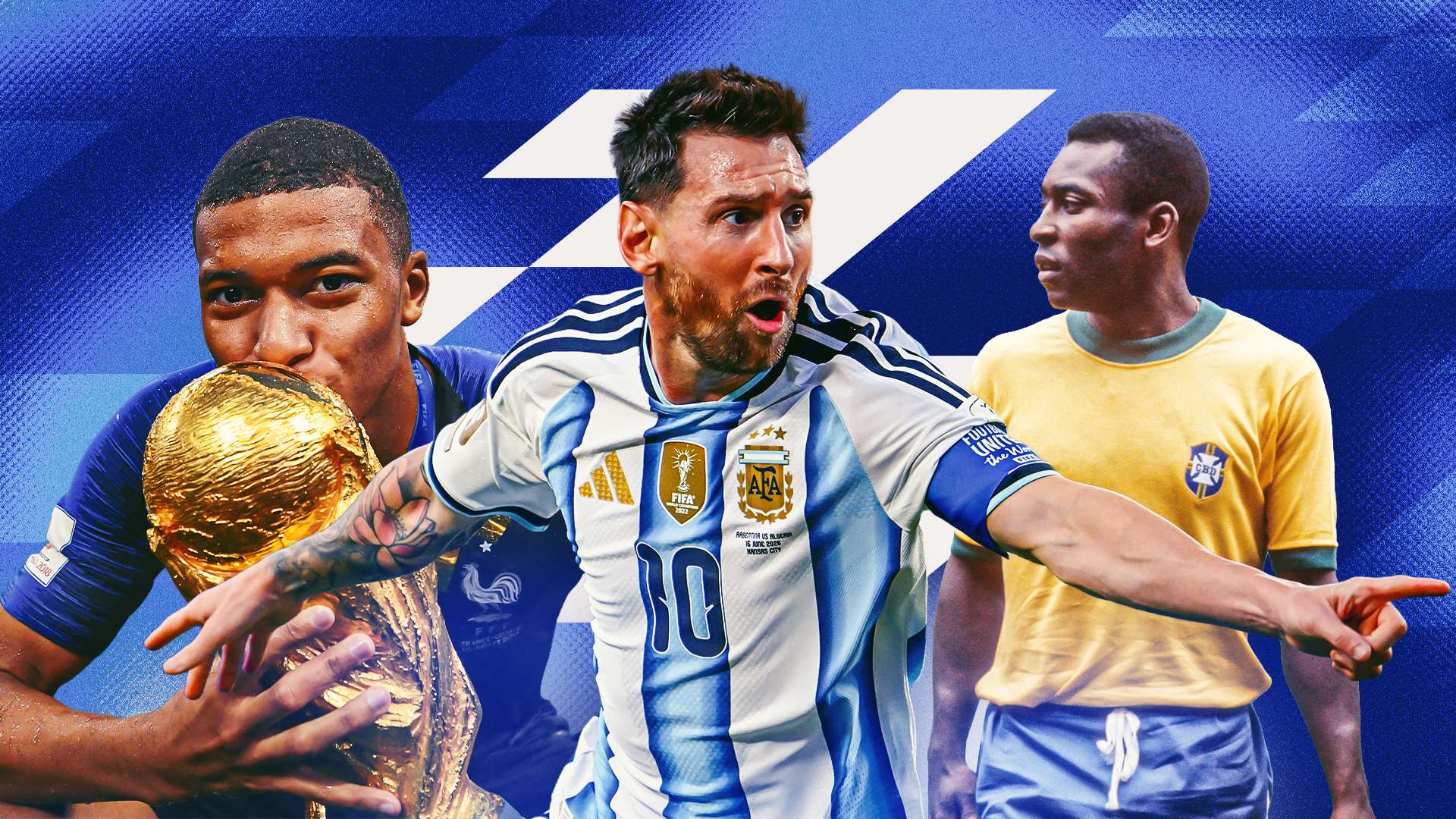
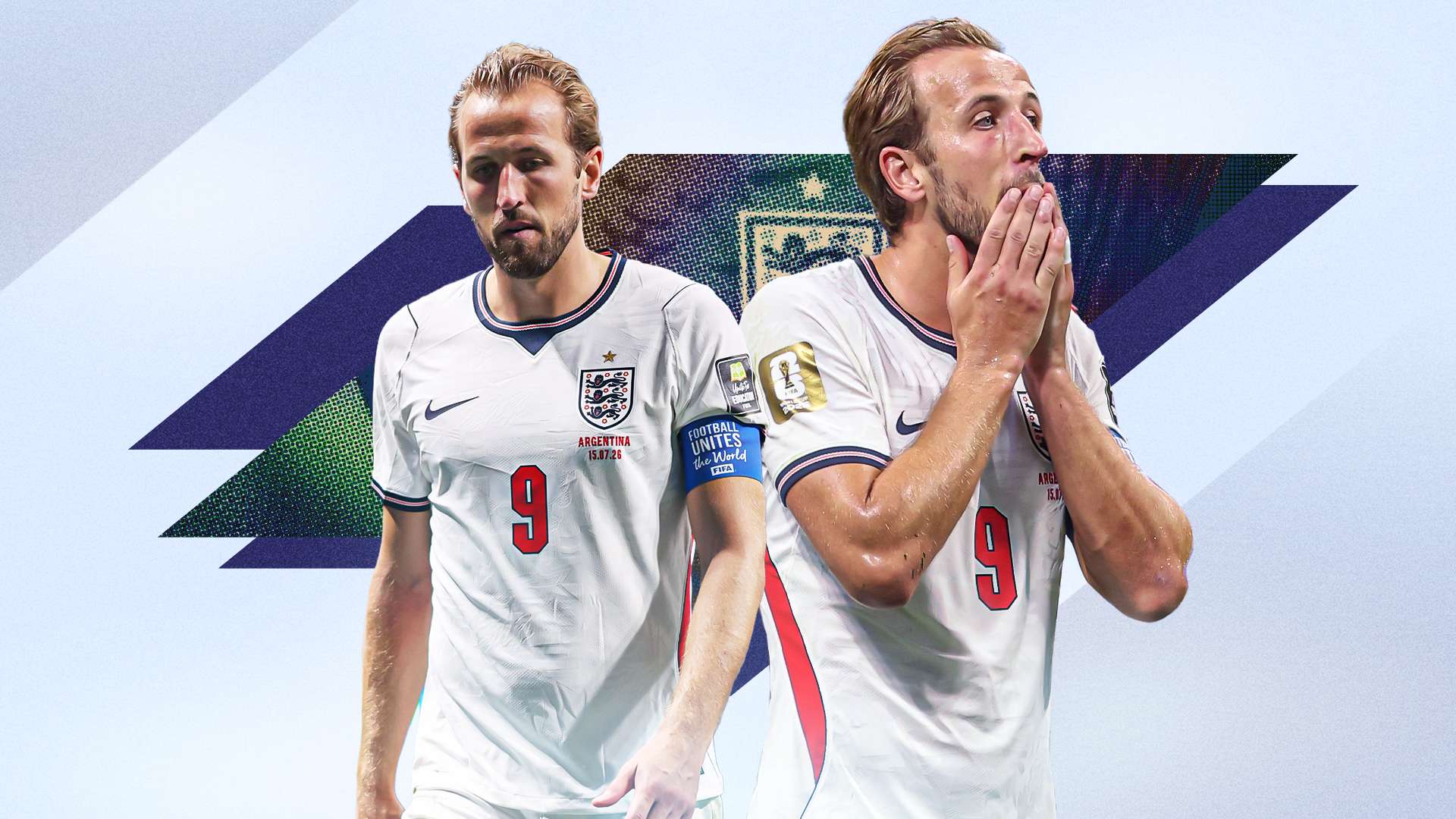
Harry Kane sits at the forefront of the Ballon d'Or race as the shortlist announcement approaches, backed by bookmakers following a prolific season that has reinforced his reputation as one of football's most lethal strikers. Yet 73 goals may not be enough to overcome the award's most stubborn historical pattern: the decisive influence of major tournament success on voting outcomes.
The World Cup's Grip on Ballon d'Or History
Since France Football launched the Ballon d'Or in 1956, a clear pattern has dominated the award's landscape. International tournament performance, particularly at the World Cup, has repeatedly trumped individual goal-scoring records when journalists cast their votes. The data tells a compelling story: Bobby Charlton won in 1966 after England's World Cup triumph, Paolo Rossi claimed it in 1982 following Italy's title, and Zinedine Zidane captured the prize in 1998 as France's World Cup champion. The list extends through Ronaldo (2002) and Fabio Cannavaro (2006), each victorious in their respective World Cup years.
Even runners-up have benefited from tournament visibility. Johan Cruyff won the 1974 award after leading the Netherlands to the World Cup final, and Luka Modrić secured it in 2018 despite Croatia's loss in the final. France Football's retrospective review in 2016, which re-evaluated all editions before 1995, reinforced this reality. The magazine concluded that South American players from World Cup-winning squads would have captured every award between 1958 and 1994 had eligibility criteria existed from the start.
Kane's Challenge: Breaking an Unwritten Rule
The England striker has never finished higher than tenth in previous Ballon d'Or races. His prolific 2024-25 season, while exceptional by conventional measures, arrives without the tournament backdrop that typically unlocks the award. An international jury of elite specialist journalists—one representative per country in the top 100 FIFA rankings—determines the winner, and their voting has historically gravitated toward players who delivered at World Cups, Euros, or Copa América tournaments.
Kane would need to become a rare exception to decades of voting precedent. The exceptions that do exist, like Kevin Keegan in 1978, ultimately faced retrospective criticism from France Football, which later argued Mario Kempes deserved the award more for his World Cup-winning campaign. This suggests that even perceived anomalies often align with the tournament rule when examined critically.
The question facing voters is whether individual brilliance and domestic dominance can finally eclipse the gravitational pull of major tournament success—or whether Kane's record-setting goal tally will again prove secondary to players carried by international glory. His path to the Ballon d'Or depends less on the number he scores and more on a historical reckoning that has eluded him since his career began.