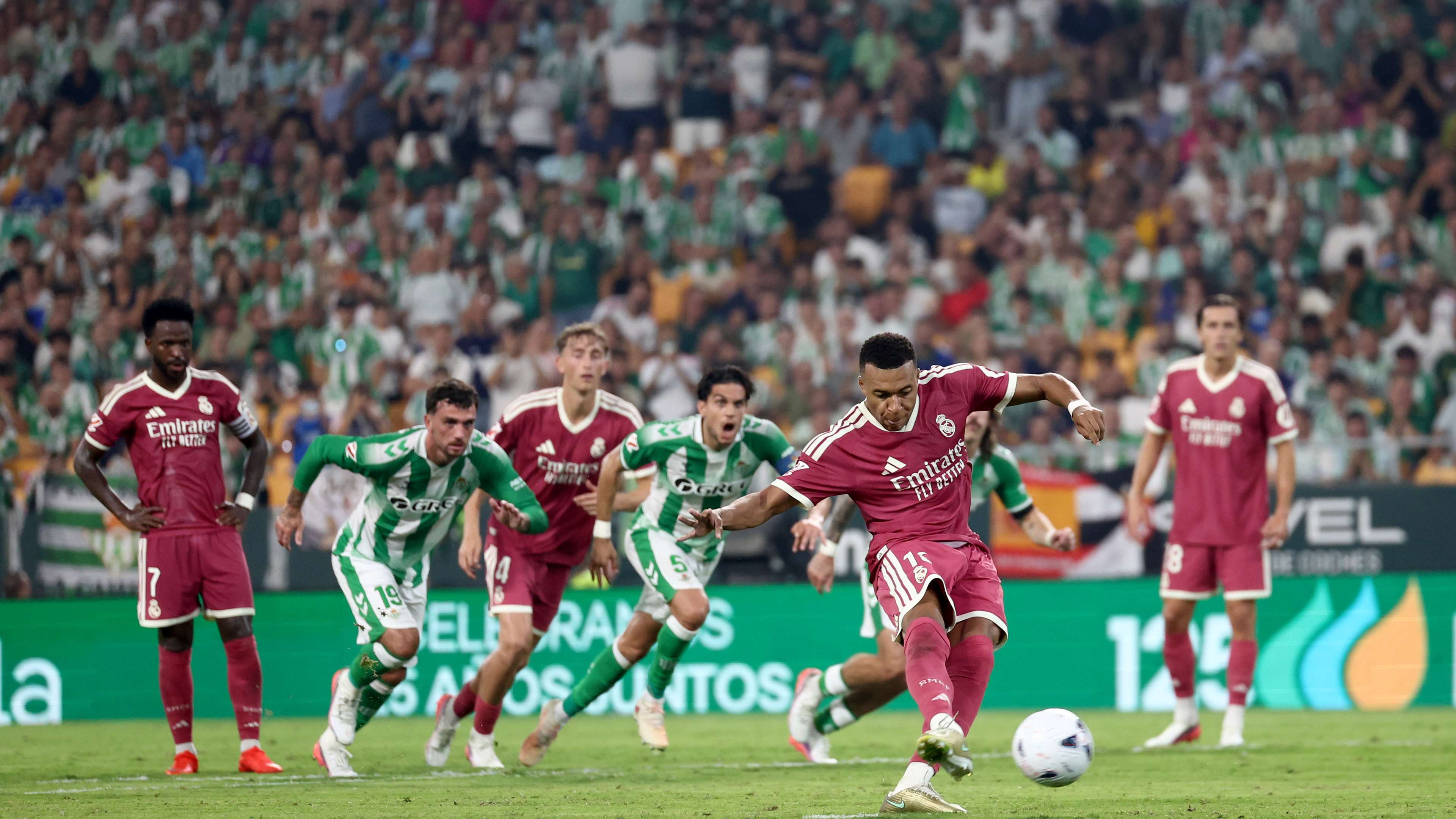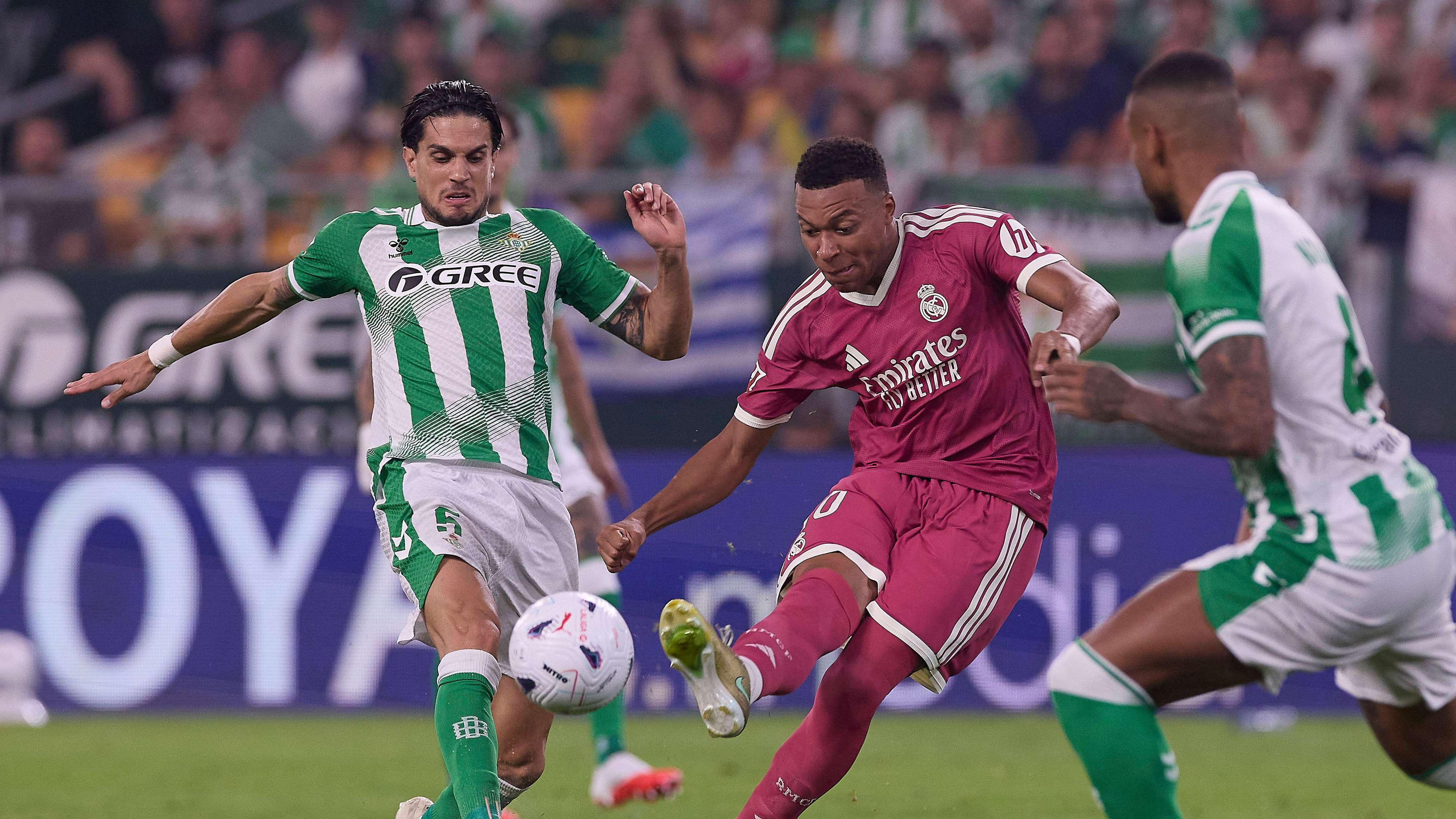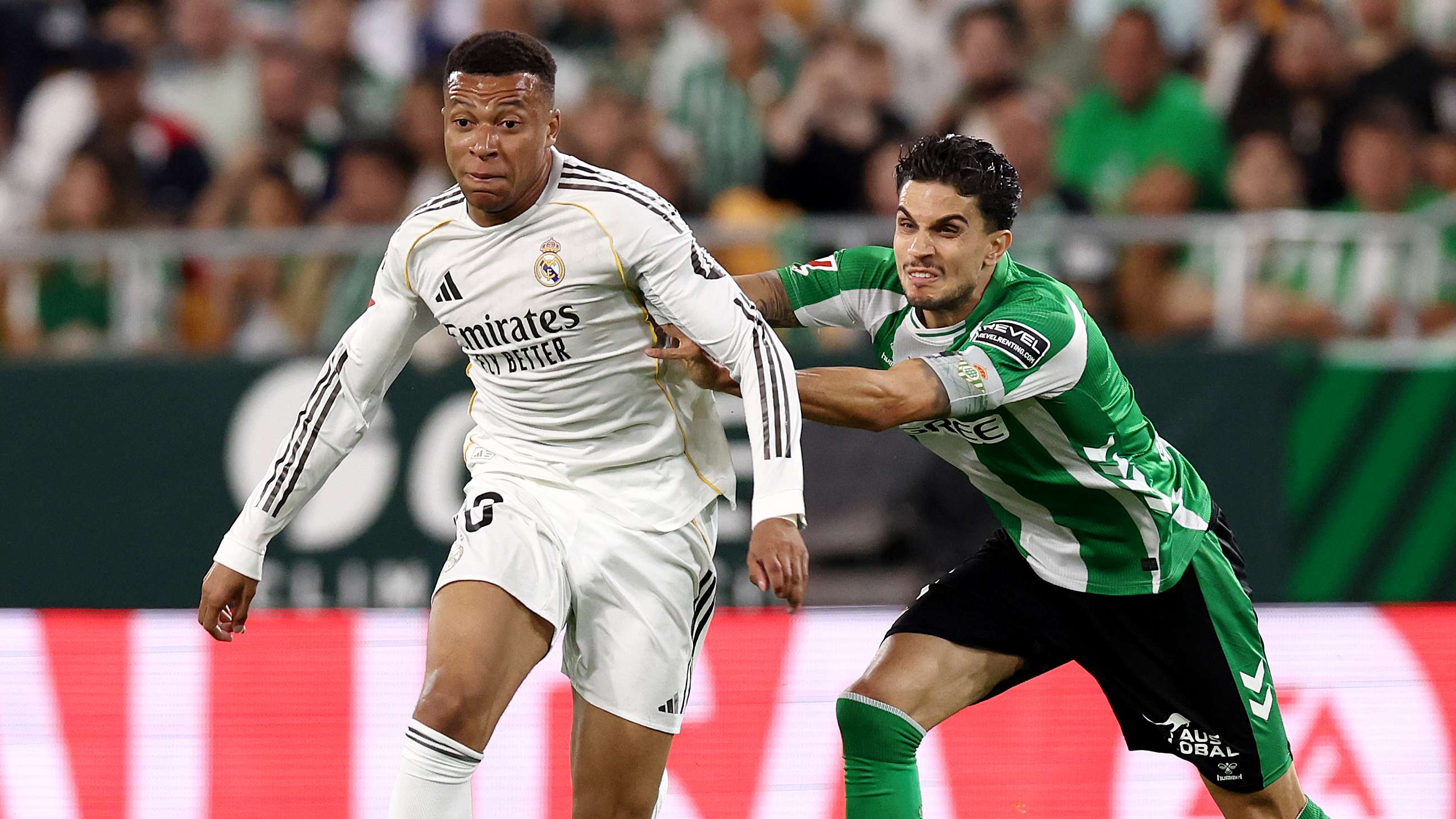
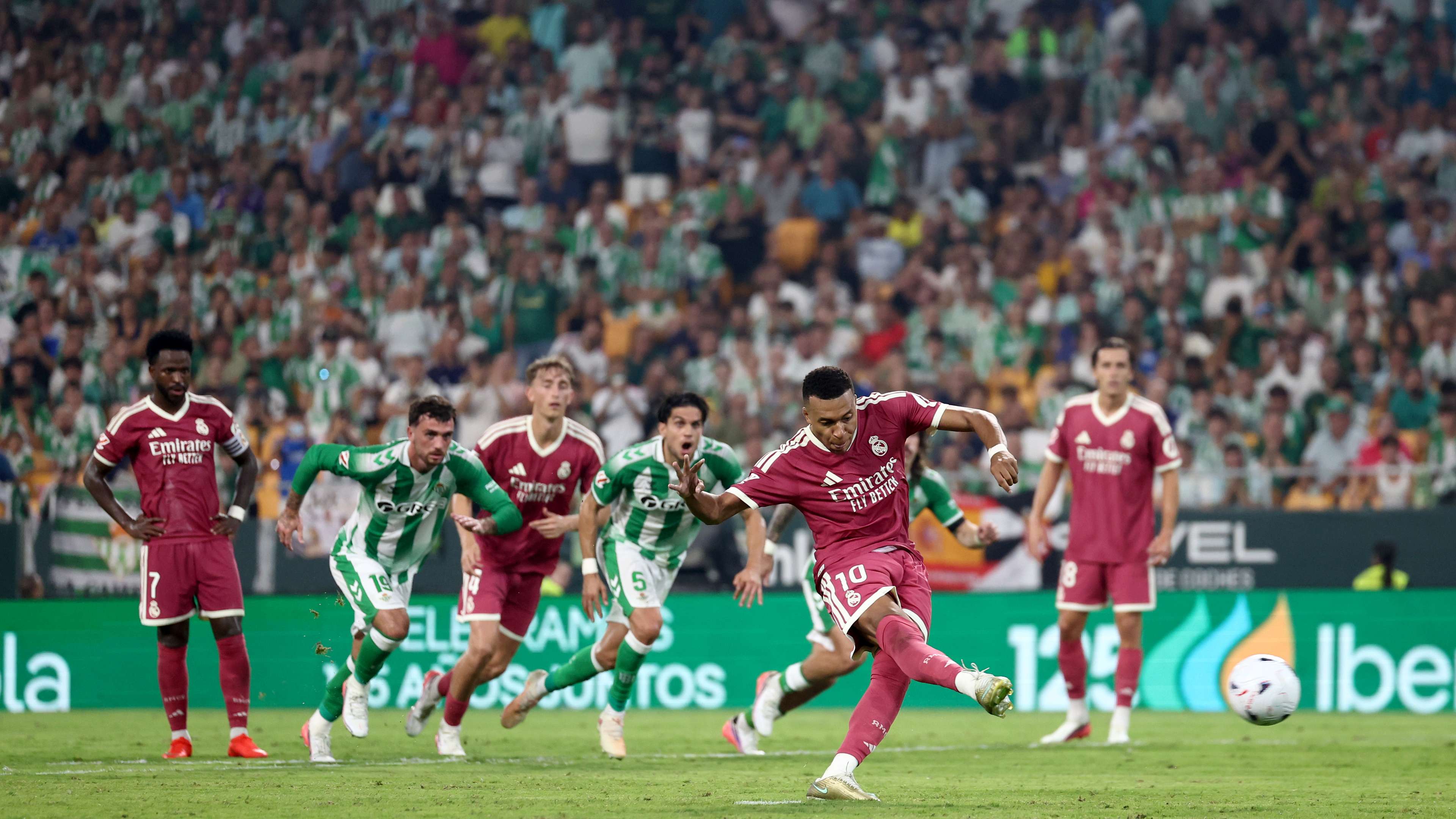
Kylian Mbappé's missed penalty in Real Madrid's 1-0 defeat to Real Betis sparked intense debate over referee José María Sánchez Martínez's decision not to order a retake. The flashpoint centred on defender Marc Bartra and whether he had illegally encroached into the penalty area before the strike. Spanish football authorities later clarified that the official's call aligned precisely with the Laws of the Game.
The controversy unfolded in the 94th minute when Mbappé stepped up to convert from the spot in La Liga's fourth round. Sánchez Martínez consulted video assistant referee technology and came perilously close to awarding a retake, but ultimately allowed play to continue. The decision hinged on a narrow technical interpretation: the exact position of Bartra's feet at the moment the ball was struck.
Understanding Penalty Encroachment Rules
Encroachment occurs when any player except the penalty taker and goalkeeper enters the penalty area or its arc before the kick is taken. However, merely stepping into the box does not automatically trigger a handball or restart. The infraction only stands if the defender's advance demonstrably affects the penalty taker's action, or if he subsequently challenges for the ball after it rebounds and prevents a clear goalscoring opportunity.
Under IFAB regulations adopted for the 2026-2027 season, the determining factor is the position of the defender's feet—or any body part touching the ground—at the precise instant the ball is struck. If even one foot remains outside the penalty area line, no encroachment has technically occurred. Bartra's position met this criterion: one foot was planted outside the line when Mbappé made contact with the ball.
The Vertical Projection Exception
The laws contain a crucial exception regarding body parts in mid-air. Parts of the body elevated above the ground do not count toward encroachment, nor does their vertical projection—unless the entire body is airborne. As the rulebook states, "the vertical projection in air applies only when the whole body is not touching the ground." This distinction proved decisive in the Real Betis incident. Since Bartra retained ground contact with one foot outside the area, the vertical projection rule did not apply, and no infraction warranted correction.
Real Madrid's first La Liga defeat of the season leaves them reflecting on a technically correct but emotionally frustrating outcome. The decision underscores how modern penalty protocol increasingly hinges on millimetre-level precision rather than subjective referee interpretation. Whether Bartra's position meaningfully disadvantaged Mbappé remains a matter of opinion among supporters, but the laws have spoken clearly.
As elite football continues to navigate encroachment disputes, this incident demonstrates both the clarity and the potential coldness of objective rule enforcement in deciding high-stakes moments. Madrid will look to bounce back in their next fixture, while Real Betis secured a statement victory underpinned by strict adherence to the rulebook.