
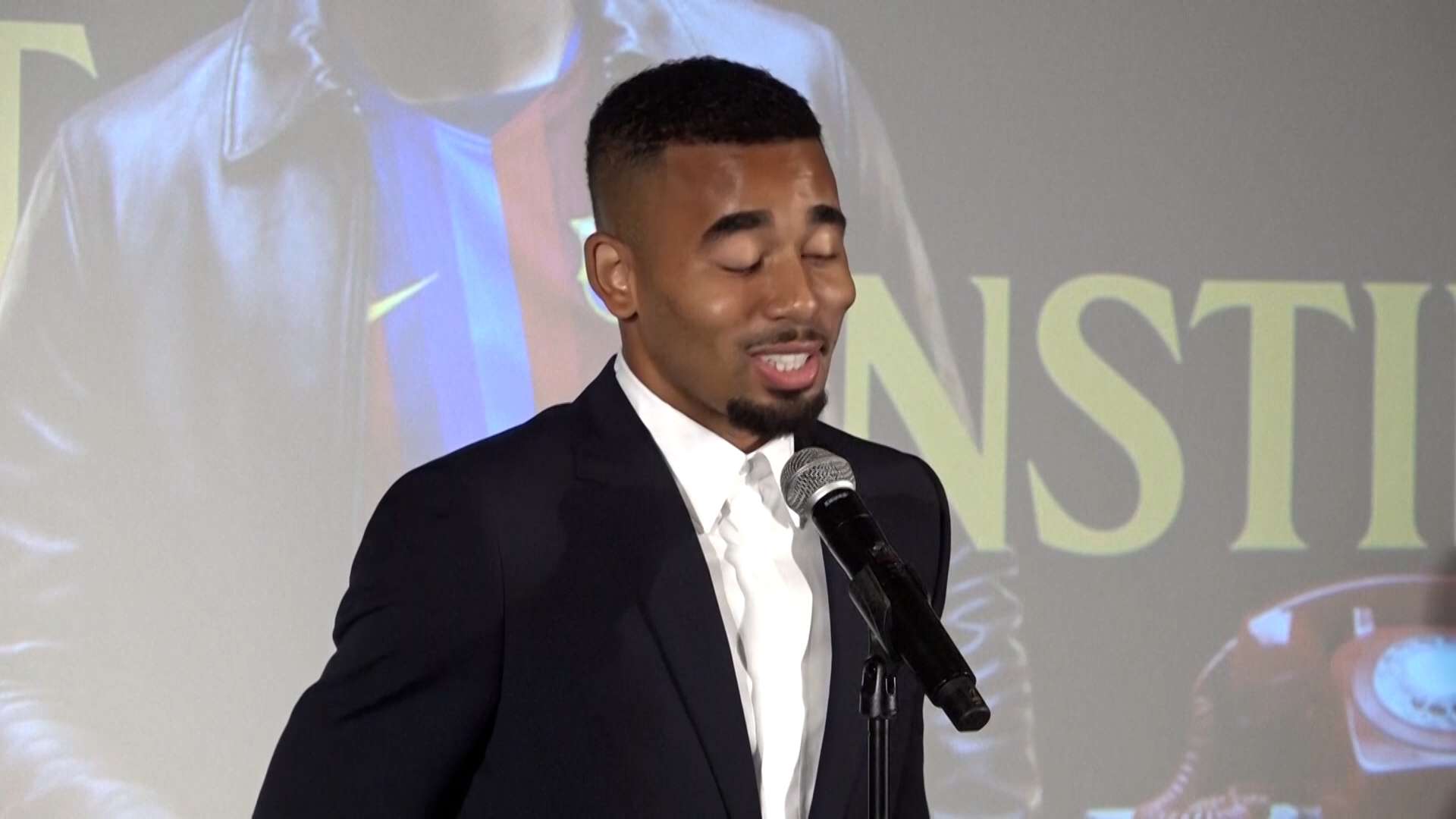
Gabriel Jesus arrived at Barcelona in the final hours of the transfer window, completing a deal that had quietly occupied director Deco's desk for nearly nine months. The Brazilian striker's journey to Camp Nou was unconventional, marked by repeated rejections and a persistence from his representatives that ultimately proved decisive when circumstances aligned perfectly.
The Hesitation Phase: Why Deco Said No
When Arsenal first made Jesus available during the winter transfer window in December, Deco's response was swift: a firm rejection. The timing felt wrong. Barcelona had committed to Robert Lewandowski and Ferran Torres as their striker pairing, and adding an out-of-form attacker recovering from injury seemed unnecessary risk. Flick agreed that the squad could function with their existing options until season's end. The Brazilian had barely regained fitness under Arteta and needed consecutive minutes to rediscover his rhythm—not ideal for an immediate Barcelona gamble.
Agent Giovanni Branchini and Roc Nation Sports refused to abandon the file. Throughout the first half of 2026, they kept Jesus's profile circulating, but Deco remained unmoved. Barcelona's singular obsession was Julián Álvarez, the Atlético Madrid striker they genuinely coveted. Lewandowski represented the present; Álvarez was the future. Jesus occupied no meaningful space in those calculations.
The Forced Pivot: When Plan B Became Inevitable
Lewandowski's summer departure to Major League Soccer changed everything. With their primary target suddenly departed, Barcelona circled back to Álvarez only to find Atlético Madrid immovable. The deal they had pursued all season evaporated. Deco faced a reckoning: the summer window had produced quality acquisitions elsewhere, but the central striker position remained unsolved. When other options—including Lautaro Martínez—failed to materialize, the persistent Jesus file returned to the table by necessity rather than conviction.
This time, with Flick's backing and no better alternatives emerging, Deco finally capitalized on nine months of careful groundwork. The deal came together rapidly in the closing moments of the window, a dramatic reversal from months of deflection. Jesus's arrival represented Barcelona's admission that their primary strategy had collapsed and their contingency plan—the one they had repeatedly postponed—was now their only realistic path forward.
The signing underscores how transfer strategies can shift dramatically when top targets prove unattainable, forcing clubs to revisit names they previously rejected and rely on the persistent work of agents who refused to accept early refusals.