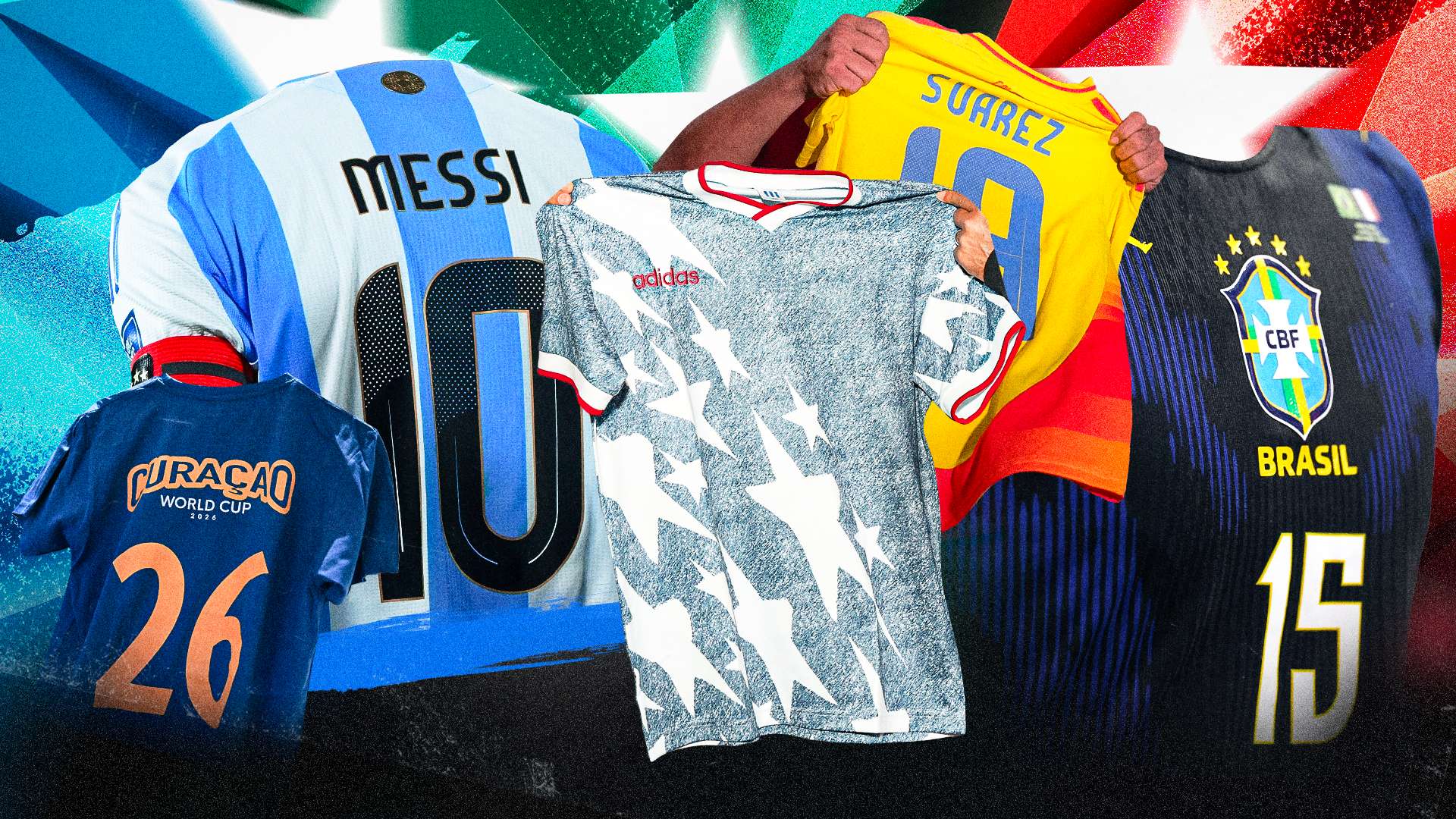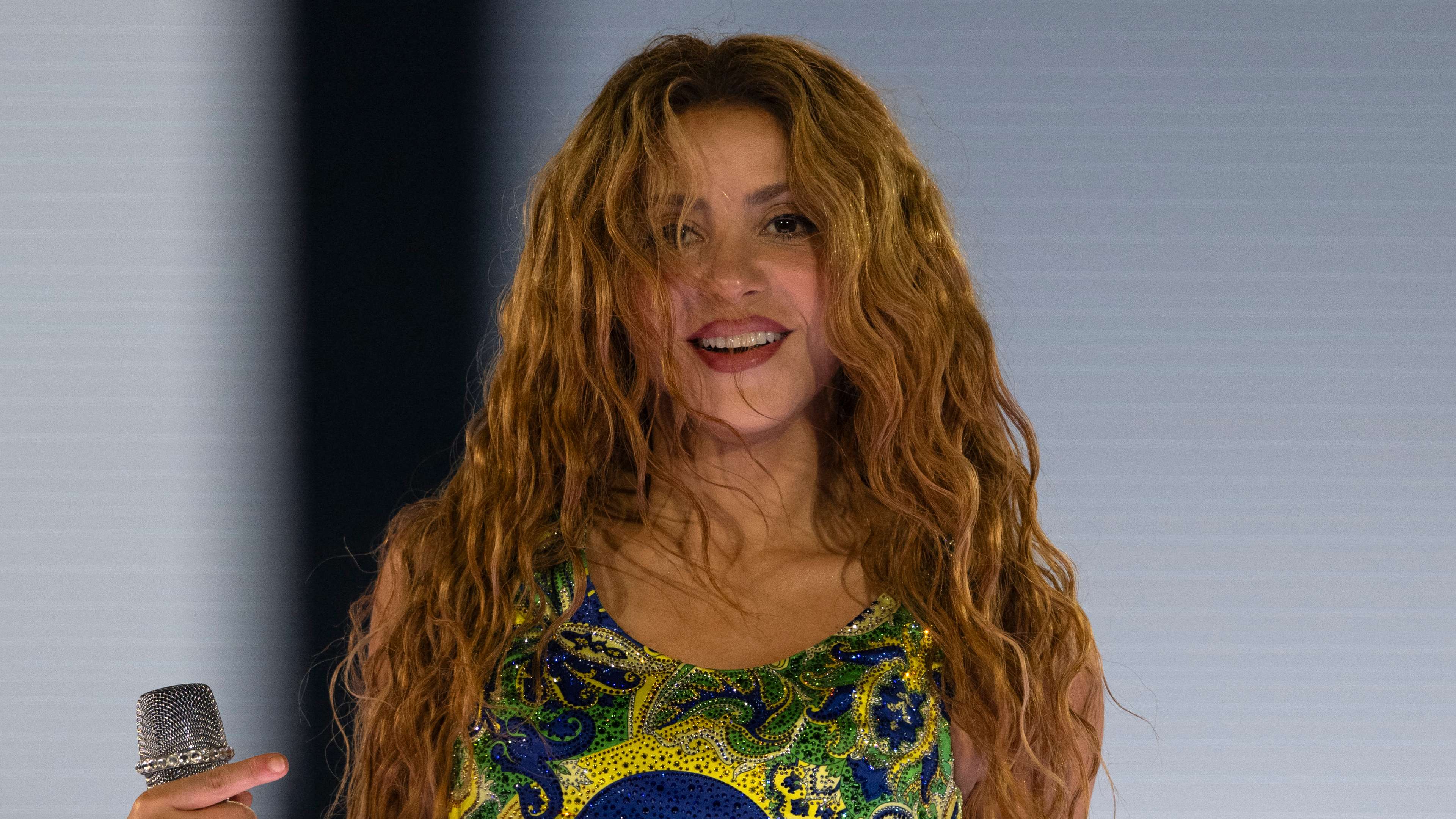
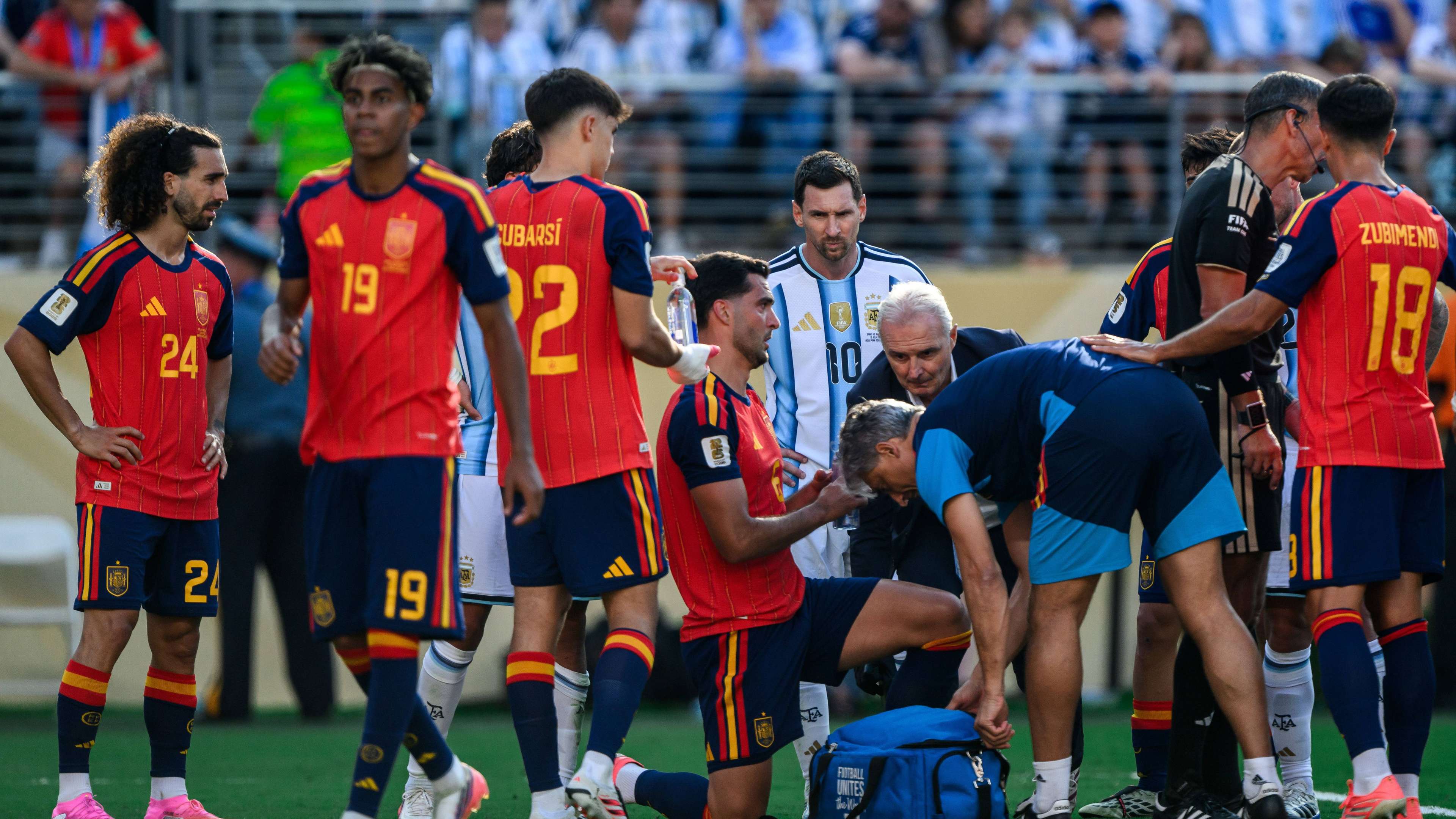
Aitana, the Catalan singer hired by Spain's football federation to perform during their 2026 World Cup celebrations, has become the unlikely flashpoint in a cultural row with Argentina. Her vocal support for the Spanish national team throughout the tournament has triggered a wave of criticism from Argentine fans still reeling from their defeat in the final, transforming what began as sports rivalry into a broader conflict spanning music, fashion, and public discourse.
The Spanish federation engaged Aitana to perform "Superestrella," one of Spain's official anthems during the tournament, and she embraced the role wholeheartedly, celebrating openly as the team advanced. While her patriotism proved popular in Spain, Argentine supporters interpreted her backing as rubbing salt into their wound. The fallout has extended far beyond typical post-match tensions. An Argentine clothing brand announced it would abandon its trademark bearing her name, rebranding instead as "Tini"—a nod to the beloved Argentine pop singer Martina Stoessel. In a pointed statement, the company declared it "does not want any association with a name currently linked to a Spanish figure."
Cultural Tensions Escalate Beyond the Pitch
Aitana was not the sole Spanish artist caught in the crossfire. Singer Rosalía experienced similar backlash when event organisers postponed her tribute concert in Córdoba, citing safety concerns following a torrent of hostile messages online. The concert had been scheduled for a square at the Metropolitan Museum of Urban Art. Rosalía subsequently apologized for critical comments she had made about Argentina, attempting to defuse the situation. Aitana, however, took a different approach—she never disparaged Argentina or its football team, simply lending her voice to celebrate Spain's achievement.
The distinction is crucial to understanding why the controversy has become so polarizing. Aitana's perceived offense was not aggression but patriotism, raising questions about whether supporting one's own nation at a World Cup should invite such severe consequences. Argentine fans, still processing the emotional sting of losing the final on home soil, have channeled their disappointment into organized pressure campaigns. With Aitana scheduled to perform a concert in Argentina next October, industry observers fear the anger could intensify and jeopardize the event. This episode highlights how deeply the 2026 World Cup final result has scarred Argentine supporters and how the wounds extend into spheres far removed from the stadium itself.