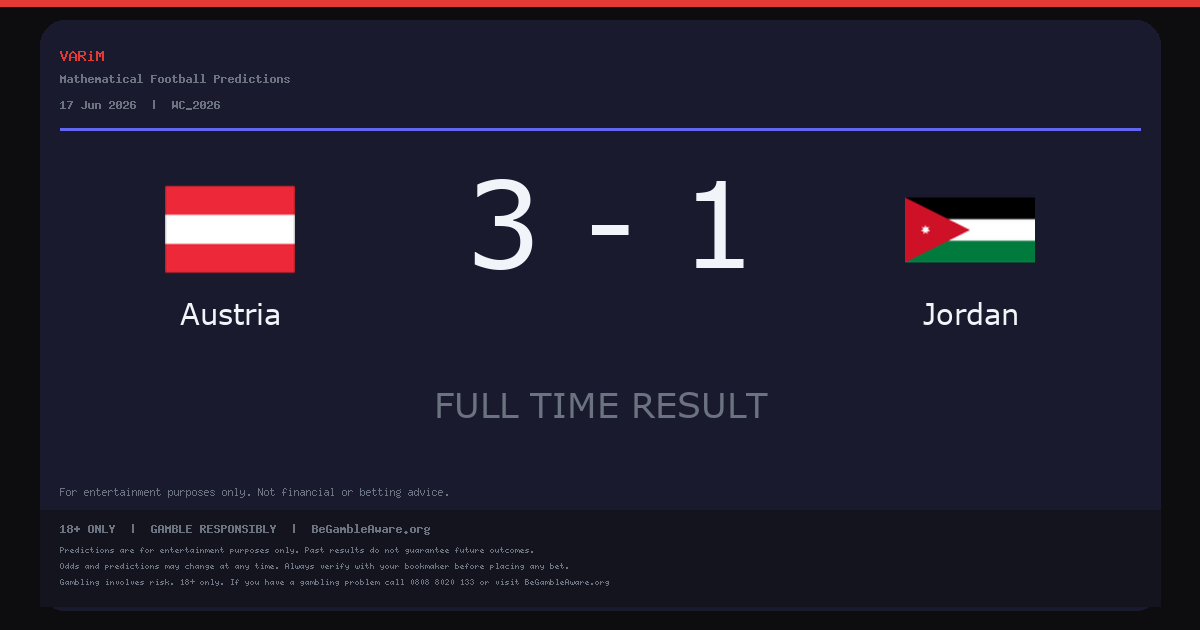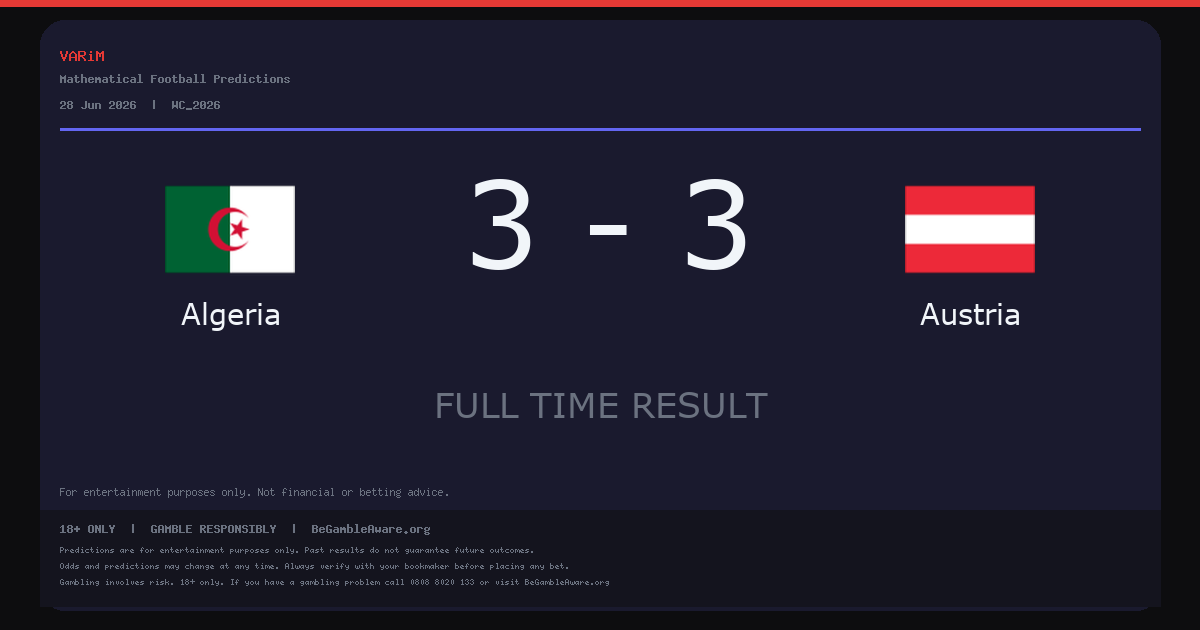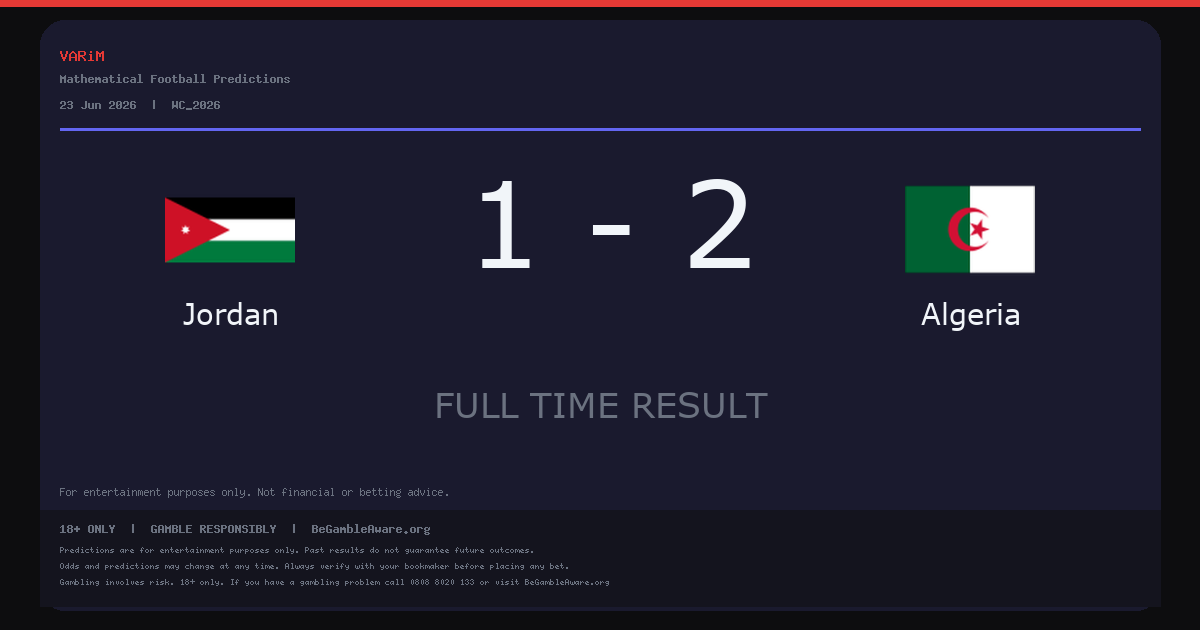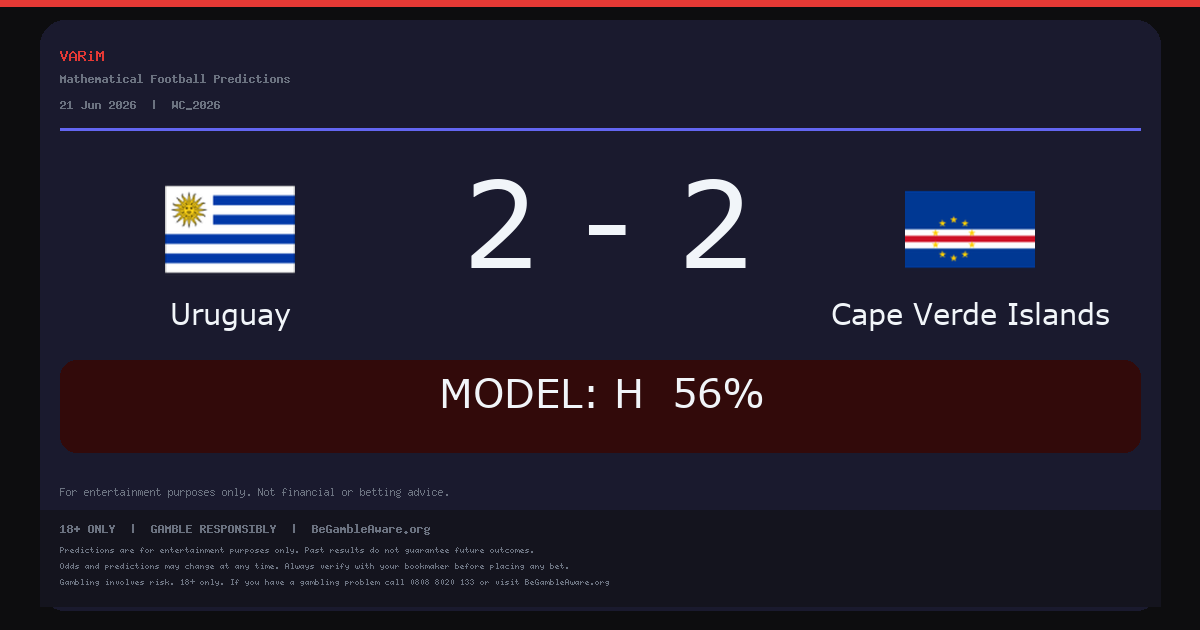
Argentina's "Todo Noticias" television channel has ignited fierce debate by publicly naming 10 international figures allegedly orchestrating an "anti-Argentina" campaign following La Albiceleste's defeat to Spain in the 2026 World Cup final. The South American side fell 1-0 in extra time after progressing through a strong group stage that included victories over Algeria, Austria, Jordan, Cape Verde, Egypt, Switzerland and England.
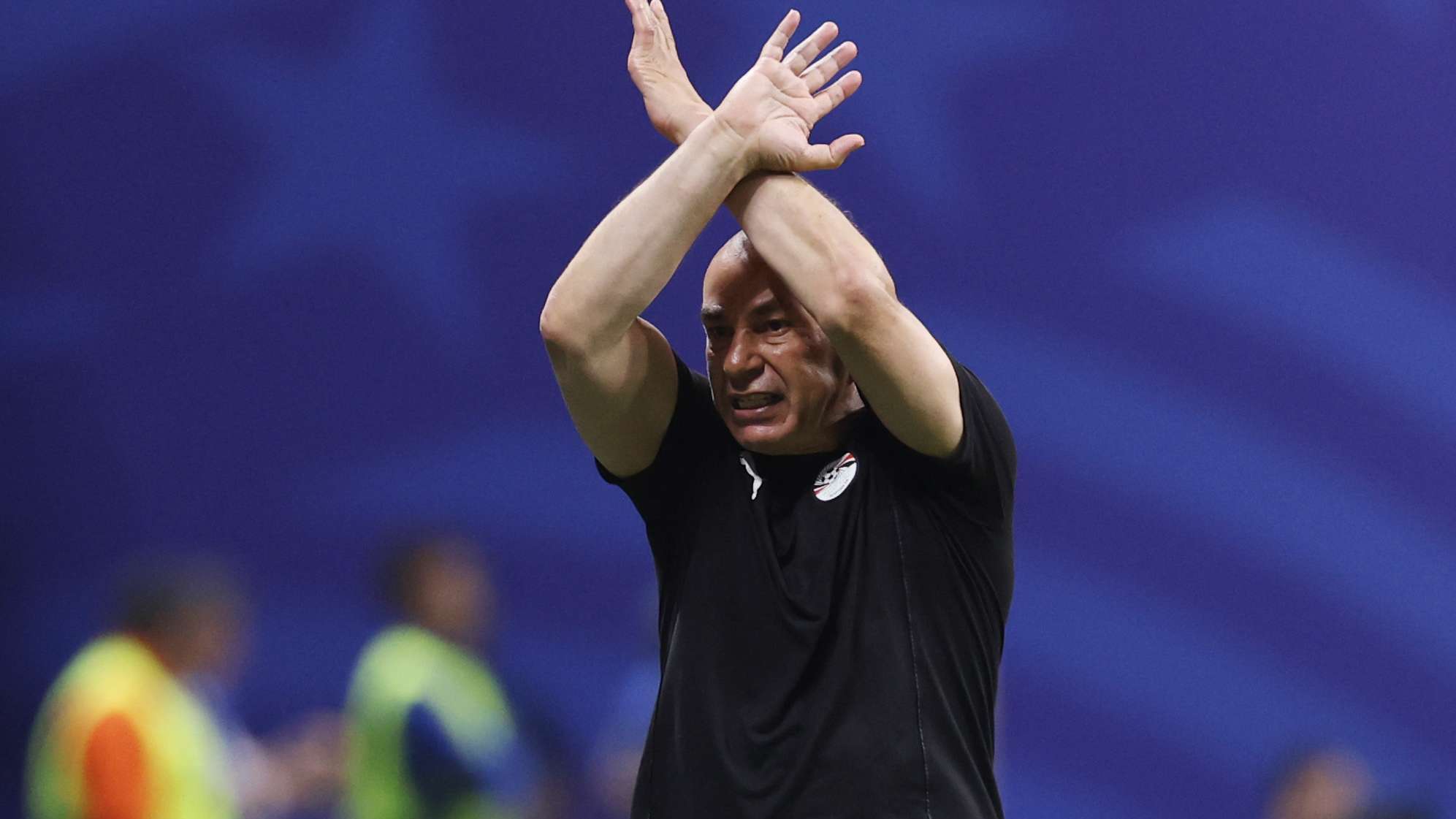
Egypt national team head coach Hossam Hassan topped the controversial list. Following his nation's round of 16 elimination, Hassan publicly questioned the tournament's integrity on beIN Sports, alleging bias toward Messi and Argentina. "We were the better side, but what happened was not fair," Hassan stated. "Should we have had a penalty and a goal was disallowed. Is this all for the sake of marketing? Do they want Messi to continue?" His remarks positioned him as the programme's primary target for perceived conspiracy allegations.
A Diverse Cast of Critics
The programme extended its scope beyond sporting figures. British media personality Piers Morgan faced inclusion after criticising Argentine player conduct via X, describing the squad as "violent" and labelling them a "disgrace to football." American actor Samuel L. Jackson appeared on the list for characterising Argentina as "the most racist country." Content creator Speed, known as a Cristiano Ronaldo supporter, drew attention for celebrating Spain's victory and engaging with Argentine fans online.
Completing the roster were New York Mayor Zohran Mamdani, Mexican President Claudia Sheinbaum, Spanish singer Rosalía, and Chilean actor Pedro Pascal. Each individual faced accusations of contributing to a coordinated campaign against the Argentine national team and its supporters.
Mixed Public Response and Debate
Social media reaction proved sharply divided. Some Argentine supporters viewed the segment as justified defence against international criticism and scepticism. However, many observers dismissed it as an overreaction that conflated ordinary sports discourse with malicious conspiracy. The controversy highlights ongoing tensions within international football discourse, where national pride intersects with questions of fairness and sportsmanship. As Argentina looks toward future competitive campaigns, the aftermath of this high-profile final defeat continues to shape national sporting conversations.