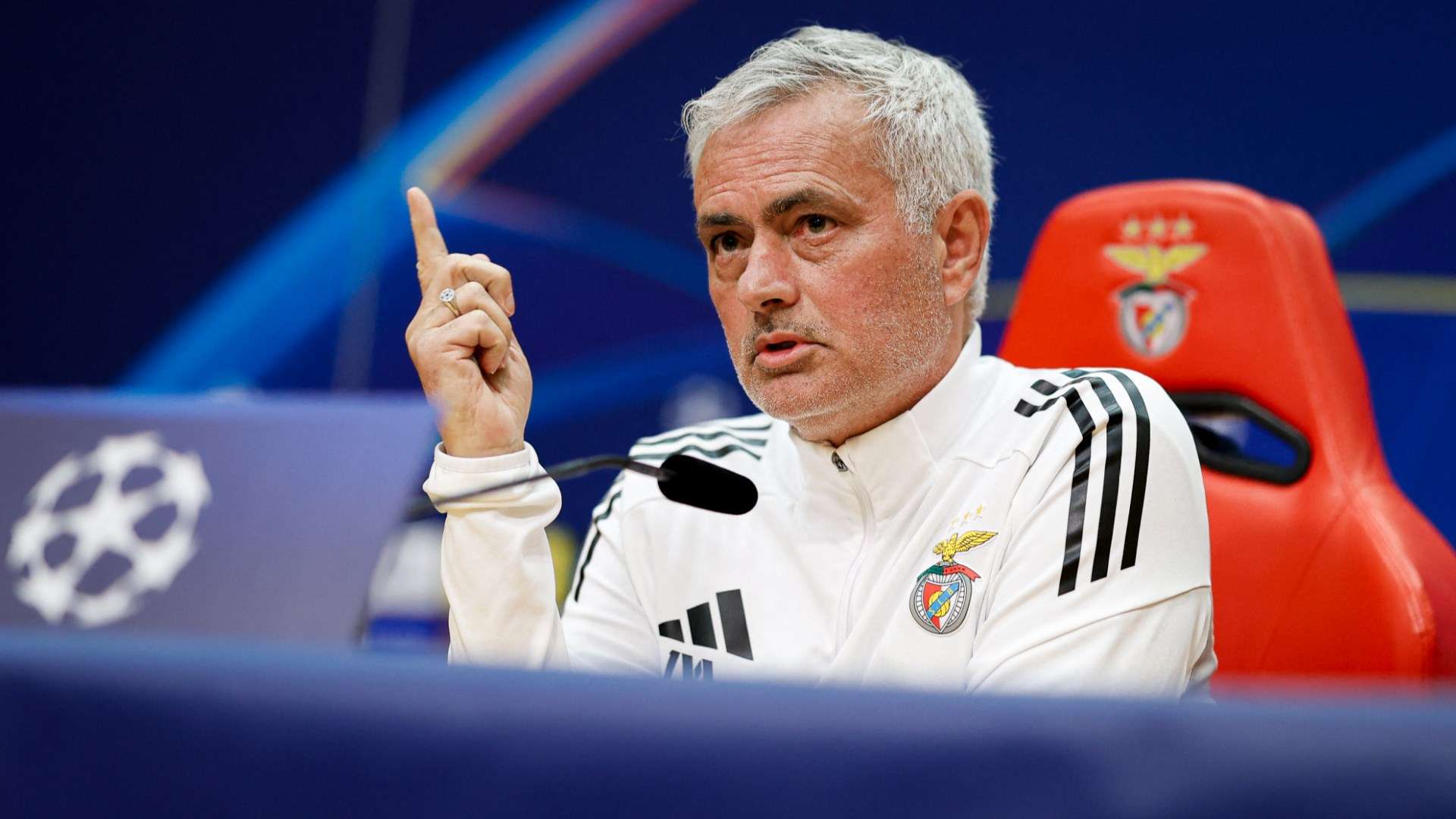
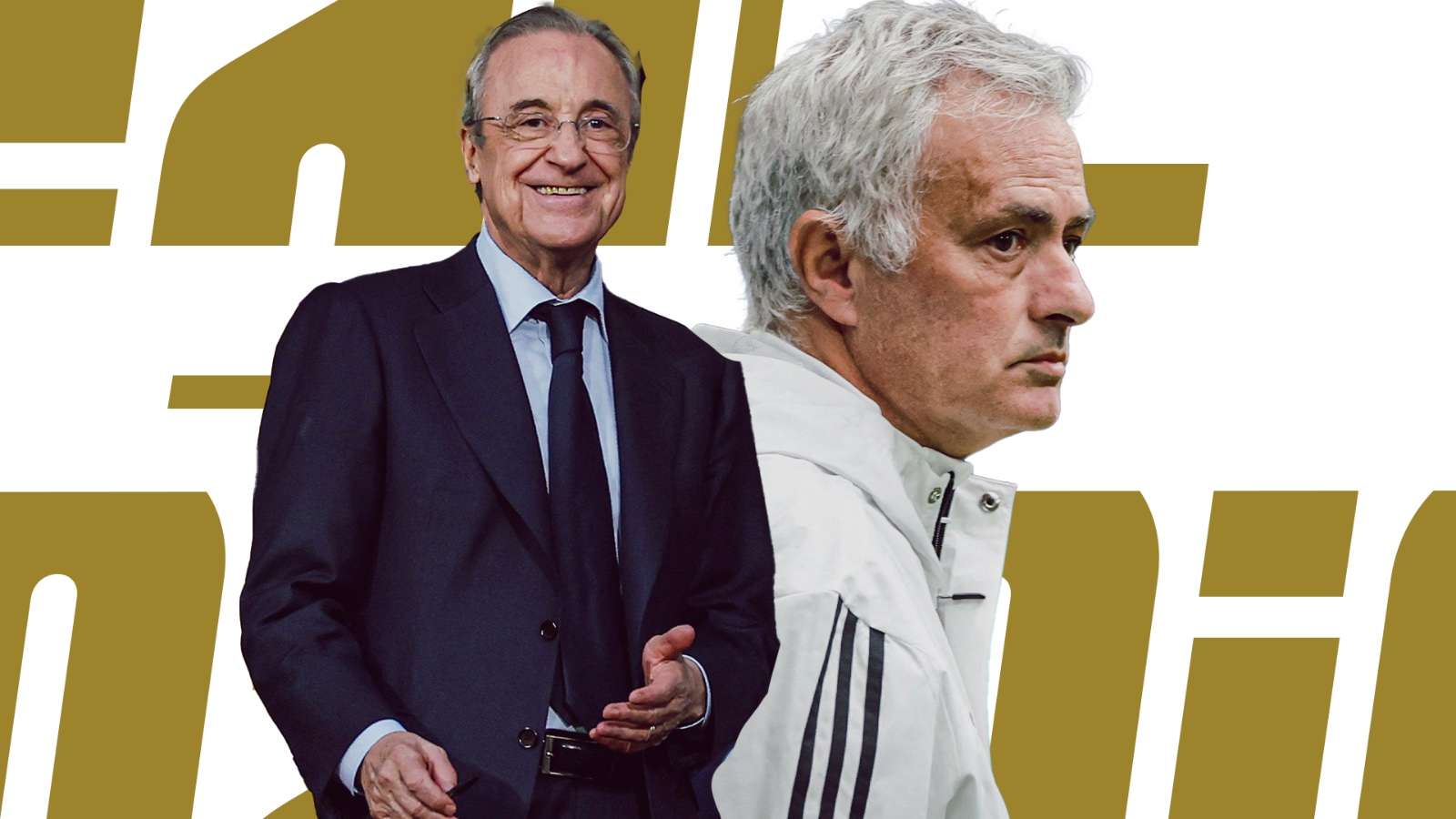
Real Madrid president Florentino Pérez has returned to a familiar blueprint in summer 2026, recruiting José Mourinho for a second stint and unleashing unprecedented spending to break Barcelona's two-year grip on La Liga. The parallels to 2010 are striking: then, Pérez spent over 230 million euros across the window to challenge a Barcelona side fresh off their historic treble. This summer, the investment threatens to dwarf that era entirely, with confirmed signings and pending deals signalling an all-in approach to reclaim Spanish football's throne.
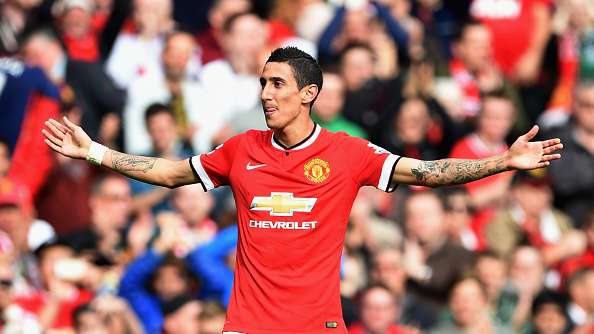
The 2010 window remains etched in football history. Pérez assembled a formidable squad around Cristiano Ronaldo, Kaká, Karim Benzema and Xabi Alonso, then added depth through Ángel Di María, Mesut Özil, Sami Khedira and Ricardo Carvalho—a spending spree totalling roughly 230 million euros. That recruitment drive failed to topple Pep Guardiola's Barcelona, who continued their dominance. Now, 16 years later, Mourinho inherits a similar remit but with even greater resources. The club has already secured Ibrahima Konaté and Bernardo Silva as free agents, spent 60 million euros on Marc Cucurella from Chelsea, and added Denzel Dumfries from Inter Milan for 20 million euros.
The Summer 2025 Buildup and Current Ambitions
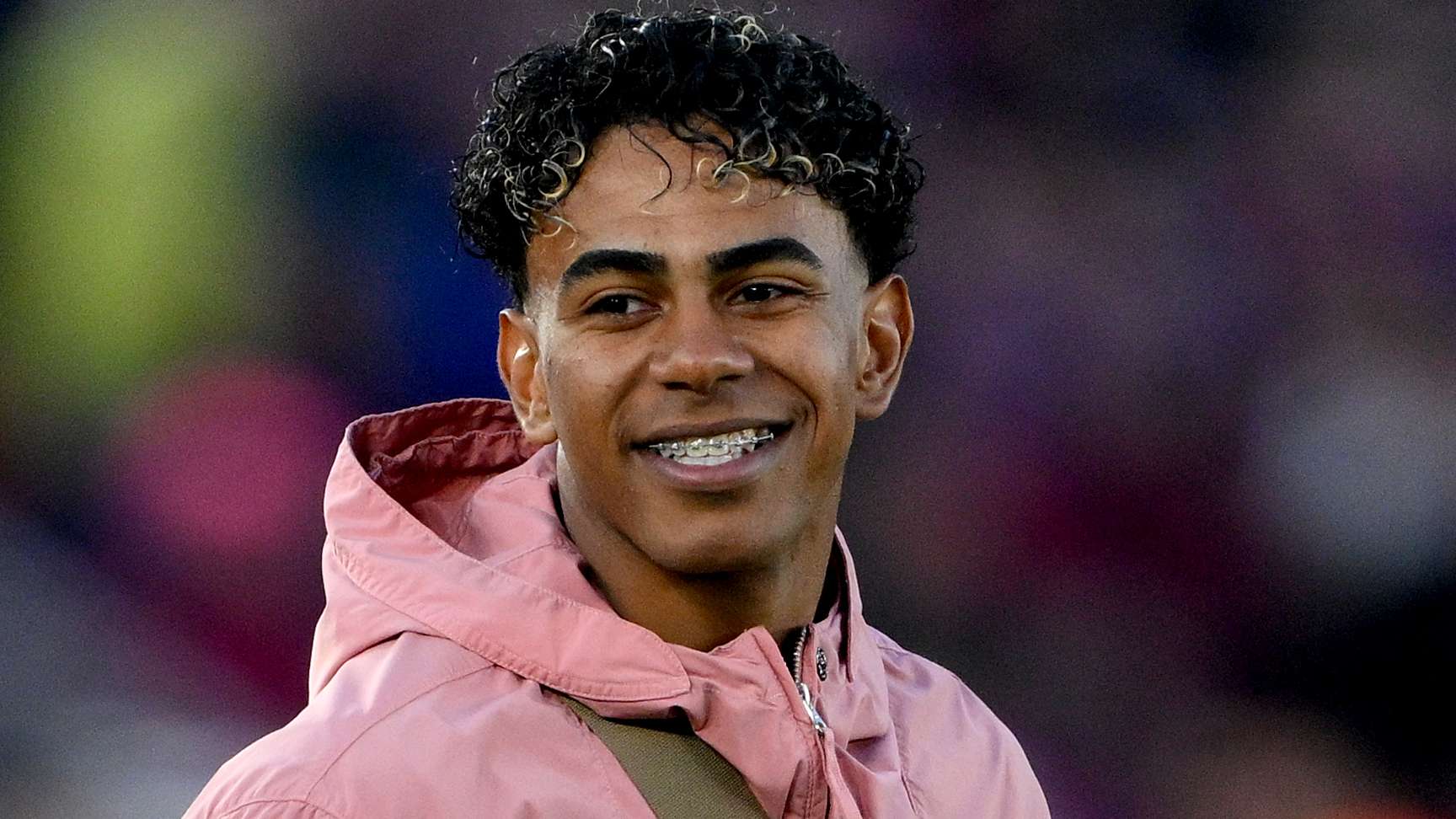
Last year's window, which cost Real Madrid 182.2 million euros, yielded mixed results. Franco Mastantuono (63.2 million euros from River Plate), Dean Huijsen (58 million euros from Bournemouth), Álvaro Carreras (50 million euros from Benfica) and Trent Alexander-Arnold (11 million euros from Liverpool) all arrived with fanfare yet none has secured a consistent starting berth under Mourinho's regime. That cautionary tale hasn't deterred Pérez. Reports suggest Real Madrid are prepared to spend over 100 million euros for Yan Diomande, the 19-year-old Ivorian winger at RB Leipzig, and a similar figure for Rodri Hernández, Manchester City's World Cup standout midfielder, whose performances have erased earlier doubts about his fit in the Spanish capital.
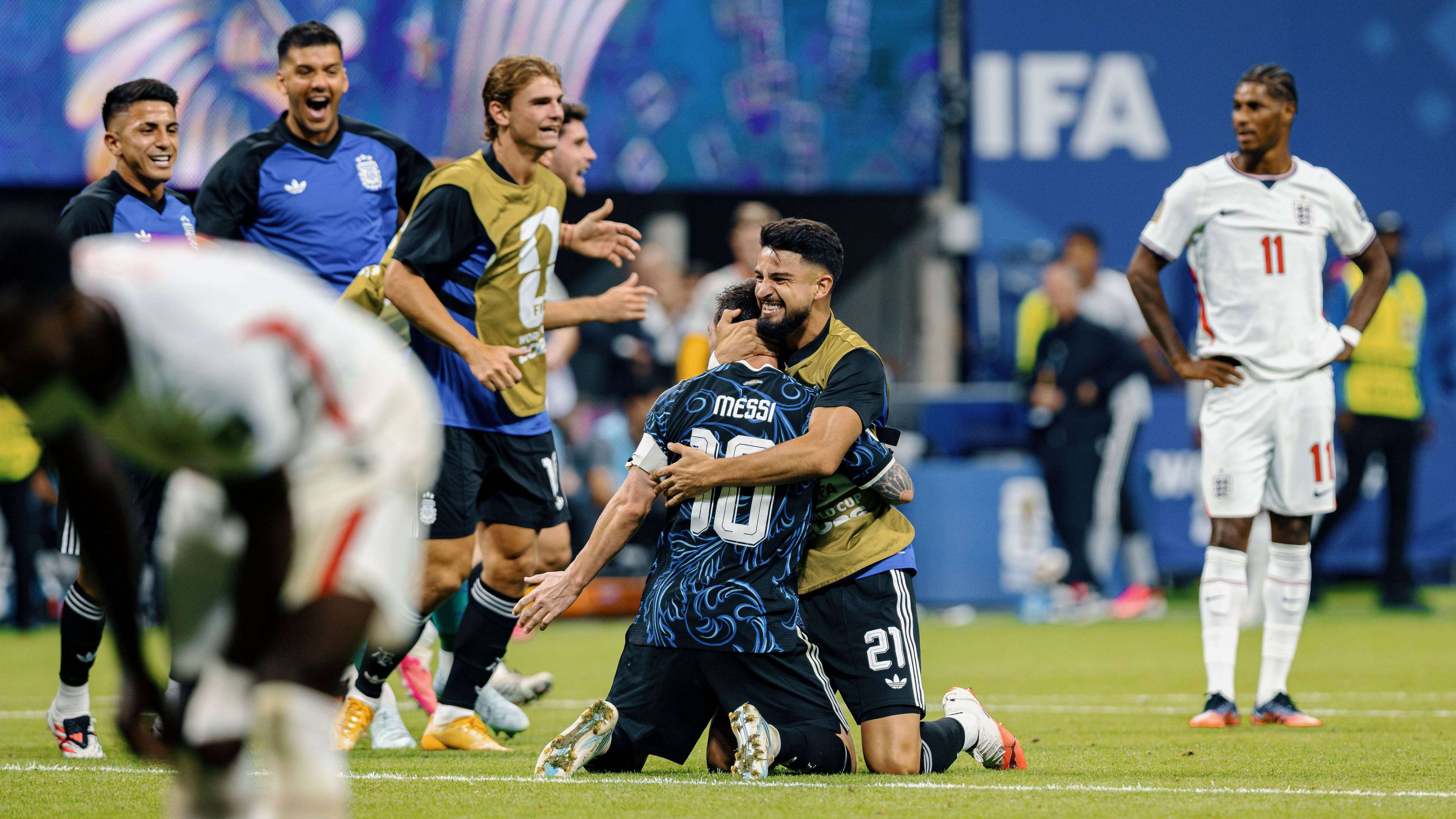
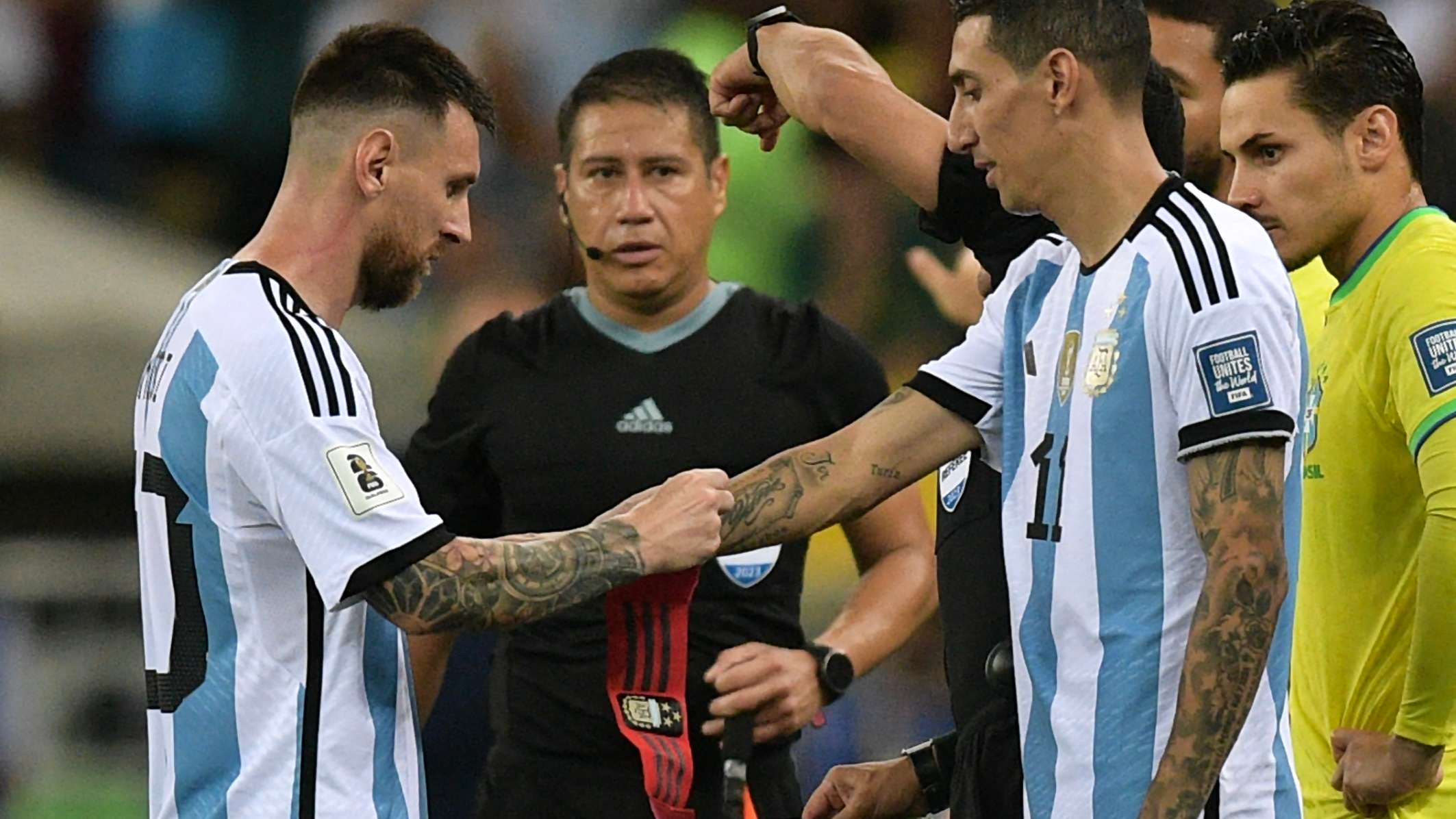
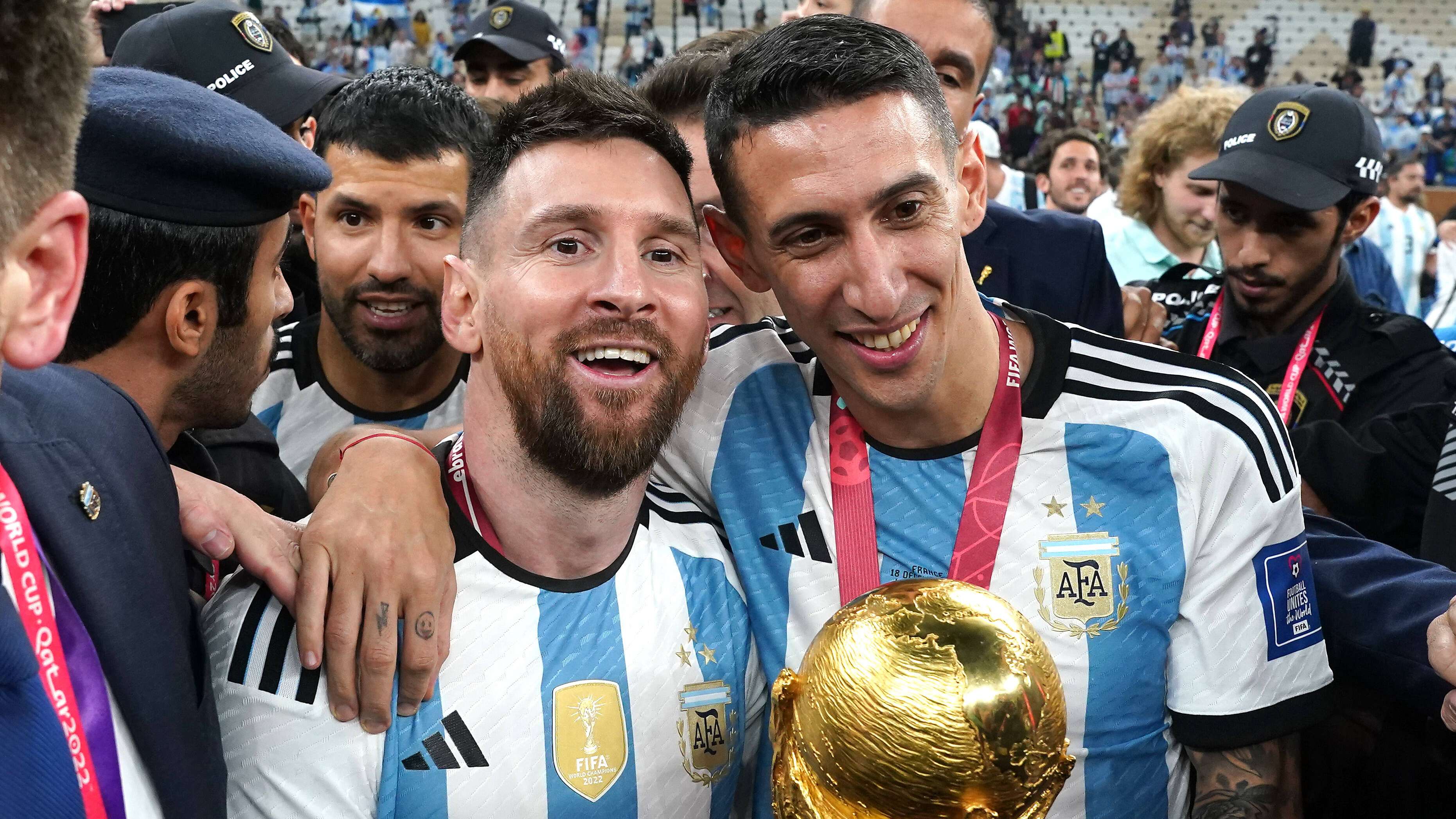
Barcelona's own recruitment philosophy differs markedly from their rivals' scatter-gun approach. When assembling their 2009 treble-winning squad, the Catalan club invested selectively: David Villa (40 million euros from Valencia) and Javier Mascherano (22 million euros from Liverpool) were surgical additions built around Lionel Messi and their academy-forged foundation. Their restraint contrasted sharply with Madrid's extravagance then and now. The question looming over La Liga's 2026-27 season is whether volume and expenditure alone can unseat a Barcelona side that has mastered sustained competitive excellence. Success under Mourinho will hinge not on spending records but on tactical cohesion and whether these disparate talents can gel faster than their 2025 predecessors, who stumbled despite significant investment.
With Pérez's resources and Mourinho's pedigree tested against Barcelona's proven blueprint, La Liga's title race promises to be the Spanish football story that defines the coming campaign.