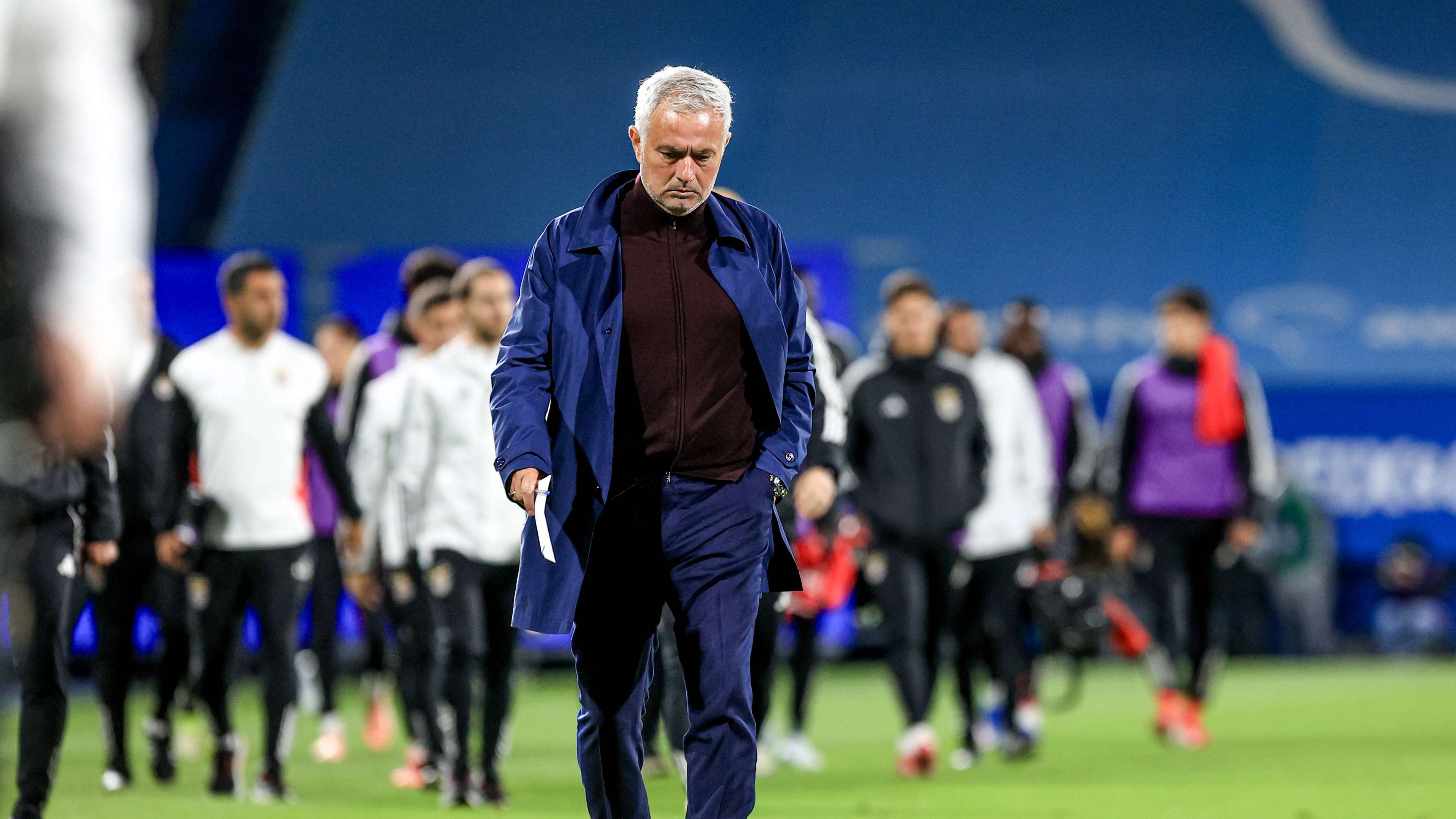
Jose Mourinho has made his midfield priorities clear at Real Madrid, but the club's hierarchy is standing firm in their refusal to pursue additional recruits. According to reports, the Portuguese manager requested a pivotal midfielder to shore up the team's creativity and control, yet Florentino Perez has declined the proposal. Instead of sanctioning new signings, Real Madrid's board has shifted responsibility onto Mourinho to extract maximum performance from the current squad.
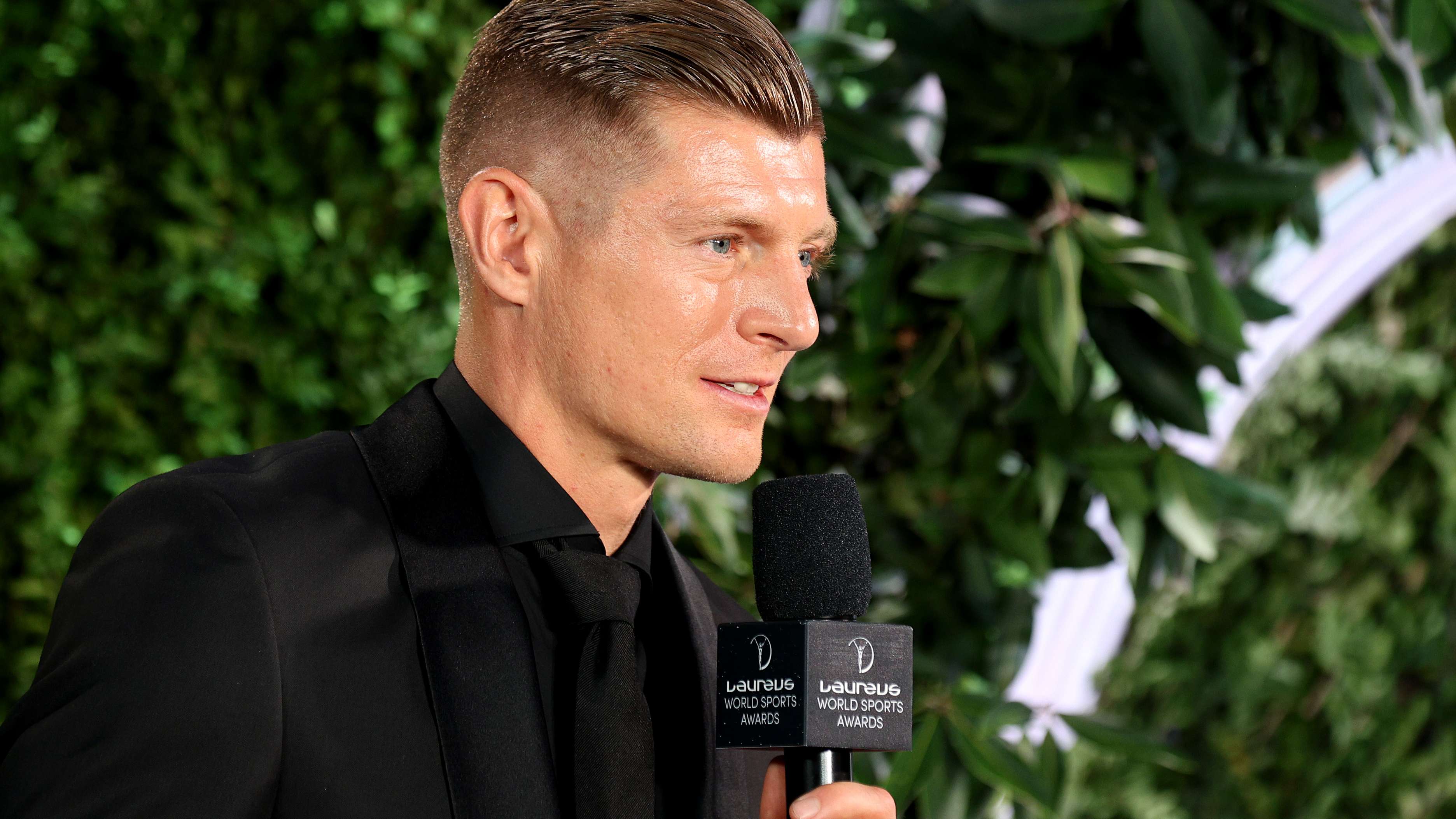
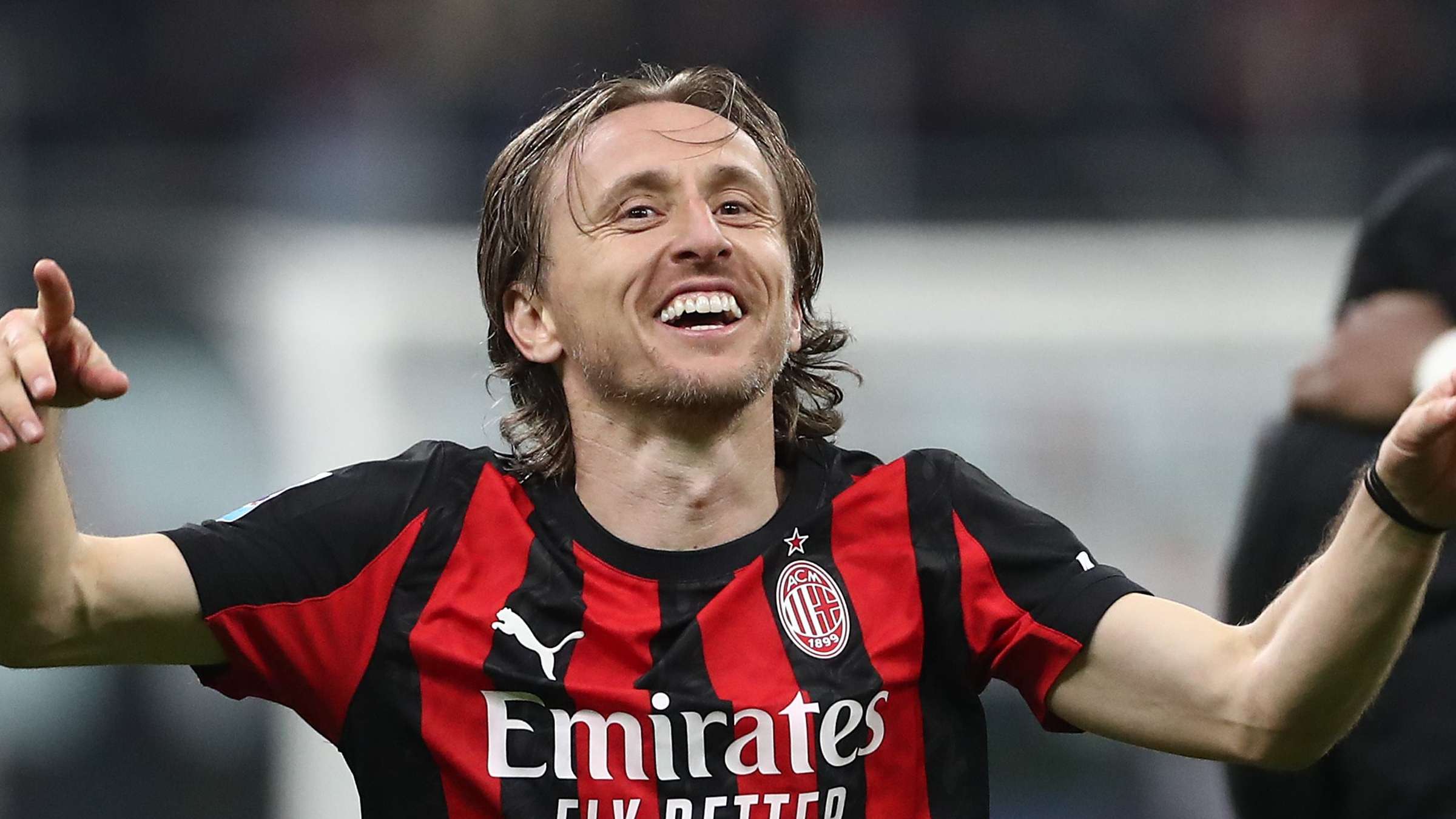
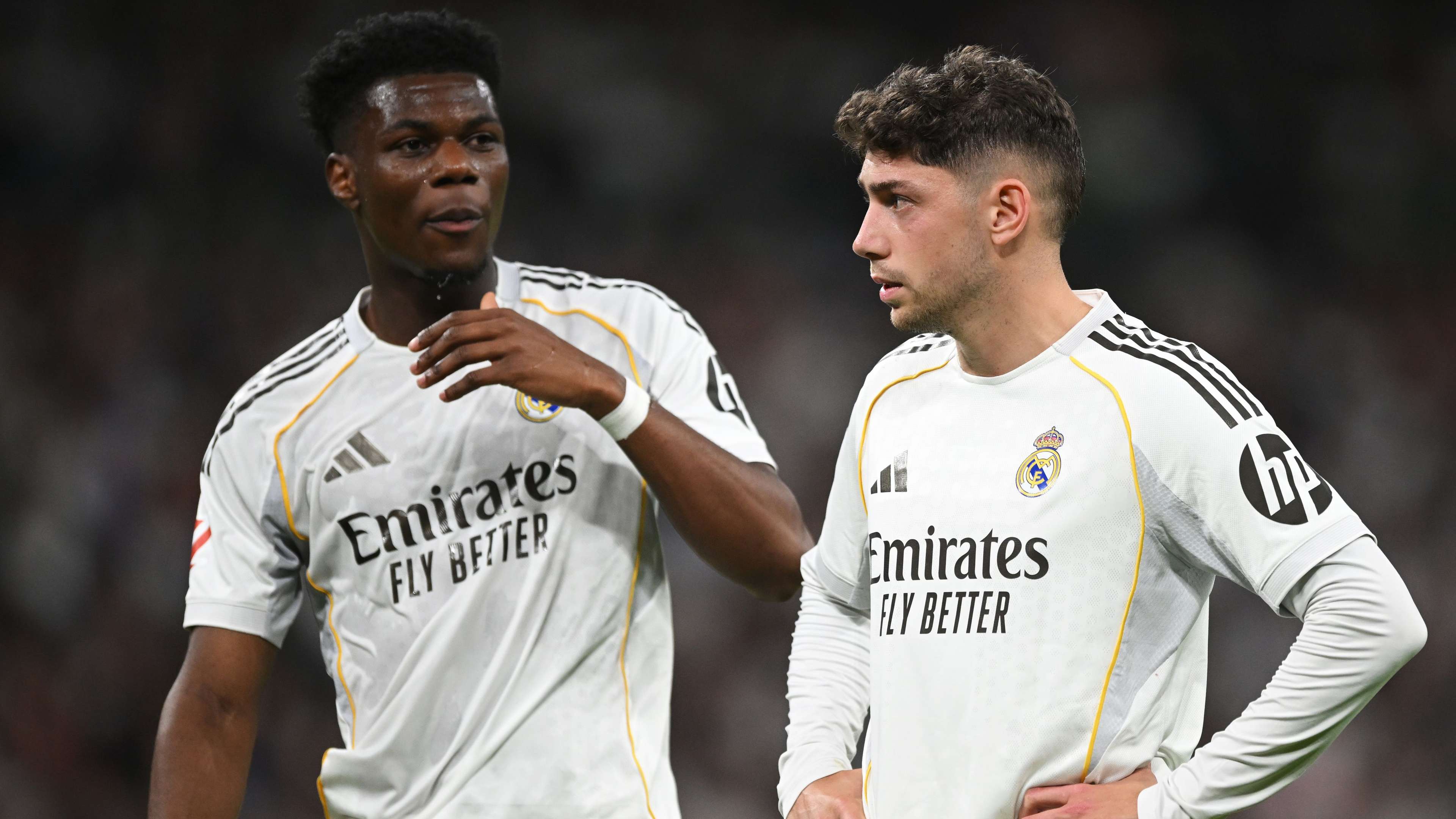
The midfield situation reflects years of transition at the Bernabéu. Since Toni Kroos retired and Casemiro and Luka Modric departed, Real Madrid has rebuilt with younger, more athletic options: Aurelien Tchouameni, Eduardo Camavinga, and Fede Valverde. While these signings promised dynamism, the results have disappointed. Deploying Jude Bellingham in a deeper attacking role has paradoxically reduced goal output, creating a tactical puzzle Mourinho must solve.
Summer Overhaul Falls Short of Midfield Needs
Real Madrid's summer transfer window brought fresh faces to other areas: Bernardo Silva arrived to bolster midfield options, whilst Marc Cucurella, Denzel Dumfries, and Ibrahima Konate addressed defensive depth. The departures of Dani Carvajal, David Alaba, Dani Ceballos, and Fran Garcia freed financial space, yet the board resisted further midfield investment. Club insiders believe the current personnel can function effectively under the right system; the onus now falls on Mourinho to unlock their potential rather than request reinforcements.
The standoff reveals a fundamental divergence: Mourinho seeks structural solutions through recruitment, whilst Real Madrid's decision-makers favour tactical innovation. Unless Camavinga departs, space constraints make additional midfield signings virtually impossible. How Mourinho adapts his approach will determine whether this season validates the club's faith in existing talent or exposes a critical strategic miscalculation.