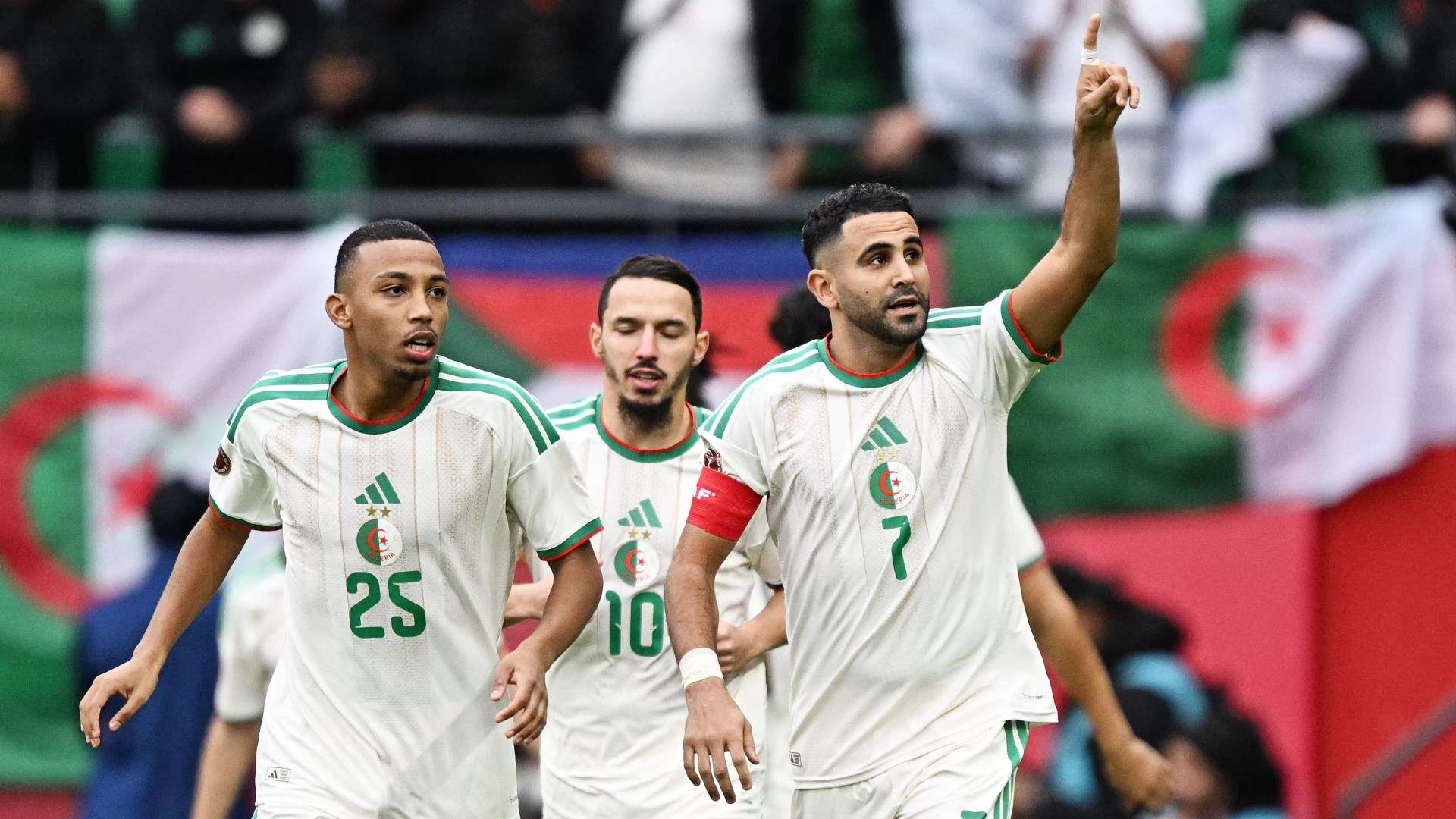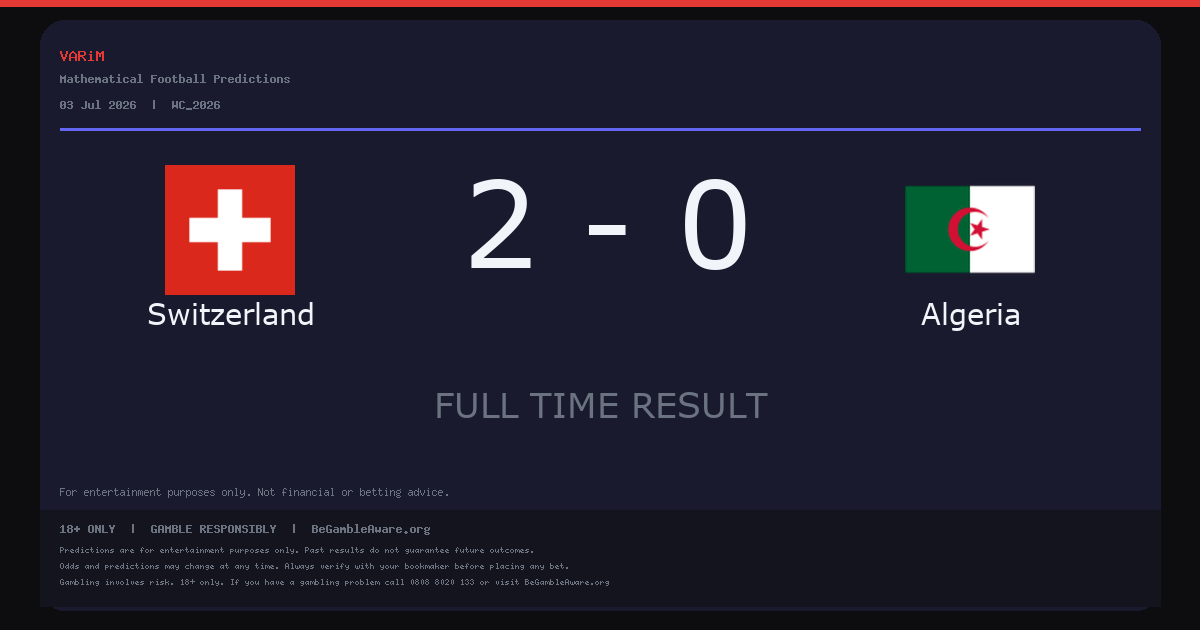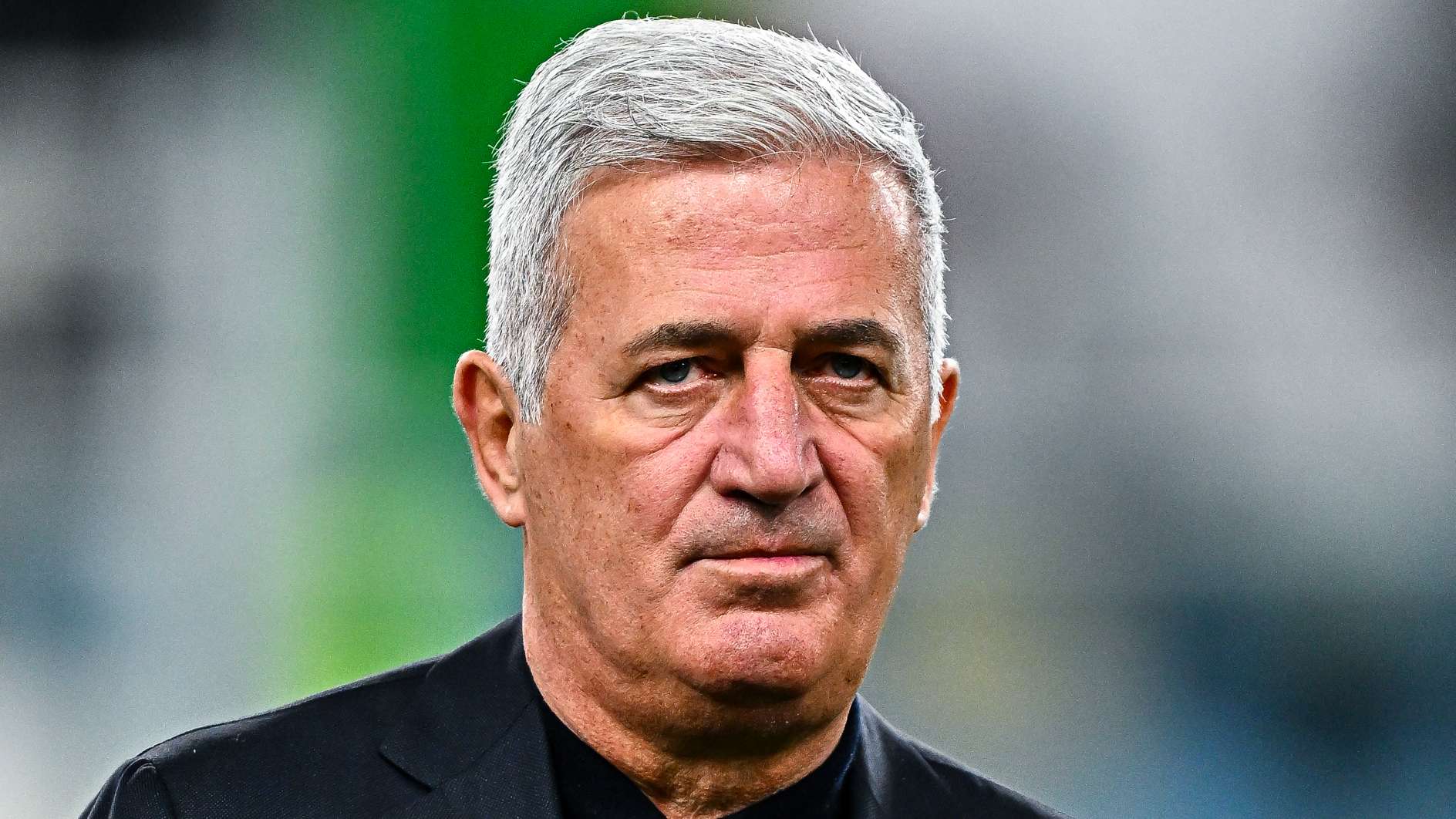
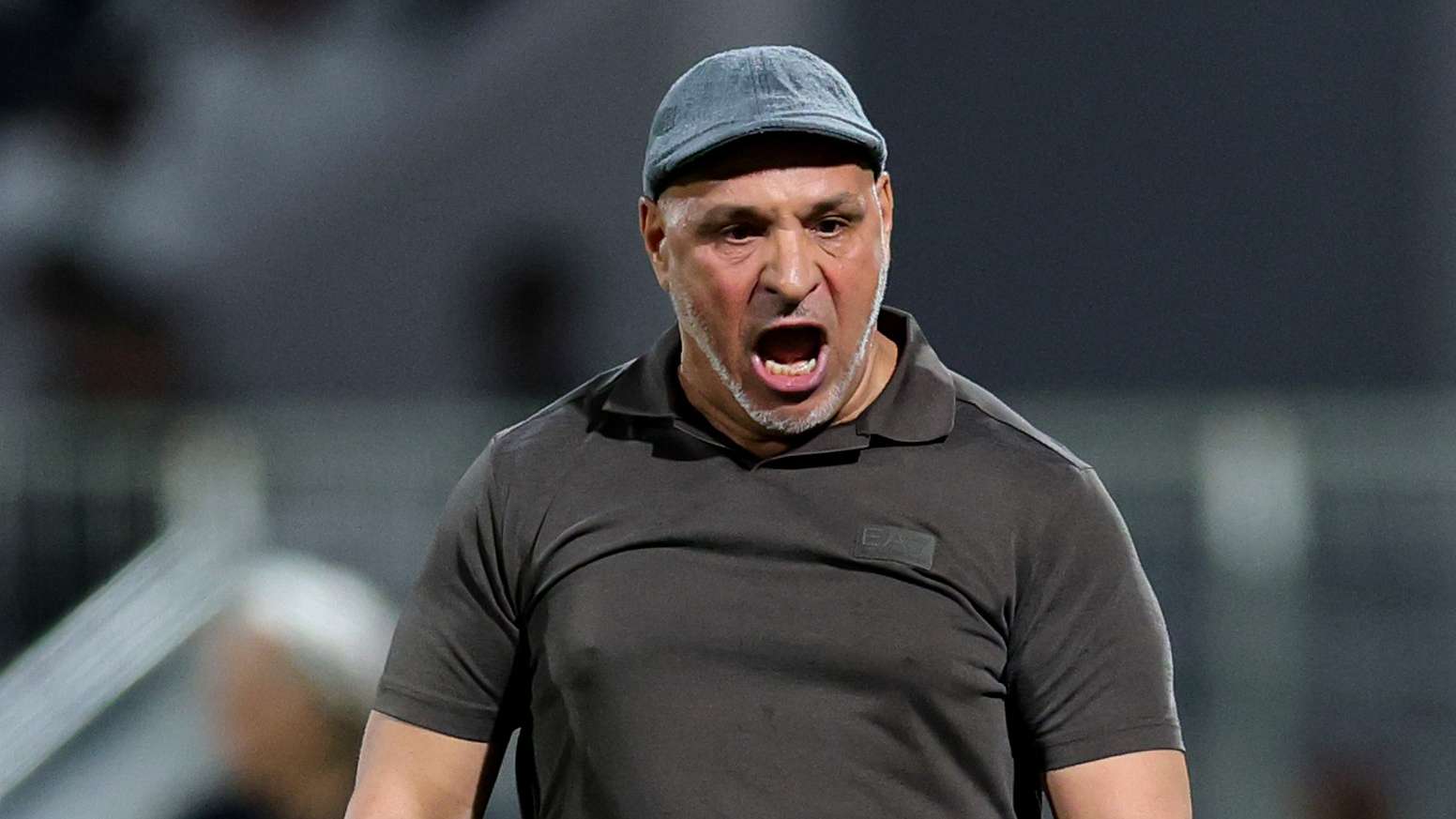
Noureddine Zekri, the former manager of Saudi Arabia's Al-Shabab, has ignited fresh controversy surrounding Algeria's managerial vacancy by declaring himself the nation's most qualified domestic coach. The 61-year-old's bold assertion comes as uncertainty clouds the future of Switzerland's Vladimir Petkovic, whose position as Algeria national team head coach remains unresolved following the squad's disappointing 2026 World Cup qualifying campaign.
Speaking to Algerian broadcaster Echorouk News, Zekri emphasized his international credentials and trophy-winning track record. "I am currently the best Algerian coach, and not just a local coach, because all my qualifications are Italian and internationally recognised," he declared. The veteran tactician has spent 26 years in management across multiple continents, accumulating experience that he believes distinguishes him from peers in Algeria's coaching landscape.
A Decorated Managerial CV
Zekri's resume reflects consistent success in challenging circumstances. His most celebrated achievement came in 2010 when he won the Algerian Cup with ES Setif, establishing himself as a trophy-winner at home. In Saudi Arabia, where he managed Al-Feiha, Damac, Al-Akhdoud, Al-Kholood, and Al-Shabab, he demonstrated tactical prowess by rescuing several clubs from potential relegation battles—situations where survival seemed improbable until his interventions stabilized their campaigns.
"When I took charge of teams built to compete for titles, I won trophies," Zekri explained. "And in Saudi Arabia, I oversaw clubs fighting to stay in the top flight, and preserving their status seemed almost impossible, but I succeeded." He departed Al-Shabab as a free agent on 30 June, positioning himself amid widespread speculation about Algeria's coaching future.
The National Team Succession Question
Petkovic's contract extends until 2028 following a renewal before the World Cup, yet the Algerian Football Federation's technical committee has recommended his continuation despite calls for local managerial oversight. This tension between retaining the Swiss coach and appointing a domestic successor has created an opening that ambitious Algerian coaches like Zekri have observed closely. Notably, Zekri insisted he is not actively pursuing the position, claiming he previously submitted his candidacy only when requested by federation officials—a process he vows not to repeat.
The debate has expanded beyond Zekri's candidacy. He dismissed recent media reports linking figures like Antar Yahia and Rafik Saifi to potential assistant coaching roles, sarcastically suggesting the federation manufactures reputations for certain candidates while overlooking qualified alternatives. Zekri pointedly referenced Madjid Bougherra's managerial failures in the United Arab Emirates and Qatar, as well as his inability to guide Lebanon's qualification for the 2027 Asian Cup, questioning the logic of elevating such names.
As Algeria navigates its coaching crossroads following World Cup disappointment, the federation faces a genuine challenge: whether to maintain Petkovic's foreign expertise or embrace a locally-trained alternative. Zekri's provocative intervention has sharpened the debate, forcing Algerian football authorities to justify their eventual decision to a skeptical domestic audience watching their next competitive fixture.