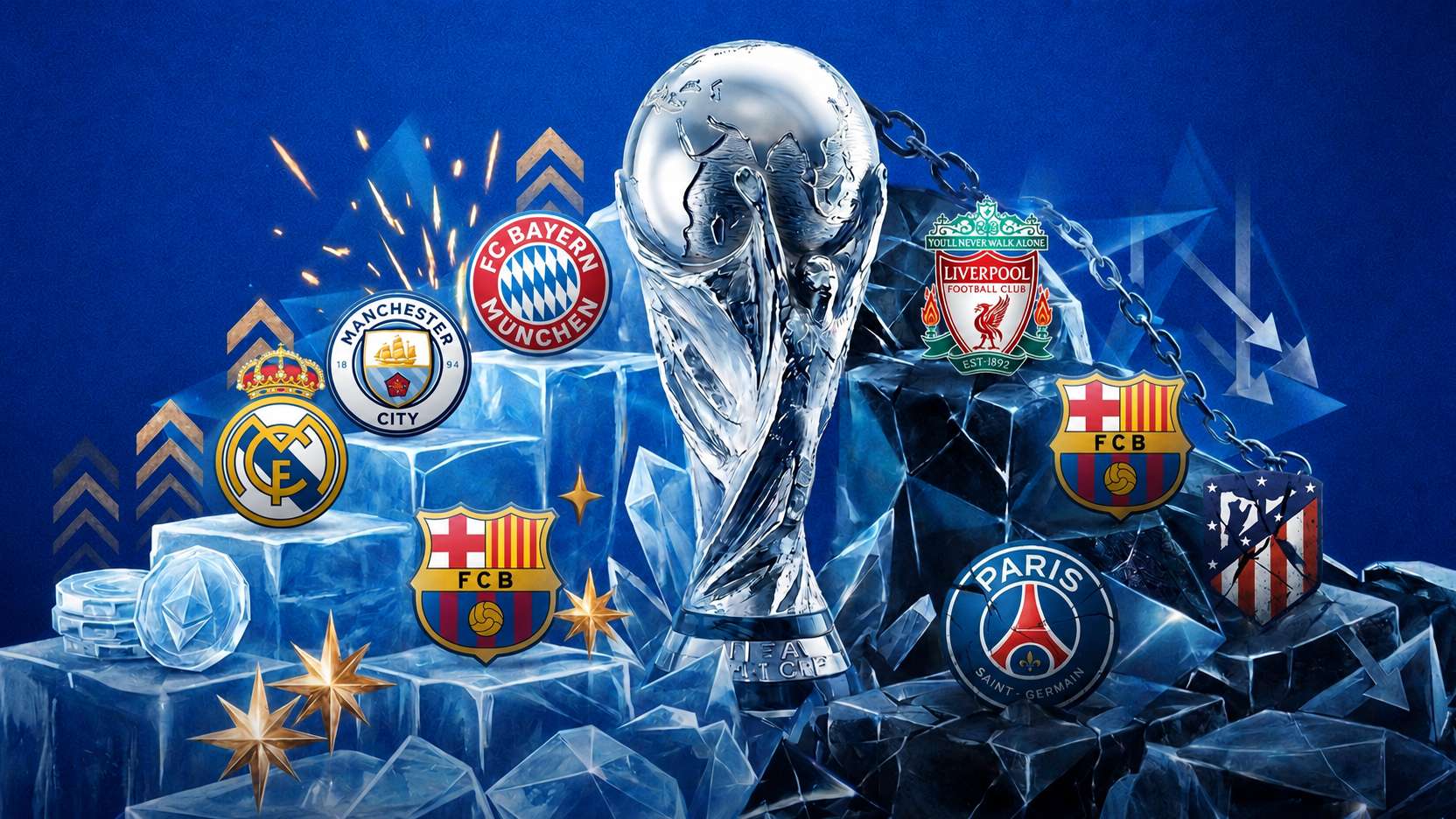
The 2026 World Cup delivered Spain a trophy, but the tournament's aftermath has created sharply different fortunes across Europe's elite clubs. While some sides capitalized on their players' deep runs, Barcelona emerges as the competition's most complicated winner—laden with exhaustion and fresh injury concerns that could derail their domestic ambitions.
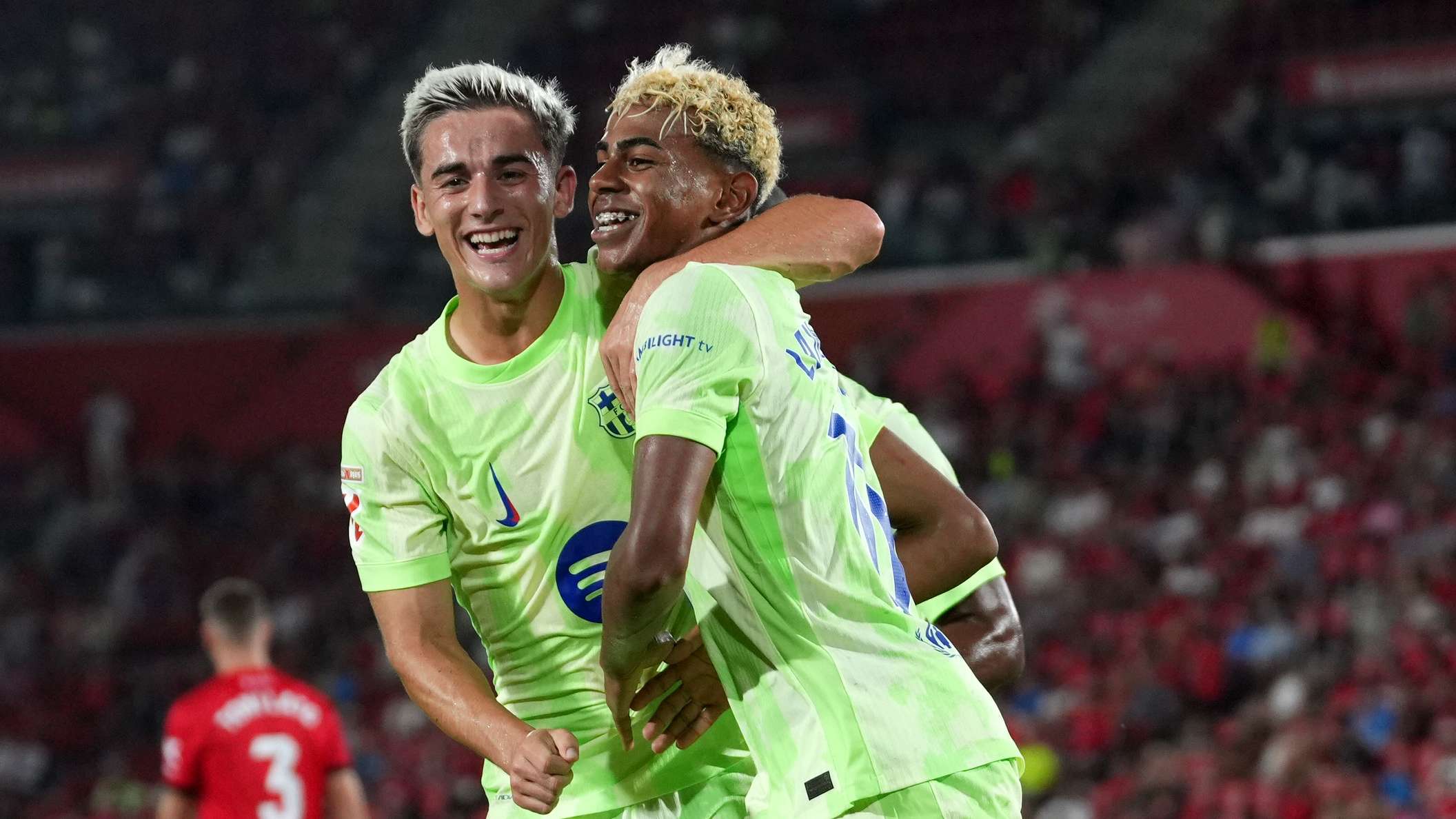
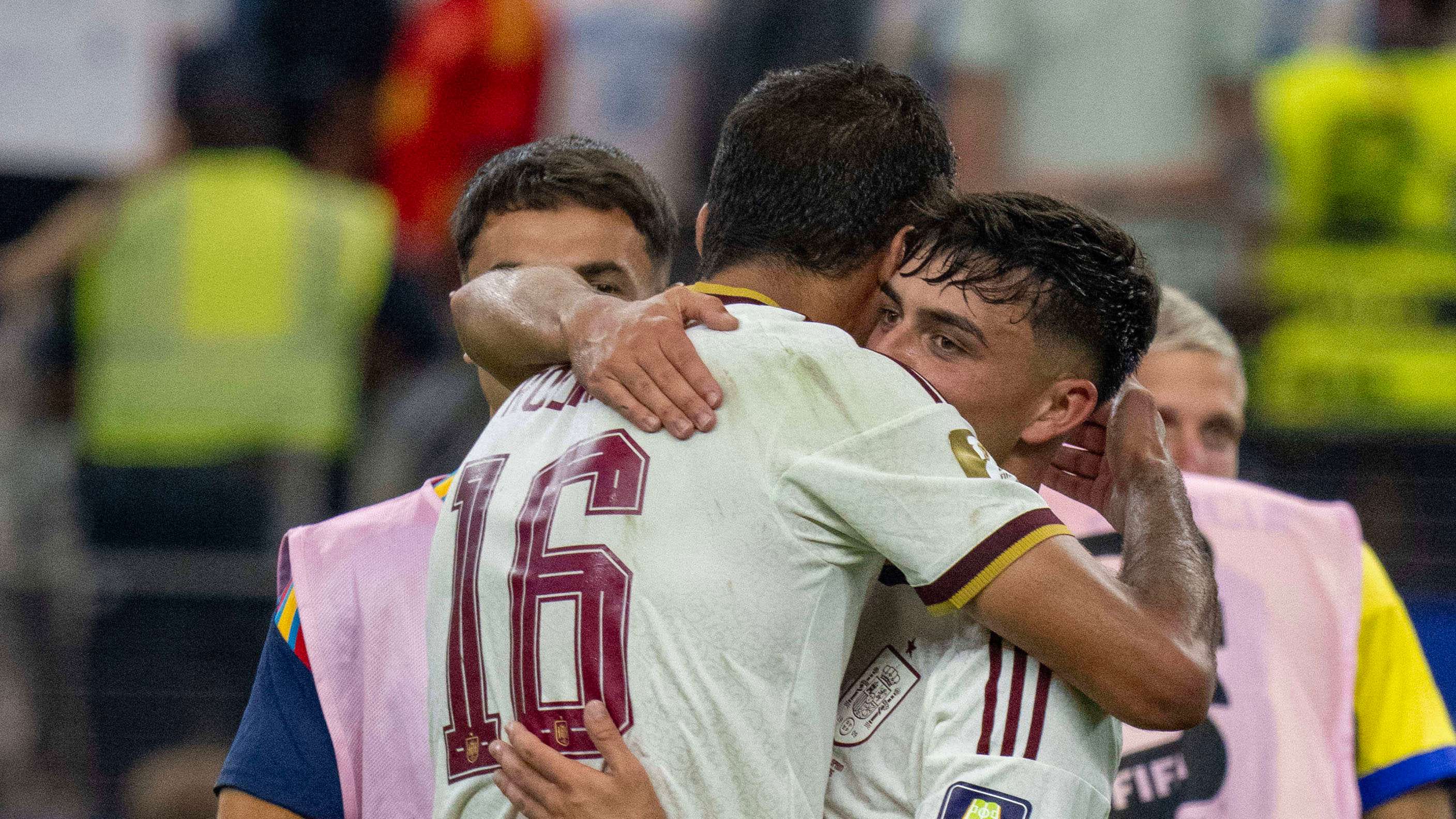
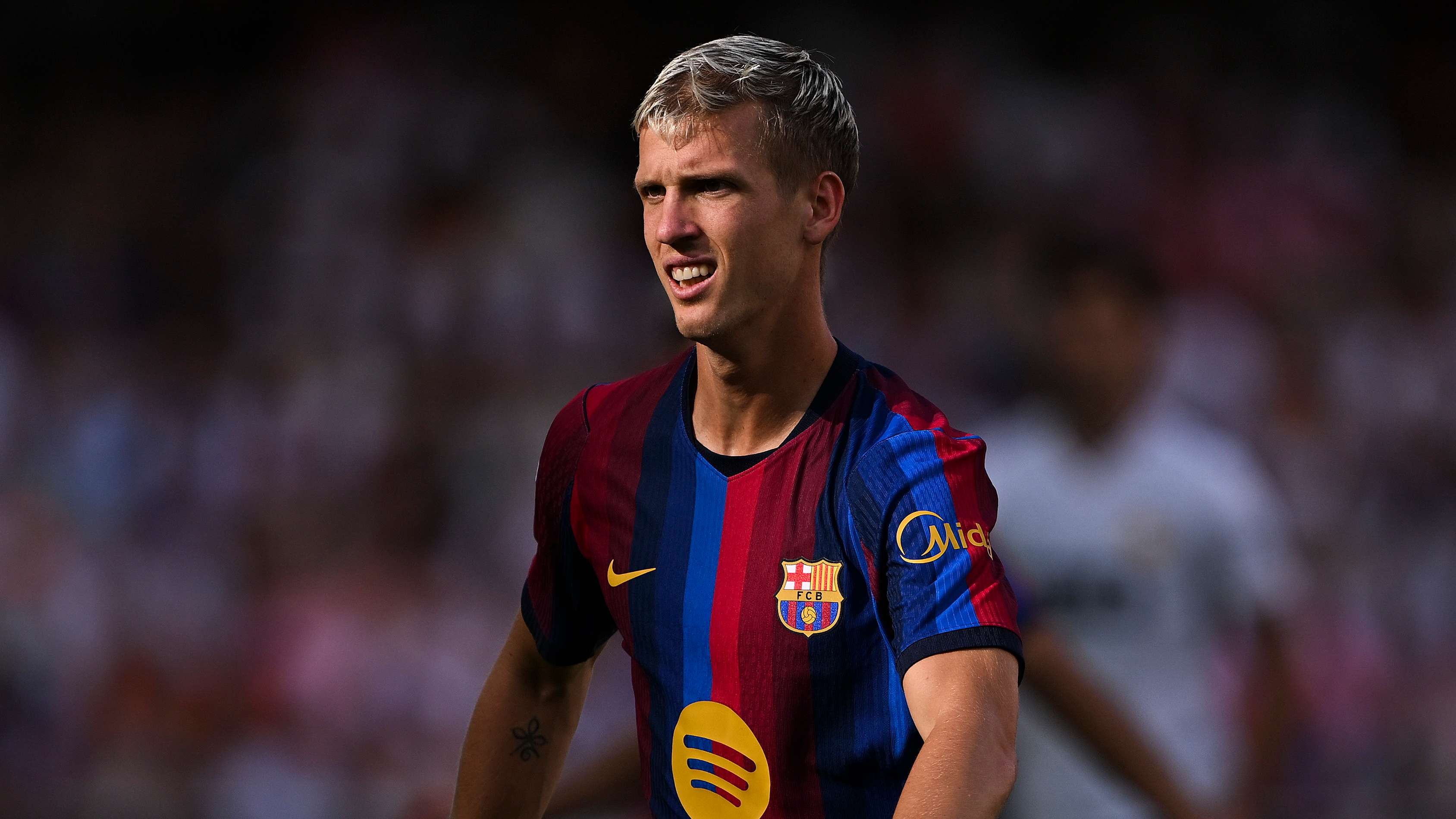
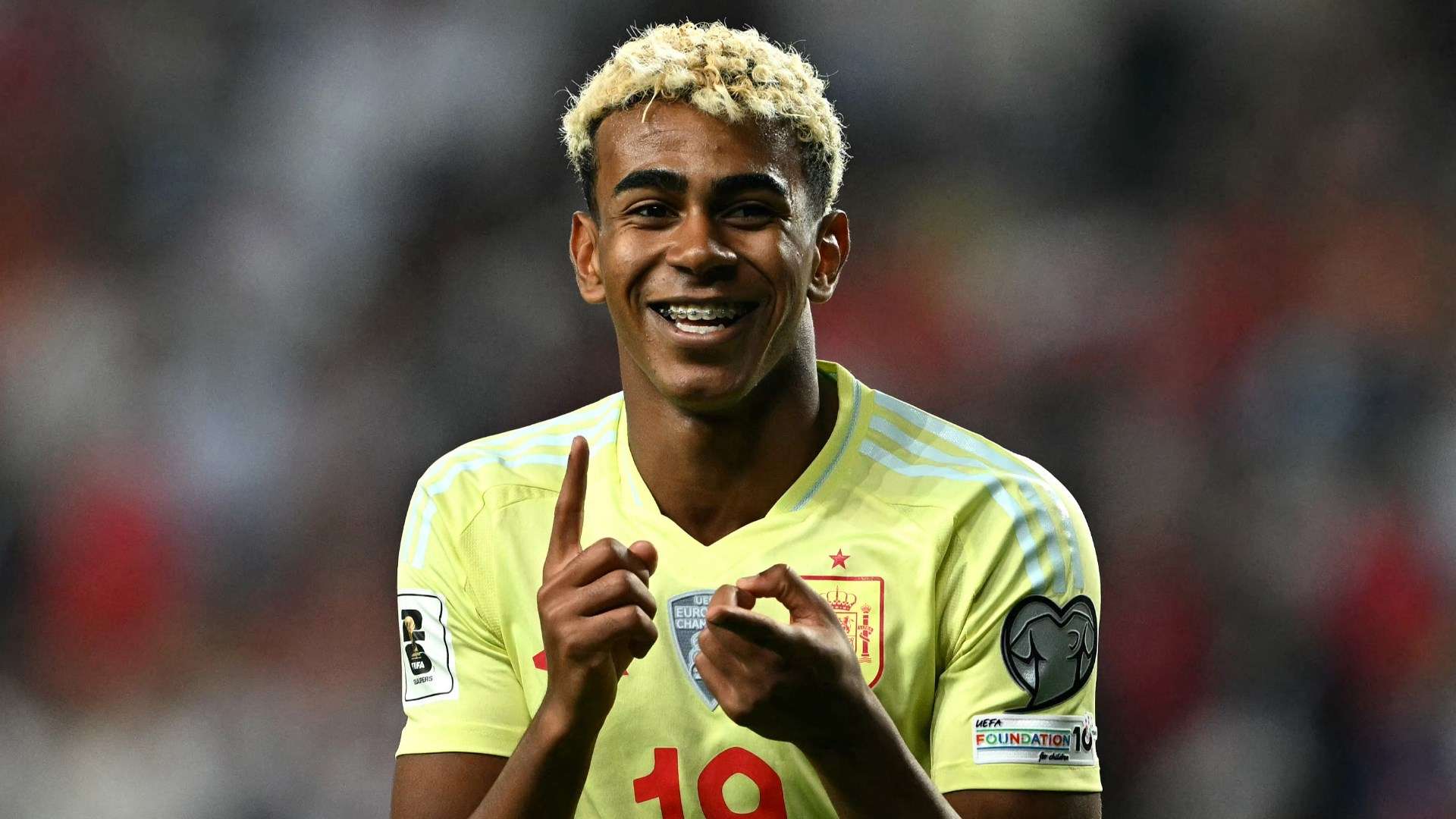
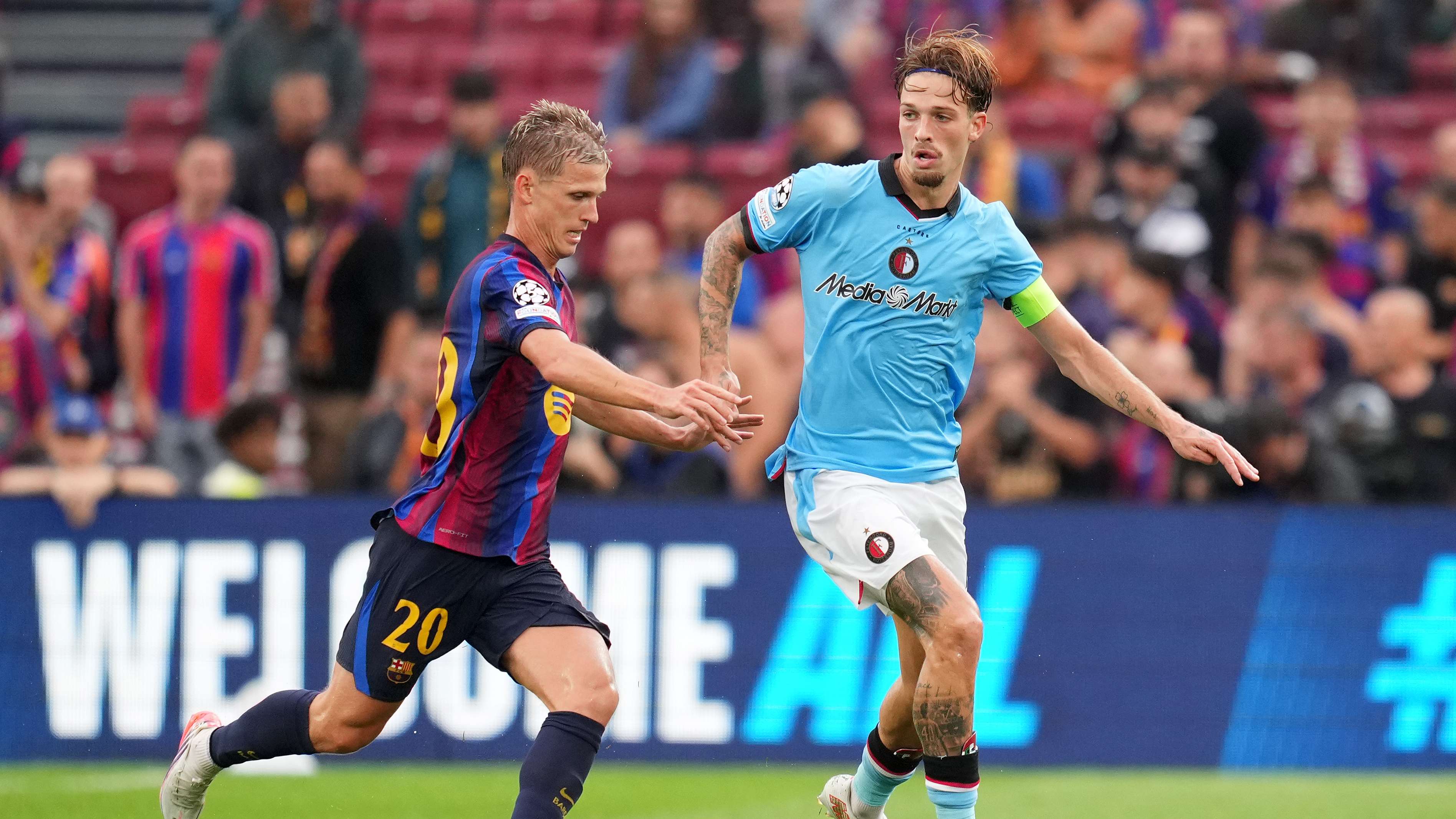
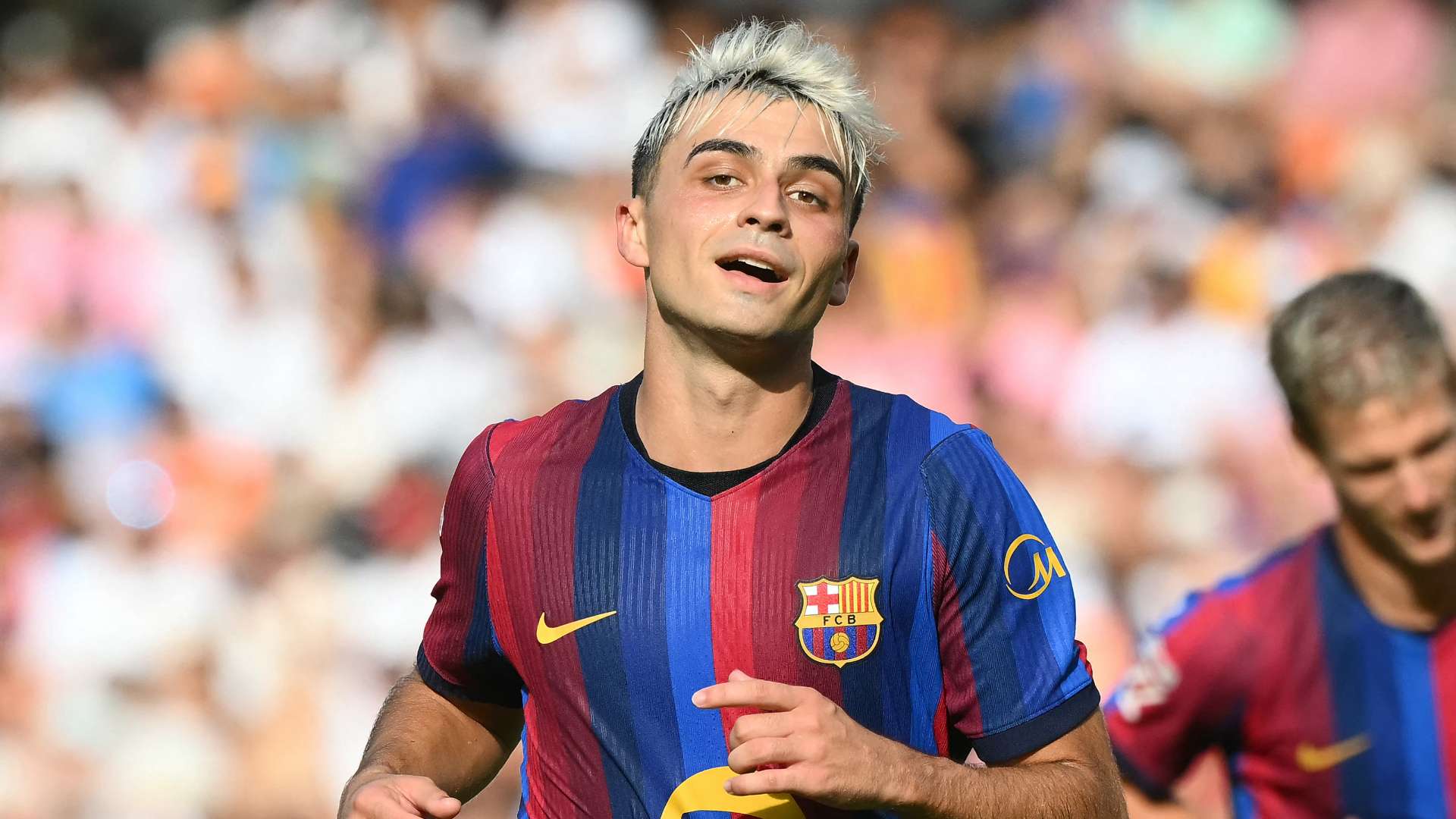
Barcelona entered the 2026 World Cup with 14 players, an unprecedented contingent that saw nine reach the tournament's final stages. Ten culés featured in the final itself, including five attacking talents: Pedri González, Pablo Gavi, Dani Olmo, Lamine Yamal, and Ferran Torres in midfield and attack. England's Anthony Gordon and France's Jules Koundé pushed the Catalan representation even deeper into the knockout rounds. This concentration of squad depth at the World Cup came at a steep price.
The Physical and Mental Toll
Heavy involvement in back-to-back knockout matches has left Barcelona's key performers with minimal recovery time before the new season. Players who contested the final and semifinals faced just days of rest before pre-season demands begin in earnest. The compressed calendar—particularly for those who played multiple group matches followed by knockout football—compounds soft tissue injury risk and mental fatigue.
Beyond exhaustion, Barcelona suffered concrete setbacks. Dutch midfielder Frenkie de Jong sustained a knee injury during World Cup action, sidelining him for an estimated four to five months according to reports. His absence removes defensive midfield stability precisely when Barcelona rebuild under new tactical directions. Brazilian winger Raphinha faces a psychological challenge after an underwhelming tournament display, compounded by recurring injury problems and personal complications made public during the competition.
Winners and Losers Across Europe
The World Cup created a two-tier outcome structure across elite clubs. Real Madrid and other sides with moderate representation avoided the dual burden of fatigue and injury concentration that Barcelona now manages. Meanwhile, Saudi Arabian clubs Al-Nassr and Al-Ahli saw limited World Cup exposure, leaving them fresher but starved of the prestige and match sharpness that tournament football provides.
Barcelona's predicament illustrates a modern footballing paradox: squad success on the global stage can undermine club readiness. With de Jong sidelined and their attacking contingent running on fumes, the Blaugrana face a critical summer of strategic management to bridge the gap between World Cup glory and domestic competition readiness ahead of the 2026-27 campaign.