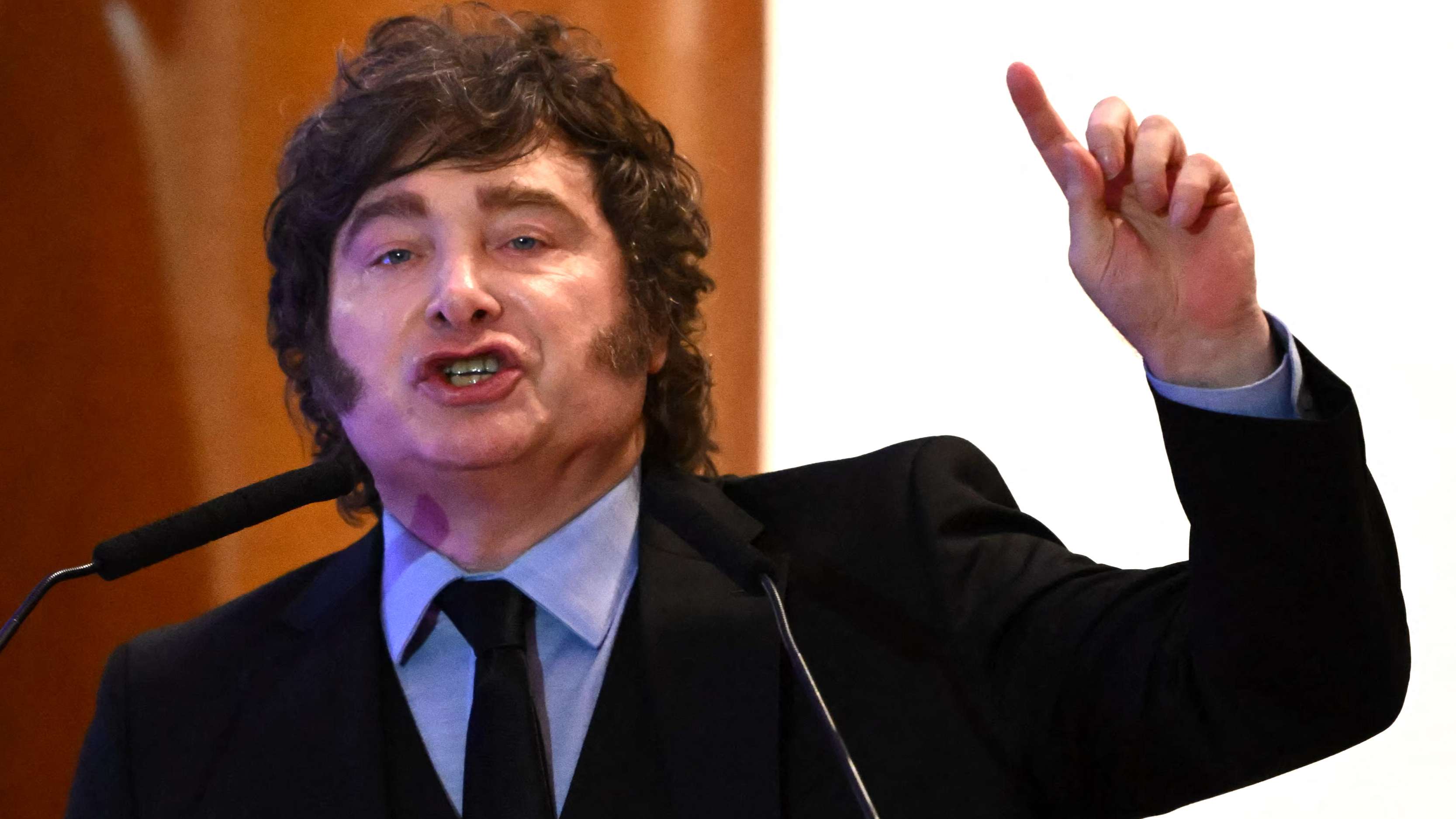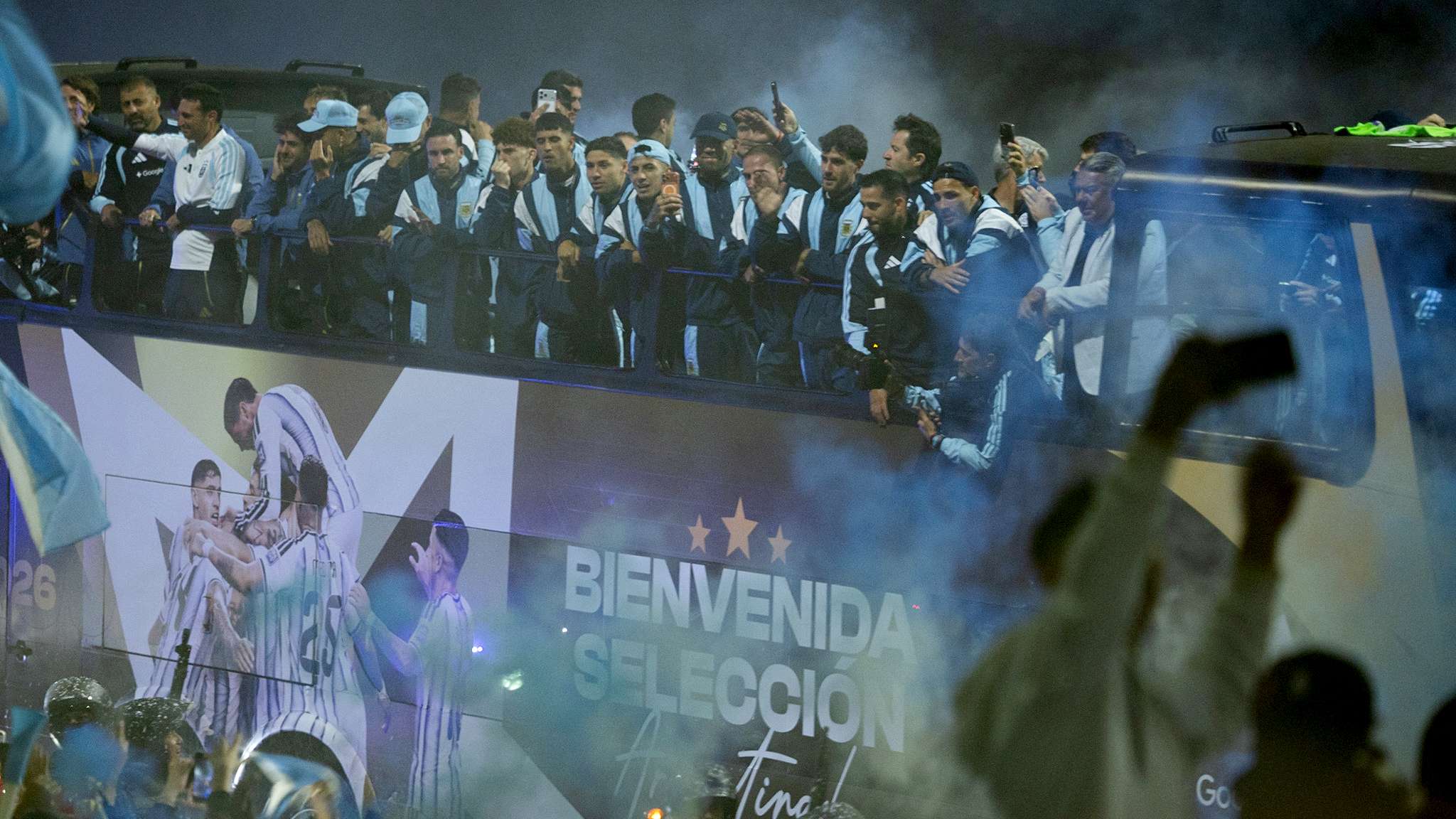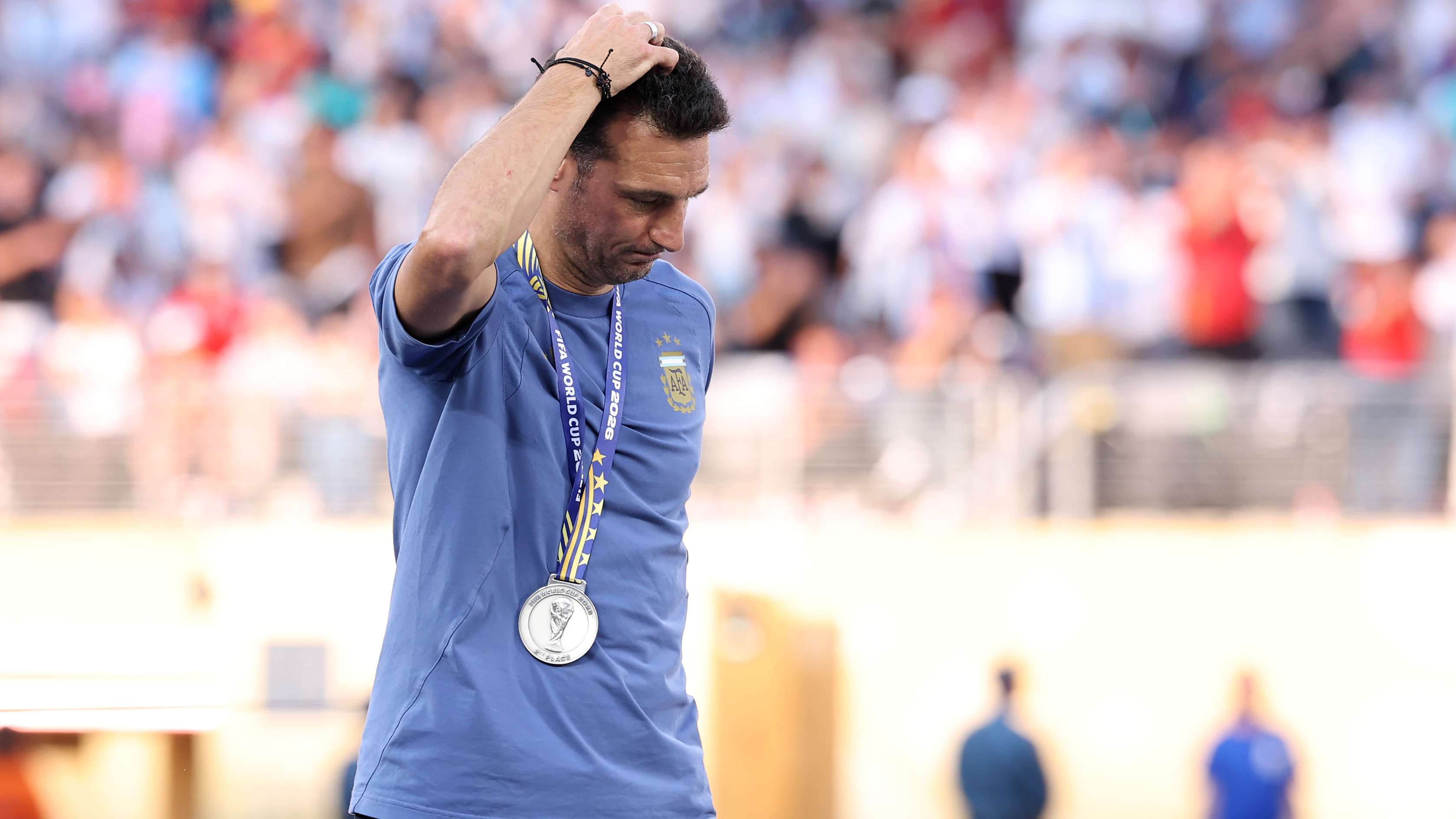
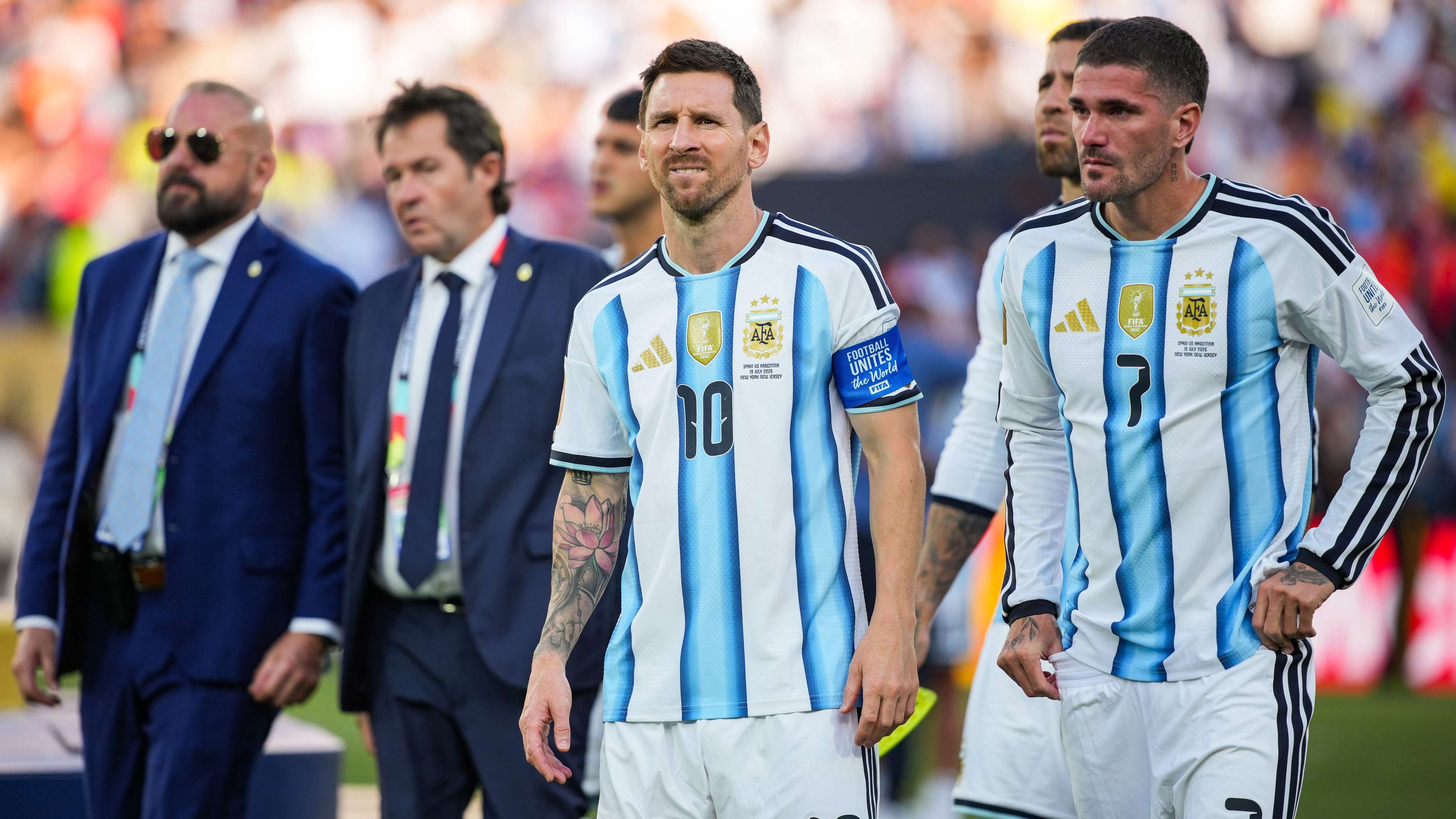
Argentina's president Javier Milei announced a surprise national holiday to honour the country's World Cup campaign in North America, despite the team's 1-0 extra-time defeat to Spain in the final. The decision grants the squad and coaching staff the unusual privilege of selecting the exact date for celebrations, a move that sparked significant public debate about honouring a runners-up finish.
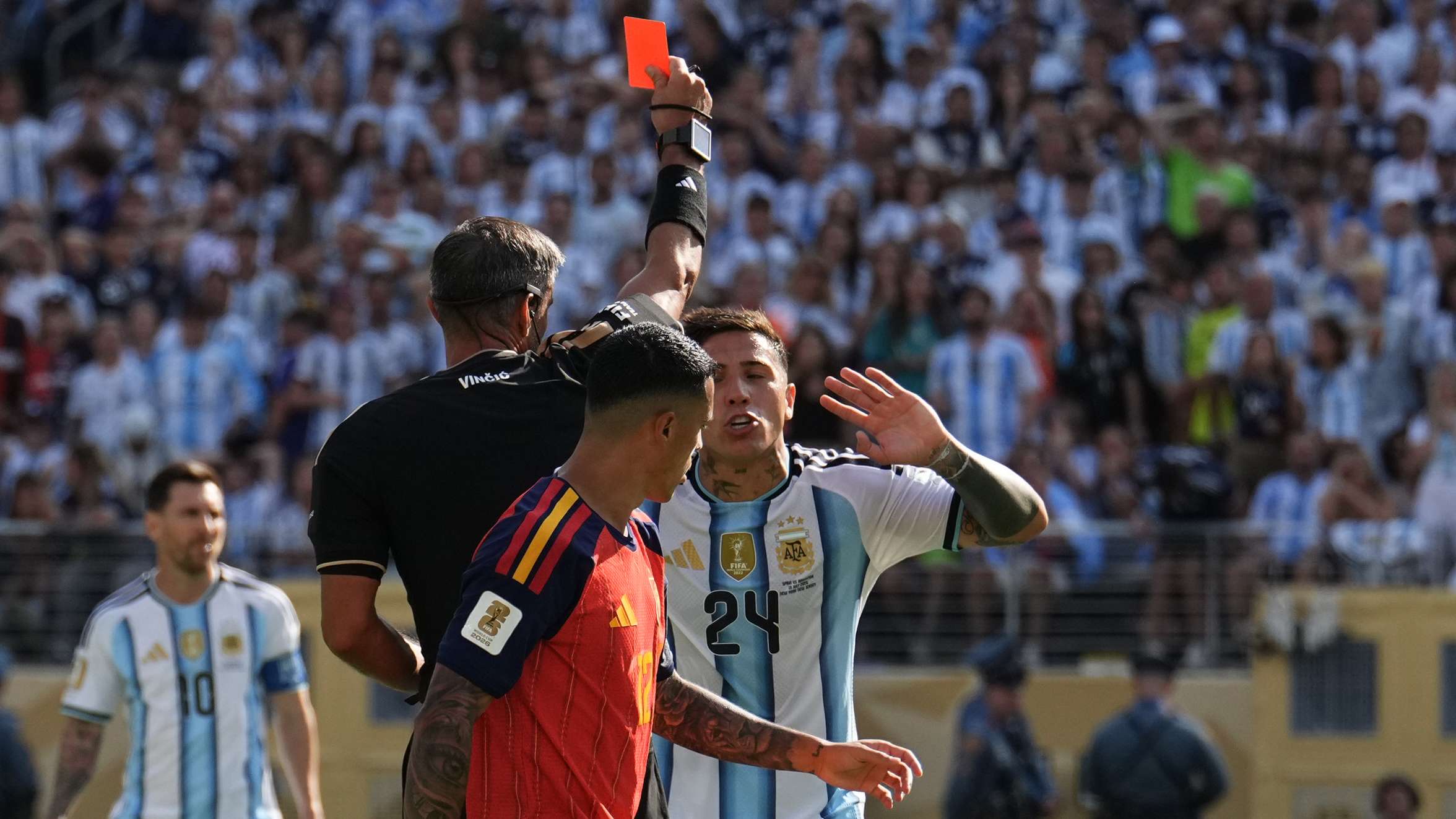
The Albiceleste suffered a disappointing loss to a Ferran Torres strike in New York, managing neither a shot on target nor a commanding performance throughout the showpiece event. Under manager Lionel Scaloni, Argentina failed to retain their world crown, marking a dramatic shift from their triumphant 2022 campaign in Qatar. The squad's inability to register even a single attempt on goal raised questions about tactical approach and execution against Spain's organised defence.
Public Reaction and Presidential Justification
Milei's announcement triggered widespread confusion among Argentine citizens, with many questioning whether celebrating a second-place finish was appropriate. Some residents even suspected a technical error in the government's statement. The president, who did not attend the final due to his superstitious beliefs, defended the honour in a post on X: "Thank you so much, players. [We fought] until the end with our boots on. Argentina always at the top." This sentiment echoed national pride despite the outcome, framing the campaign as a demonstration of resilience rather than failure.
Several supporters argued that players would prefer redirecting energy toward their respective clubs rather than participating in a parade for a runner-up finish. The debate reflects deeper questions about how nations commemorate tournaments where their teams fall short of ultimate success—a rare situation for a side that won two Copa América titles and a World Cup in quick succession.
Transition Ahead for Argentina Football
The coaching staff now faces the challenge of rebuilding around younger talent as the veteran core, including Lionel Messi, approaches retirement from international football. At 39, the Inter Miami star has not formally confirmed whether he will step away from Argentina duty, though expectations suggest the 2024 World Cup represented his final tournament. The federation must balance respecting the achievements of this generation while developing fresh players capable of sustaining competitive standards in future qualifiers and continental competitions. Scaloni's next task involves integrating emerging midfielders and forwards into a system that has dominated South American football for the past two years.