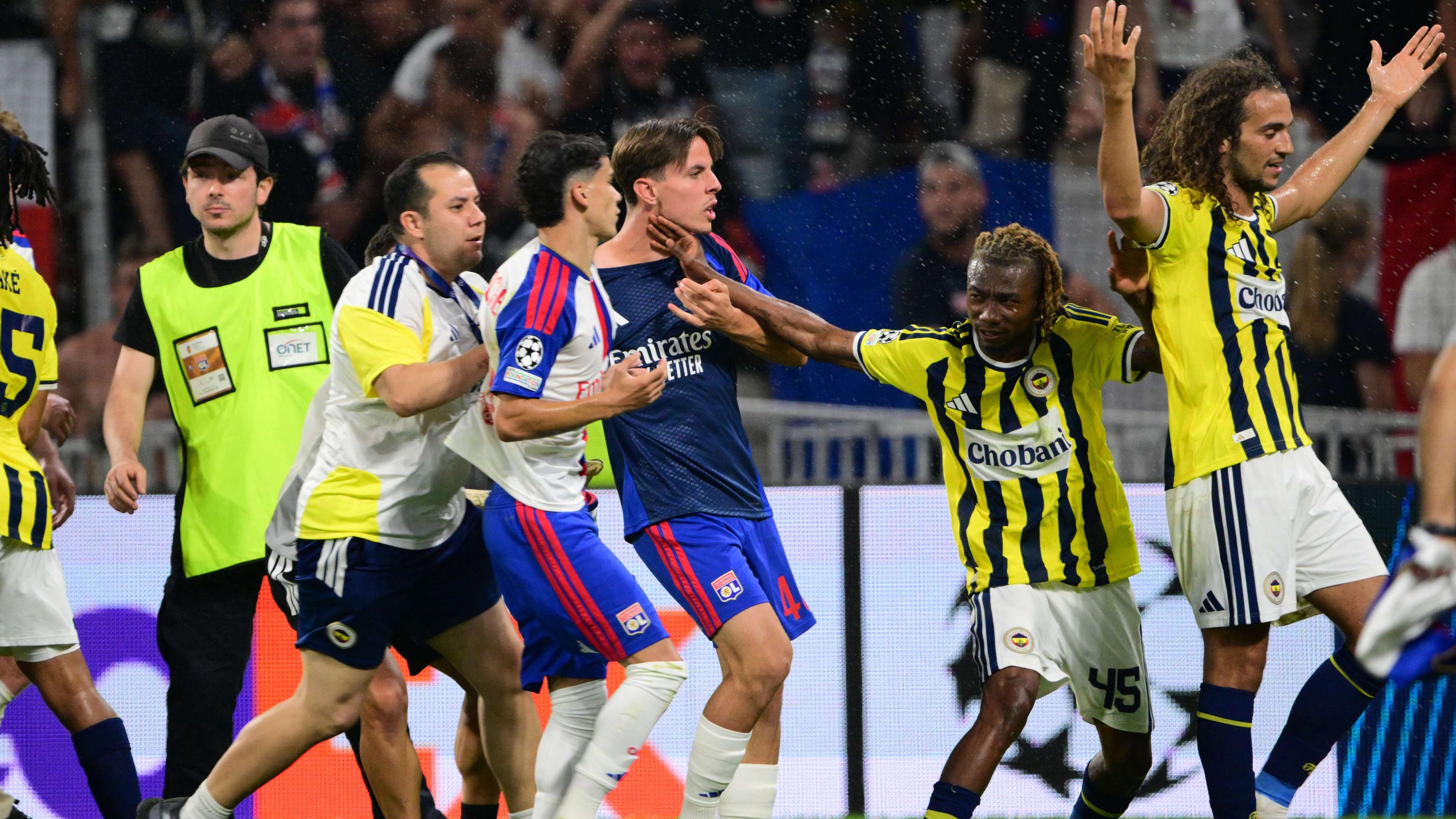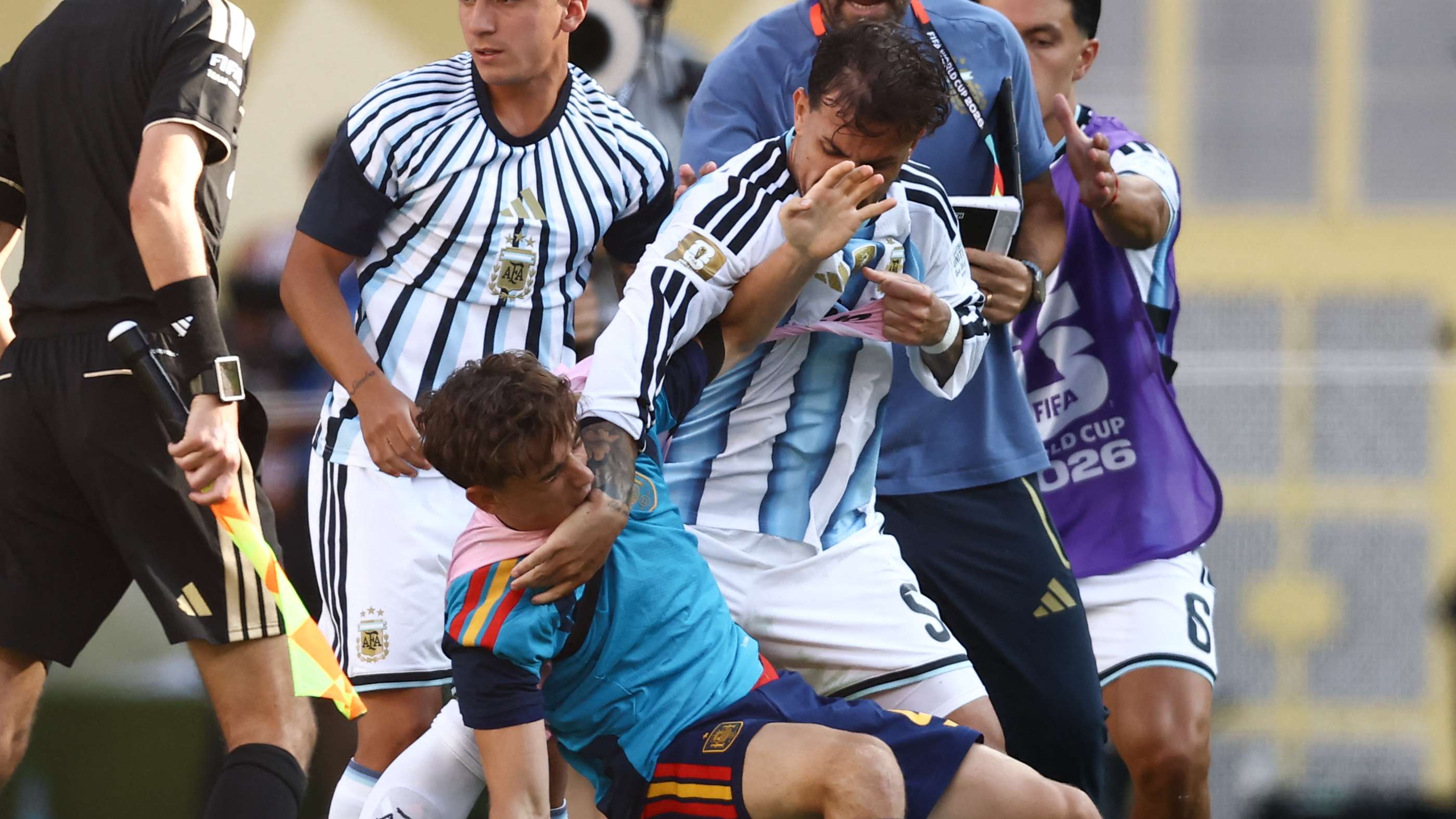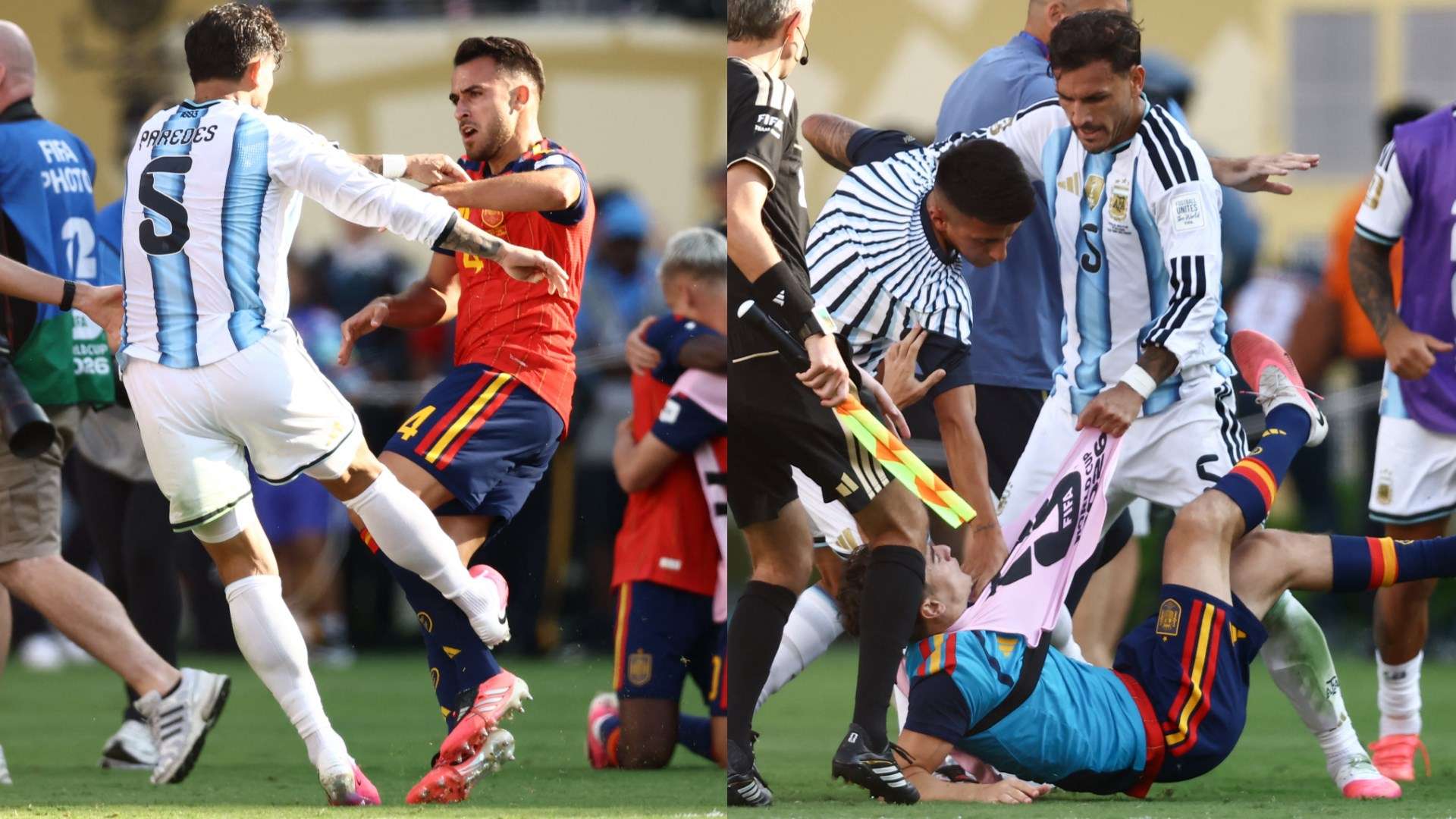
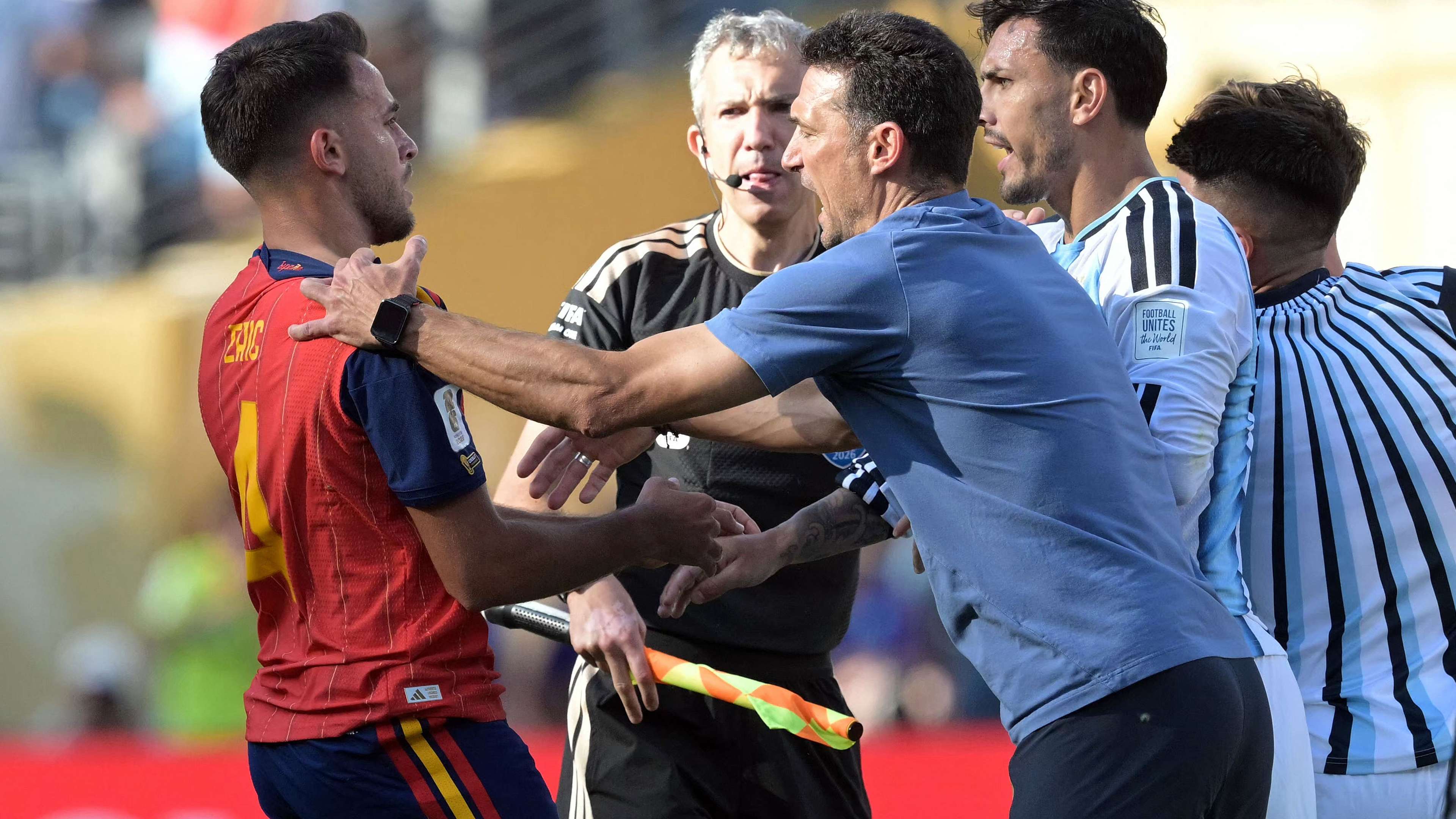
Spain claimed their first World Cup title since 2010 in a fiercely contested final against Argentina, but celebrations were marred by heated exchanges on the pitch. As the final whistle confirmed La Roja's victory, several Argentina players rushed toward their opponents in confrontational gestures. Manager Lionel Scaloni stepped in quickly to prevent the situation from escalating further, playing peacemaker between the two sides.
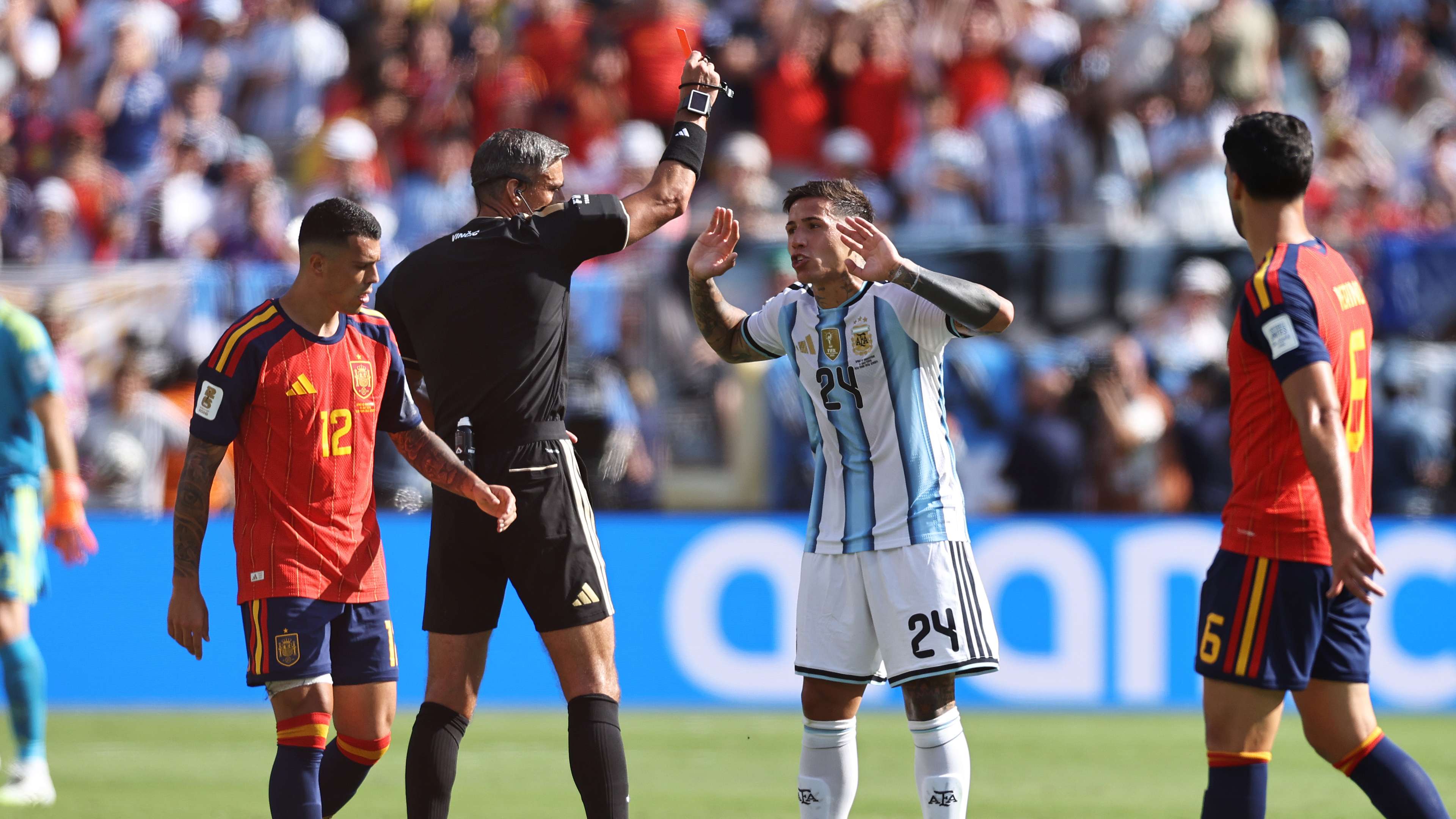
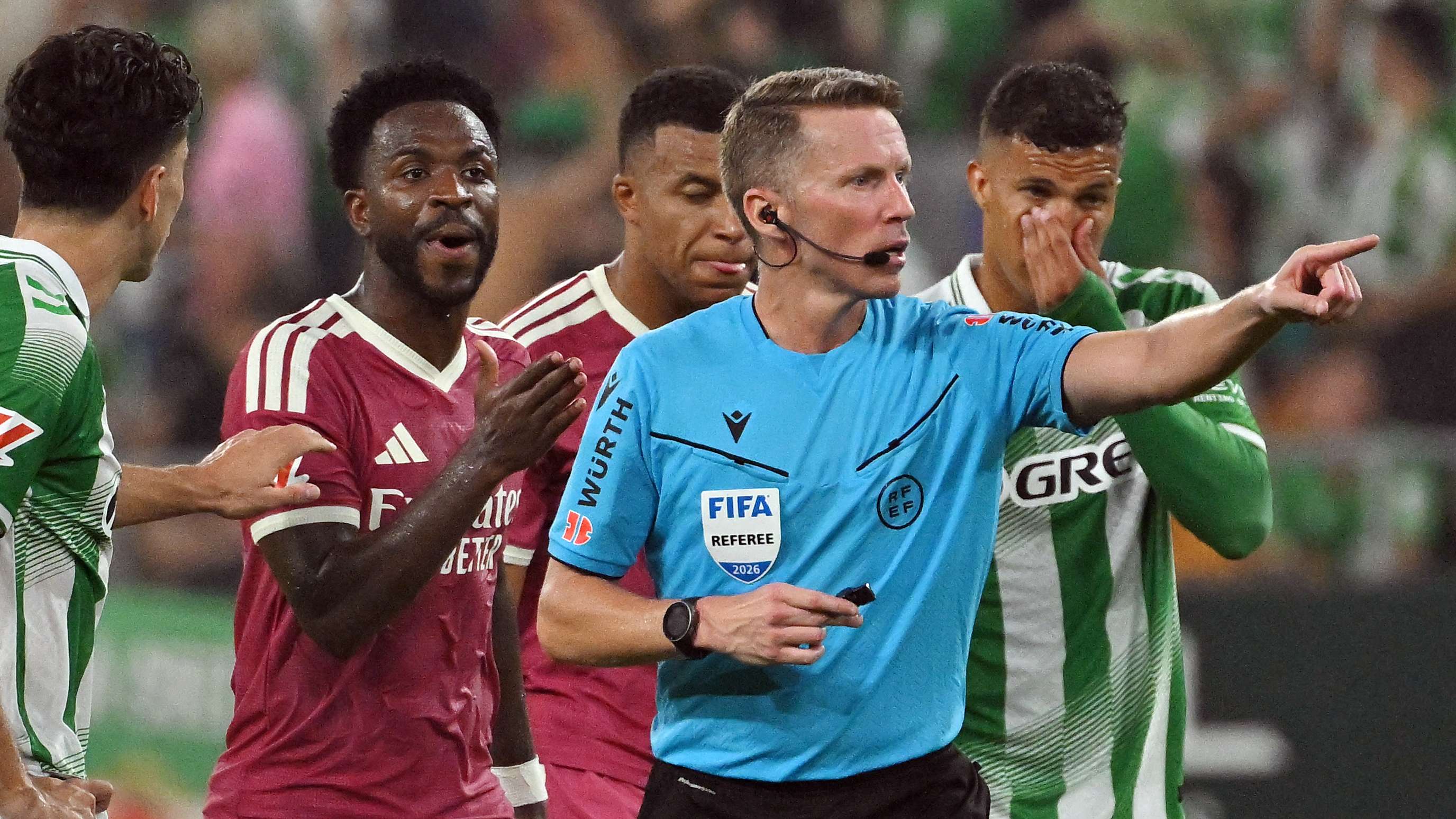
The match itself was defined by its physical intensity rather than technical quality. Referees issued a combined 50 fouls throughout the contest, with Argentina accumulating four yellow cards and midfielder Enzo Fernandez receiving a red card in the final moments of extra time. This disciplinary tally reflected how brutally the game was contested, often sacrificing entertaining football for aggressive, combative play.
Tactical Mismatch Favours Spain
Argentina's aggressive approach failed to translate into scoring opportunities. Scaloni's side managed just two shots across 120 minutes—neither threatening the Spanish goalkeeper. They registered zero shots during the opening 105 minutes and created only eight touches inside Spain's penalty area. This sterile attacking performance contrasted sharply with La Albiceleste's reputation as an offensive force in international football.
Spain's dominance was evident in their attacking statistics. La Roja generated 20 shots with 12 on target and accumulated 31 touches in Argentina's box, demonstrating superior ball control and attacking structure throughout the encounter. The possession-based, methodical approach of Spanish football proved decisive against Argentina's more direct style.
The victory represents a remarkable resurgence for Spanish football after 16 years without a World Cup crown. For Argentina, the loss raises immediate questions about the future involvement of football icon Lionel Messi in the national team setup, potentially signalling a generational shift for La Albiceleste as they plan for the next World Cup cycle.