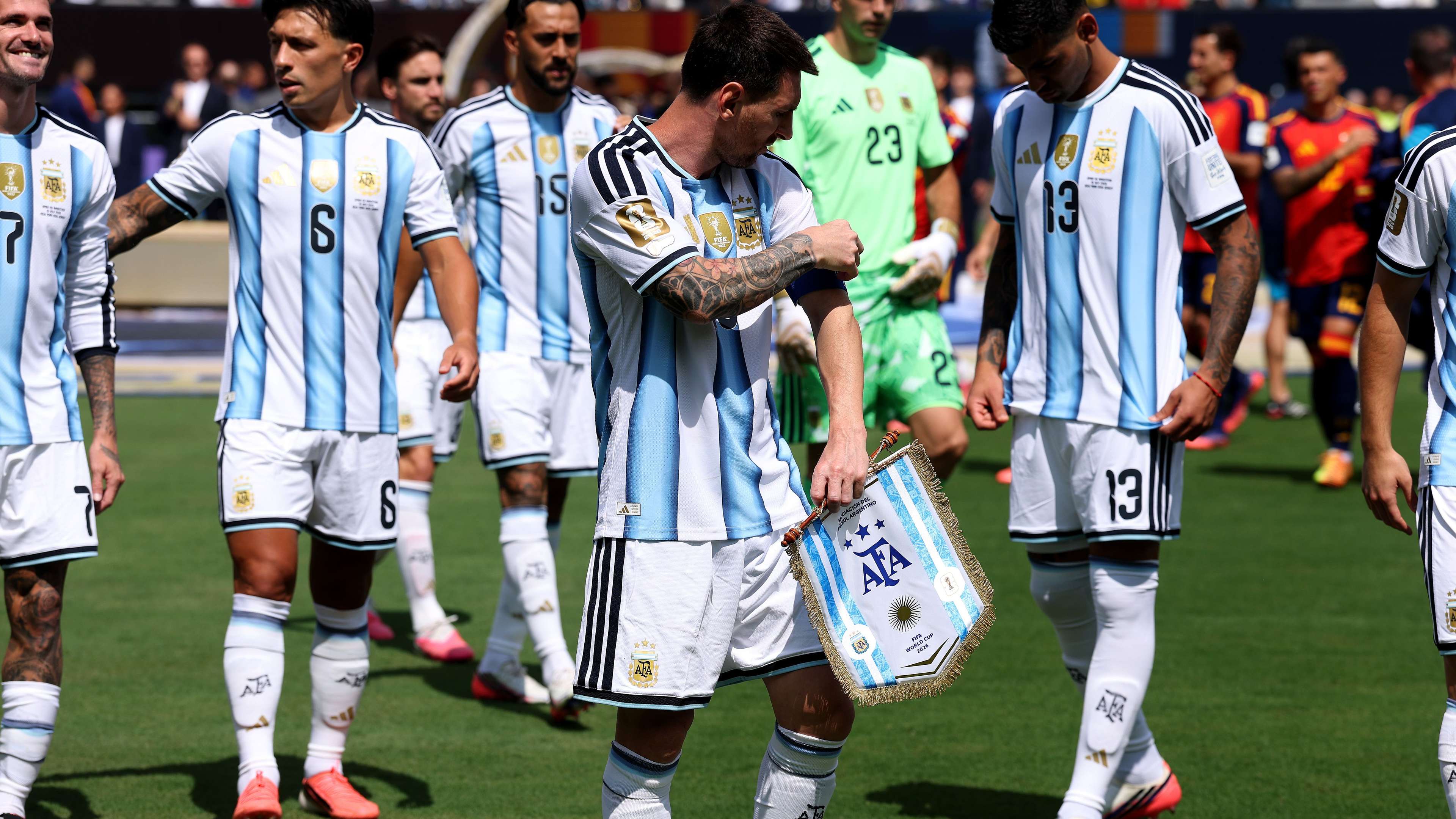

Sunday's World Cup final between Spain and Argentina in New Jersey will showcase two contrasting footballing philosophies: La Roja's disciplined, technically superior collective system versus the Albiceleste's spirited, star-driven approach. Both teams earned their place through dominant performances, with Spain dismantling France in the semi-finals and Argentina overcoming England with late heroics orchestrated by Lionel Messi. The trophy's destination hinges on six critical individual and positional matchups that will define the contest.
Midfield Control: Rodri vs Fernández and Mac Allister
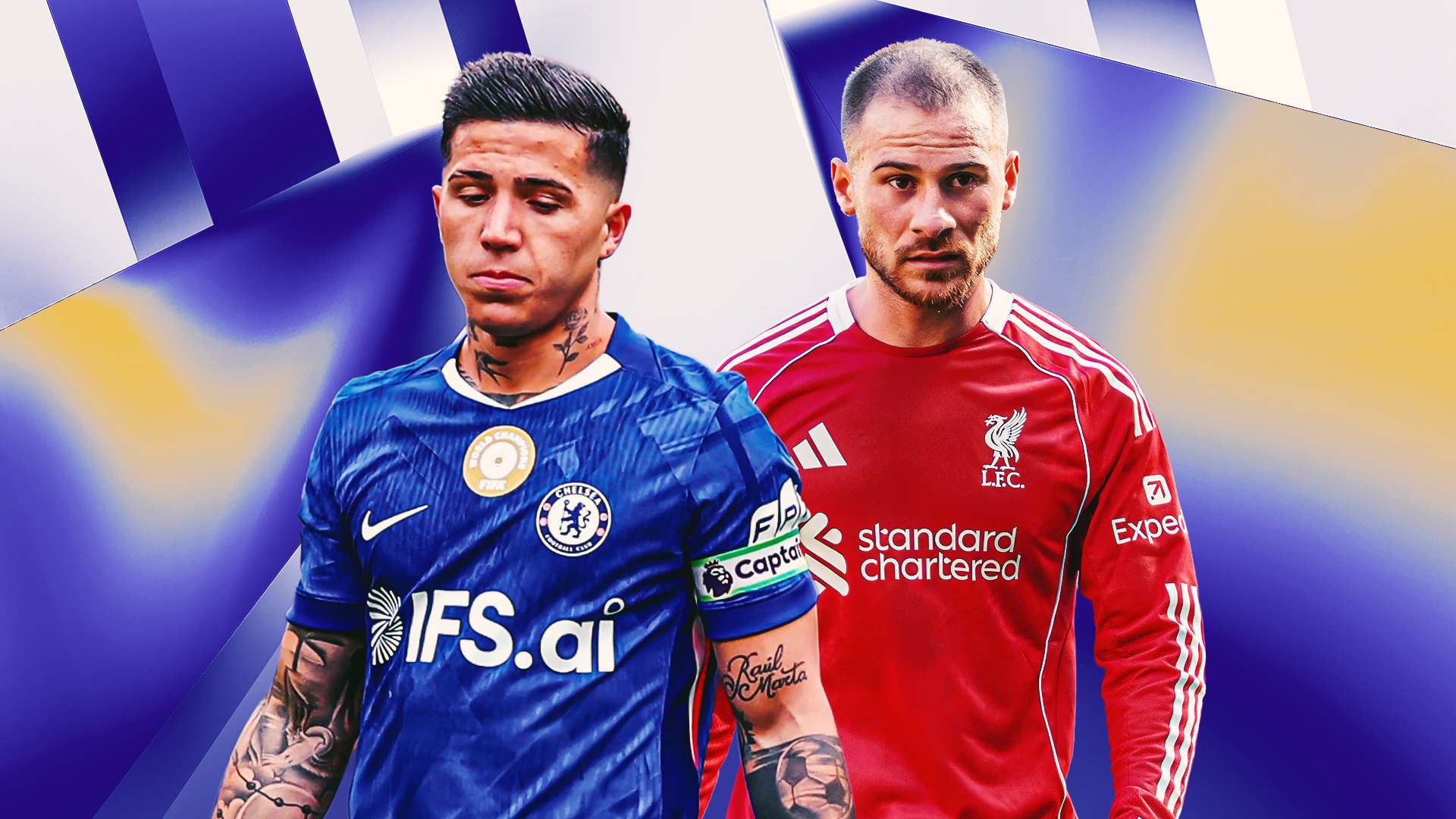
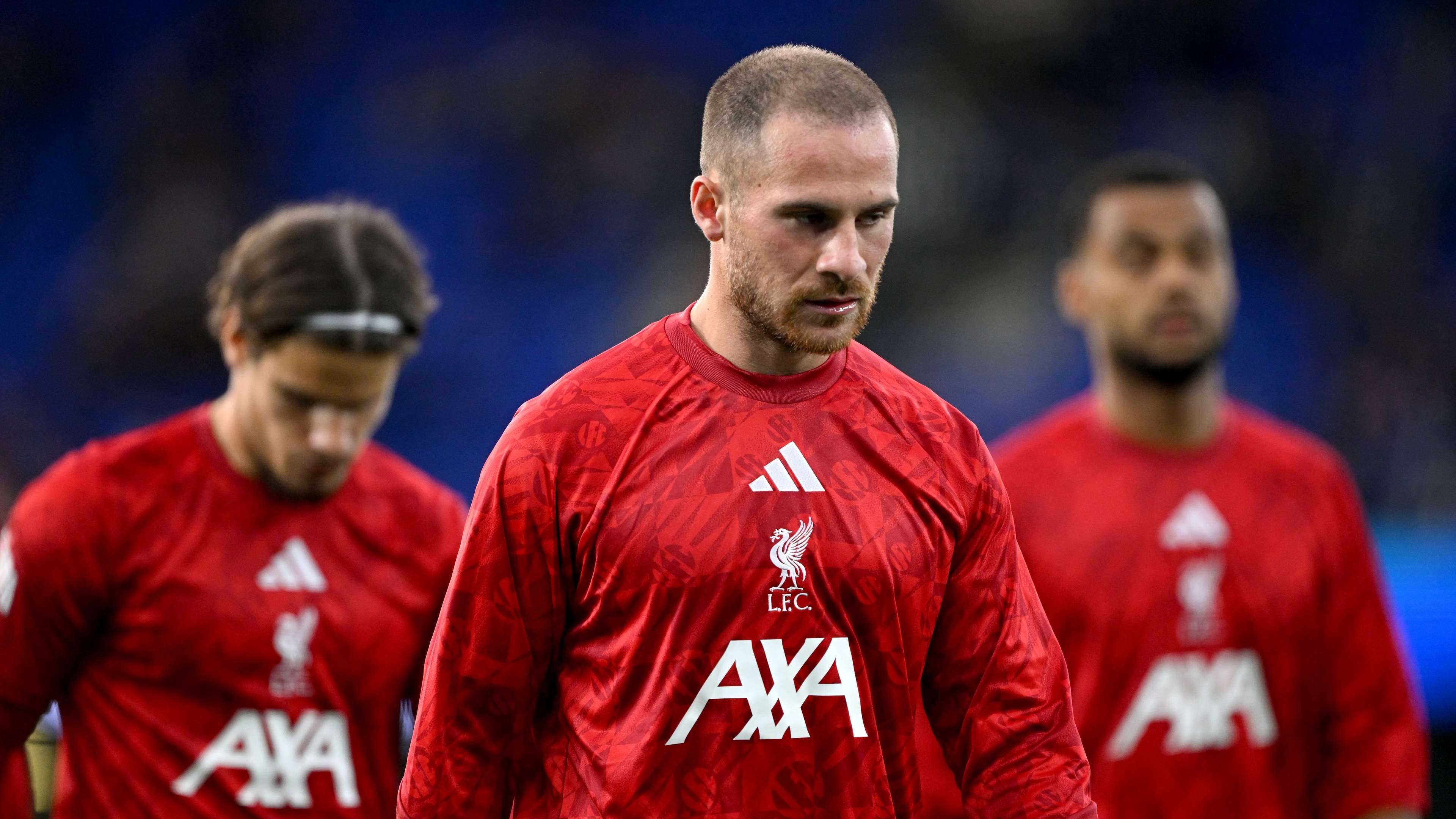
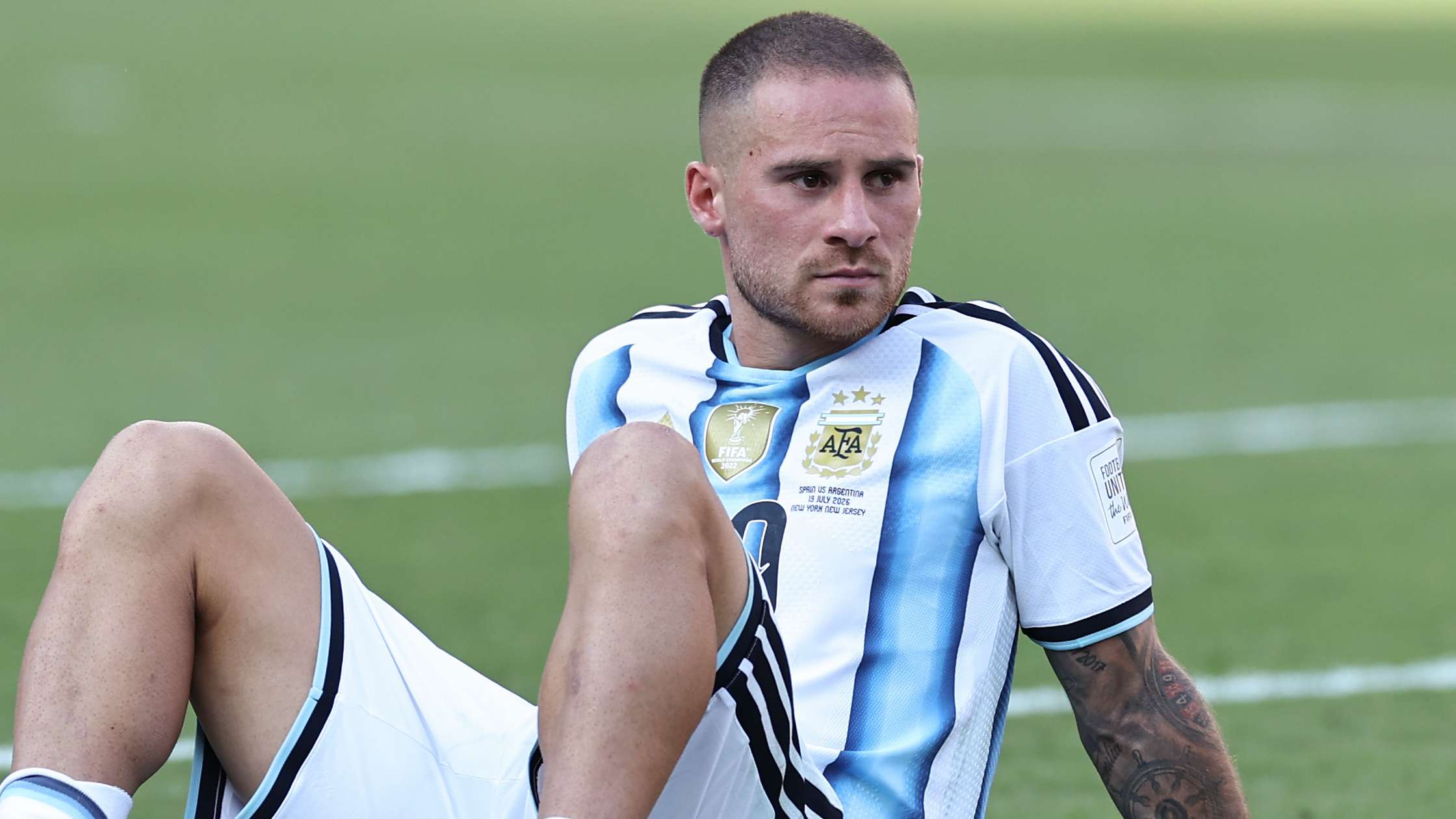
Rodri, the Manchester City midfielder and Ballon d'Or winner, proved decisive against France with a masterclass performance. His ability to dictate tempo and control possession from deep positions gives Spain a structural advantage. Argentina's midfield pairing of Enzo Fernández and Alexis Mac Allister must apply relentless pressure to disrupt Rodri's rhythm. Both Argentine midfielders have demonstrated attacking capability—Fernández scored crucial goals against Egypt and England, while Mac Allister created dangerous chances in the semi-final. However, their success depends entirely on closing Rodri down quickly; allowing the Spain captain space will prove catastrophic for Argentina's defensive shape.
The battle for midfield supremacy will determine which team controls possession and transitions. If Spain's engine room runs smoothly, their superior technical quality across the pitch becomes nearly impossible to counter. Conversely, if Argentina suffocates the middle third early, they can unleash their forwards on dangerous breaks.
Goalkeeping: Experience Against Excellence
Spain's Unai Simón has been exceptional defensively, conceding just one goal throughout the tournament. Yet the understated Barcelona keeper has faced minimal genuine pressure, raising questions about how he performs under World Cup final scrutiny. Emiliano Martínez, by contrast, has shipped seven goals but possesses proven big-match temperament. His shot-stopping ability and gamesmanship—whether supporters admire or despise it—make him a formidable presence. This final will test Simón in ways previous matches have not, while Martínez's mental fortitude could prove decisive in crucial moments.
Historical context matters here: Argentina last won a World Cup in 1986, while Spain captured the trophy in 2010. Since Brazil's back-to-back victories in 1958-1962, no team has successfully defended the title—Argentina will attempt to become only the second to do so.
Attacking Threats and Defensive Vulnerabilities
Spain's attacking prowess, combined with Argentina's tournament-leading goalscorers, creates a fascinating offensive tension. Argentina's strikers will test Spain's defensive organisation relentlessly, while La Roja's relentless pressing and positional play could overwhelm the Albiceleste's back line. Key positioning battles involving fullbacks like Lamine Yamal and Nico Tagliafico will determine offensive flow and defensive stability on the flanks.
The outcome depends on which team controls the narrative early. Spain's patient build-up play and Argentina's direct, counter-attacking style represent fundamentally different tactical philosophies. Whichever team imposes its system will likely lift the trophy in New Jersey.