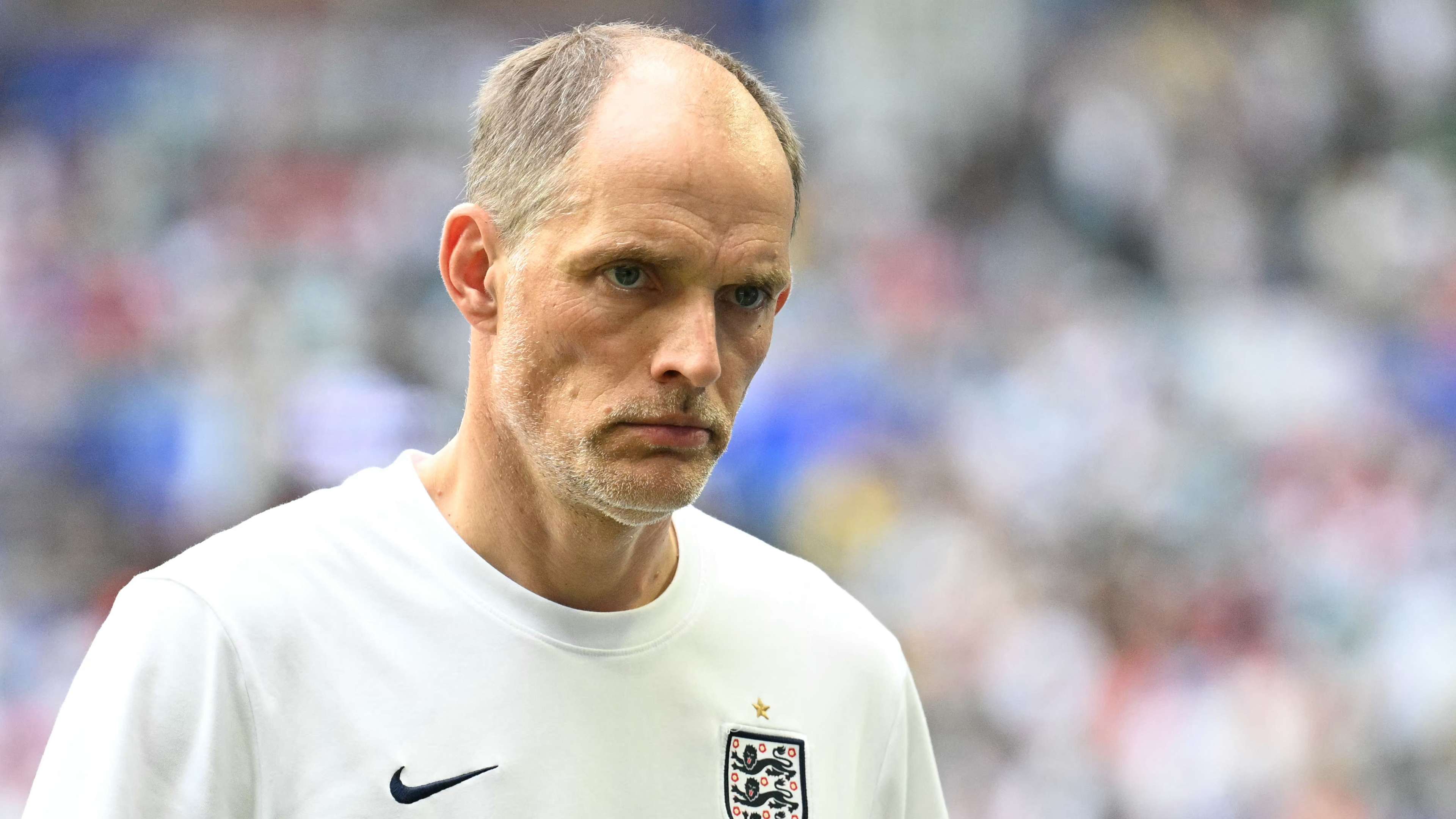
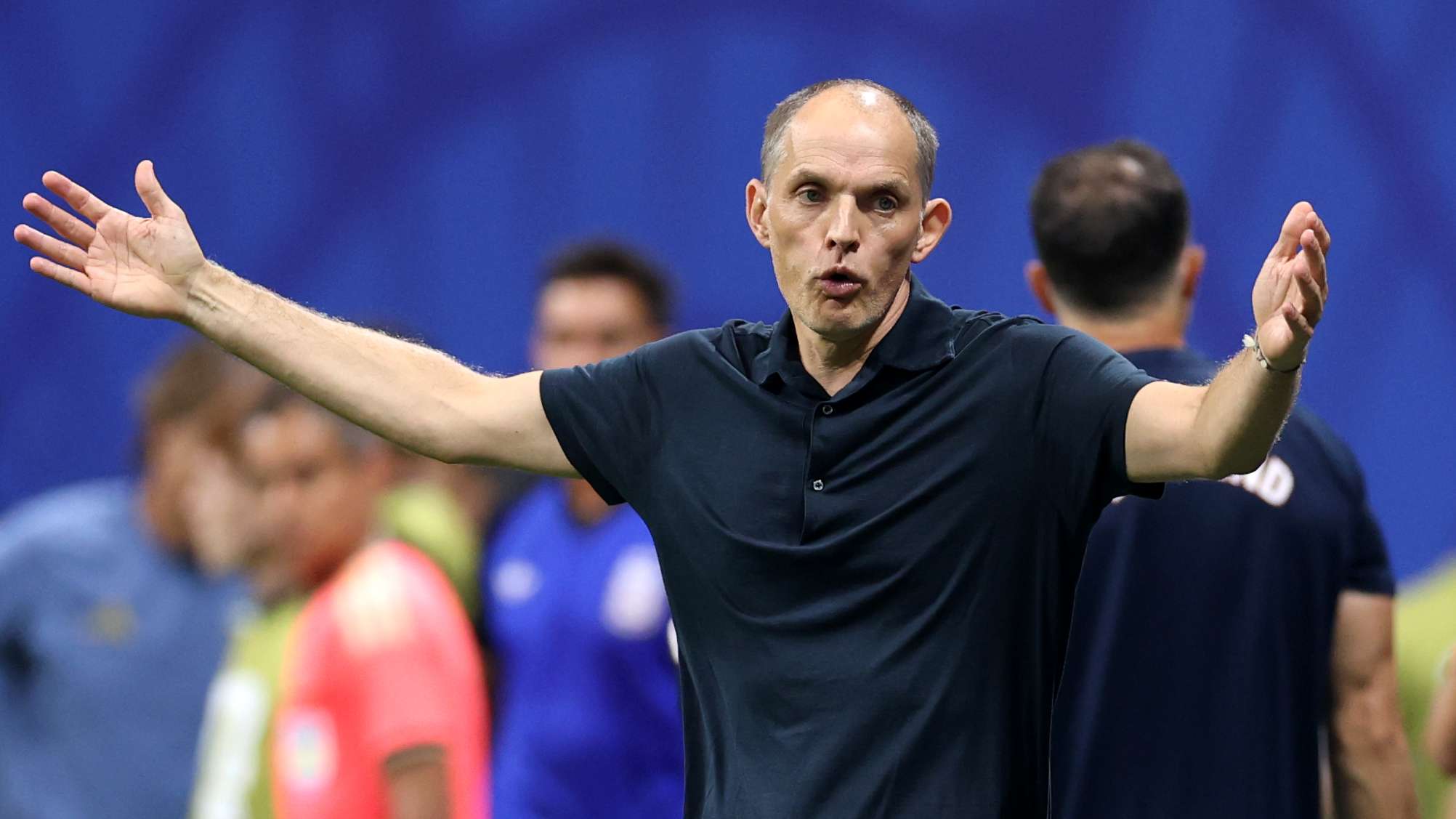
Davor Suker, Croatia's legendary striker, has launched a fierce critique of Thomas Tuchel's dismissive stance toward the World Cup third-place play-off between England and France. The German manager's comments about players lacking interest in competing for bronze have sparked significant backlash from the football community, with Suker using his platform to defend the dignity of international competition.
Tuchel suggested that neither England nor France players wanted to participate in the match, claiming both squads had their hearts set only on reaching the final. "None of our players and none of the French players want to play this match. They want to play the final," the England manager stated. This perspective drew sharp criticism from someone uniquely positioned to understand the value of such fixtures.
A Legend's Defense of Competition
Suker, who led Croatia to a bronze medal finish at France 1998, rejected what he sees as an elitist mentality creeping into international football. Speaking to journalist Tancredi Palmeri, the former Real Madrid forward delivered a pointed message: "The rich don't want to play when they lose." He argued that elite nations with abundant trophy cabinets fail to appreciate the significance such achievements hold for medium and smaller footballing nations.
The World Cup third-place play-off carries historical weight that transcends a single tournament. Suker's own experience vindicated this claim—his 1998 bronze medal remains a point of immense national pride three decades later. "After 1998 and the game against the Netherlands, we fought for third place, and today I can speak about it with pride," Suker reflected. He challenged top football figures to demonstrate humility toward all 211 international federations rather than dismissing competitions as beneath their station.
Looking Beyond the Play-Off
Suker's criticism extended to the broader principle of respect within global football. "My message to them is to be quiet, to respect all 211 participants, and to understand that the world doesn't belong only to them. The world also belongs to the medium-sized nations, the small ones, and those who simply enjoy football." This statement underscores how managerial attitudes shape perceptions of international competition and national pride.
The Croatia legend predicted that whichever team claims third place will eventually treasure that medal, regardless of current sentiment. "Whoever wins third place, I assure you that in 20 years, when they are older, they will certainly remember that bronze medal," he insisted, positioning Tuchel's remarks as short-sighted and dismissive of something that transcends immediate results. His intervention signals growing frustration among football's respected voices over how elite nations and managers treat non-final competition—a reminder that achievement holds meaning across all levels of the beautiful game.