
England's search for a first World Cup trophy since 1966 will extend into 2030, with a fresh generation set to challenge in Spain, Portugal and Morocco. After exiting the 2026 tournament, the Three Lions face significant squad turnover as veteran players step aside, creating opportunities for emerging talent to establish themselves on football's biggest stage.
Goalkeeper and Defence Rebuild
James Trafford appears destined to inherit the England goalkeeper role from Jordan Pickford, who will likely retire from international football after Euro 2028. Pickford's six-tournament run as England's primary keeper has established him among the nation's finest shot-stoppers, but Trafford's inclusion in recent squads despite limited Manchester City appearances signals the FA's confidence in his succession. At 27 during the 2030 World Cup, Trafford will possess both the experience and age profile to manage the considerable pressure of England's No.1 position.
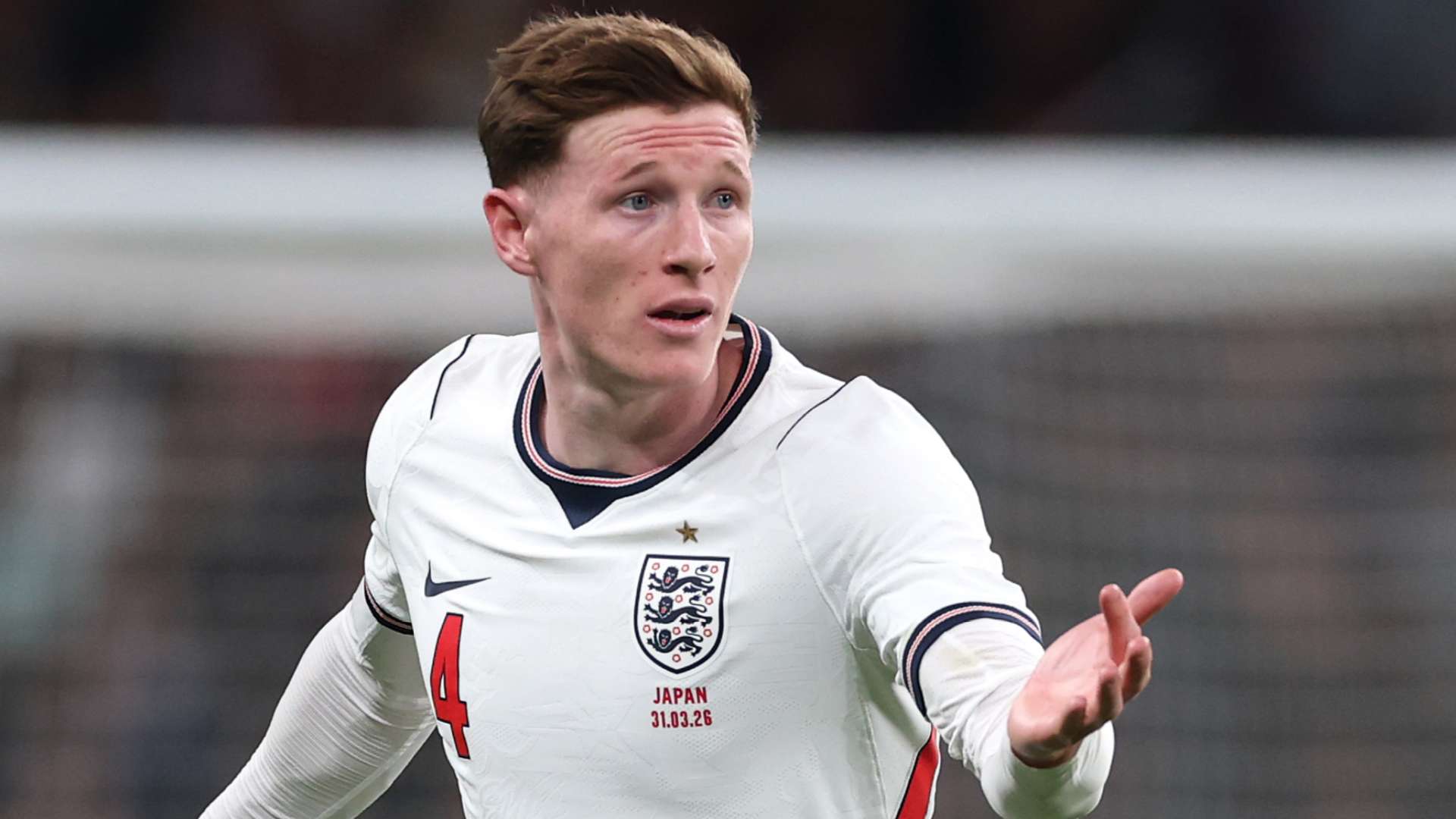
The right-back position will undergo substantial change. Trent Alexander-Arnold may pursue early international retirement at 31 to focus on his Real Madrid career, while Reece James faces ongoing fitness concerns entering his thirties. This opens the door for Tino Livramento, Newcastle United's dynamic defender, to claim the starting role. Despite recent injury setbacks, Livramento at peak form represents England's most versatile attacking full-back, capable of influencing play at both ends of the pitch during his prime years at 27.
Squad Evolution and Selection Strategy
Thomas Tuchel's contract concludes at Euro 2028, meaning a new manager will guide England's 2030 World Cup campaign. The identity of Tuchel's successor remains uncertain, with speculation linking candidates including Lee Carsley and Eddie Howe to the role. Whoever assumes control will inherit a squad rich with talent despite inevitable departures from the current generation.
England's centre-back ranks will also mature significantly. Jarell Quansah should develop into an established defensive cornerstone as his game reaches full maturity, strengthening the core alongside other evolving defenders. The midfield and attacking departments possess sufficient young prospects to maintain England's competitive edge, though specific roles remain subject to performance trajectories over the next four years.
The 2030 World Cup represents both challenge and opportunity for English football. Veteran departures following Euro 2028 will reshape the squad's character, yet an abundance of emerging talent suggests continuity in competitive standards. Whether this generation succeeds where their predecessors have faltered remains the defining question for English football's next chapter.