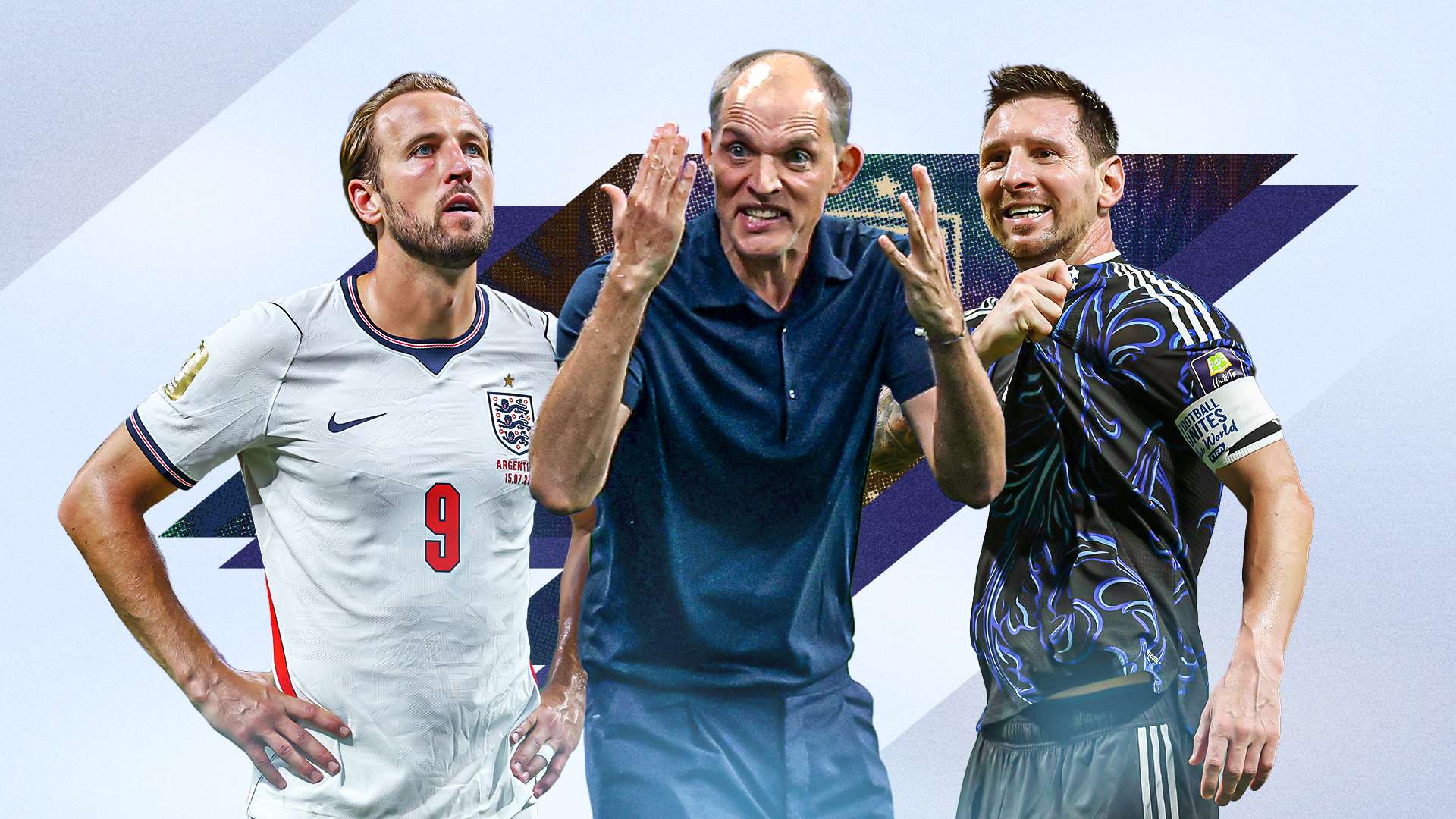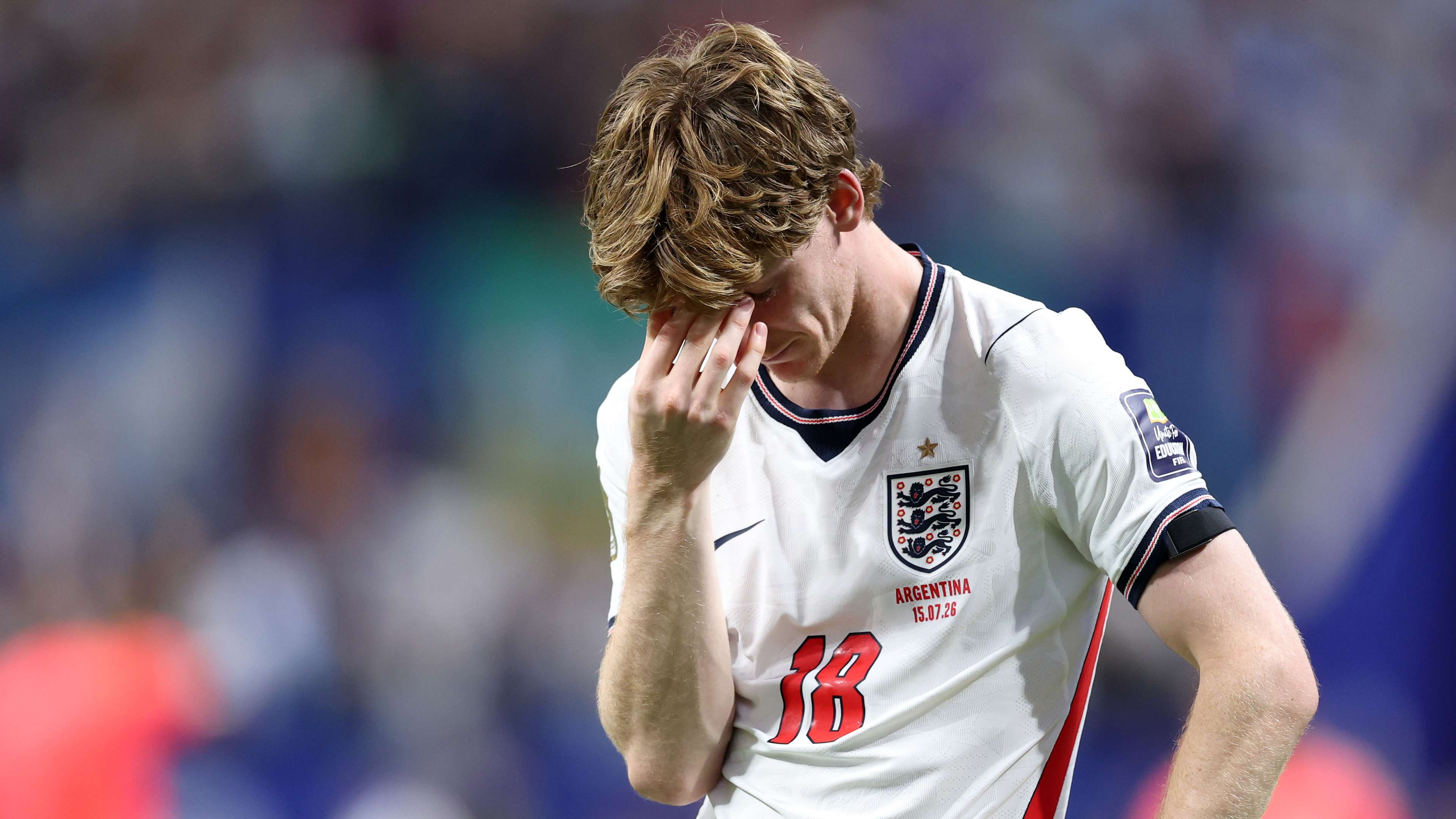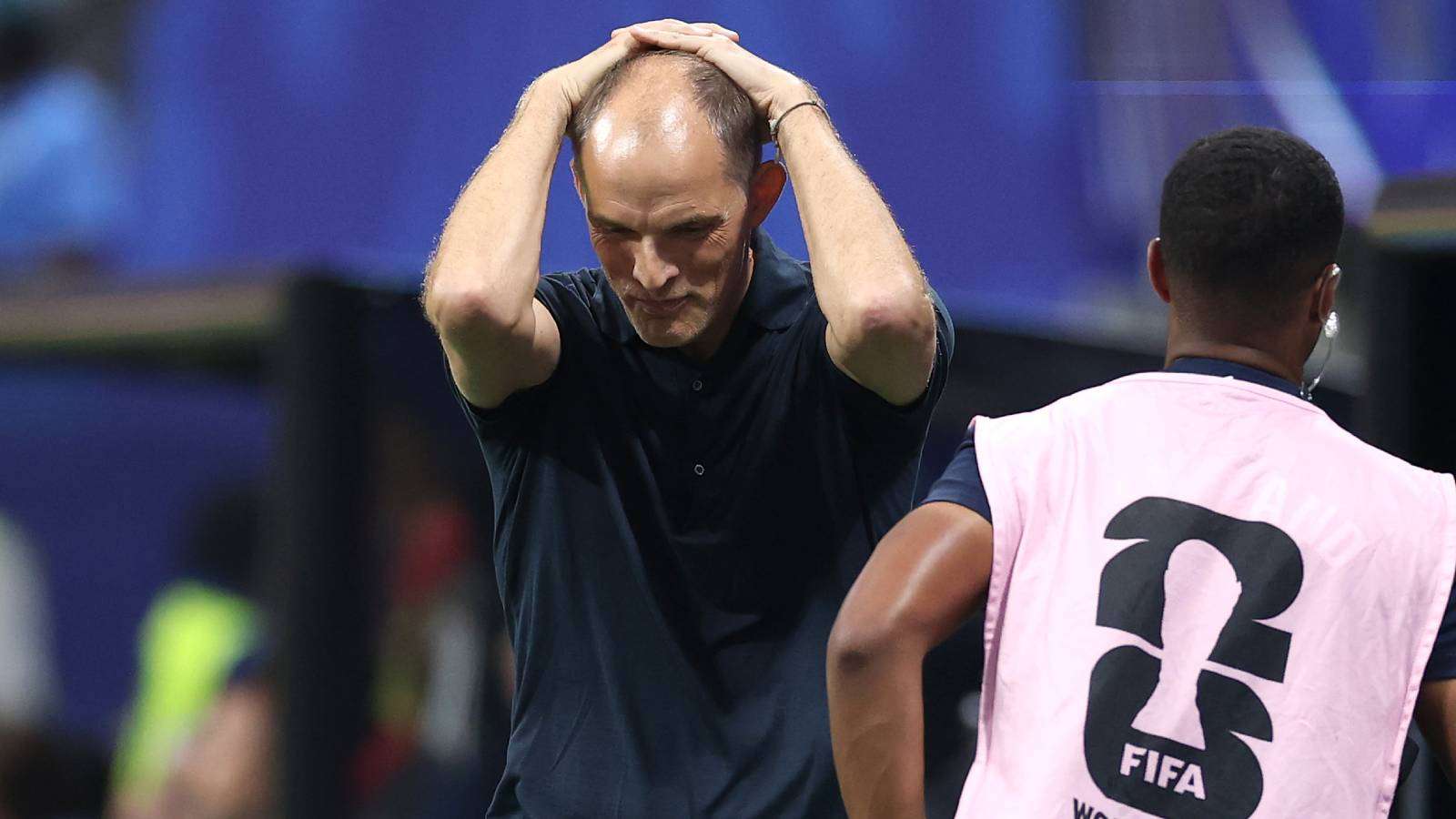

England's 2026 World Cup campaign ended in semi-final heartbreak against Argentina, with Lionel Messi orchestrating a comeback that left the Three Lions with another tournament of regrets. Despite taking an early lead through Anthony Gordon, Thomas Tuchel's side conceded twice in dramatic fashion—first through Enzo Fernandez's equaliser, then Lautaro Martinez's stoppage-time winner. The result extended England's major tournament drought to 60 years without a trophy since their 1966 World Cup victory.
Messi's Tactical Dominance at 39
The Argentine legend, chasing a ninth Ballon d'Or award, remained relatively subdued for 85 minutes before shifting into another gear. Once England fell behind, Messi's involvement intensified dramatically, recording the most touches of any outfield player in the final half-hour. His assist for Martinez's winning goal demonstrated why containing the Inter Miami forward remains impossible at any age. Former England defender Joleon Lescott emphasised this harsh reality, stating: "No one's ever been able to stop Messi, no one in the history of football."
Tuchel's decision to pack his midfield with defensive-minded players backfired spectacularly. Instead of neutralising Argentina's creative threat, the defensive setup simply invited pressure and gifted Messi and his teammates the space they thrive in. Lescott highlighted the paradox facing any team facing elite talent: tactical frameworks crumble when faced with players of Messi's calibre who can single-handedly alter match dynamics.
England's Knockout Journey Cut Short
England's route to the semi-final showed genuine character. Impressive victories over Mexico and Norway demonstrated that Tuchel's squad possessed the resilience and tactical flexibility needed for a deep tournament run. However, consistency proved elusive when it mattered most. The inability to maintain defensive discipline in crucial moments—particularly when chasing the game—represents a painful lesson that will haunt the camp heading into future tournaments.
Messi's influence transcends statistics. His mere presence on the pitch forces opponents into reactive positioning, creating subtle advantages that accumulated into decisive goals. At 39 years old, his understanding of how to manipulate space and extract maximum impact from minimal involvement remains unmatched in world football. England's semi-final exit adds another chapter to their tournament misery, while Argentina's pathway to the final showcased why experience and quality prove decisive on sport's greatest stage.