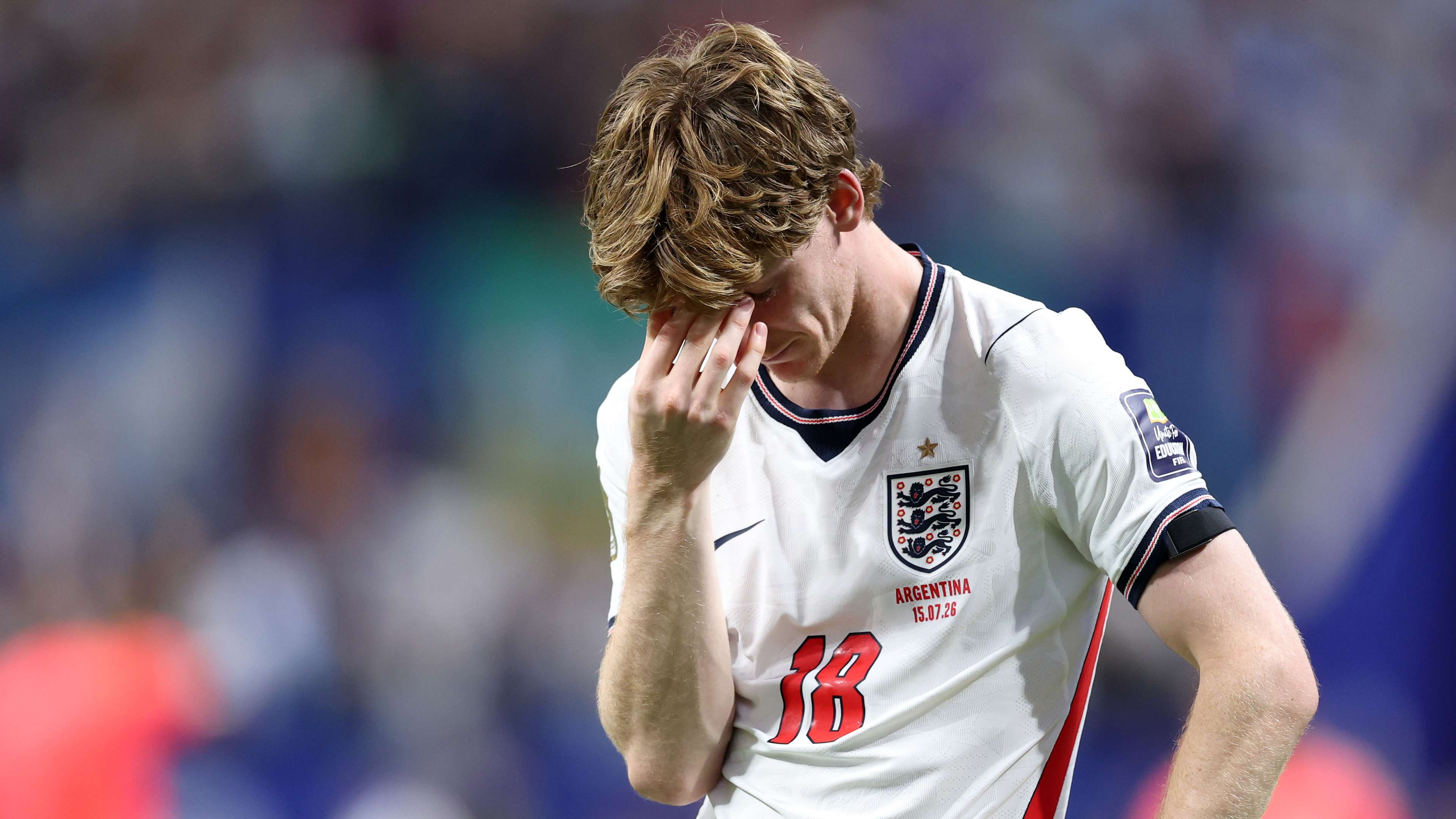
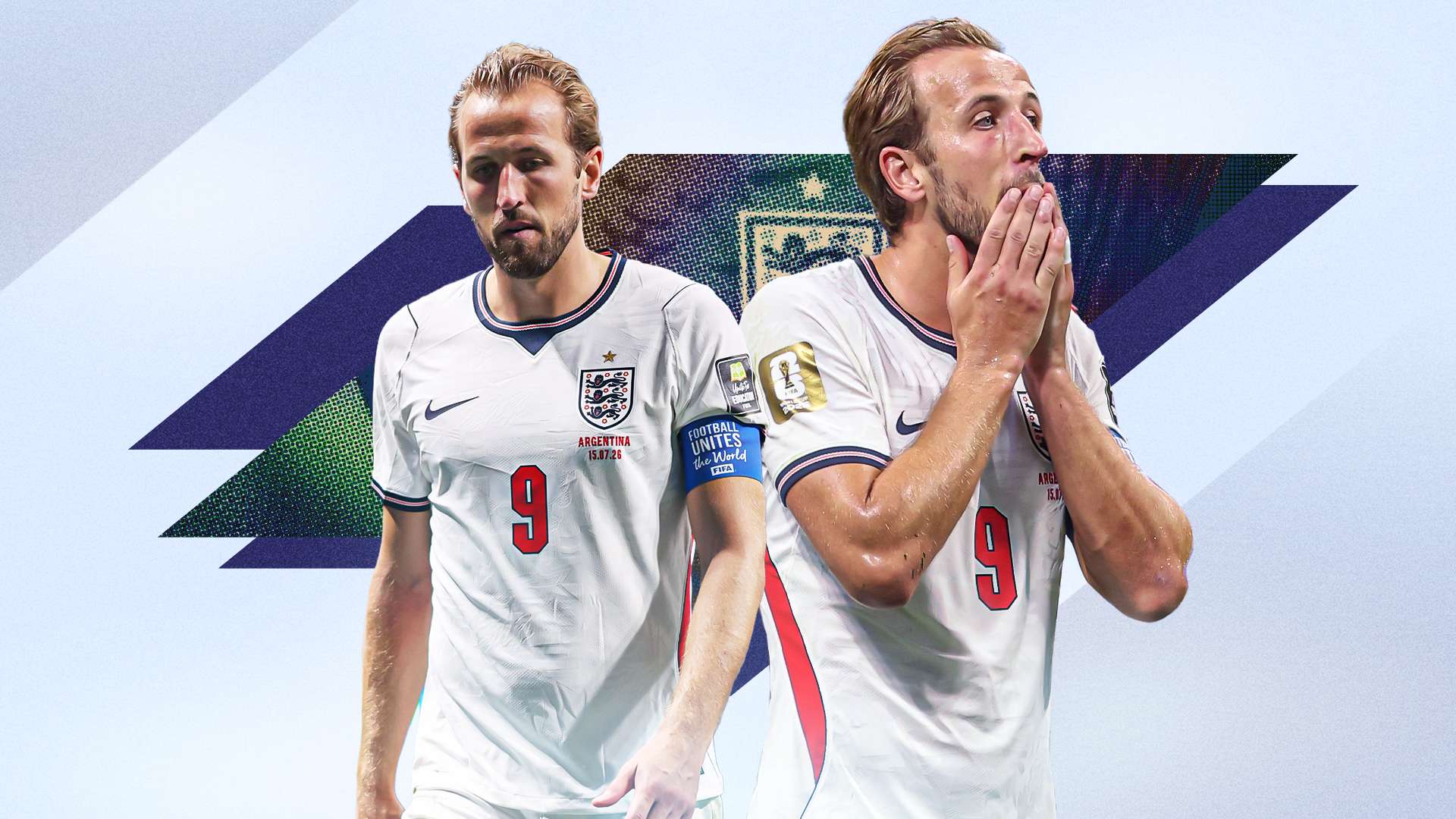
England's hopes of World Cup glory collapsed in heartbreaking fashion as the team surrendered a 1-0 lead to lose 2-1 against Argentina in the quarterfinals. Harry Kane, the Three Lions captain, cut an increasingly isolated figure in the second half, managing just 26 touches and failing to register a single touch in Argentina's penalty box as his side crumbled defensively.
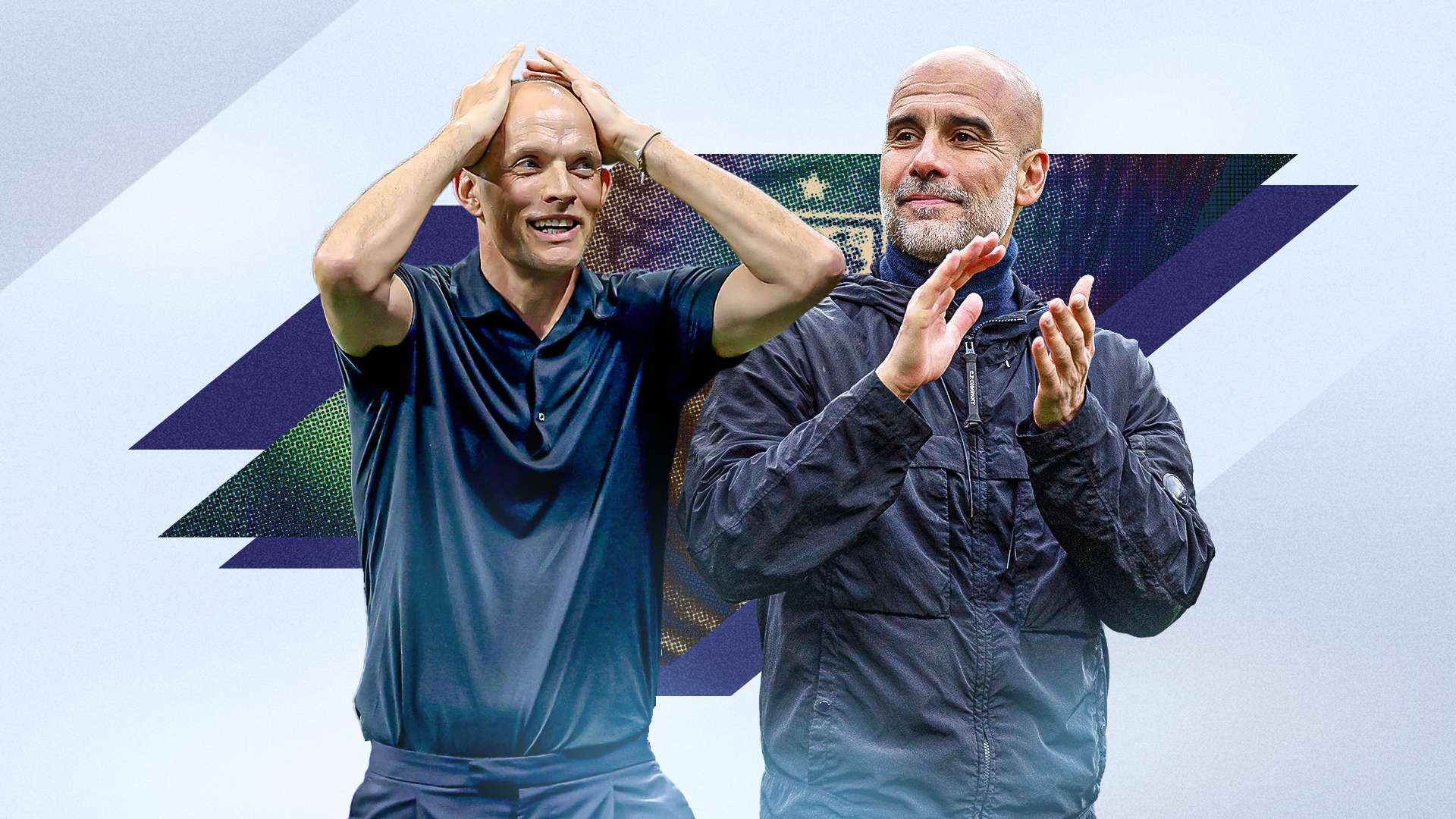
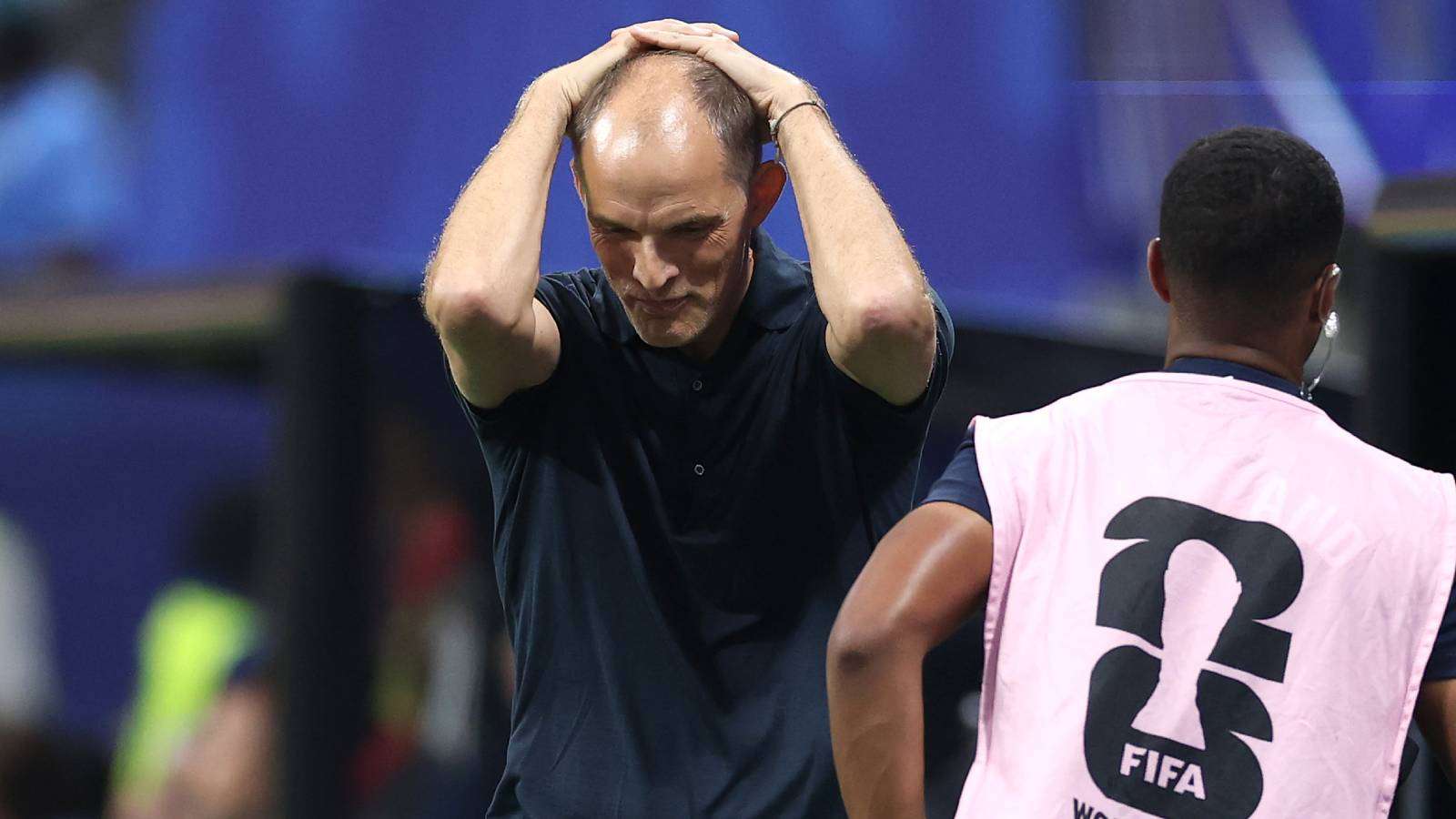
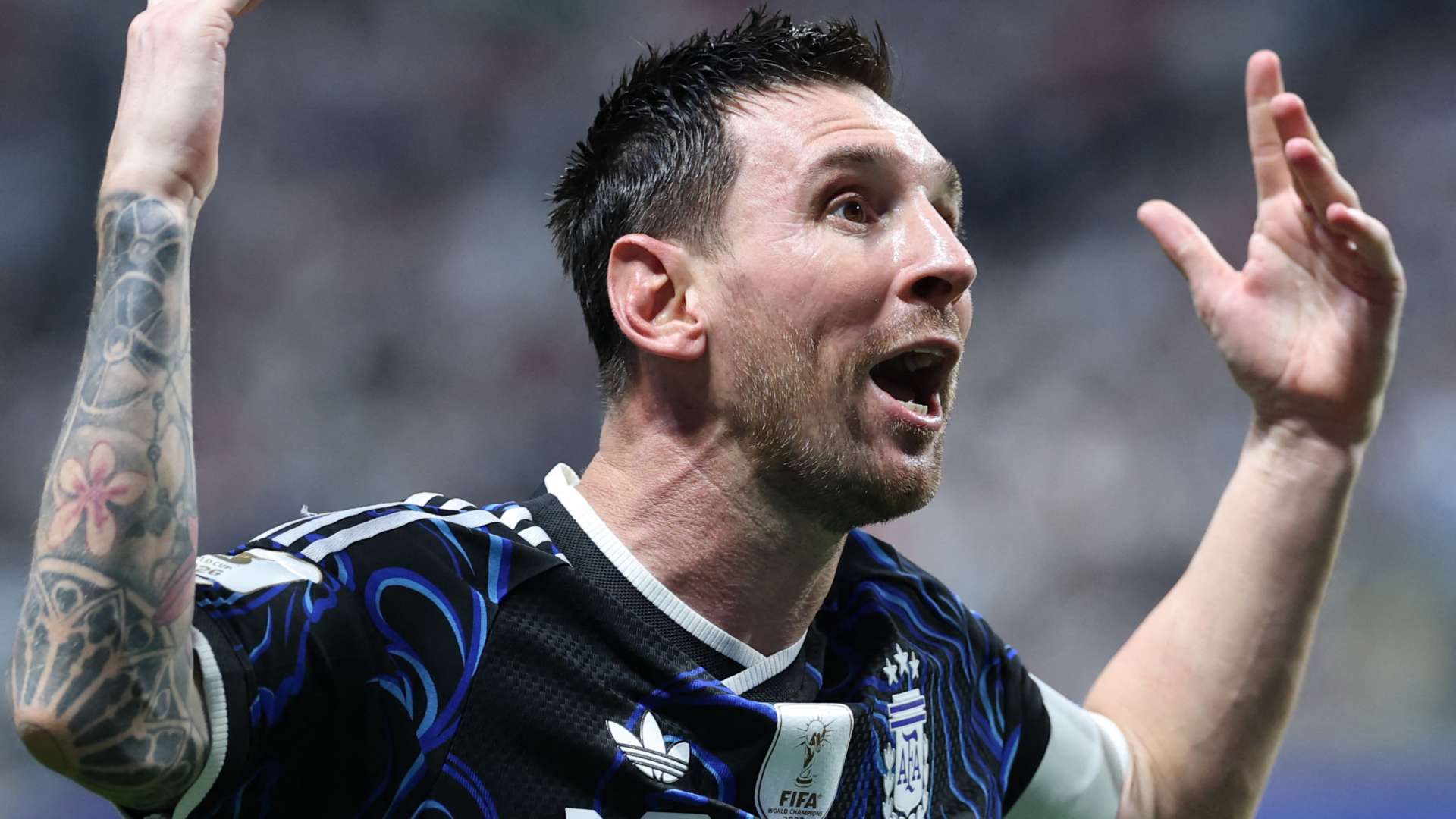
With England leading after Anthony Gordon's 55th-minute opener, the match seemed primed for a dramatic final push. Instead, Thomas Tuchel's team retreated into a defensive shell that invited relentless pressure. Argentina, sensing vulnerability, attacked with menace and clinical finishing sealed England's exit. Kane, now just weeks from his 33rd birthday, watched from the pitch as wave after wave of Argentine attacks broke through a fragile defensive line.
A Captain Without Influence
Kane's performance exemplified England's broader struggles in the second half. While he contributed 26 duels—more than Argentina's Lisandro Martinez—his inability to provide an outlet ball or hold possession proved costly. As England's primary striker, Kane lacks the pace required to threaten Argentina's centre-backs from distance, leaving him stranded in midfield rather than commanding the penalty box. He completed only nine passes and registered one blocked shot, statistics that underline his peripheral role in a match that demanded creative spark.
The tactical setup exposed a deeper problem. Tuchel's conservative approach, understandable after England's narrow victory over Mexico, left Kane isolated without support. Rather than pushing higher to press Argentina's centre-backs, England dropped deep and invited the reigning World Cup champions onto them. Kane himself acknowledged the mismatch: "We struggled to put pressure on the ball and it allowed them to create more momentum," he said post-match.
International Glory Slipping Away
This defeat carries profound implications for Kane's legacy. Despite breaking countless club records, international tournament success remains elusive—a gap that may never close. At 32, Kane will be 35 when Euro 2028 arrives, and recovery from this type of elimination rarely translates into future breakthroughs. The window for England to deliver has repeatedly slammed shut over eight years of near-misses, leaving Kane facing an uncomfortable truth: his greatest unfulfilled ambition may remain just that.
His Ballon d'Or hopes, already stretched, now hang by a thread following a tournament exit and an underwhelming performance when England needed their captain most. The next chapter—whether Kane pursues one more major tournament or contemplates international retirement—will define how football remembers him.