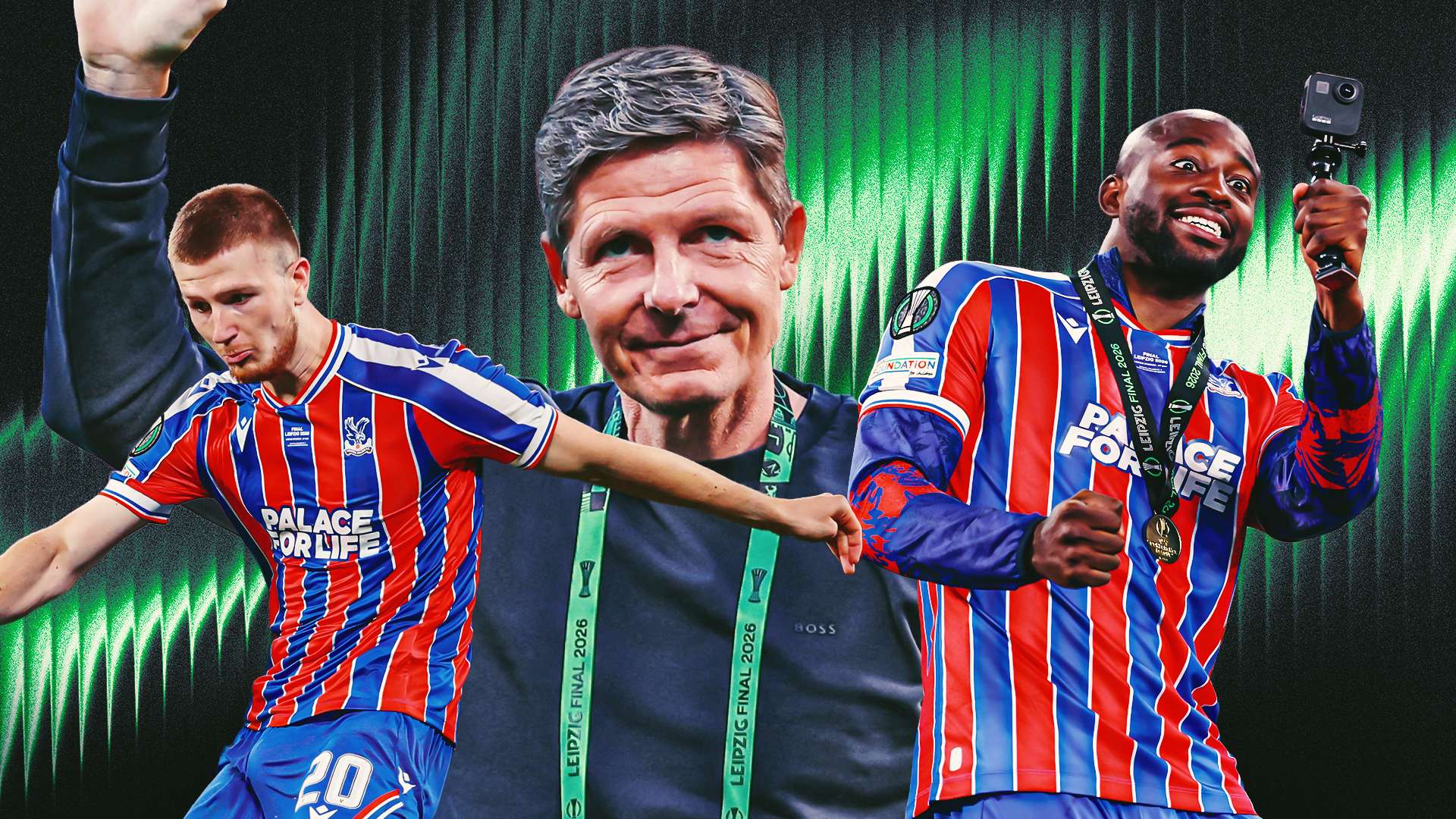
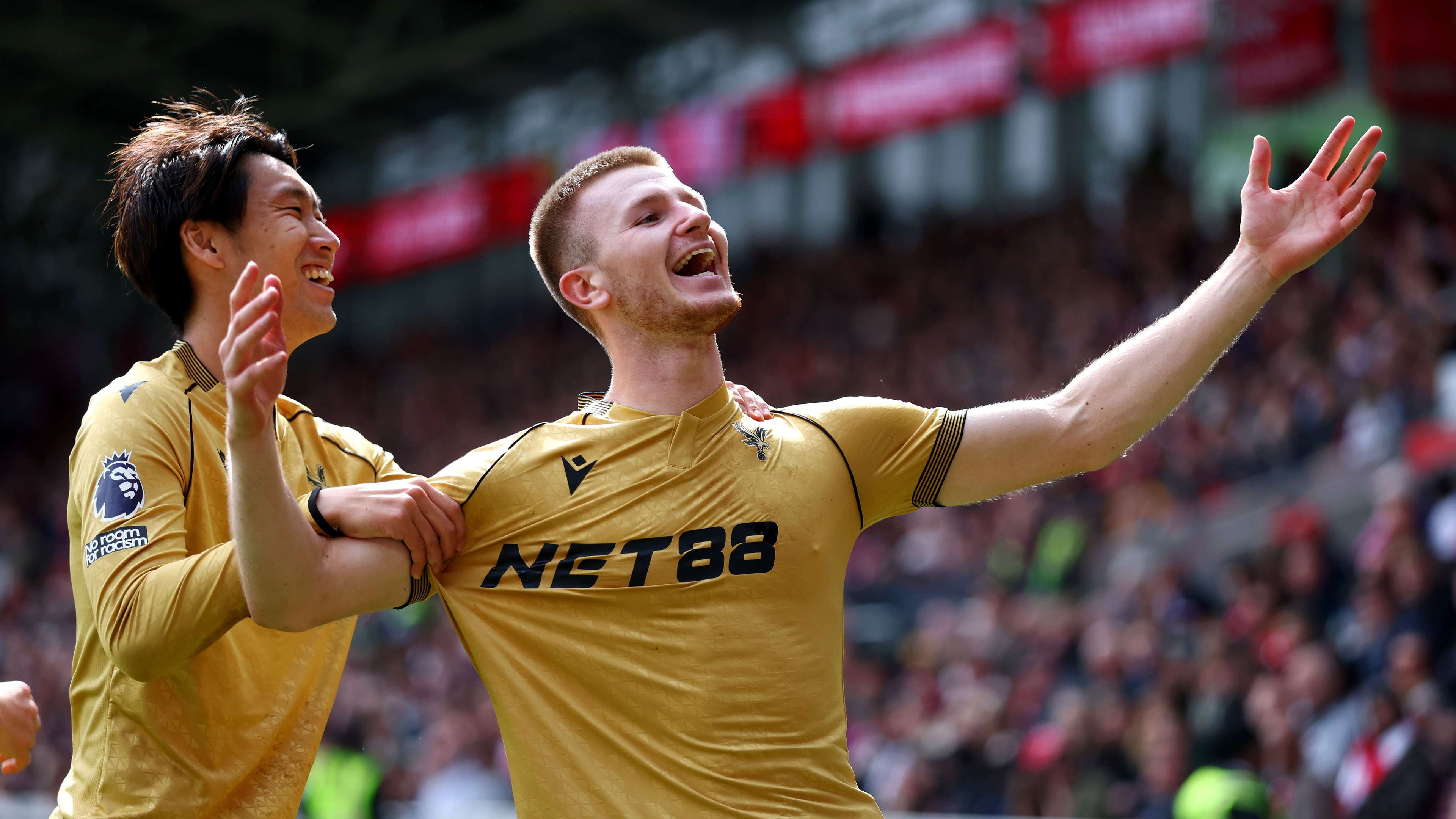
Crystal Palace and Rayo Vallecano face off in tonight's Conference League Final at the Red Bull Arena, a matchup that defies conventional expectations for a European showpiece. Few predicted this pairing when the season began, yet both clubs have earned their place through distinct tactical identities and resilience. For Palace, this represents a chance to build on Oliver Glasner's FA Cup triumph last season, while Rayo's presence underscores the unpredictable nature of modern European competition.
Rayo's Aggressive Transition Game
Iñigo Pérez has crafted a Rayo Vallecano side that thrives on chaos and territorial aggression. The Spanish club generates an extraordinary volume of attacking sequences, with nearly 40% of shots arriving through transition situations rather than built-up play. This relentless forward momentum reflects Pérez's philosophy: prioritise speed and numerical superiority in advanced areas over patient, methodical build-ups.
Rayo's shot map reveals constant central occupation around the box, though average expected goals per attempt remains modest. The trade-off is clear: quantity over clinical finishing. Crosses account for the majority of their assisted chances, emphasising width-based attacks and the physical nature of their approach. Across the season, Rayo's xG differential has remained healthy despite defensive volatility, suggesting their attacking output consistently compensates for moments of defensive exposure.
Palace's Defensive Challenge Under Glasner
Palace's manager already etched his name into club folklore by delivering silverware in his first season, notably solving Pep Guardiola's system to claim the FA Cup. However, European competition presents a different examination. Glasner's side must contend with Rayo's aggressive transitions while maintaining shape and discipline. Palace's defensive record suggests vulnerabilities in wide areas and moments of disorganisation that Rayo's pace could exploit ruthlessly.
The presence of Adam Wharton in midfield provides Palace with a crucial progressive outlet. His ability to carry the ball and dictate tempo offers balance between defending and transitioning, yet against Rayo's relentless tempo, maintaining composure will prove essential.
Key Tactical Battlegrounds
- Throw-in execution and quick restarts favour Rayo's intensity
- Crystal Palace's press resistance in midfield will determine possession control
- Wide defensive stability against Rayo's crossing threat
- Transition management when Palace regain possession in dangerous areas
This final promises to be far more competitive than many Premier League observers anticipate. Rayo's chaotic but consistent attacking profile clashes directly with Palace's ability to absorb pressure and capitalise on mistakes. The winner will likely be determined not by tactical superiority, but by which side better manages the game's unpredictable momentum swings. Victory tonight could define both clubs' European trajectory for seasons to come.