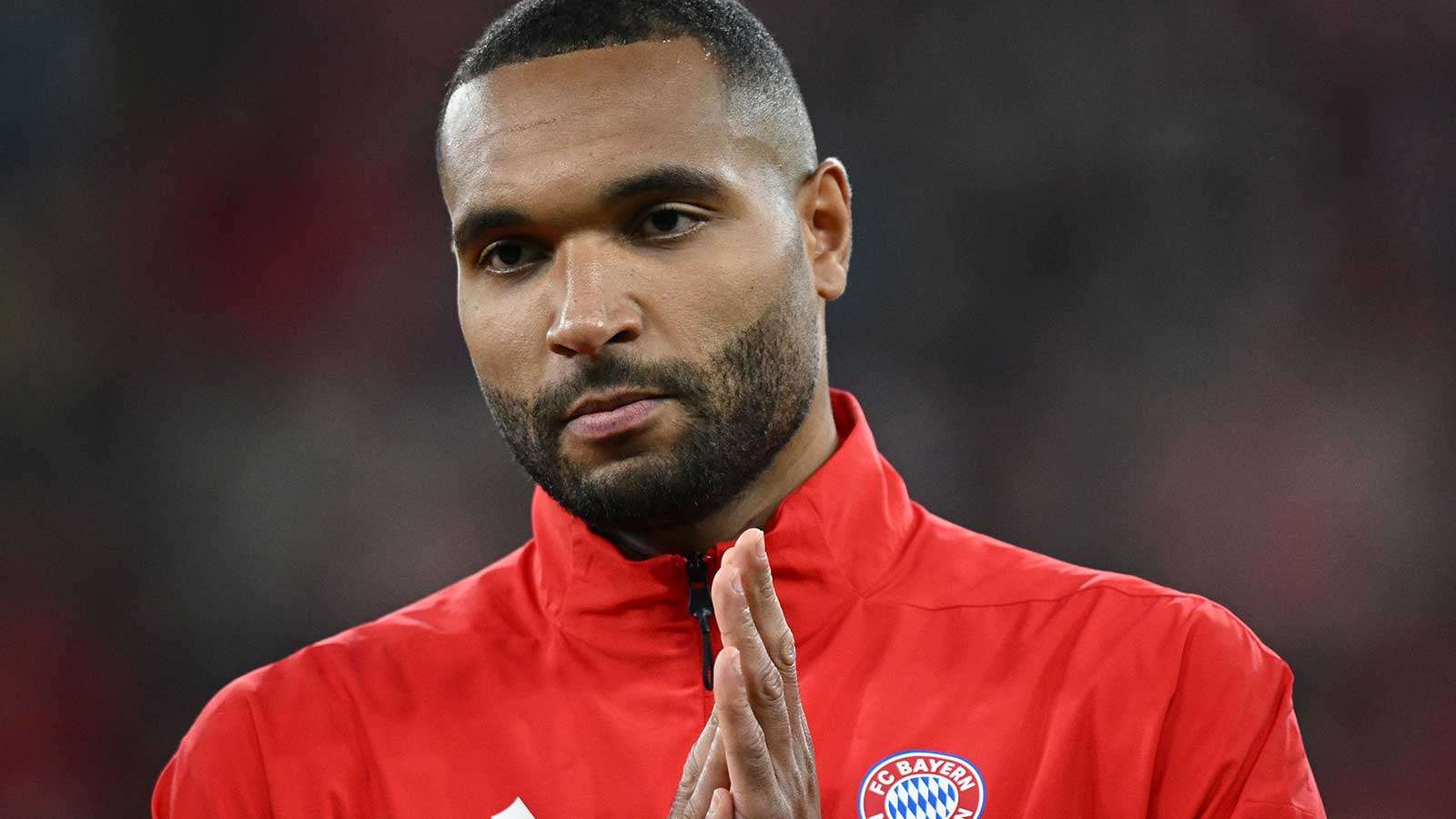
The 2025-26 Bundesliga season exposed several costly transfer miscalculations, with foreign signings failing to justify their investment across Germany's top flight. While marquee arrivals like Luis Díaz and Jonathan Tah at Bayern Munich and Yan Diomande at RB Leipzig flourished, numerous deals collapsed under scrutiny, leaving clubs to absorb significant financial losses and tactical setbacks.
Echeverri's Leverkusen Nightmare
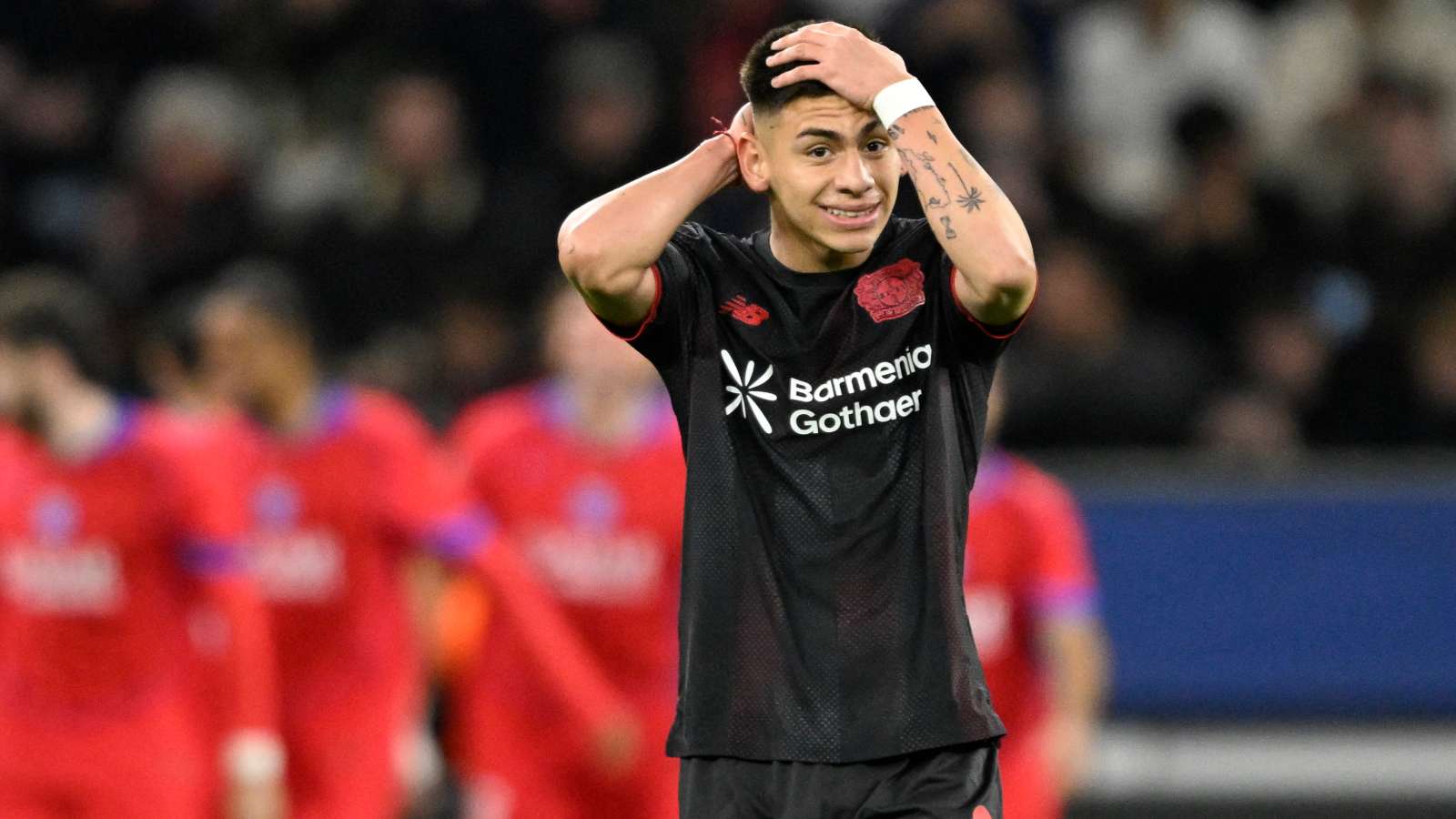
Claudio Echeverri epitomised the season's transfer disasters. The Argentine attacking midfielder, signed by Manchester City before his 19th birthday in early 2025, arrived at Bayer Leverkusen on loan as a promising prospect. The arrangement seemed ideal—a top-tier club providing regular minutes for an emerging talent. Instead, the loan lasted just over four months, making it one of the briefest high-profile stints in recent memory.
Echeverri never adapted to the Bundesliga's pace and intensity. His sole contribution of note came in a 2-2 Champions League draw at Copenhagen in mid-September, when he provided an assist that led to the hosts' own goal. Between late September and November, he warmed the bench for six of seven league matches. By Christmas, he had been dropped entirely from the squad. After eleven appearances, Echeverri departed for Spanish side Girona, where he endured another disappointing campaign ending in La Liga relegation. For a player touted as a rising star, the season represented a significant setback to his development trajectory.
Other Notable Failures
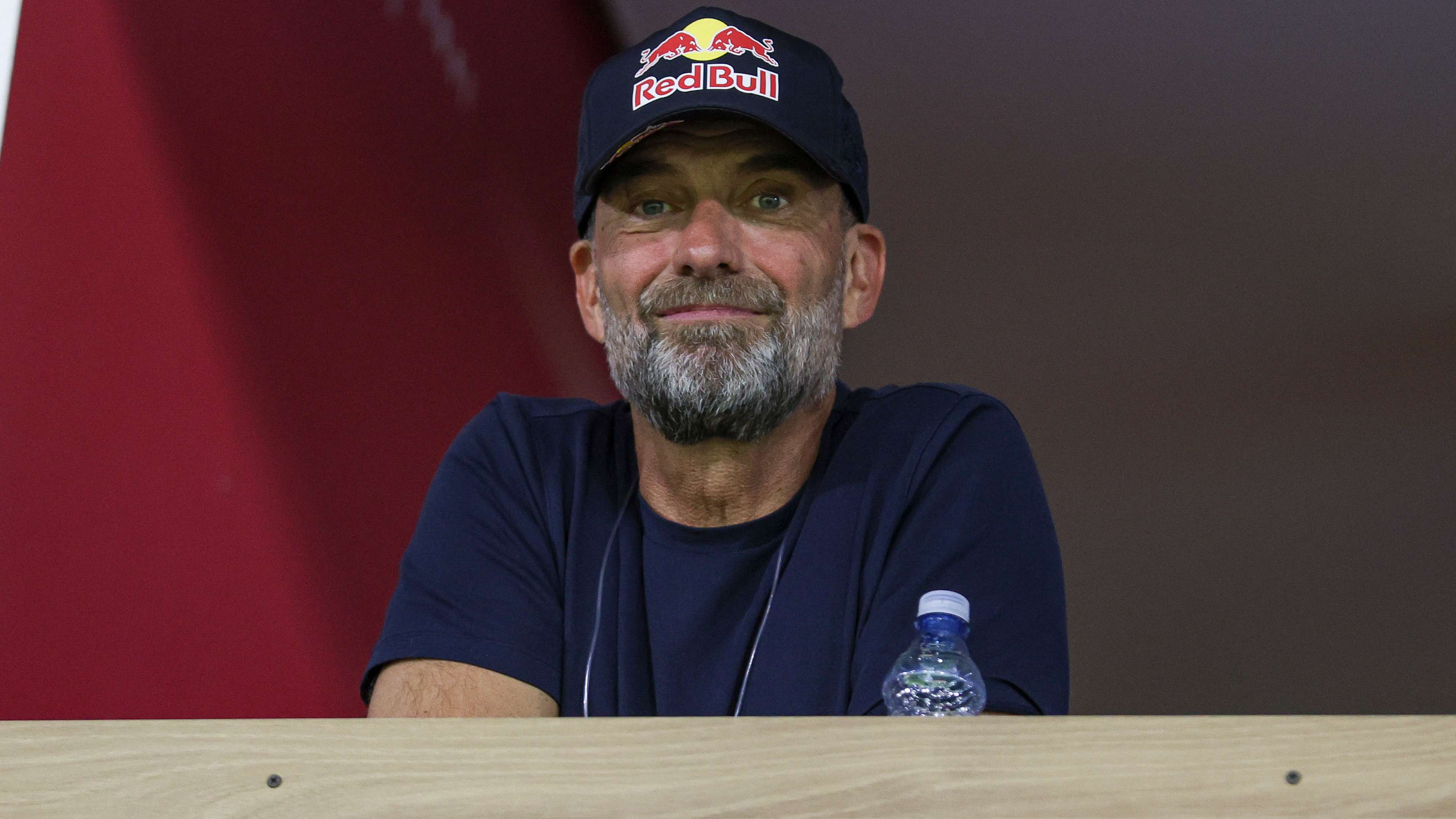
Echeverri was far from alone. Johan Bakayoko at RB Leipzig began promisingly with two goals in five appearances, but his final league goal came in late September against Wolfsburg. The 23-year-old Belgian subsequently lost his starting position and spent six weeks sidelined with a muscle injury. By season's end, he accumulated barely over 100 minutes of league football without a single start under coach Ole Werner—a sobering outcome for a player Jürgen Klopp had personally championed during his role as Head of Global Soccer.
Keita Kosugi represented another misstep. Eintracht Frankfurt paid €6.5 million for the Japanese full-back in January, yet he never made a competitive debut. Signed as cover for left-back duties, he remained perpetually on the bench before disappearing from squad sheets entirely from March onwards. At 20, Kosugi still possesses time to resurrect his Frankfurt career, though his immediate future likely depends on securing regular minutes elsewhere.
Samuel Mbangula of Werder Bremen, purchased from Juventus for €10 million, became the club's second-most expensive signing. While the attacking midfielder delivered occasional highlights—including a three-goal, three-assist performance in a 4-0 victory over Mönchengladbach in September—he failed to consistently justify his price tag throughout a challenging season for the entire squad.
These transfer miscalculations underscore the unpredictability of the summer market, where form, adaptation, and team stability can shift dramatically. As clubs prepare for the 2026-27 campaign, investment strategies will undoubtedly reflect lessons learned from these expensive failures.