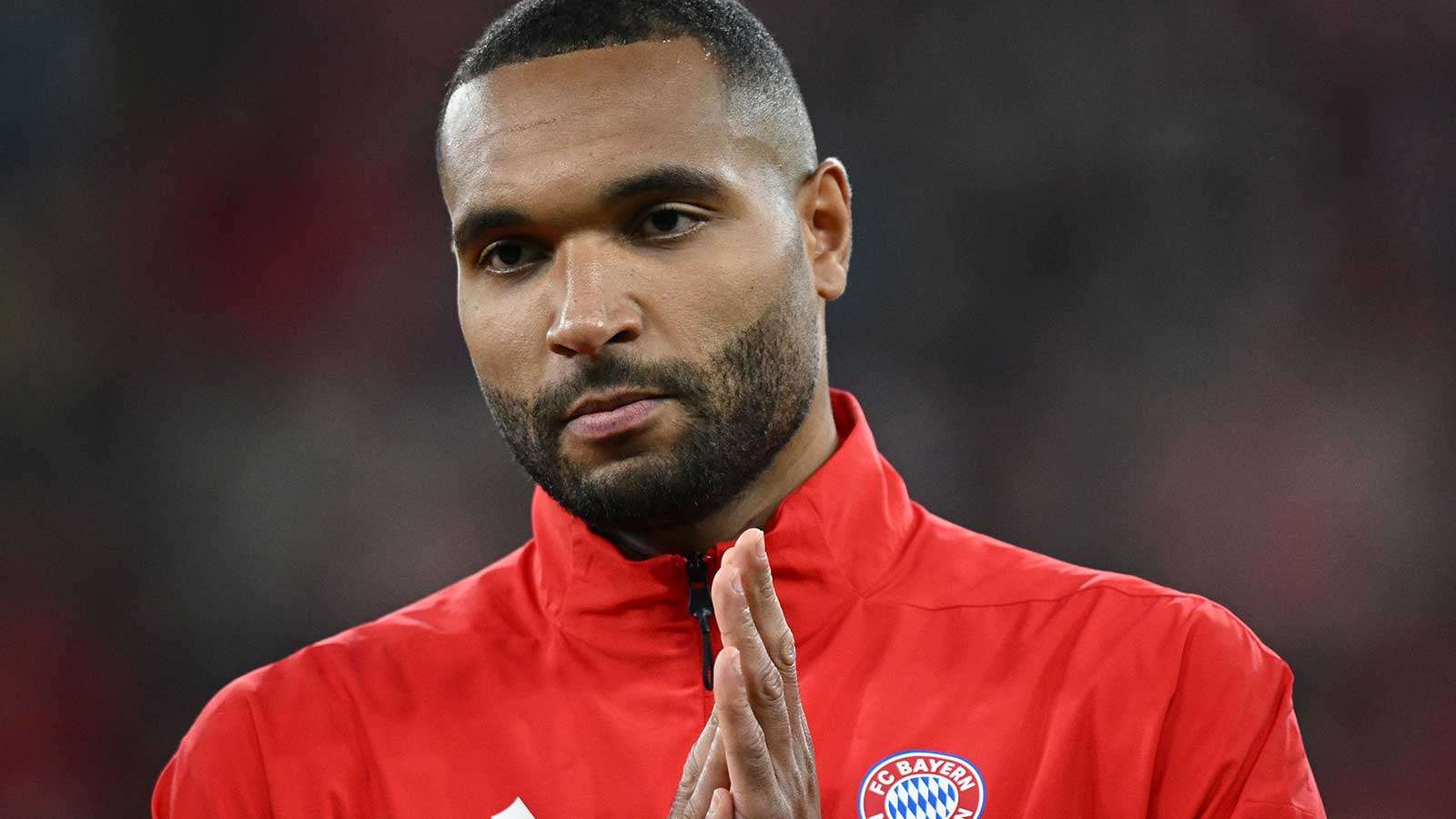
The 2025-26 Bundesliga season witnessed several high-profile transfers that failed to deliver on their promise. While clubs like Bayern Munich struck gold with Luis Díaz and Jonathan Tah, others made costly misjudgments that highlighted the unpredictability of the transfer market at football's elite level.
Echeverri's Premature Exit from Bayer Leverkusen
Claudio Echeverri arrived at Bayer Leverkusen on loan from Manchester City with considerable fanfare. The Argentine attacking midfielder, signed by the English club before his nineteenth birthday, was expected to flourish in Germany's top division. Instead, the 19-year-old never gained traction at the Werkself. His only meaningful contribution came during a 2-2 Champions League draw at Copenhagen in September, when he provided an assist for an own goal. Between late September and November, Echeverri warmed the bench for six of seven Bundesliga matches. By December, he had been dropped from the squad entirely. After just 11 appearances and four months, the loan ended prematurely, and he moved to Spanish side FC Girona, only to experience LaLiga relegation with that club. What should have been a season of development instead became a cautionary tale of mismatched expectations.
Bakayoko's Sharp Decline at RB Leipzig
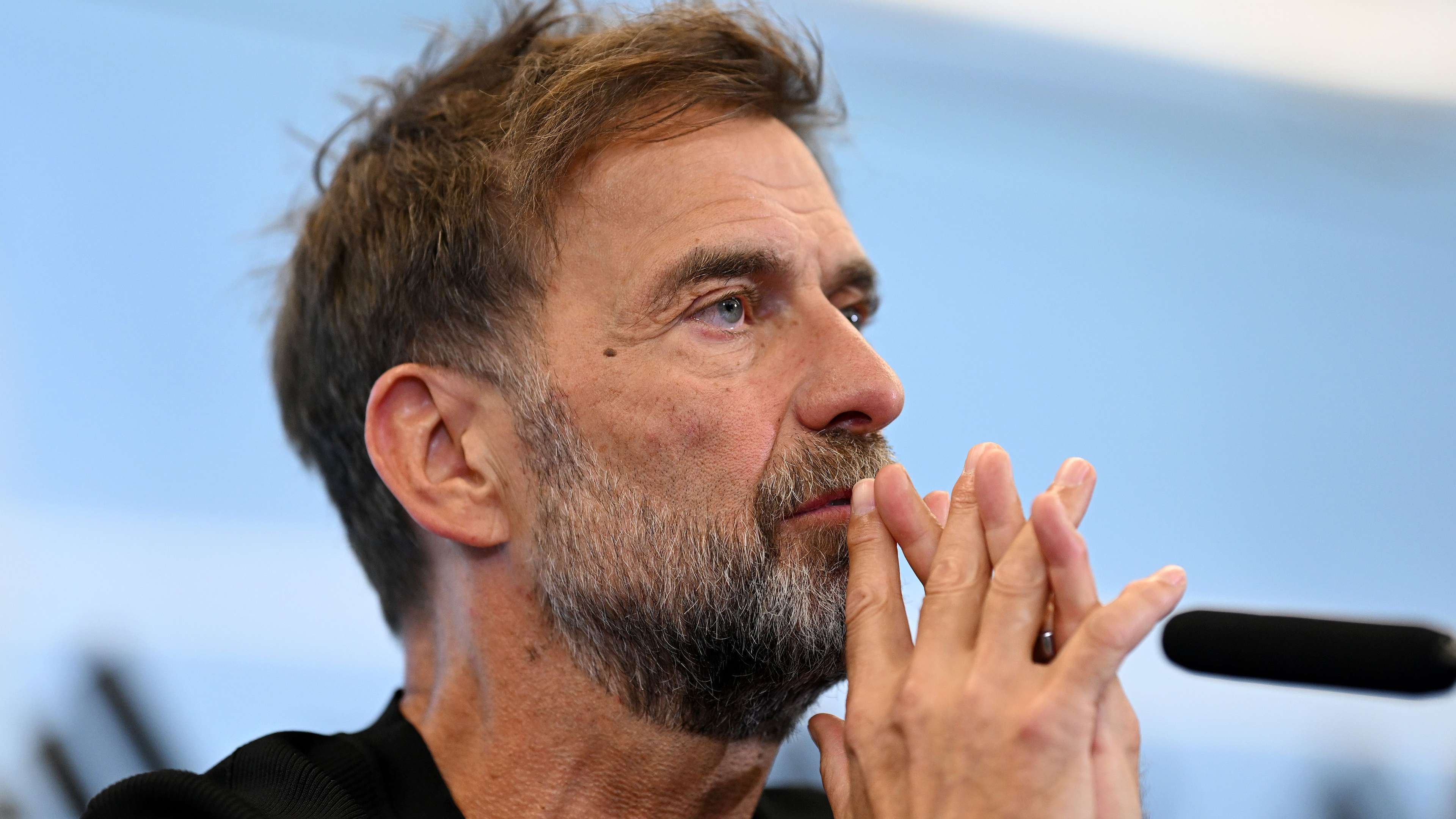
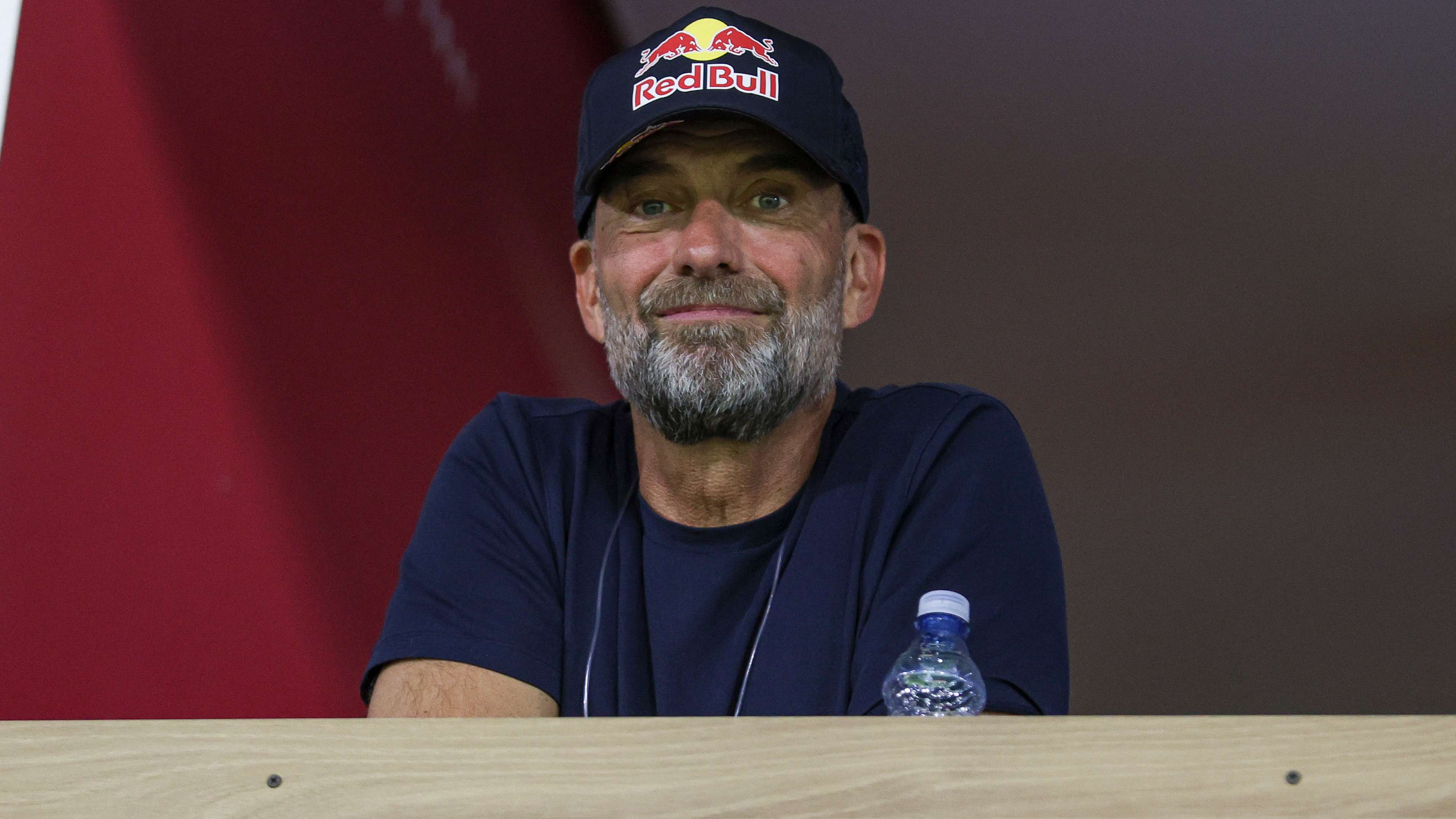
Johan Bakayoko promised much during his opening weeks at RB Leipzig. The 23-year-old Belgian forward netted twice in his first five Bundesliga appearances, including a 1-0 winner at Wolfsburg in late September. That strike represented the pinnacle of his campaign. A muscle injury sidelined him for six weeks over winter, and upon returning, Bakayoko found himself displaced in the starting lineup. Under coach Ole Werner, he accumulated just over 100 minutes of playing time with zero starts in the league campaign. The signing, reportedly championed by Jürgen Klopp in his capacity as Head of Global Soccer, now looms as a potentially expensive miscalculation for the Red Bull-owned club.
Supporting Cast of Underperformers
Keita Kosugi's €6.5 million transfer from Swedish side Djurgårdens IF to Eintracht Frankfurt in January proved equally disappointing. The Japanese left-back never made a competitive appearance for Frankfurt and remained absent from match-day squads from March onward. Samuel Mbangula arrived at Werder Bremen from Juventus for €10 million as their second-most expensive signing ever, yet struggled to justify the investment. Despite flashes of brilliance—including three goals and three assists in a 4-0 victory over Mönchengladbach—he failed to sustain consistent impact across the season.
These transfer disappointments underline how even clubs with robust recruitment infrastructure can misjudge player suitability, injury resilience, and adaptation to new tactical systems. As the 2026-27 window approaches, Bundesliga sides will demand greater scrutiny before committing substantial resources.