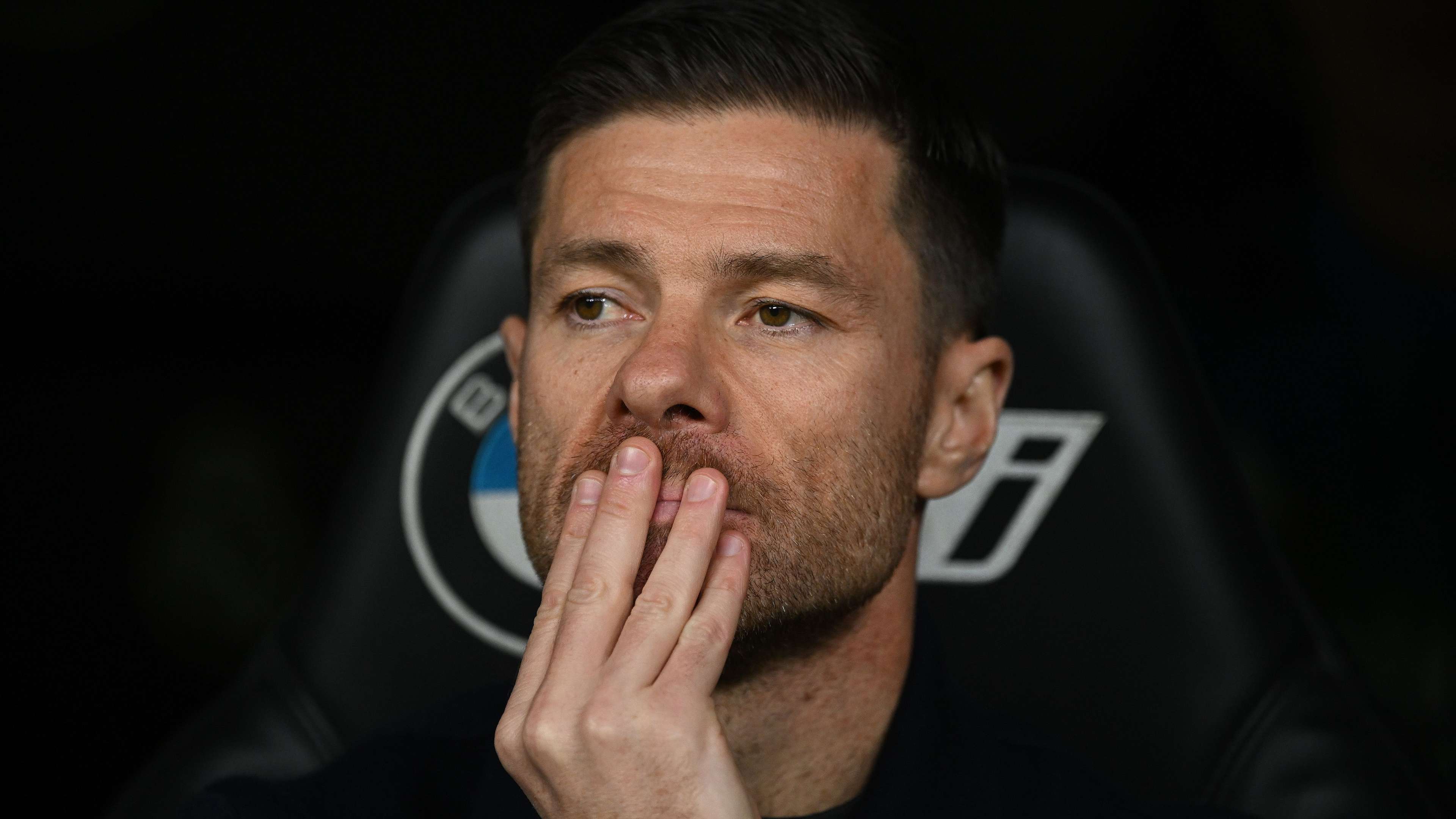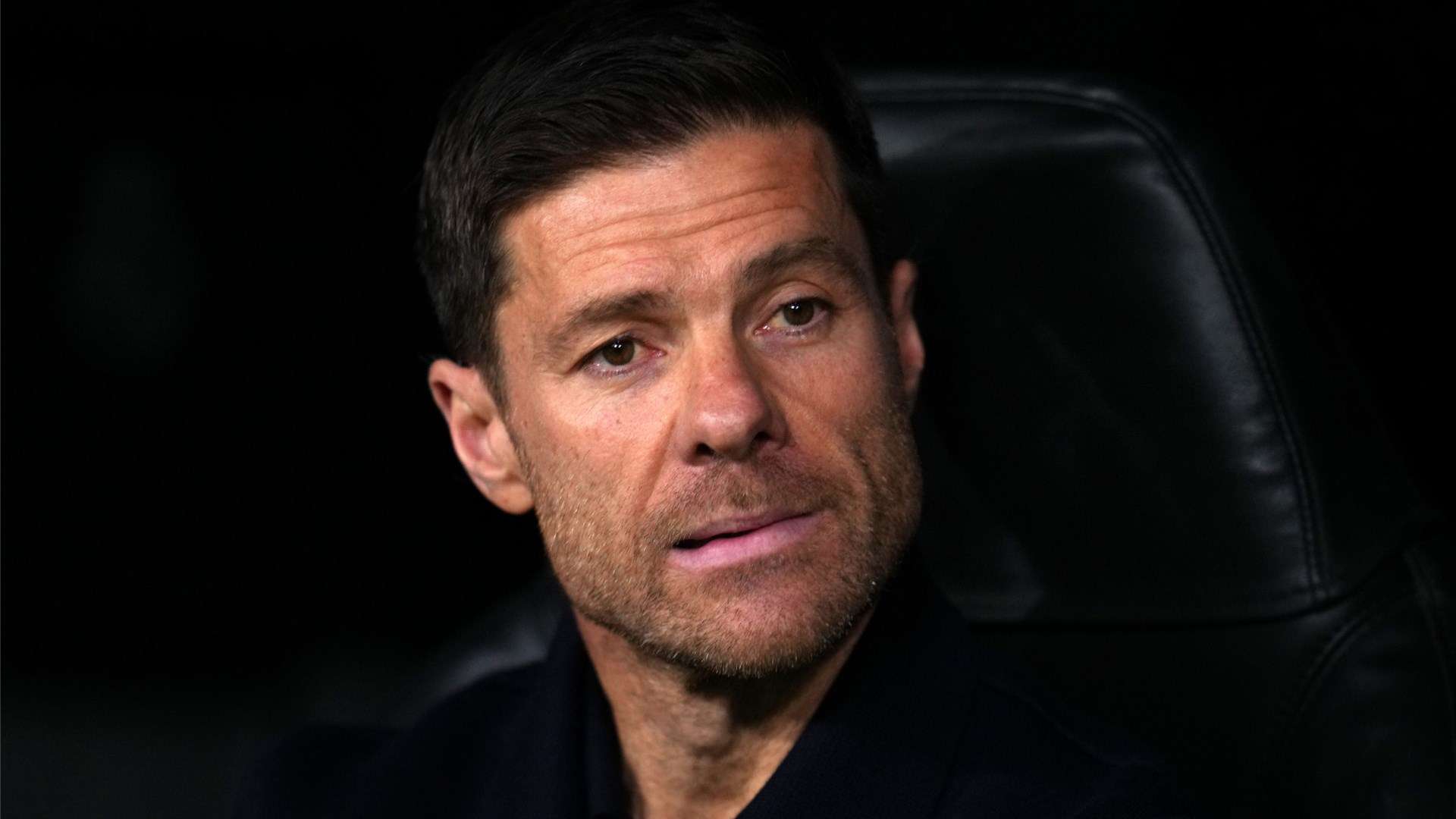

Xabi Alonso has signed a four-year contract with Chelsea, taking up the role of manager starting July 1. The appointment marks a significant shift for the west London club, which has struggled through another disappointing season under BlueCo ownership. The 44-year-old former Real Madrid boss arrives with considerable influence over recruitment and player departures, a departure from the limited powers given to his predecessors.
A Transformative Appointment for Chelsea
Chelsea's managerial carousel has spun relentlessly over the past four years, with Alonso becoming the fifth permanent appointment during that tumultuous period. His arrival represents a potential turning point after the club's FA Cup final defeat to Manchester City confirmed another underwhelming campaign that could see them finish mid-table in the Premier League. The recruitment strategy that centred on youth development has yielded inconsistent results, and Alonso's expanded remit as manager—rather than head coach—signals a wholesale change in approach.
The coup represents a remarkable show of faith in BlueCo's vision, particularly given widespread fan discontent with ownership decisions. Club owners Behdad Eghbali and Todd Boehly faced significant criticism on the eve of the FA Cup final, yet secured one of European football's most respected tactical minds. Alonso's championship-winning pedigree in the Bundesliga with Bayer Leverkusen provides concrete evidence of his ability to transform underperforming squads into title contenders. His appointment signals that the club intends to navigate away from the uncertain youth strategy toward immediate competitive ambition.
Winners and Losers in the Managerial Reshuffle
Several groups stand to benefit from Alonso's appointment. Young academy prospects may finally receive structured pathways under a manager known for developing talent systematically. Additionally, players like Enzo Fernández, whose future at the club became uncertain amid speculation about moves to Real Madrid, could be convinced to remain if Alonso articulates a compelling project. The Argentine midfielder had publicly stated plans to assess his options this summer, particularly if Champions League qualification was missed—an outcome now imminent.
Liverpool's situation presents a curious parallel. The club maintained faith in Arne Slot despite a deteriorating title defence and mounting fan frustration, while Alonso remained available since his January departure from Real Madrid. Many supporters expected the club legend to replace Slot, but Chelsea's swift decisive action has removed that option from contention. Slot retains credit from guiding Liverpool to the Premier League title in his debut season, yet patience is wearing thin after recent defeats.
The managerial appointment carries immediate implications for squad construction. Players deemed surplus to requirements under previous regimes could find themselves surplus permanently, while Alonso's tactical preferences will reshape the team's playing style and formation approach. As Chelsea prepares for an era-defining summer transfer window with genuine managerial autonomy restored, the foundation has been laid for either transformative success or continued disappointment—with Alonso now bearing full responsibility for bridging that gap.