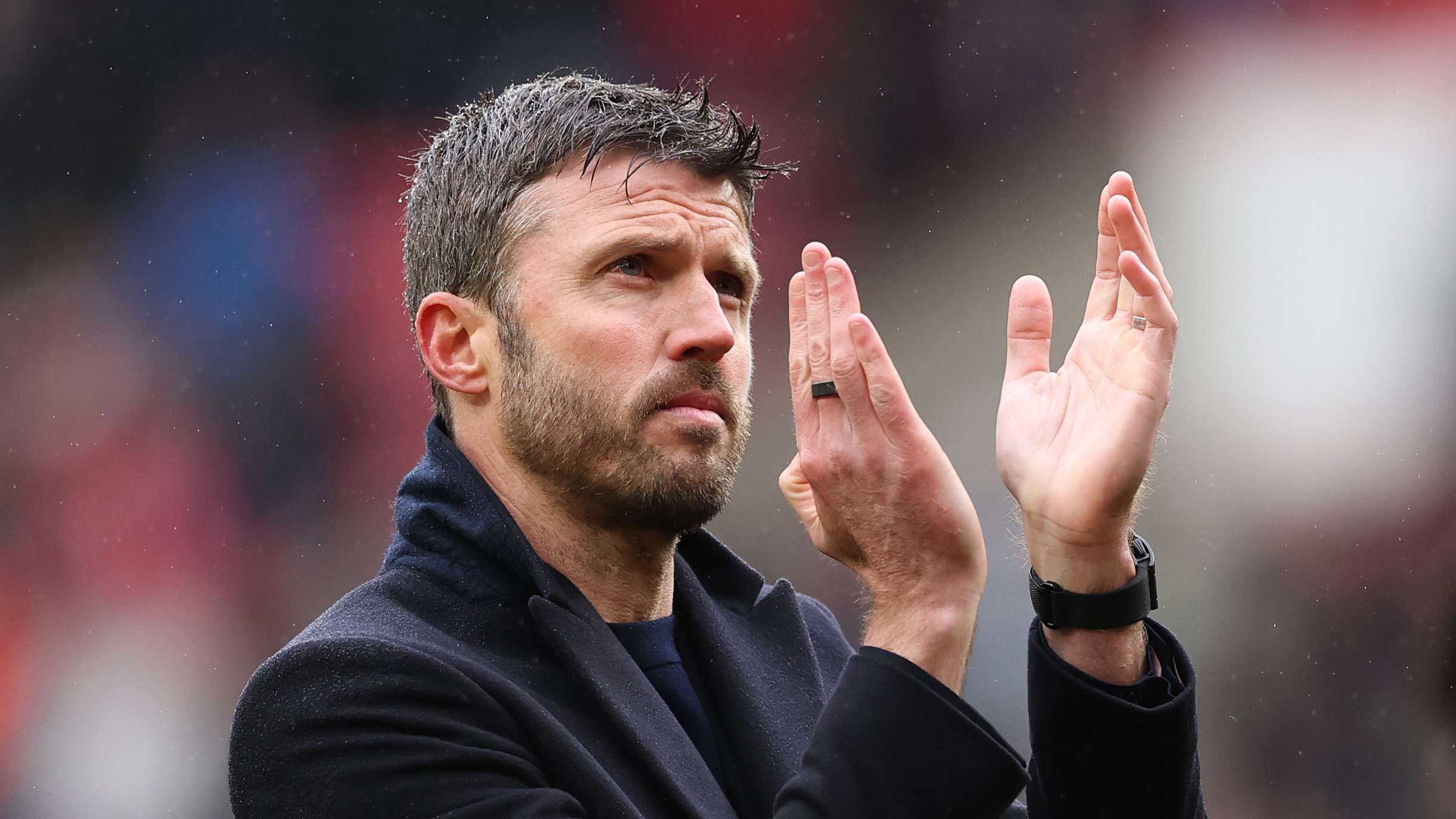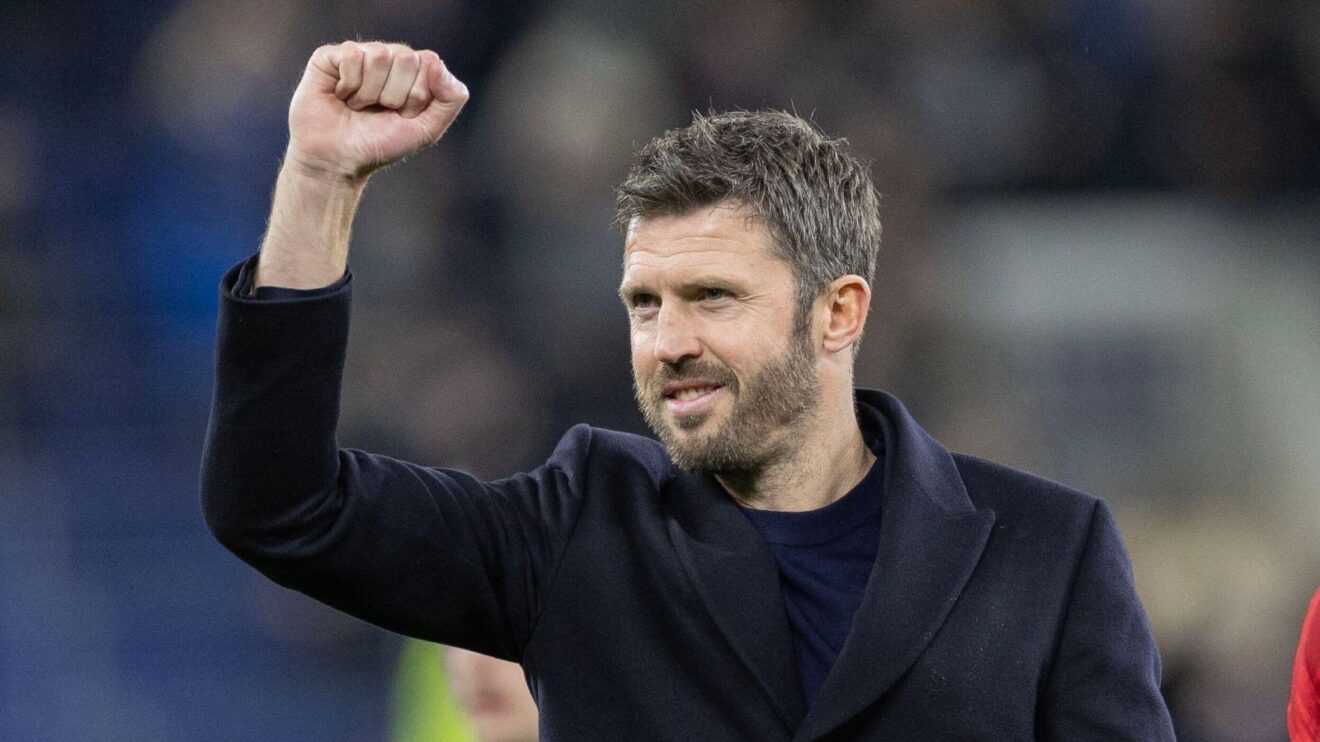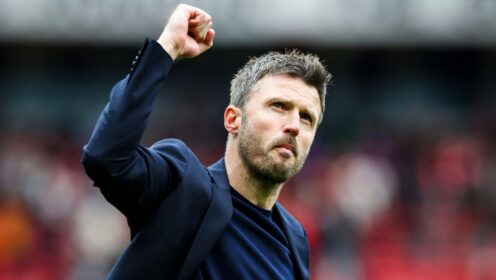
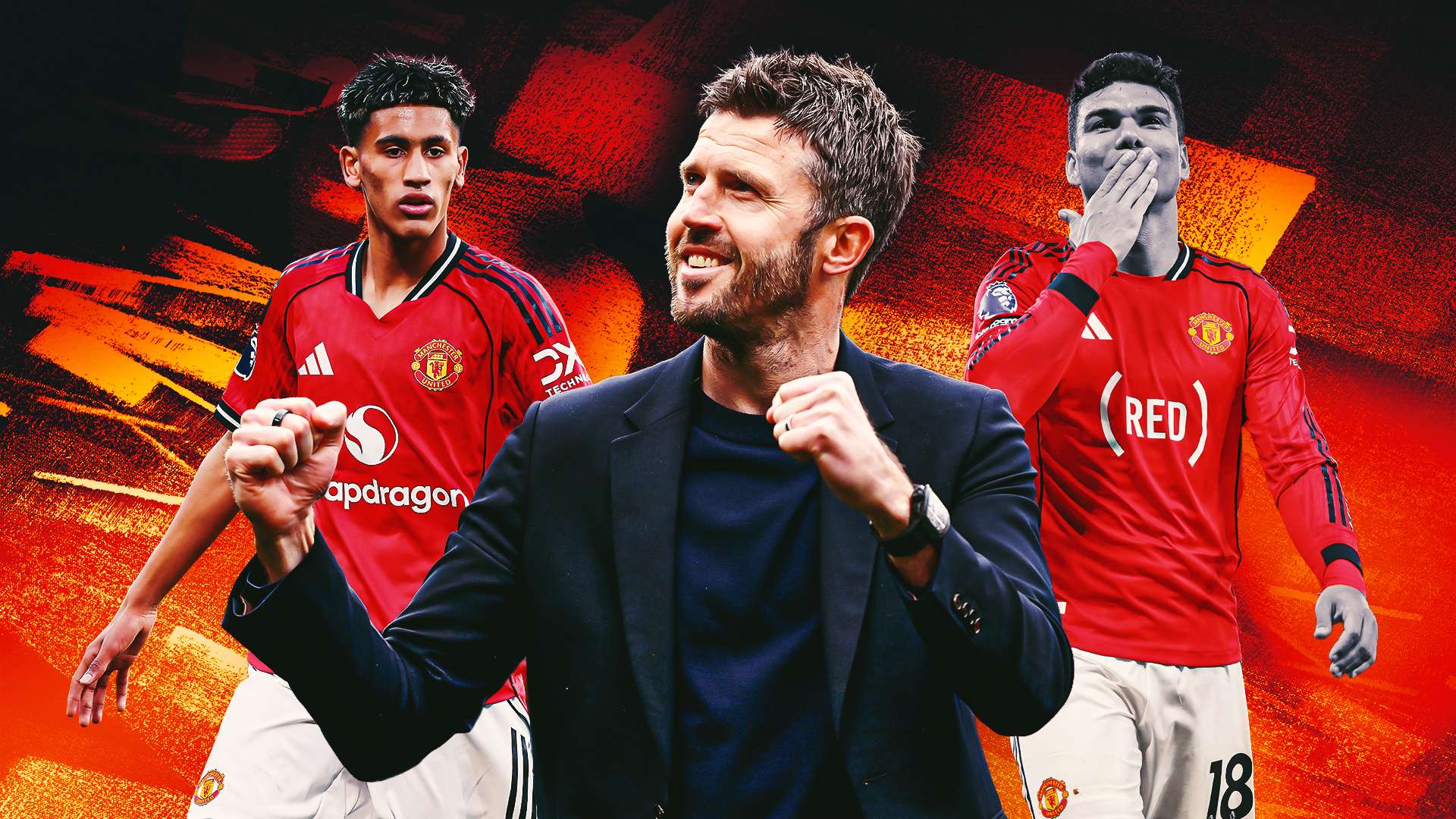
Michael Carrick has officially secured the permanent Manchester United manager's role after an impressive interim spell that guided the club back into the Champions League. Now comes the harder task: sustaining and building on that momentum. With a two-year deal confirmed, the former midfielder faces significant challenges that will define whether his tenure becomes a genuine success or merely a steady-state operation.
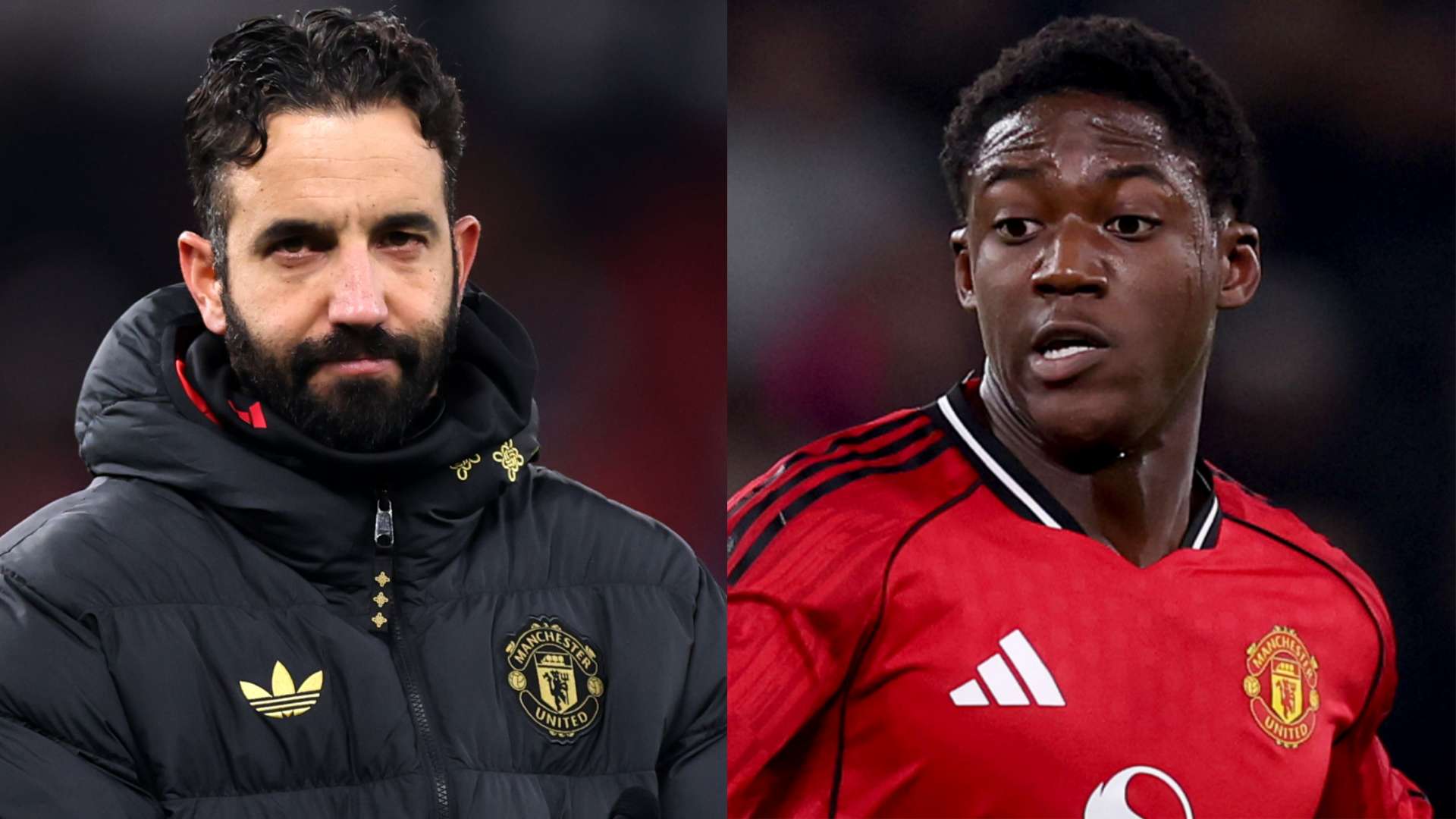
Carrick's credentials for the job are undeniable. Since replacing Ruben Amorim in January, he has compiled an outstanding record of 11 wins and three draws across 16 matches, lifting United from sixth place to third. His achievement earned him a nomination for the Premier League Manager of the Season award. Yet results alone won't satisfy the Old Trafford hierarchy or the fanbase, who are already scanning for evidence of a coherent tactical identity and long-term vision.
Establishing a Clear Playing Philosophy
The primary concern circulating among supporters centres on whether Carrick's interim success masks a lack of distinctive identity. While results have been excellent, some performances have appeared disjointed, relying heavily on individual brilliance rather than cohesive team structure. Comparisons to Ole Gunnar Solskjaer's tenure—when short-term improvements masked deeper tactical issues—loom large. During a full pre-season, Carrick must implement clear, Manchester United-rooted principles that go beyond reactive football. This means establishing patterns of play, defensive organisation, and offensive transitions that feel authentic to the club's history.
Solving the Casemiro Problem
The departure of Casemiro presents an urgent puzzle. The 34-year-old Brazilian's contract expires this summer, and despite a resurgent campaign under Carrick—including an unlikely five goals—there will be no last-minute extension. United's support has chanted "One more year," reflecting his critical importance, but his exit is final. Finding a suitable replacement is non-negotiable. Candidates being monitored include Atalanta's Ederson, Newcastle's Elliot Anderson, Brighton's Carlos Baleba, and Crystal Palace's Adam Wharton. Any replacement must match Casemiro's blend of defensive intelligence and experience, which won't come cheap in the current market.
Beyond the midfield upgrade, United's transfer strategy this summer will prove decisive. Last summer's window showed promise, with signings like Matheus Cunha and Bryan Mbeumo delivering Premier League impact, while goalkeeper Senne Lammens has impressed after arriving from Belgium. Striker Benjamin Sesko also appears poised for a breakthrough season after a slow start. If Carrick can marshal the club's recruitment efforts effectively, United could genuinely challenge for the title next season, though closing the gap to Manchester City and Arsenal remains steep.
The next fixture and summer window will reveal whether Carrick's interim brilliance was a flash or the foundation for sustained excellence at Old Trafford.