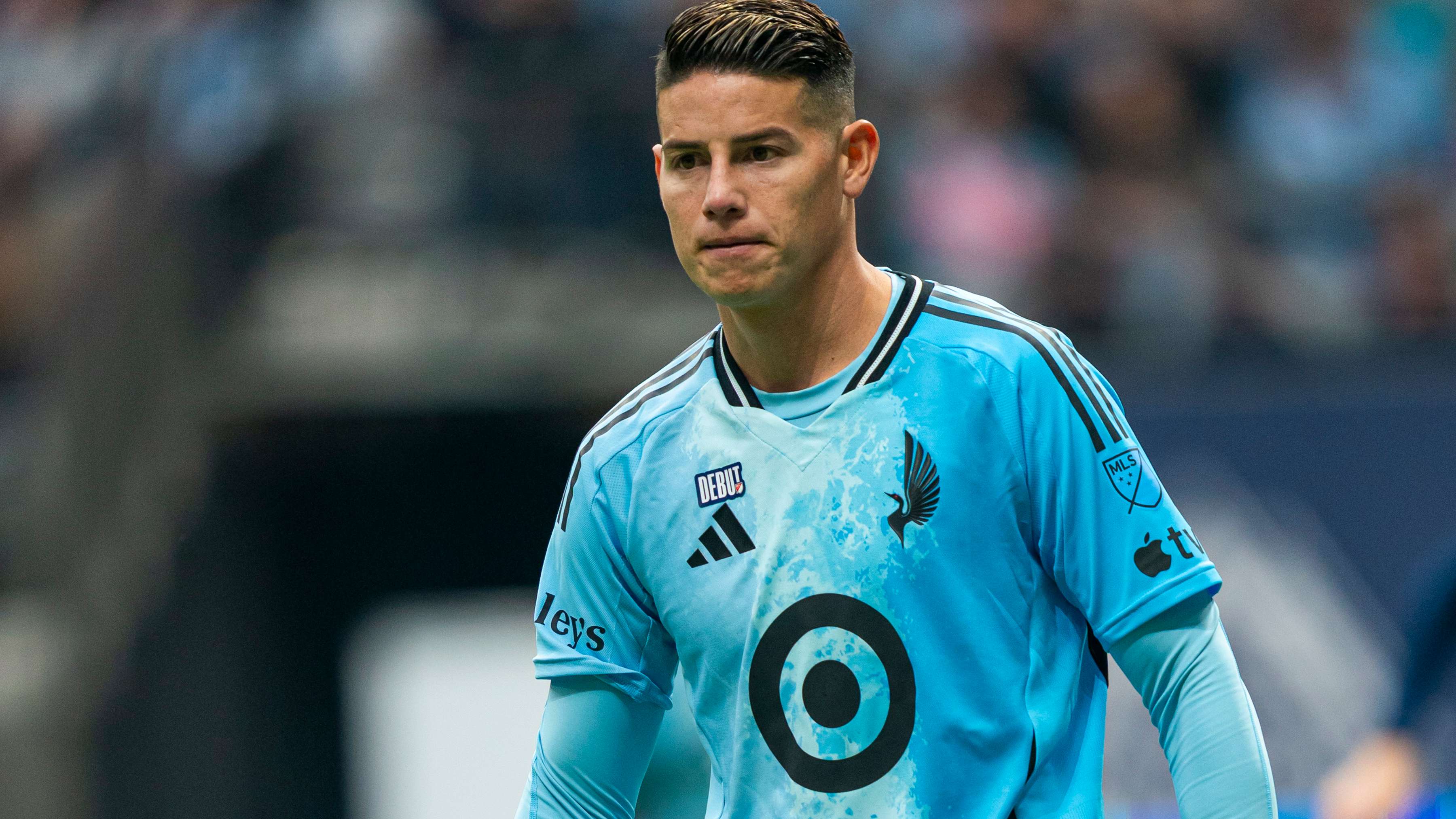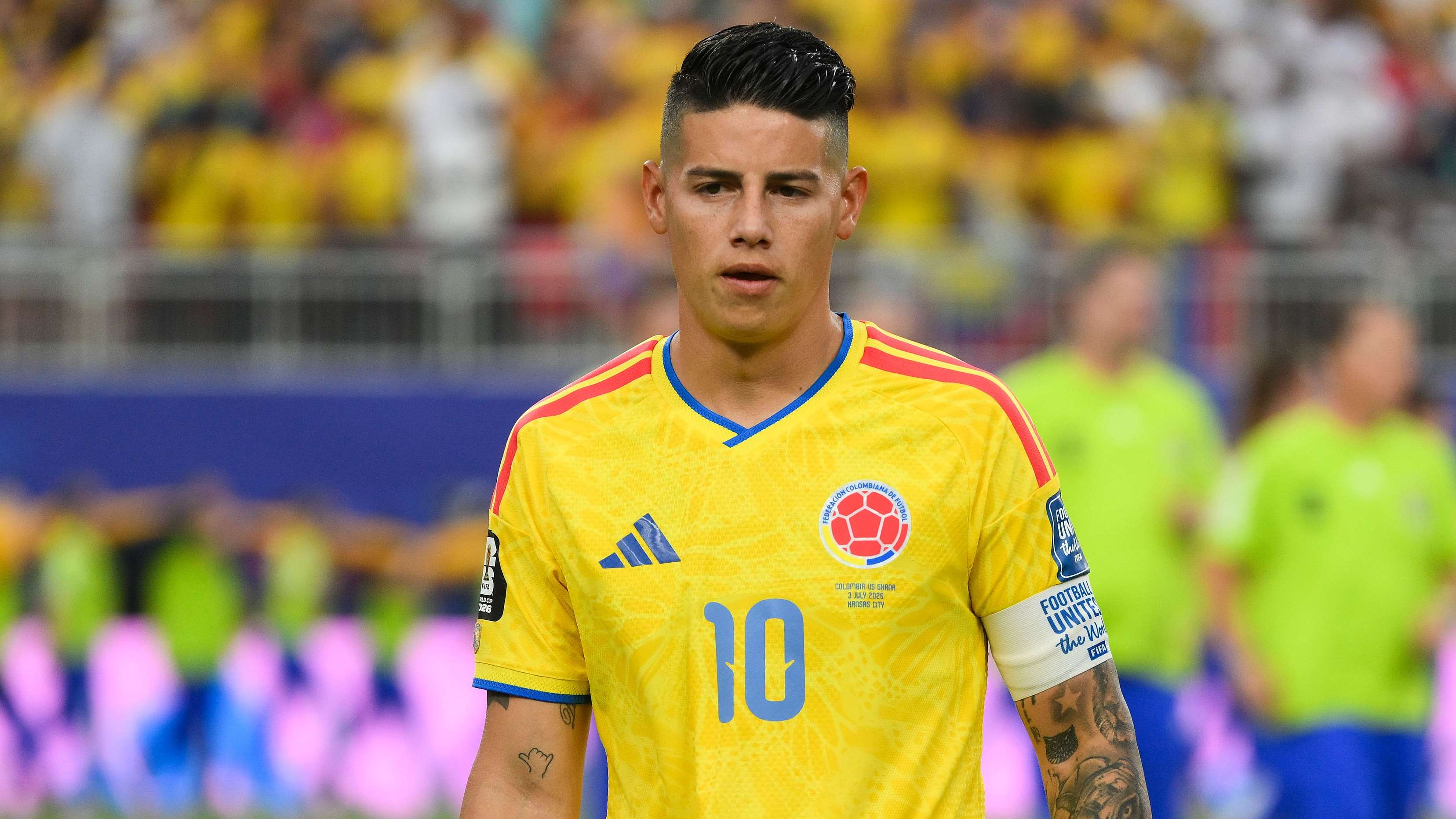

James Rodriguez's time at Minnesota United has raised serious questions about aging stars in Major League Soccer. The Colombian midfielder departs after just 130 minutes across five appearances, with two assists but no goals to show for his brief stint. His option to extend through December will be declined, leaving fans wondering whether this experiment was a strategic misstep or an inevitable warm-up ahead of Copa América.
The Numbers Tell an Incomplete Story
On paper, Rodriguez's Minnesota spell looks disastrous. One start, two assists, zero goals, and limited impact across matches that mattered. Yet context matters enormously here. Minnesota signed the 32-year-old on a short-term deal in February, with his initial contract expiring in June. This was never intended as a long-term commitment; both club and player understood the arrangement as temporary from the outset.
Rodriguez arrives at Minnesota as a player with genuine pedigree. He captains Colombia's national team and has performed at the sport's highest levels throughout his career. For an attacking midfielder of his caliber, the expectation would typically be immediate dominance in MLS. Yet circumstances conspired against him: limited preparation time, fixture congestion, and a clear priority on maintaining fitness for international duty rather than establishing himself as a league player.
Marketing Value vs. On-Field Performance
Beyond statistics, Rodriguez delivered significant commercial returns. Minnesota gained global visibility it rarely achieves, with international media attention focused on the club during his presence. Kit sales spiked, and casual soccer fans worldwide momentarily noticed a team that typically operates in the league's shadow. From a brand activation perspective, the signing succeeded.
However, Minnesota United boasts one of MLS's most passionate fan bases, and they deserve substance over celebrity. The disconnect between marketing success and athletic contribution exposes a fundamental tension in how American soccer clubs operate. While European clubs prioritize extended contributions from veteran signings, MLS has historically accepted short-term splashes for immediate global attention.
What This Means for MLS Strategy
Rodriguez's departure highlights a growing divide between international soccer culture and MLS approach. In European leagues, temporary deals designed solely to keep players fit for tournaments remain rare. MLS, by contrast, increasingly accommodates such arrangements. This reflects both the league's commercial ambitions and its secondary status in the global calendar—clubs accept short-term investments knowing elite players prioritize national team competitions.
For Minnesota, the equation was straightforward: gain attention and show ambition, even if temporarily. Rodriguez achieved both objectives, albeit with diminishing returns as his stay progressed. Whether this model remains viable long-term depends on whether MLS fanbases continue accepting star power as sufficient substitute for sustained excellence. As Rodriguez returns to international football, Minnesota must decide whether similar short-term experiments justify the inevitable disappointment when elite talent departs unfulfilled.