
Kjell Wätjen's season-long loan to VfL Bochum has proven problematic for the 20-year-old midfielder, raising serious questions about Borussia Dortmund's recruitment strategy. The young talent, who burst onto the scene with a stellar debut under Edin Terzic just two years ago, now finds himself struggling in the second division after what many observers consider a poorly-timed transfer arrangement.
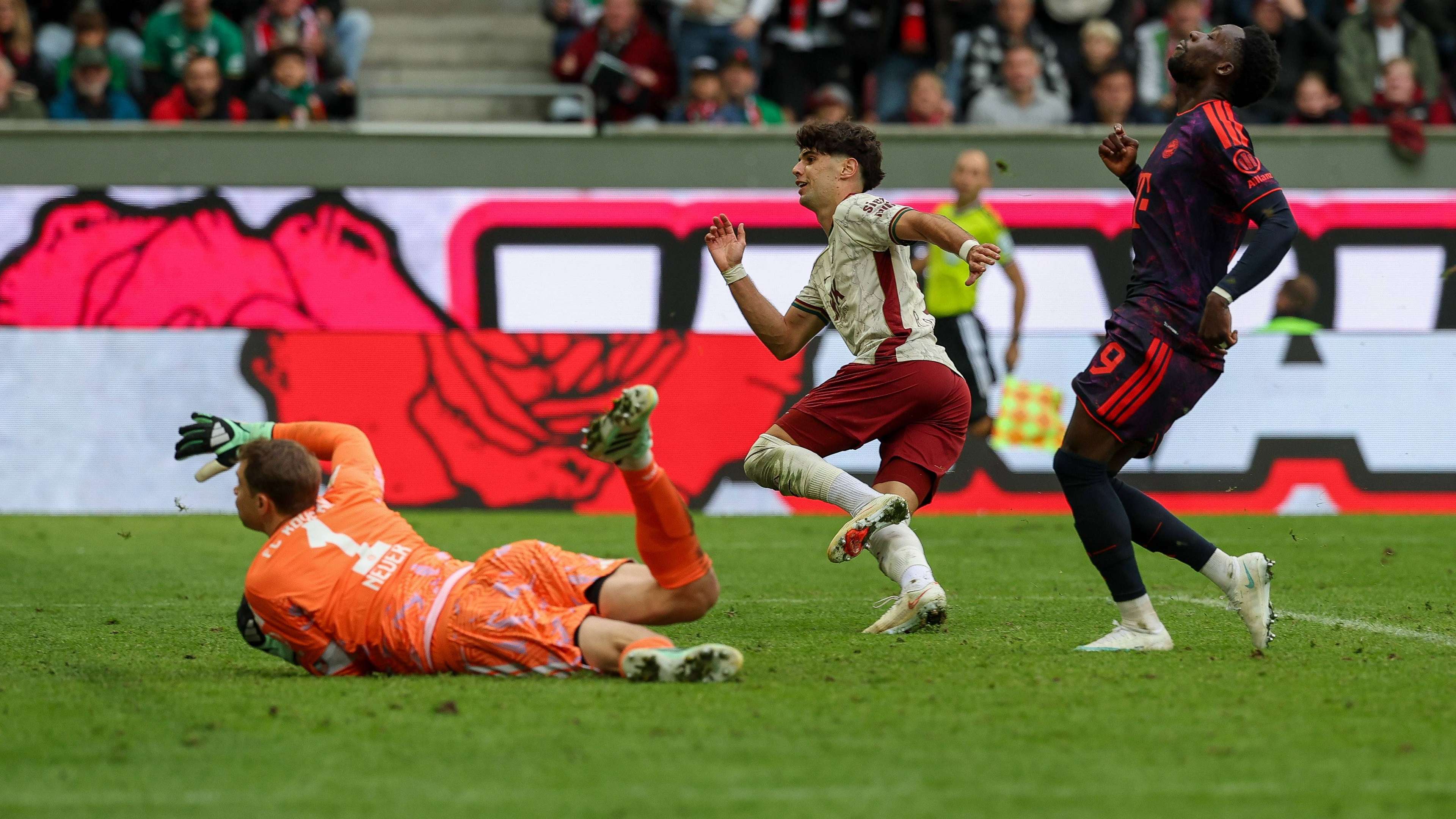
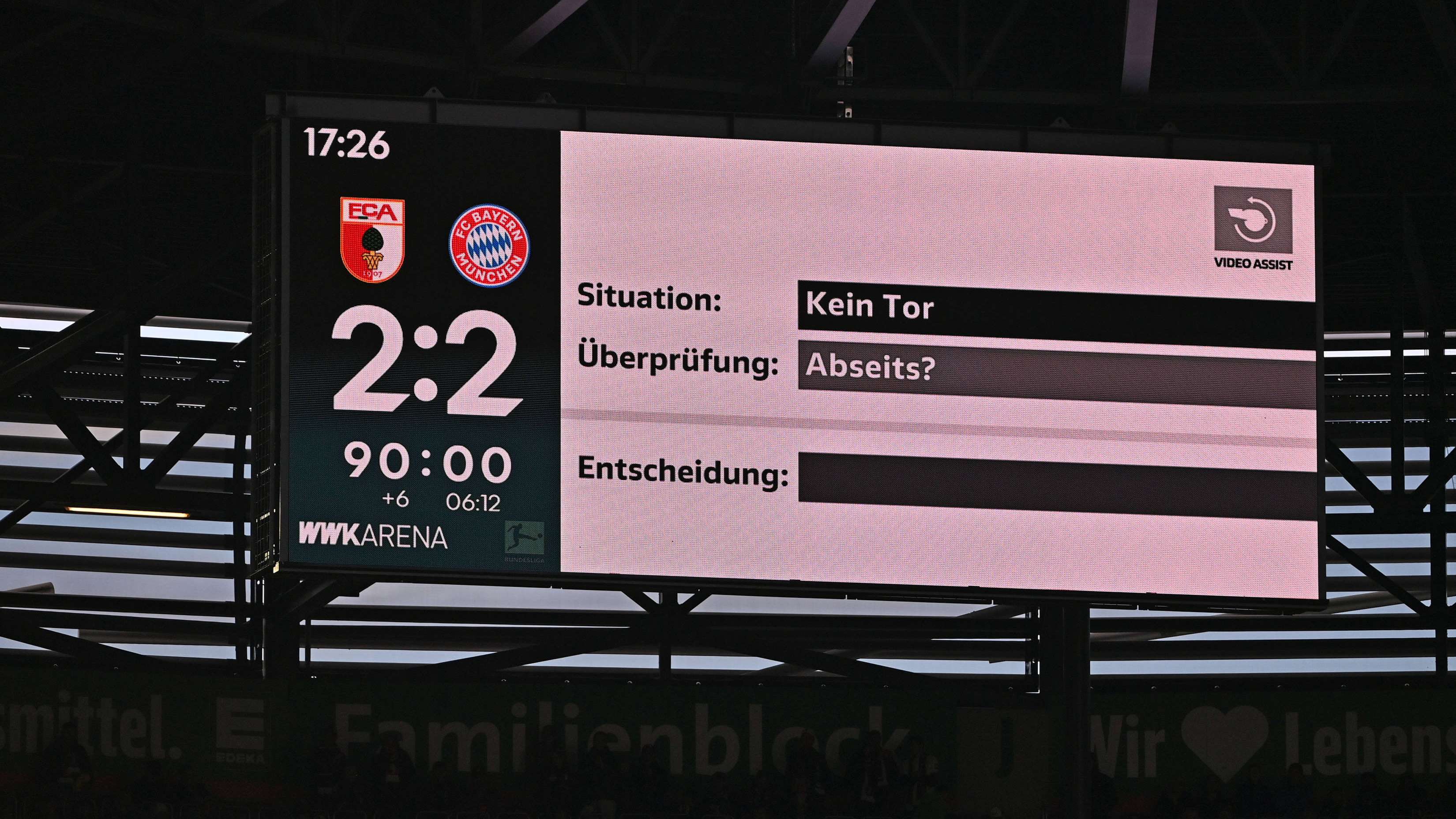
Wätjen's rise at BVB was meteoric. Making his professional debut on Matchday 32 against FC Augsburg in May 2023 without any prior senior experience, the academy product immediately impressed, assisting the fourth goal in what would be Marco Reus' penultimate home appearance. Terzic's praise was unequivocal: "He was outstanding, extremely brave, and needed no time to settle." Sporting director Sebastian Kehl echoed the sentiment, calling it a near-perfect introduction to top-flight football. That single standout performance, however, created unrealistic expectations that would dog Wätjen throughout the following season.
The Sophomore Slump and Lost Development Path
When Nuri Sahin took over as manager, he identified a familiar pattern affecting Wätjen. "In your first year, nobody knows you; you're the rising star," Sahin observed. "In your second year, you have to deliver." The psychological pressure intensified as Sahin limited Wätjen to two senior outings, preferring he develop with the U23s in the third tier. Recurring minor injuries interrupted his progress, though he did manage five goals in 20 matches before BVB's youth side was relegated to the Regionalliga—a clear signal the player needed a stepping stone elsewhere.
Dortmund identified Bochum as that stepping stone, but the decision revealed a critical oversight. The newly-relegated Bundesliga club did not require another attacking midfielder. Wätjen's early months proved disastrous under Dieter Hecking, who deployed him across multiple positions as Bochum lost seven of eight opening matches. More talented midfielders—Cajetan Lenz, Mats Pannewig, and Francis Onyeka—quickly established themselves in the pecking order, pushing Wätjen further down the hierarchy. Only under successor Uwe Rösler did circumstances begin improving for the German midfielder.
A Cautionary Tale in Loan Strategy
At just 20 years old, Wätjen demonstrates remarkable self-awareness about his circumstances. He acknowledges over-analyzing situations and admits his rapid ascent created unrealistic pressure. "Sometimes I wish things hadn't gone so well," he confessed to Sport1 in October. "Partly to slow myself down and the expectations I had." Yet responsibility for this predicament extends beyond the player himself. BVB's failure to adequately assess Bochum's tactical needs before sanctioning the loan represents a significant recruitment error that has hampered a prospect's crucial developmental window.
The cautionary tale underscores how even well-intentioned moves can derail promising talent. With Wätjen still young enough to recover trajectory, his focus must shift toward consistent performances at Bochum and earning genuine minutes under Rösler's tactical framework, away from the suffocating expectations that followed his breakthrough moment.