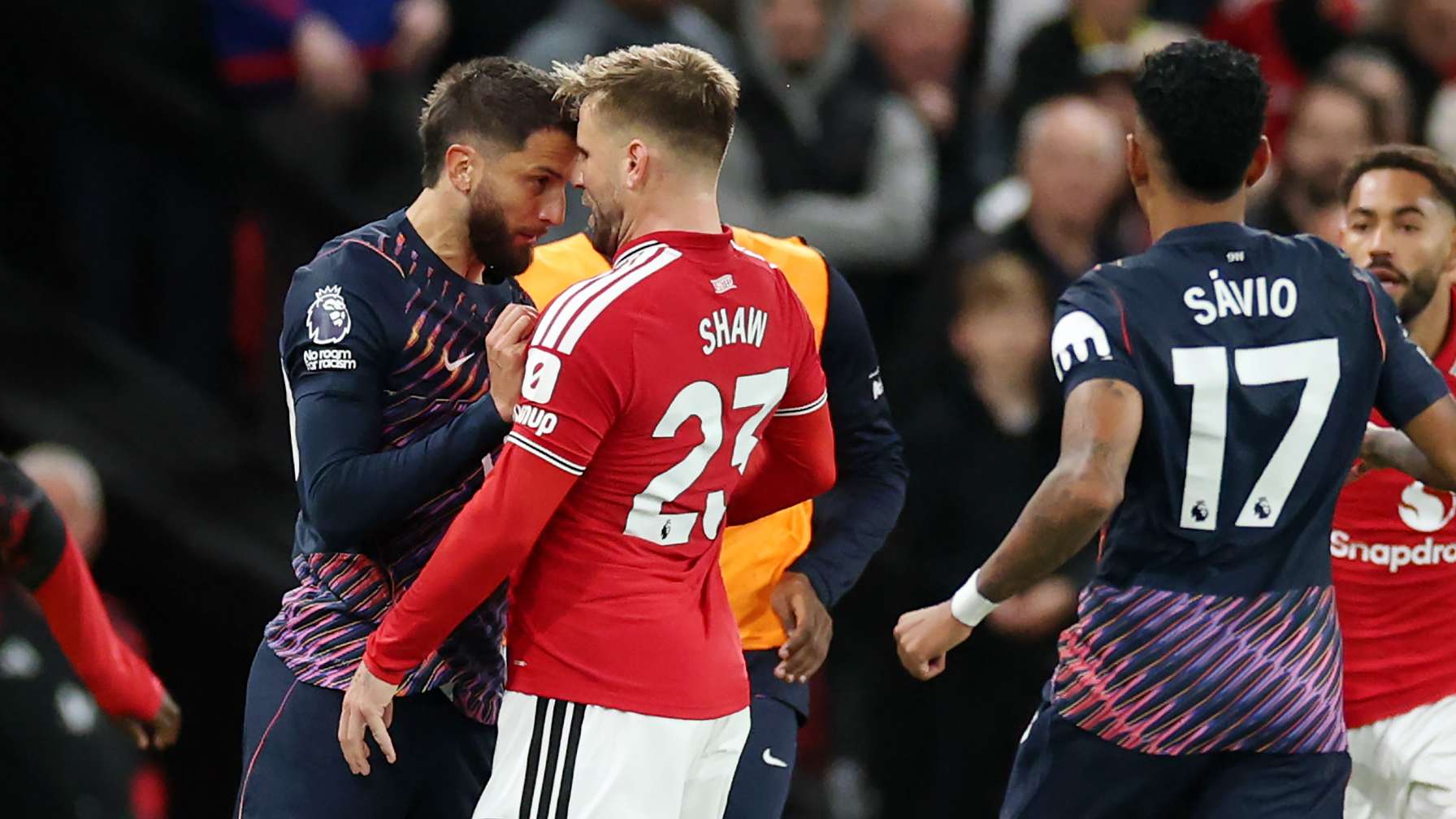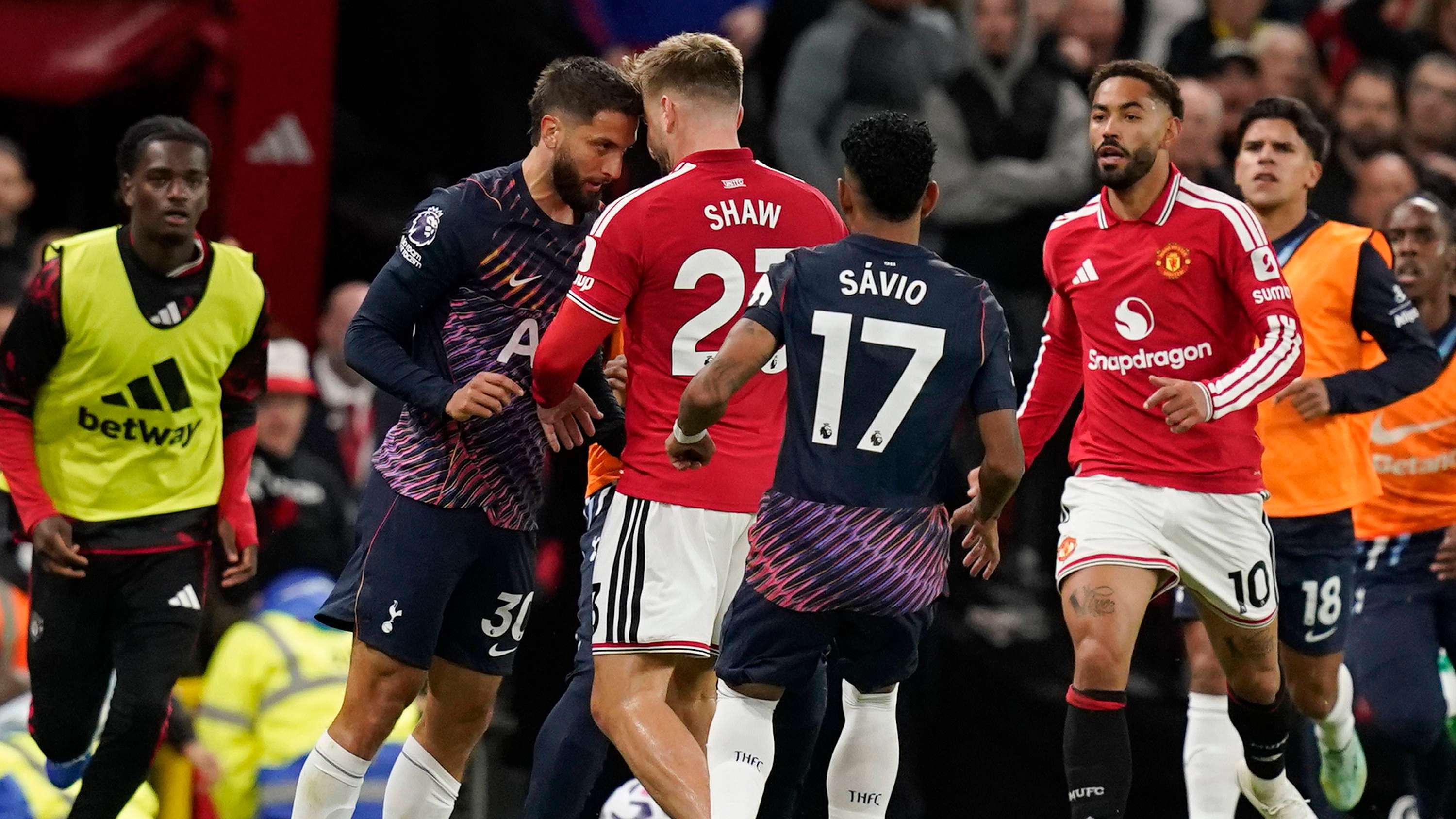
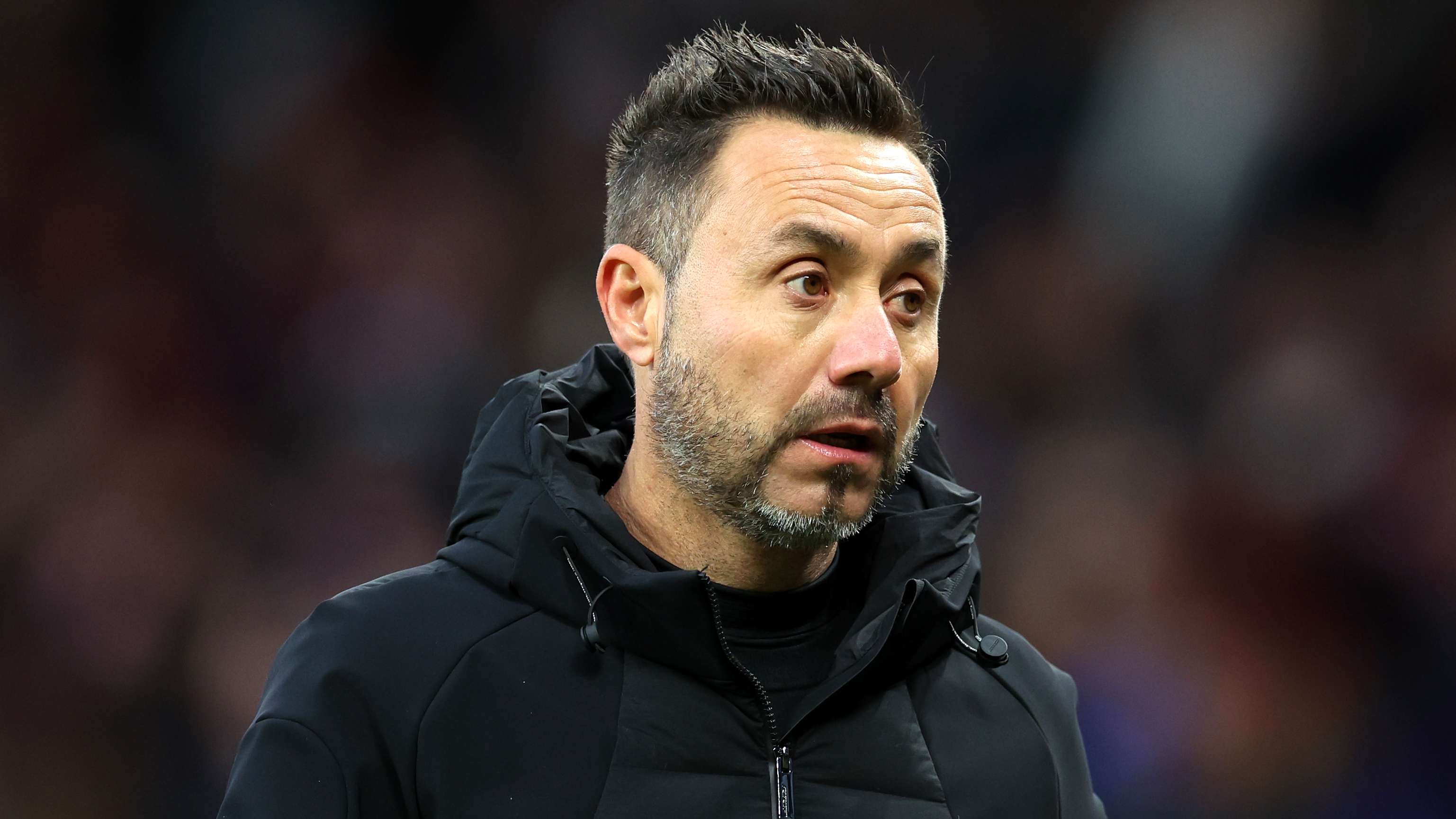
Roberto De Zerbi delivered an unconventional show of support for Rodrigo Bentancur following the midfielder's dismissal in Tottenham's 1-1 draw at Manchester United. The Tottenham manager revealed he kissed the Uruguayan in the dressing room despite the costly red card, viewing the incident as a sign of the character his struggling side desperately needs.
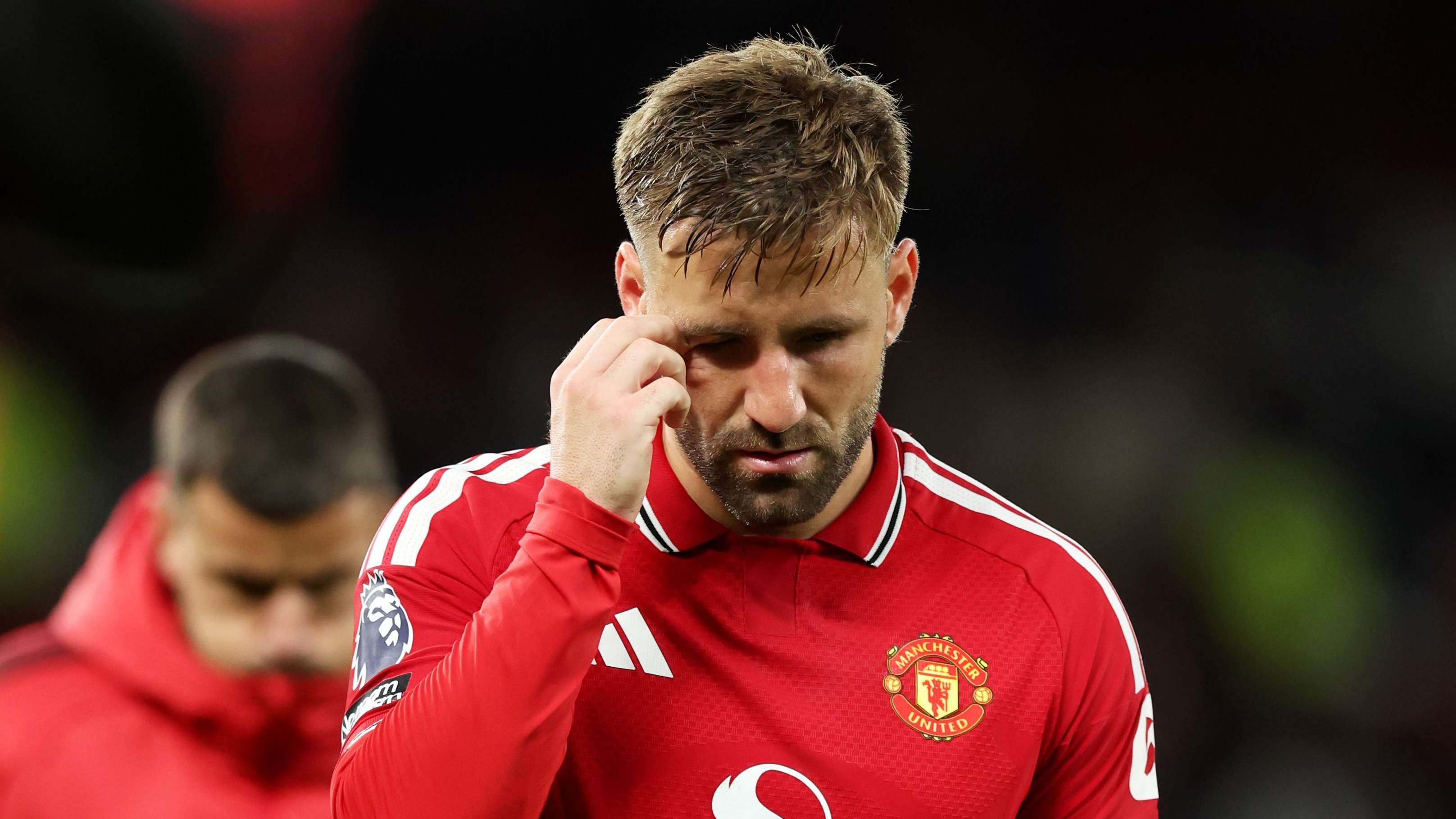
Bentancur was sent off in the second half after a heated altercation with Luke Shaw, leaving Spurs to battle with ten men for the final stretch. The red card came shortly after Tottenham fell behind, compounding what appeared to be another frustrating afternoon. Yet De Zerbi saw something different in his player's reaction—a refusal to accept defeat that the Italian believes has been missing from his squad's performances.
Character Over Compliance
"Today we show we are a team for the first time this season," De Zerbi told Sky Sports. "We play as a team. We suffer, we dominate the game. But in every situation, we were in the game." The manager acknowledged that while a red card is "a bad way, it's not the right way," the mentality it represented aligned with what Tottenham requires to escape their current predicament. "I kissed Bentancur in the dressing room because we need this reaction, this type of reaction with character. Football is character."
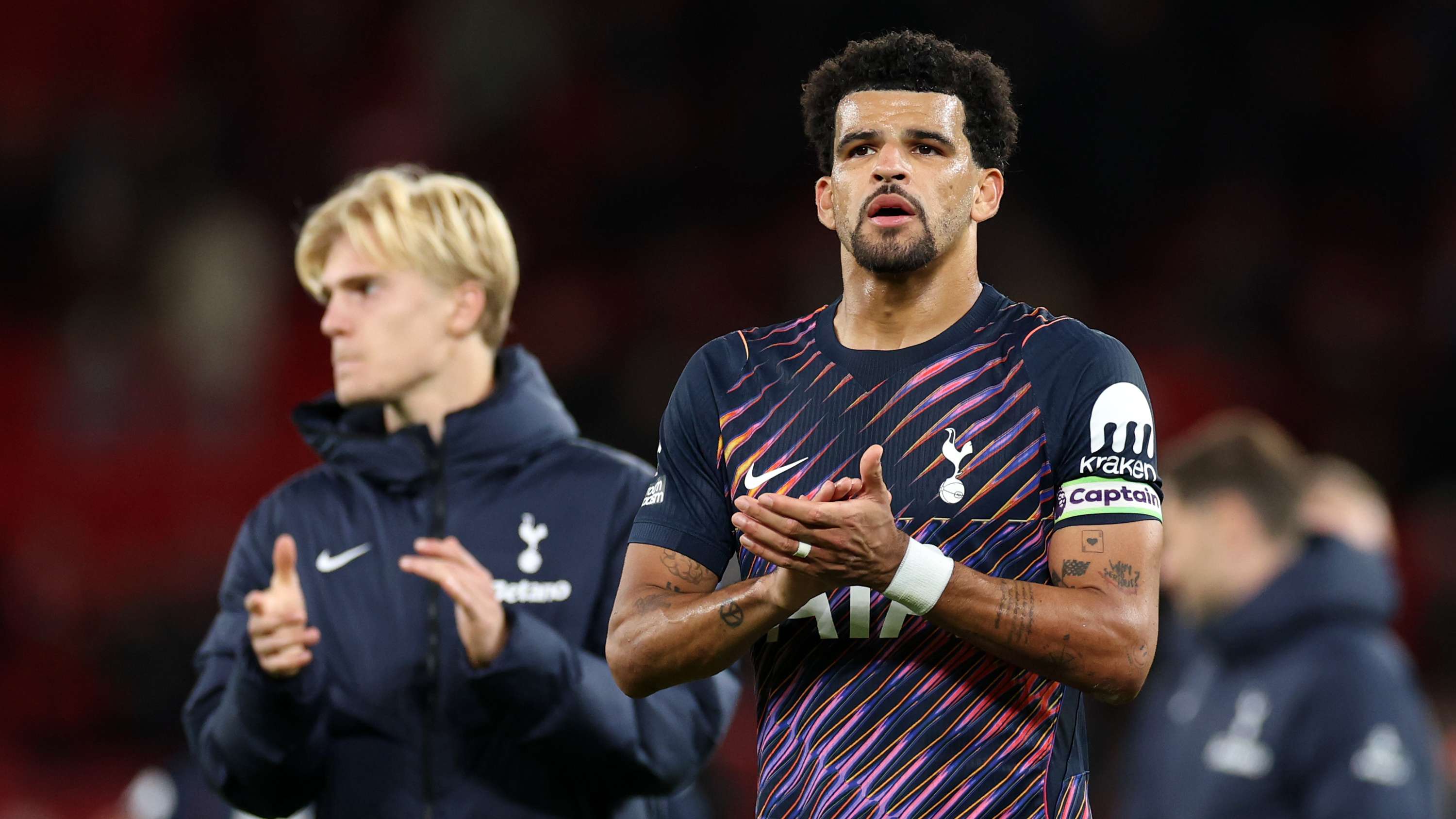
The equalizing goal arrived in the 92nd minute through captain Dominic Solanke, who De Zerbi rewarded with the armband for his resilience during a barren run. The striker has now scored four Premier League goals against United and delivered precisely the kind of leadership the manager seeks. "There are not too many strikers better than Solanke," De Zerbi said. "He is a great guy, a great player and we have to believe in ourselves."
Fighting Relegation Zone Reality
The point at Old Trafford offers marginal progress for a club enduring its worst league start in decades. Tottenham remains without a win after six matches—a position mirrored only three times in the club's history: 1912-13, 1955-56, and 2008-09. They currently sit in the relegation zone, a stark reality that underscores the pressure on De Zerbi's tactical vision. The Italian arrived promising attractive, attacking football, but the Premier League has proven a testing ground for his philosophy during this transitional period.
De Zerbi framed the Manchester United performance as a potential psychological shift, particularly the second-half resilience after Bentancur's dismissal. He emphasized that team cohesion and mentality now supersede possession statistics, arguing his players must accept nothing less than victory at elite venues. Whether this late draw marks genuine momentum or merely postpones further scrutiny remains to be seen, but the manager's message was clear: Tottenham's path forward demands character above all else.