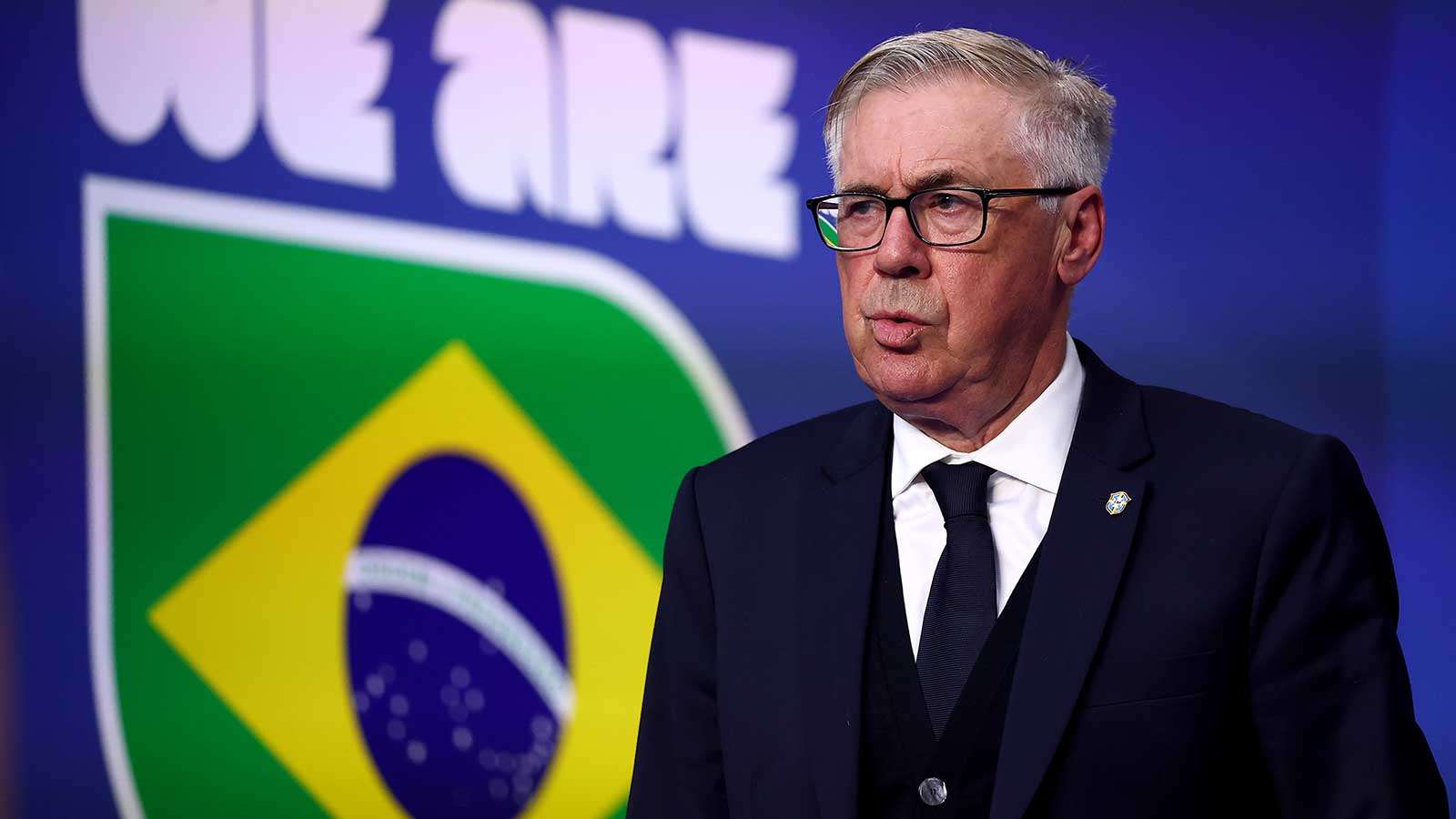
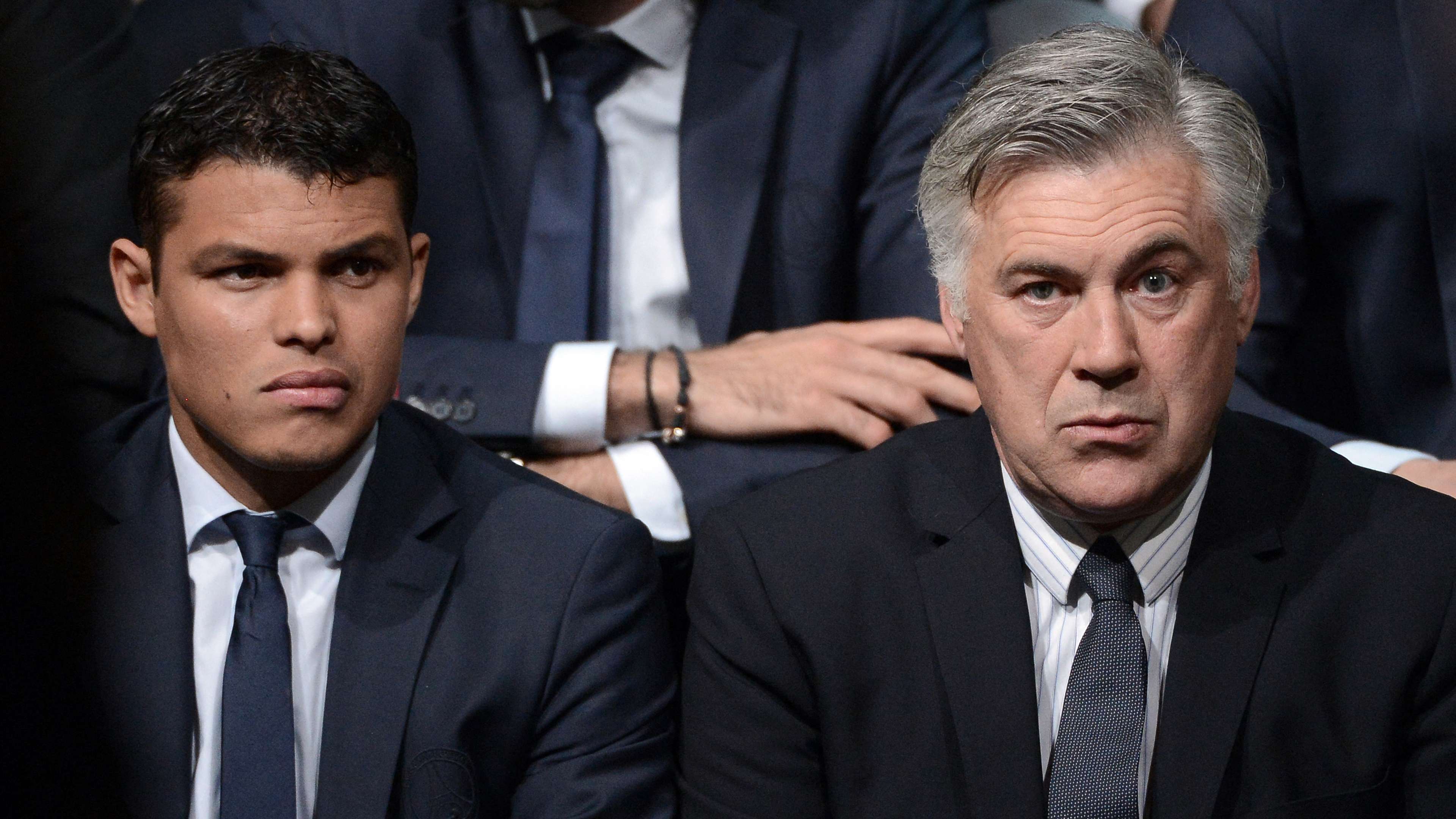
Carlo Ancelotti and Thiago Silva have ignited a fierce debate over Brazil's squad reconstruction, exposing deep divisions within the national team setup. Silva's public criticism of the Italian manager's youth-first approach has crystallised concerns about how swiftly a football superpower can transition between generations without sacrificing experience and stability.
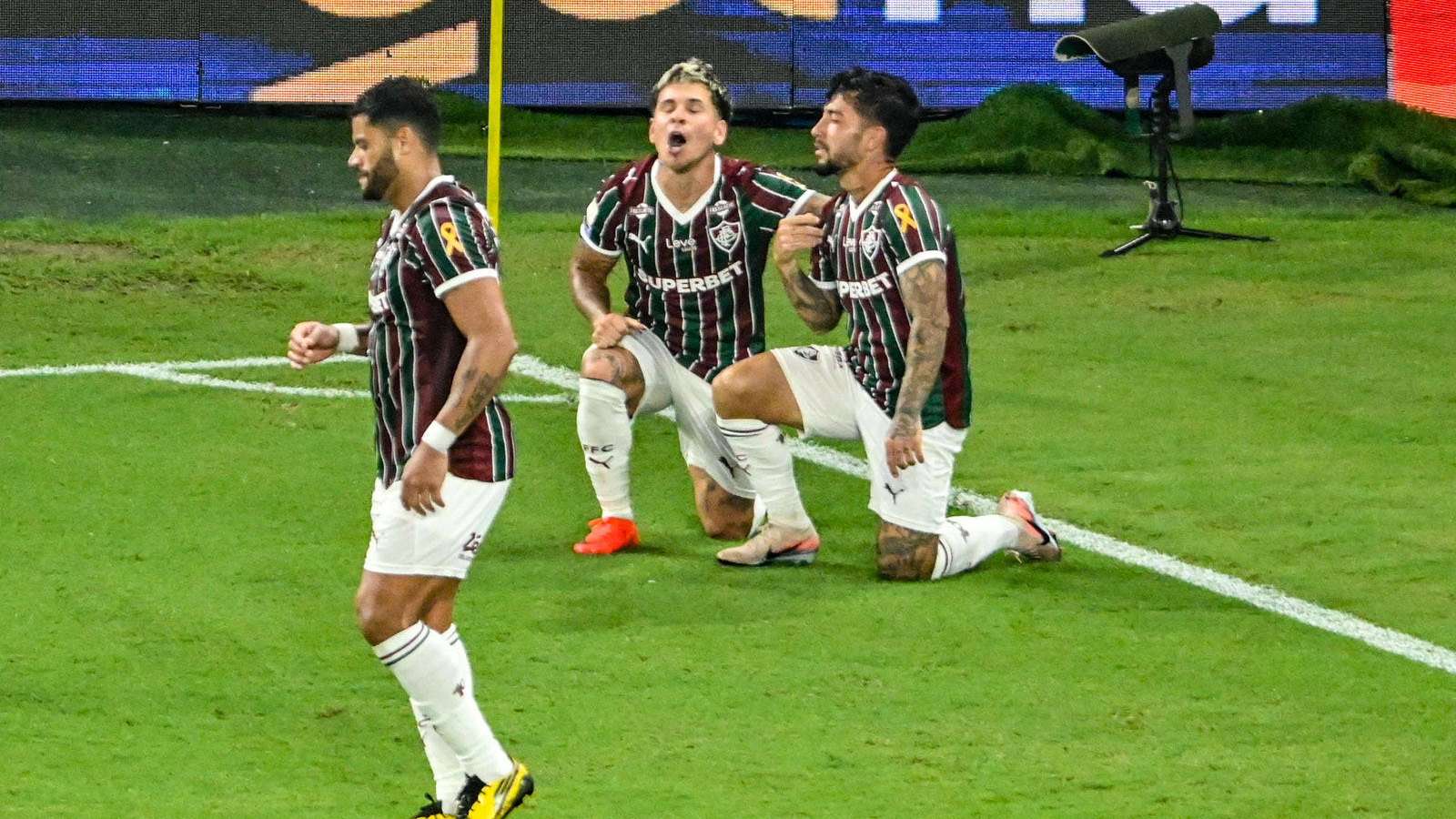
The two men's contrasting visions emerged following Ancelotti's announcement of a 26-player squad for friendlies against Australia and India. Silva, the 113-cap veteran, questioned whether Brazil can simply discard senior players in their early thirties. Speaking to Radio Tupi after Fluminense's Copa Libertadores triumph over Platense, Silva argued that international football demands patience. "You can't rule out players who are 31, 32 or 33," he declared. "In the Brazilian national team, things have to be done step by step. You can't just get rid of everyone and bring in new players."
The European vs Brazilian Football Divide
Silva, who was overlooked for the recent World Cup squad despite strong performances during a loan at FC Porto, suggested Ancelotti's European background shaped his impatience. "He comes from European football, where it's easier to make changes," Silva observed. "It doesn't work like that here. I don't agree with it, but he's the one in charge." This critique touched on a fundamental tension: whether strategies proven in La Liga or Serie A translate seamlessly to the complexity of international football, where tournament cycles and federation politics create different pressures.
Ancelotti responded with characteristic directness during a press conference at CBF headquarters in Rio. The manager dismissed age as a barrier, stating: "I don't generally look at players' age." He reinforced his strategy by explaining that while these friendlies serve to identify emerging talent, proven 34 or 35-year-old performers would not be excluded from major competitions if their fitness and ability warranted selection. His balanced squad selection underscored this philosophy—ten uncapped players under 30 received first-time call-ups alongside established stars like Vinicius Junior, Endrick, and Raphinha.
New Faces Leading Brazil's Transition
- Goalkeeper Hugo Souza and defenders Arthur Dias and Jair represent the defensive overhaul
- Manchester City's Vitor Reis becomes the youngest challenger for the backline
- Midfielders Breno Bidon and Gabriel Bontempo earned debuts alongside creative weapons Estevao and Endrick
Brazil's last-16 exit at the World Cup created urgency for Ancelotti to rebuild before the next Copa América cycle. His appointment signalled a decisive shift away from defensive conservatism, yet Silva's intervention highlights the risk of alienating experienced players too hastily. The 2025 friendlies against Australia on September 25 and 29, followed by India in Kolkata on October 3, will reveal whether Ancelotti's youth-led model can sustain Brazil's ambitions, or whether premature departures of seasoned internationals will cost the Seleção dearly when knockout tournaments demand composure.