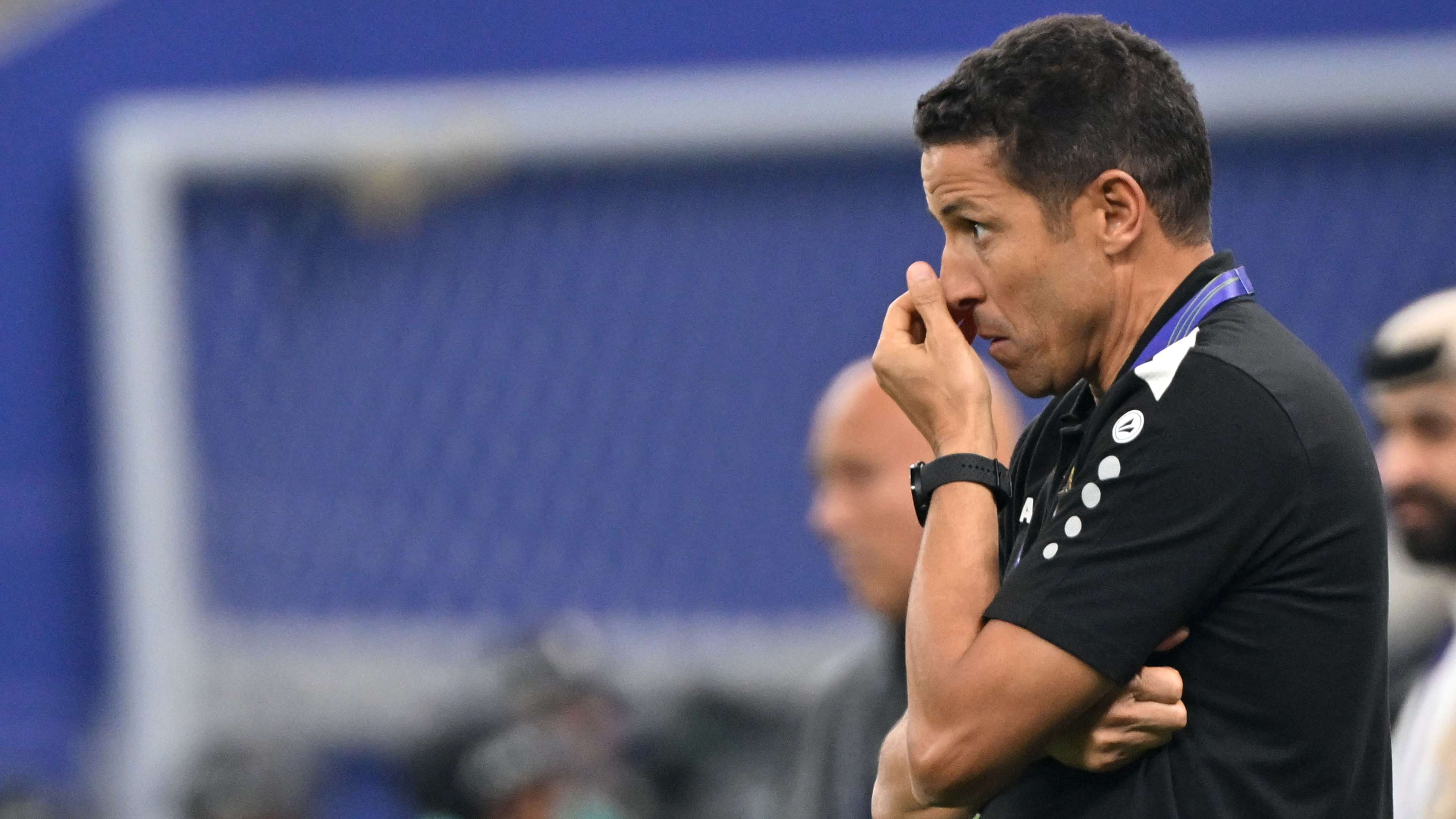
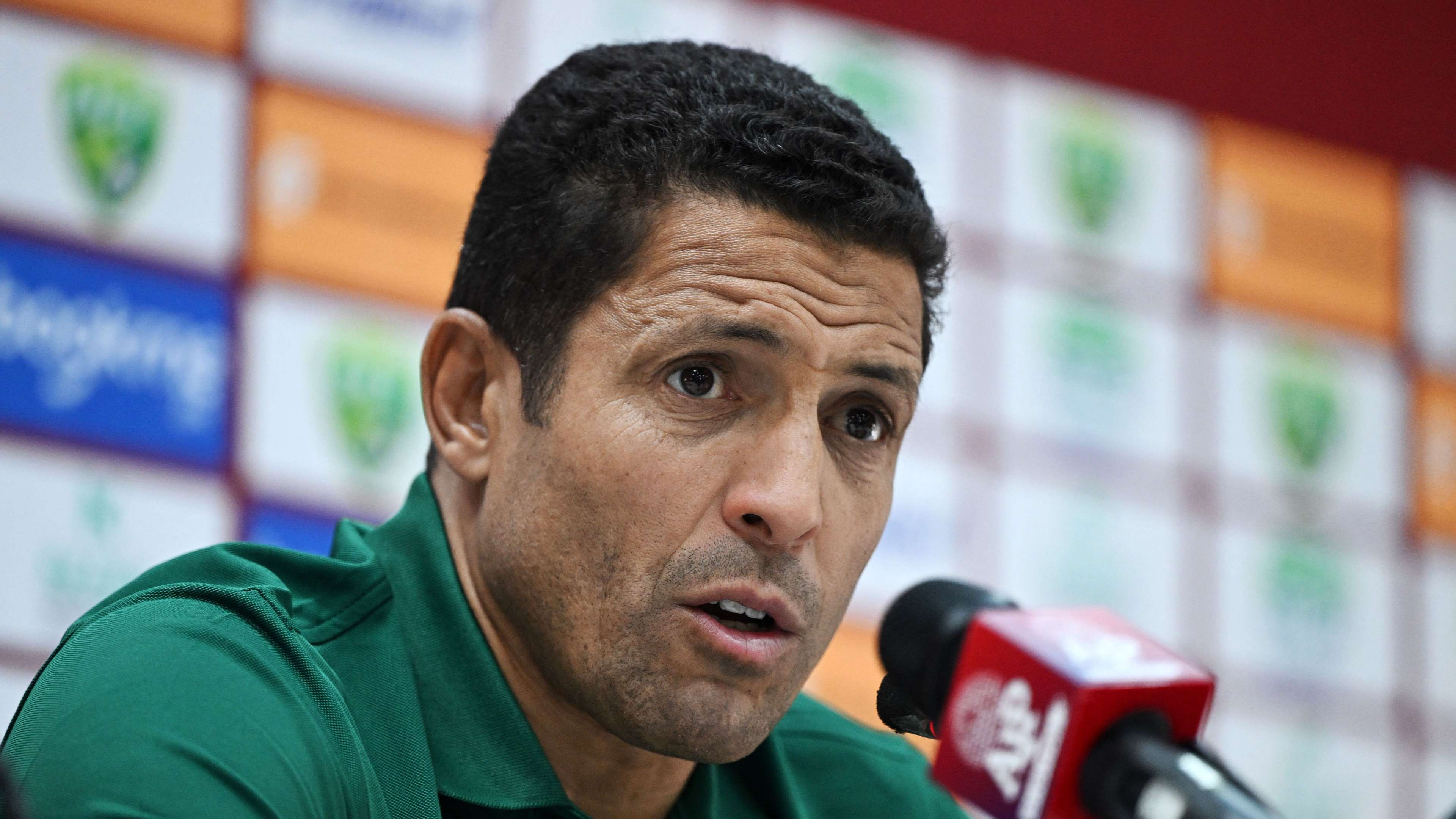
Media pundit Ahmed Shobier has launched a scathing critique of Hossein Ammouta, the technical director at Egypt's Al-Ahly, following an on-pitch incident involving player Ali Mahmoud during Wednesday's match against Al-Mokawloon. The confrontation, captured on camera as Mahmoud was substituted, has sparked widespread debate about discipline and professionalism at the club.
The incident unfolded when Mahmoud came off the pitch and shook hands with football director Wael Gomaa before approaching Ammouta. The technical director appeared visibly angry, pulled the player towards him, exchanged words, and shoved him—a moment that immediately generated controversy among supporters and media observers.
Shobier Defends Mahmoud's Actions
Speaking on radio, Shobier offered a detailed breakdown of what occurred, ultimately concluding that Mahmoud bore no responsibility for the altercation. "The boy did absolutely, absolutely, absolutely nothing," Shobier stated, emphasizing that Mahmoud's substitution was routine and exhibited no disrespectful behavior. He noted that the player merely appeared tired and upset—a natural reaction for any athlete leaving the field during competition. Shobier questioned why Mahmoud had even been referred for investigation, calling it unjustified given his conduct was entirely appropriate.
The former Al-Ahly goalkeeper argued that while a technical director may have legitimate concerns, addressing them physically and publicly undermines team morale and discipline. "Even if you're upset with him, that talk belongs in the dressing room," Shobier said, highlighting a crucial distinction between private correction and public confrontation.
Fan Dissatisfaction and Tactical Concerns
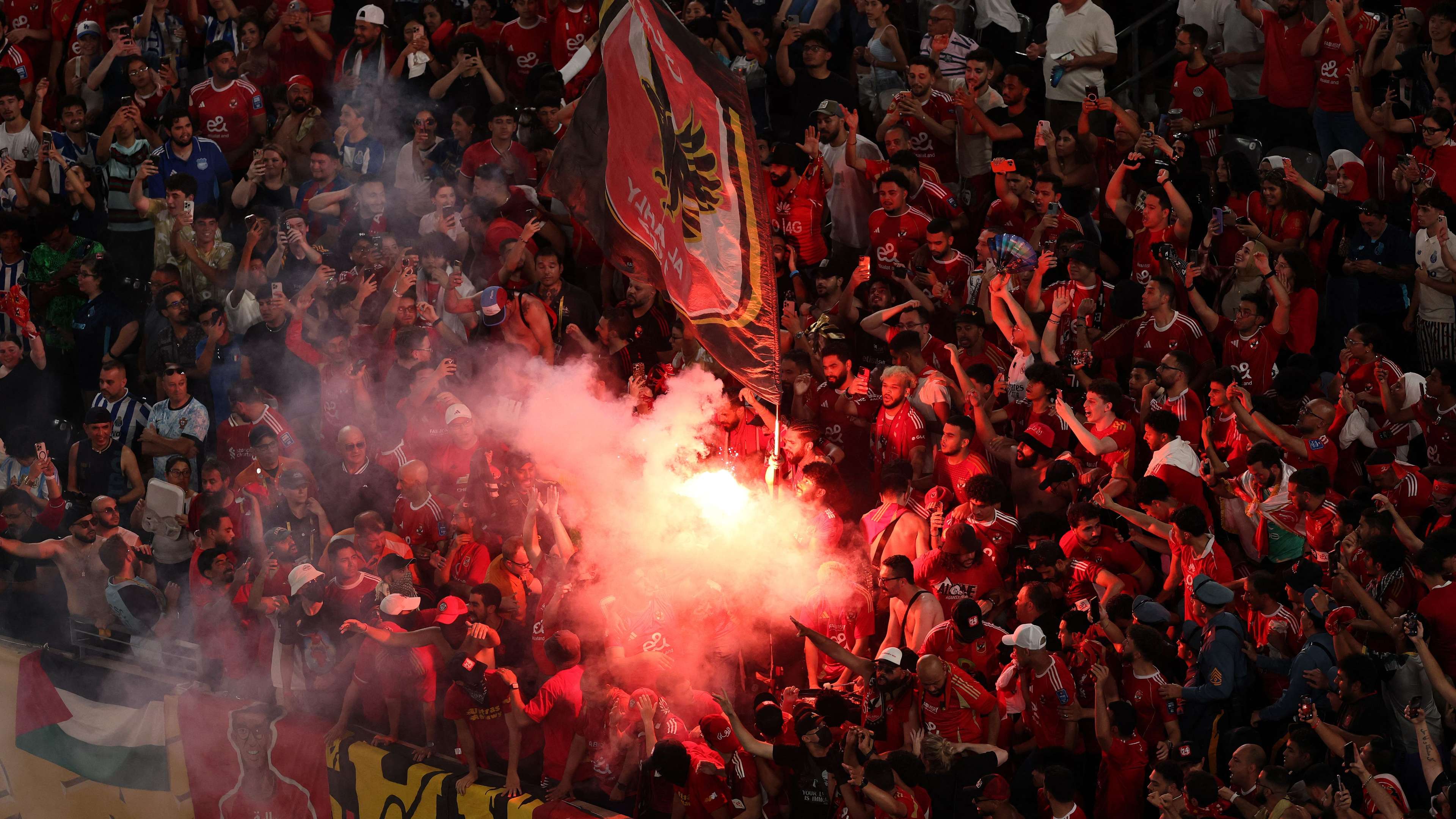
Beyond the Mahmoud incident, Shobier directed broader criticism toward Al-Ahly's management and performance. The club's 1-1 draw with Al-Mokawloon on Wednesday represented, in his view, a "very, very, very poor performance" that has left supporters increasingly frustrated. He identified several areas of concern:
- Inconsistent match management and questionable substitution patterns
- A visible state of dissatisfaction among the fanbase with tactical decisions
- Growing calls for managerial change amid perceived instability
Shobier pointed to rival manager Mokwena at Pyramids as a contrasting example, noting his recent victories over Al-Masry, Al-Mahalla, El Gouna, and Gor Mahia demonstrate what effective leadership looks like. This comparison underscores the mounting pressure on Al-Ahly's decision-makers to stabilize their approach.
Warnings About Frequent Managerial Changes
The pundit also cautioned against the revolving-door approach to coaching appointments, referencing Al-Ahly's recent history of frequent managerial switches—including tenures under Ribeiro, Emad El-Nahhas, and Torup. Such instability, he argued, breeds confusion and prevents the team from establishing consistent tactical identity or player development. Despite widespread speculation about replacing the current regime, Shobier stressed that changing coaches every five matches offers no long-term solution.
With Al-Ahly's Egyptian Premier League campaign under scrutiny and fan confidence visibly eroding, Ammouta and his coaching staff face mounting pressure to deliver results and restore the discipline and professionalism expected at the continent's most successful club. The incident with Mahmoud has become a focal point for broader concerns about leadership and direction at the Cairo giants.