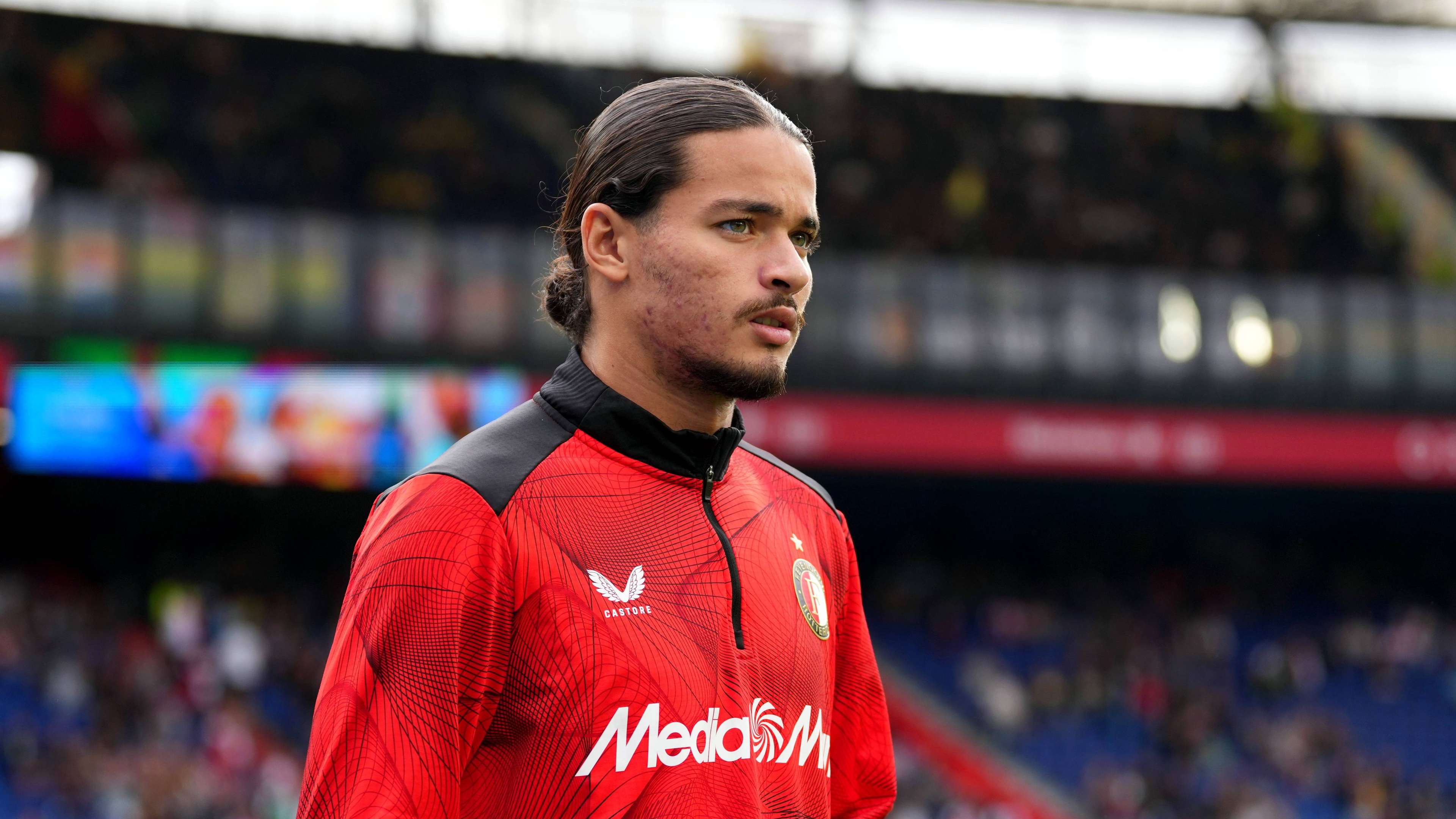
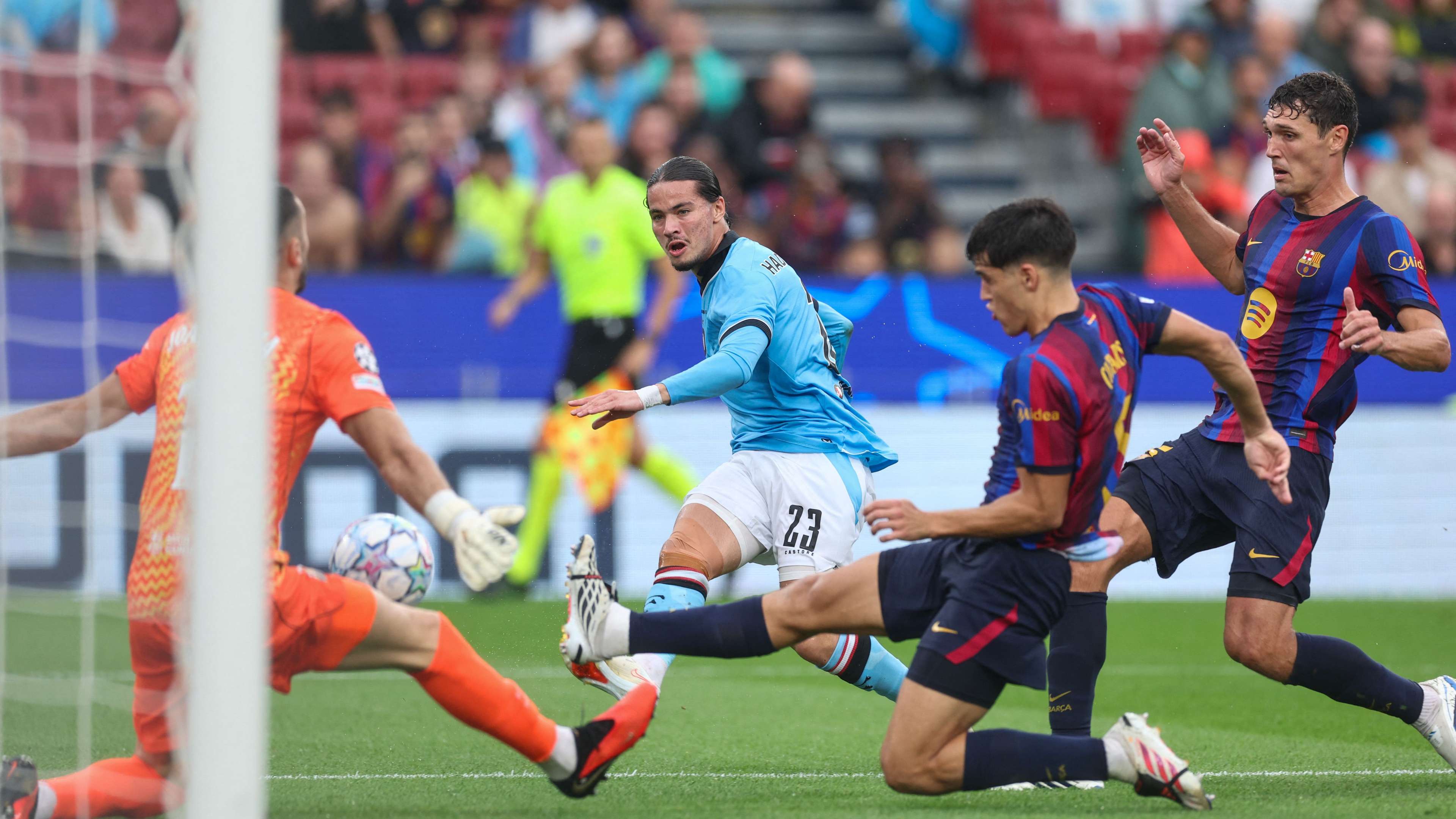
Anis Hadj Moussa became the focal point of a refereeing controversy during Feyenoord's Champions League visit to Barcelona on Wednesday evening. In the 21st minute, the Algerian winger attempted to navigate through the Camp Nou defence inside the penalty area and fell to the ground, prompting immediate appeals from the Dutch club for a spot kick. The on-pitch referee dismissed the claim, and the VAR team made no intervention.
Diving or Contact? The Incident Analysed
Specialists at Archivo VAR, a Spanish outlet dedicated to examining refereeing decisions, conducted a detailed review of the flashpoint. Their analysis revealed a deliberate movement by Moussa to draw contact from the Barcelona defenders. According to their assessment, the Feyenoord winger deliberately withdrew his foot to manufacture involvement from the opposition players rather than genuinely being fouled during his run through the box.
The verdict from refereeing experts remained non-committal: "A highly controversial case left to the on-field referee's judgement". This classification sits at the grey area of modern football's penalty decision-making, where clear-cut fouls blur with simulation or embellishment.
VAR's Silent Approach
What made this incident noteworthy was VAR's passive stance. Rather than flagging the decision as a potential error, the video review system allowed the referee's original call to stand. This restraint reflects the increasing trend of VAR operators avoiding intervention unless there is an obvious and clear mistake—a threshold this incident arguably failed to meet despite its controversial nature.
For Feyenoord, the decision meant they continued without a numerical advantage in a demanding Champions League fixture. Hadj Moussa's threat on the flanks has made him a regular target for defenders across European competitions, and contact scenarios involving the Algerian international have drawn scrutiny before. The incident underscores how penalty decisions in elite football remain subject to interpretation, even with technological assistance available to match officials. As VAR continues evolving its intervention protocols, cases like this will remain central to debates over consistency in football's most consequential moments.