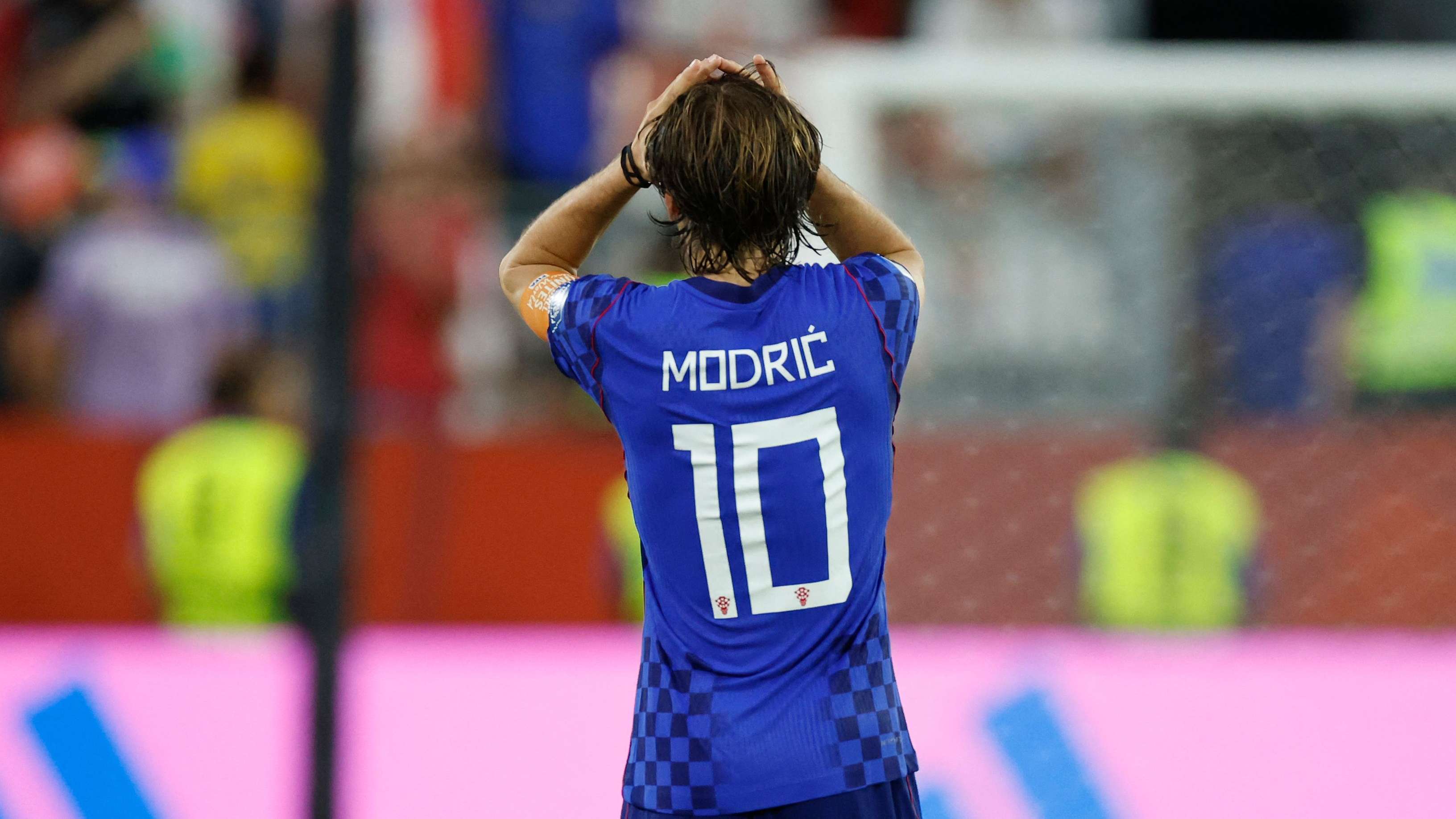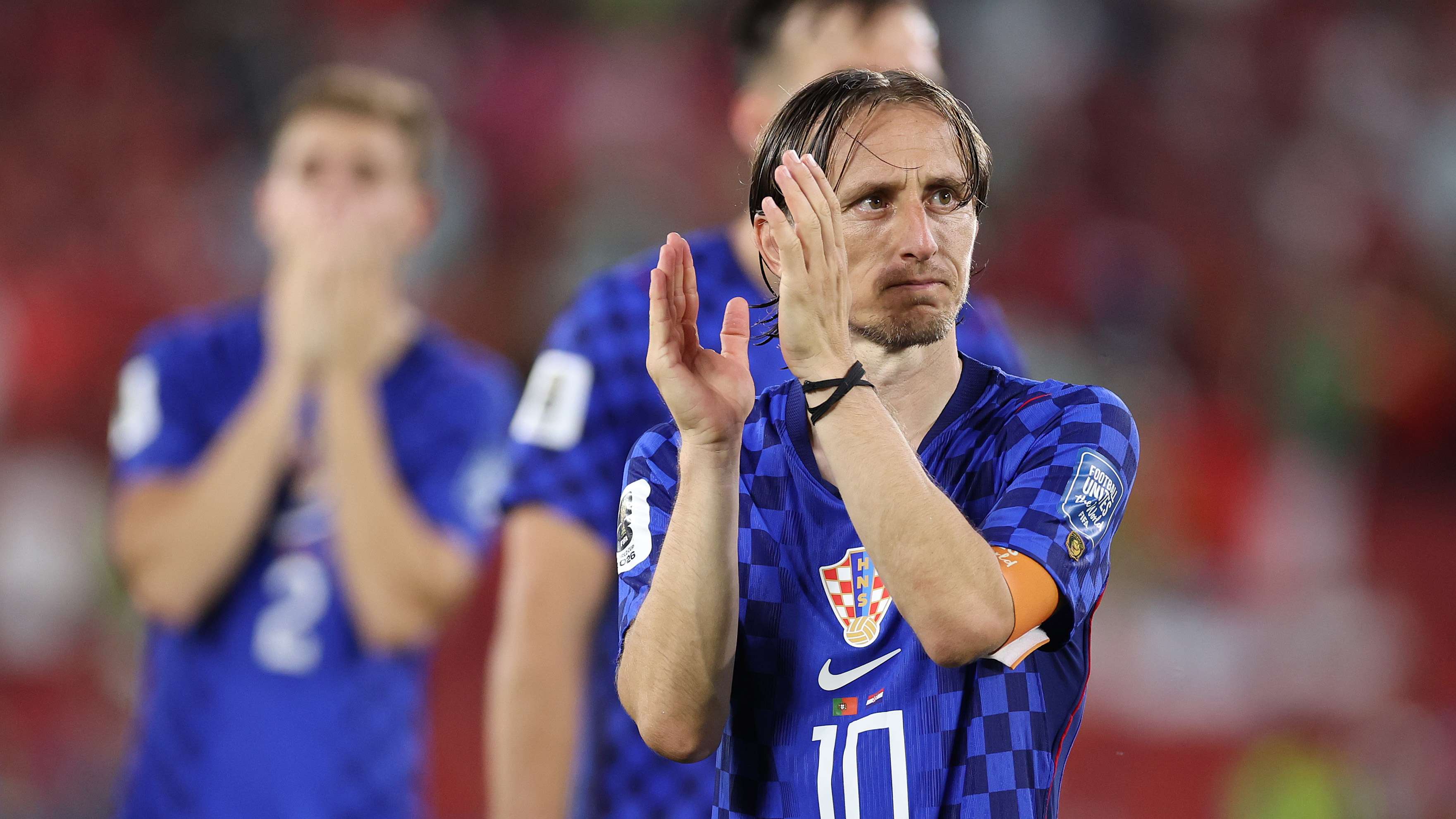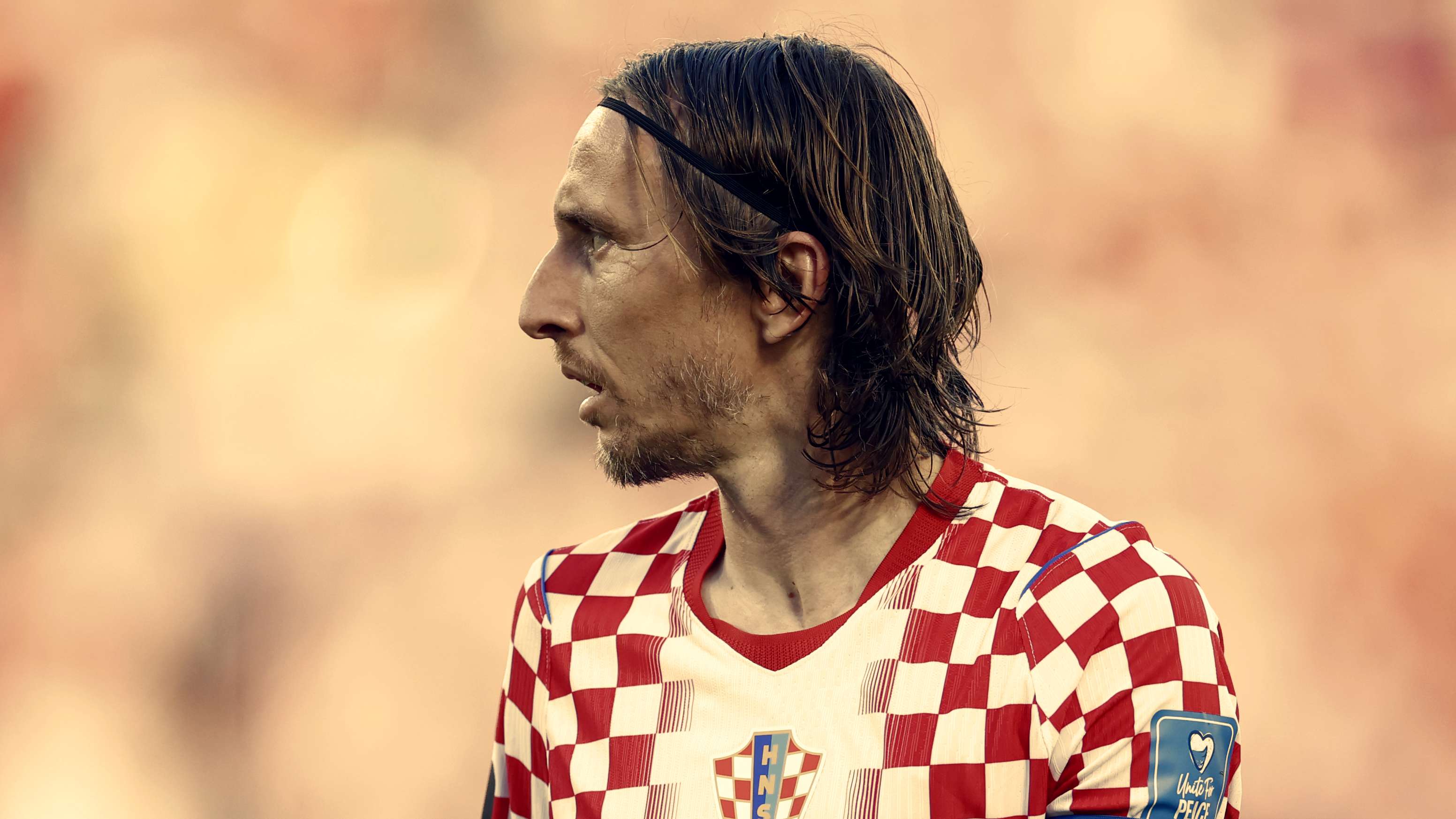
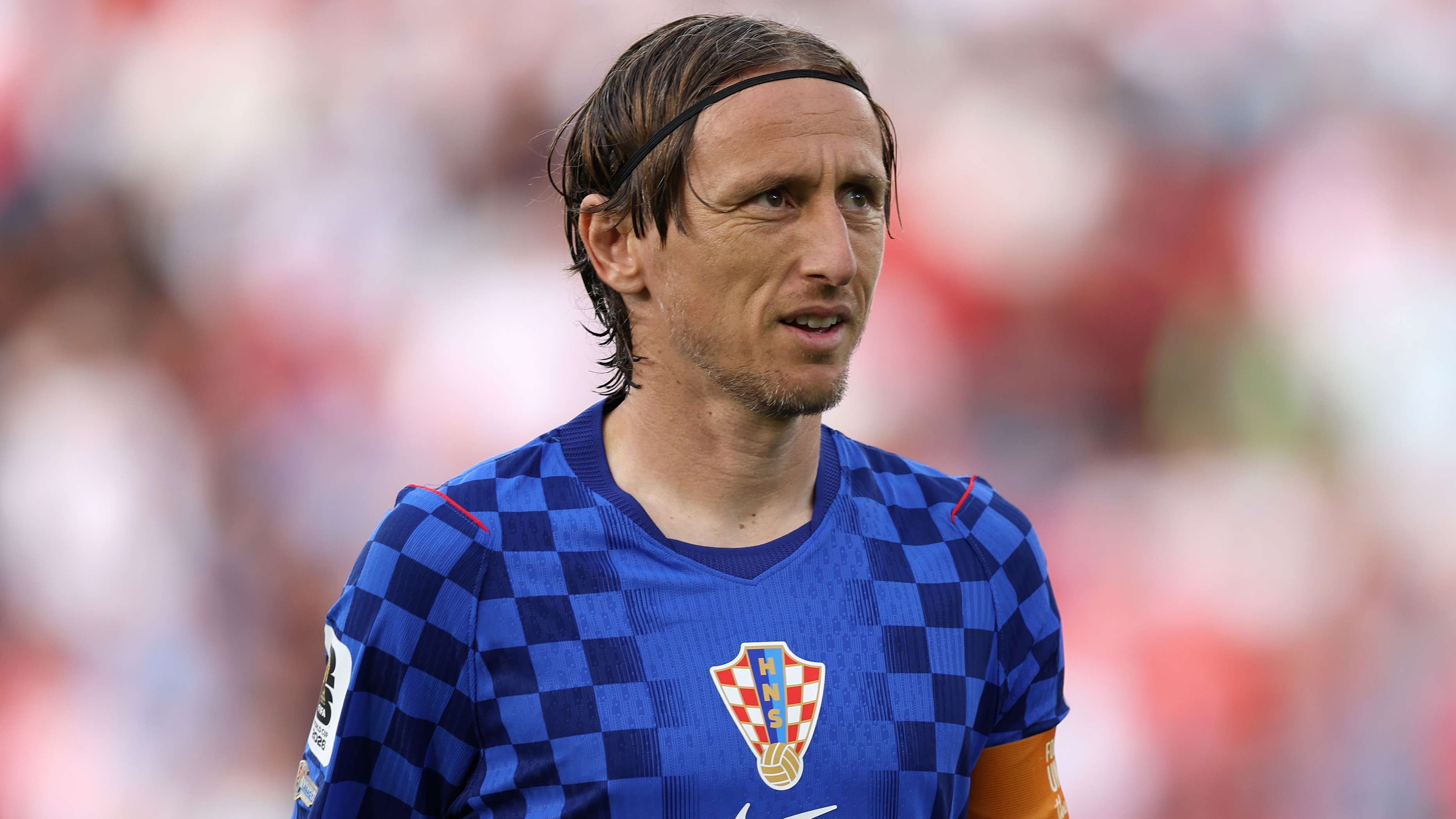
Luka Modric has committed to continuing his international career with Croatia despite turning 41, rejecting speculation about retirement following the World Cup. The legendary midfielder will feature in the upcoming Nations League campaign, where the Vatreni face demanding fixtures against Spain and England alongside Czech Republic and a second meeting with Spain.
New Croatia boss Slaven Bilic revealed he spent three hours in Zadar with Modric to discuss his role in the squad. "I spoke to Modric for a long time. Three hours in Zadar and then I let him go," Bilic explained. "He is still the most important player for Milan. There was no persuasion. He will play at a pace that suits him—not for us, but for him." The midfielder's continued importance at AC Milan underscores his enduring quality, even as he enters his fifth decade of life.
Managing Modric's Workload Across Competitions
Managing a 41-year-old across international football and club duties presents logistical challenges that Bilic has carefully considered. The coach confirmed Modric will not feature in all four Nations League matches, adopting a tailored approach similar to his management at Milan. "He won't play all four games. He will have to follow a rhythm that suits him and us. We must respect him, because it is the best solution for everyone," Bilic stated. This measured strategy reflects football's evolution toward data-driven player management, even for icons of Modric's stature.
Croatia's squad also welcomes continuity through Mateo Kovacic and features emerging talent like Josko Gvardiol. Goalkeeper Dominik Livakovic, recently signed by Barcelona, returns to the international fold despite limited playing time at his new club. Bilic acknowledged the historical significance of a Croatian goalkeeper joining such a prestigious institution while expressing hope that Livakovic will secure regular minutes in Catalonia to maintain his international form.
Fixture Schedule Tests Squad Depth
The international break demands excellence across multiple fronts. Croatia opens on September 26th away to Czech Republic before traveling to face Spain—reigning world and European champions—on September 29th. A home encounter with England in Rijeka follows on October 3rd, concluding with a return match against Spain in Split on October 6th. This gauntlet against elite opposition will reveal whether Bilic's squad possesses the depth to compete while carefully preserving Modric's availability for the final stretch of the calendar year.