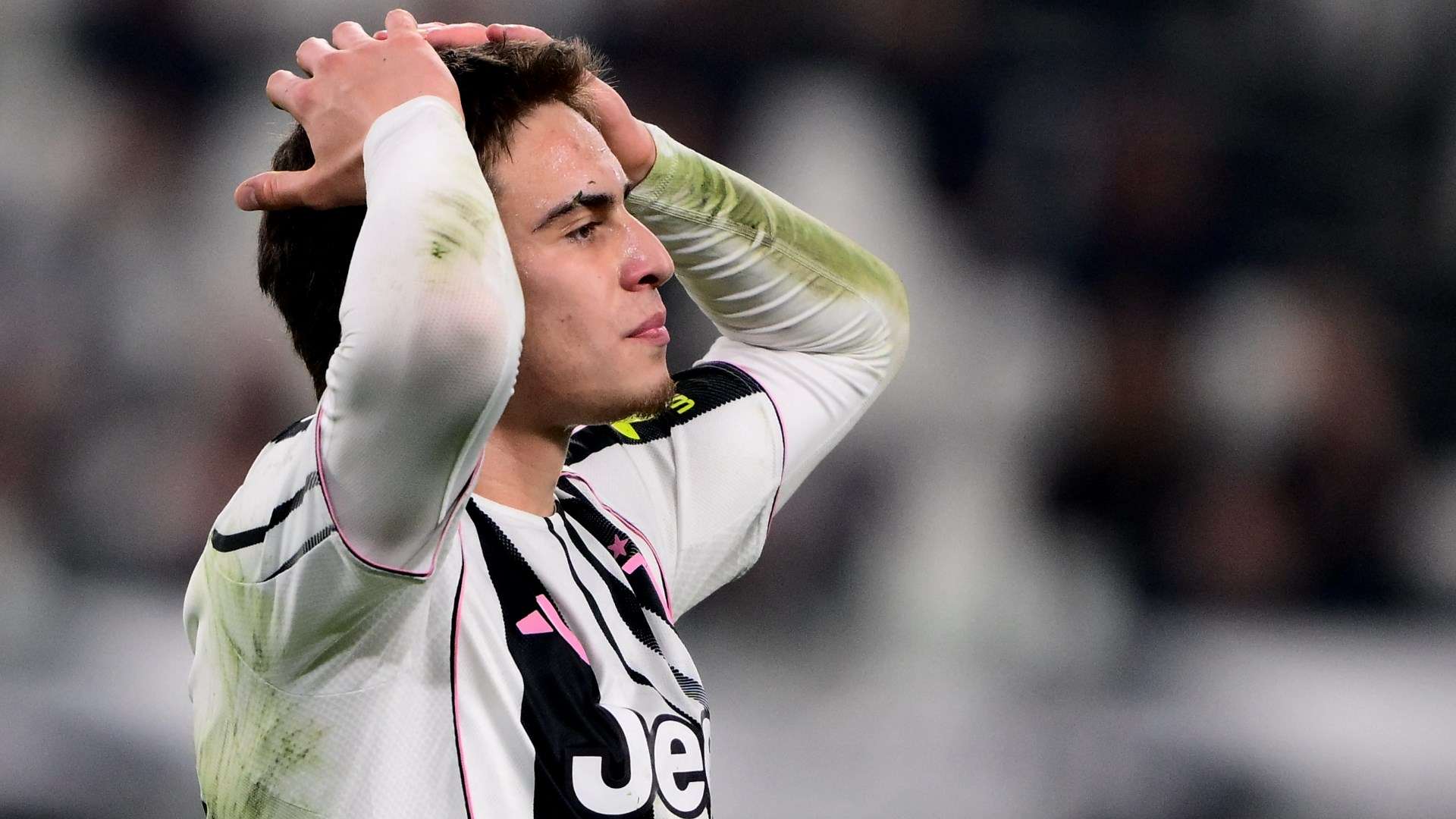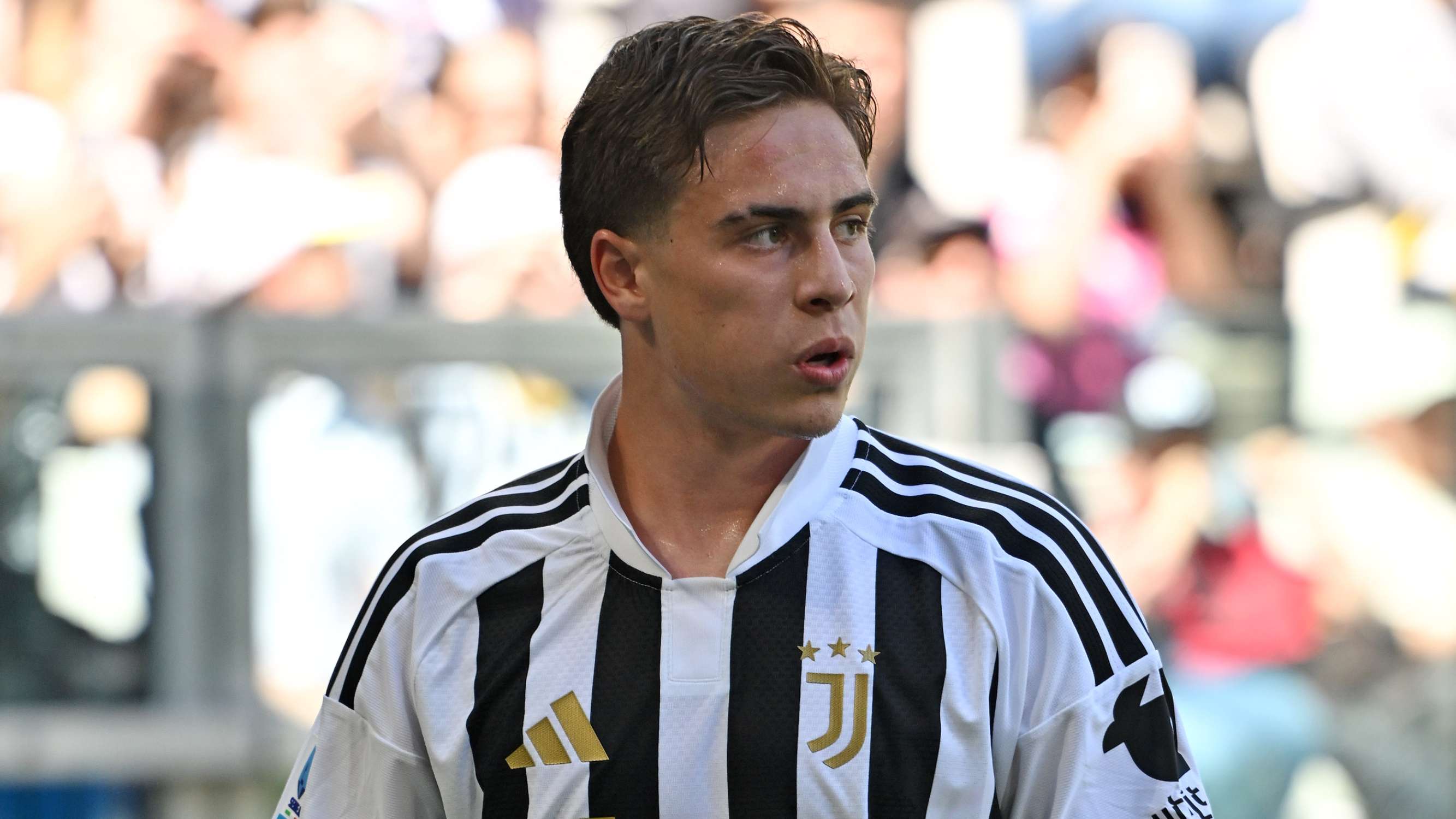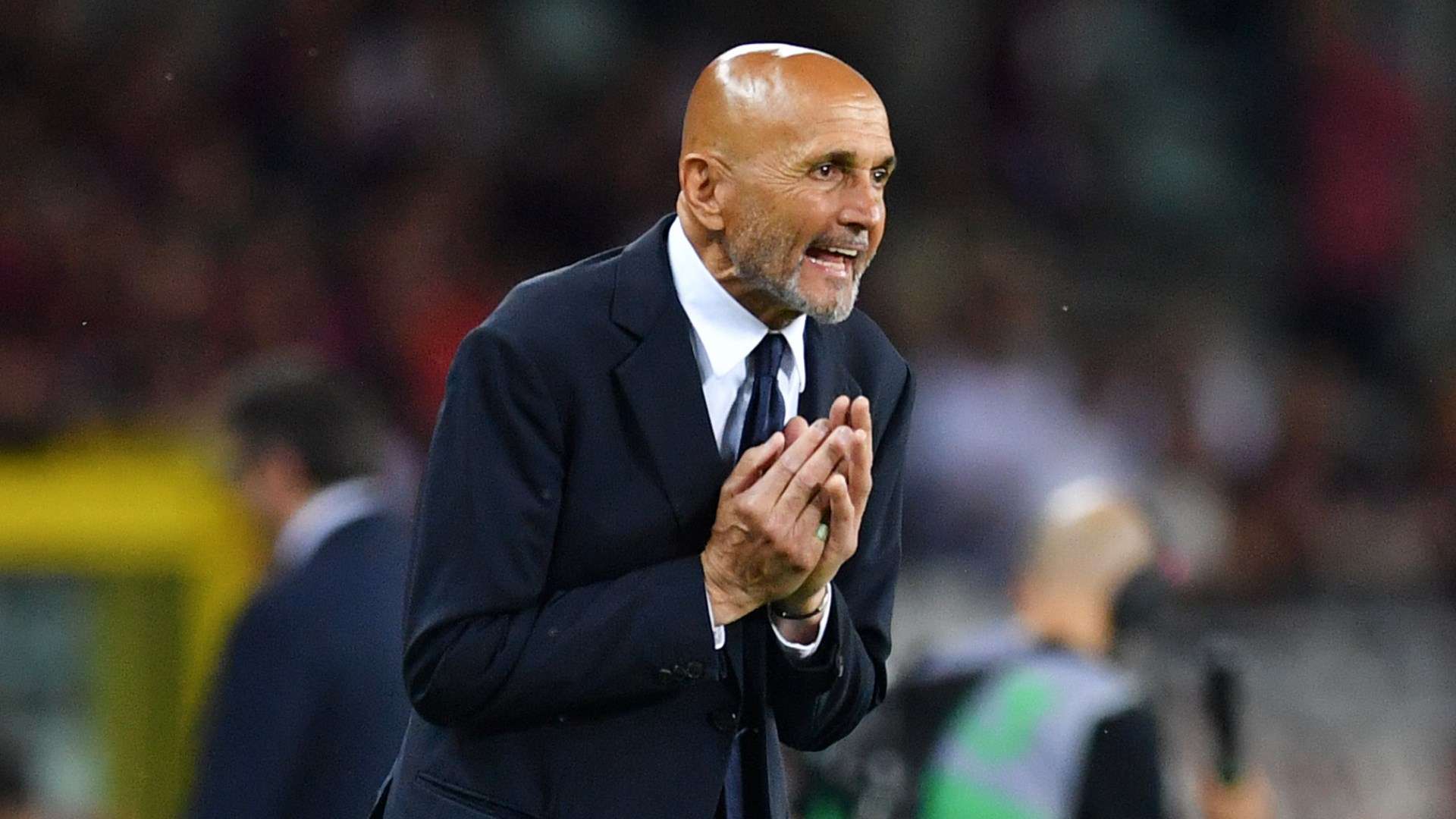

Juventus faces an unprecedented injury crisis after just three Serie A matches, with nine players sidelined compared to only seven points collected. The Bianconeri have beaten Frosinone and Parma but drawn with AC Milan, leaving manager Luciano Spalletti scrambling to find attacking cohesion as the squad battles both unavailability and inconsistency.
The treatment room currently houses Yildiz, Thuram, Locatelli, McKennie, Cambiaso, Boga, Ekhator, Cabal and Sarr, representing injuries of varying severity. While some stem from traumatic incidents and others from lingering muscle issues, a troubling pattern emerges when examining the club's recent history. Juventus has consistently recorded the highest number of injured players across Serie A in recent seasons, a statistic that mirrors the constant managerial and administrative turnover at the club.
Systemic Instability Behind the Injury Toll
The revolving door at Continassa extends across every level. Since 2014, five different fitness coaches have overseen player conditioning, including Simone Folletti, who served two separate stints. That instability—compounded by six managers since 2021 and multiple executive changes—undermines the continuity needed for injury prevention and recovery protocols. Spalletti's appointment, backed by club president John Elkann and legend Giorgio Chiellini, represents an effort to establish the stability required for a genuine reset.
The transfer market has created additional contradictions. Nico González, Teun Koopmeiners, and Federico Gatti remained because suitable offers never materialized, yet they have delivered goals and assists when given minutes. Meanwhile, Randal Kolo Muani, pursued across multiple administrations and finally signed under current director Cristiano Giuntoli, has struggled badly this season despite Spalletti's public frustration.
The Attacking Problem That Won't Go Away
Perhaps most damaging: forwards who departed Juventus are thriving elsewhere. Dusan Vlahovic, Adam Openda, and Luka Licina are finding the net at their new clubs while Juventus's attacking output remains subdued. This gap with Inter Milan and Roma is not defensive—the backline remains solid—but purely in goal-scoring efficiency.
With the transfer window closed and the injury list mounting, responsibility now falls squarely on Spalletti's shoulders. The 4-2-3-1 formation, while well-established, may require tactical reinvention to unlock attacking potential. The manager must find creative solutions without relying on the unavailable attacking talent, setting up what could prove to be Juventus's most demanding season in recent years.