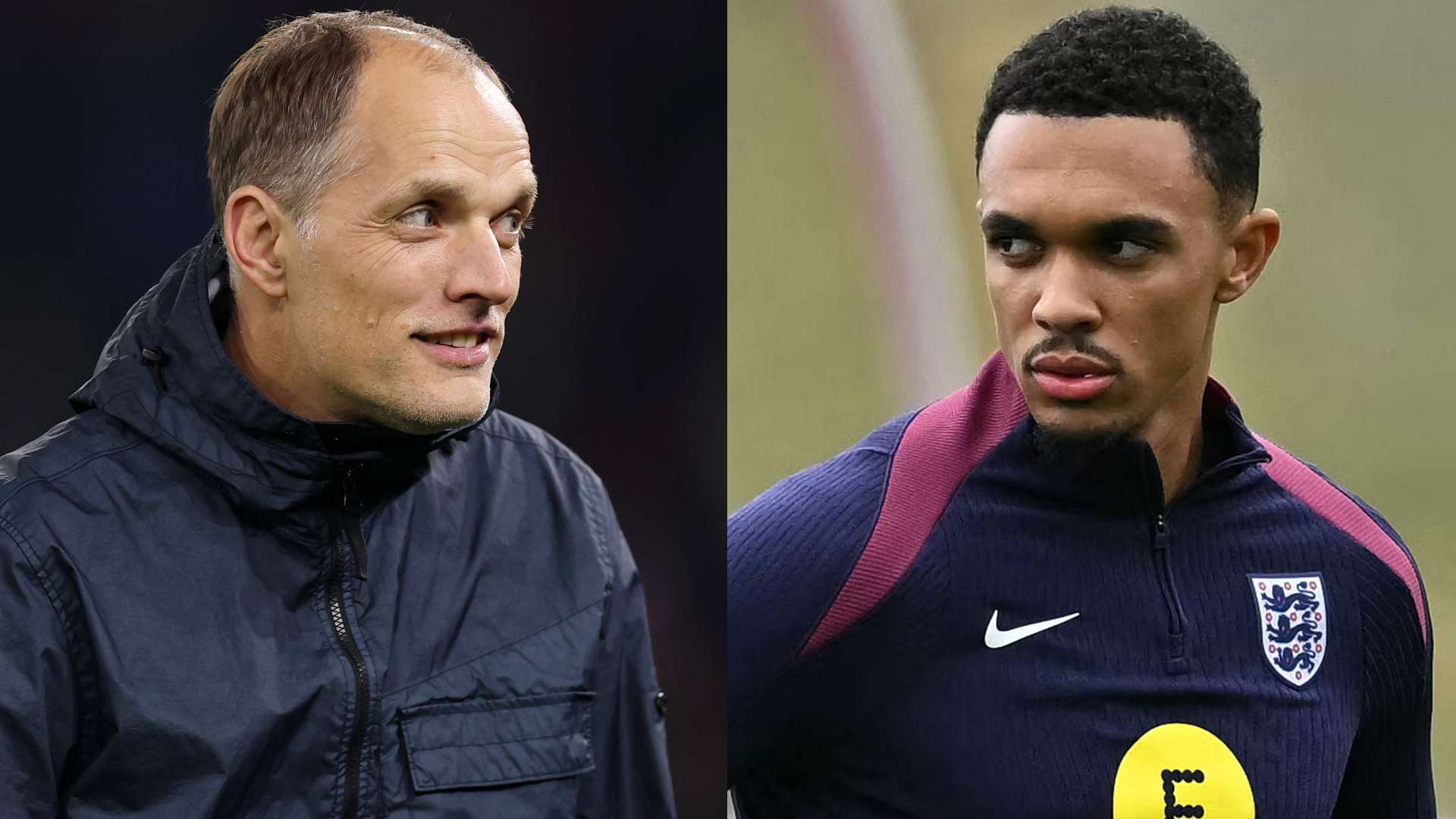
Trent Alexander-Arnold faces an uphill battle to restore his England credentials under Thomas Tuchel, according to former Liverpool and Three Lions defender Stephen Warnock. The Real Madrid right-back was excluded from Tuchel's 2026 World Cup squad despite his proven pedigree at international level, and Warnock believes further disappointment awaits during the German manager's tenure.
Alexander-Arnold's international journey has been marked by inconsistency and fierce competition. Sir Gareth Southgate included him in Euro 2024, where he made four appearances and converted a crucial penalty in the quarter-final shootout against Switzerland. Since moving to Spain in 2025, however, the 27-year-old has earned just one cap—a substitute appearance in a World Cup qualifier against Andorra in June 2025. With 34 caps total since his 2018 debut, Alexander-Arnold has fallen behind a crowded pecking order that includes Kyle Walker, Kieran Trippier, Reece James, Tino Livramento, Djed Spence, and Ben White.
What Makes Alexander-Arnold Special
Warnock acknowledges the paradox of Alexander-Arnold's predicament. "Every time I watch him, he's got defensive frailties, but what he gives you going forward is incredible," the former defender told GOAL. The Liverpool legend's strength lies in his playmaking range and ability to unlock attacking runs—a quality that centre-backs and midfielders can exploit. During his time at Anfield, defensive-minded players like Fabinho and Jordan Henderson frequently covered for him on the right flank, allowing Alexander-Arnold to flourish as an attacking weapon. At Real Madrid, his passing range has proven equally devastating when deployed.
Alexander-Arnold's position as a hybrid right-back and midfielder creates both opportunity and complication. While this versatility theoretically strengthens his case for selection, similar players now occupy England's options: Reece James operates in a comparable mould, and emerging talents like Myles Lewis-Skelly and Nico O'Reilly have demonstrated comparable flexibility at club level. Tuchel's selection philosophy will ultimately hinge on club form consistency—and Alexander-Arnold's performances in Madrid remain the deciding factor.
The Road Ahead
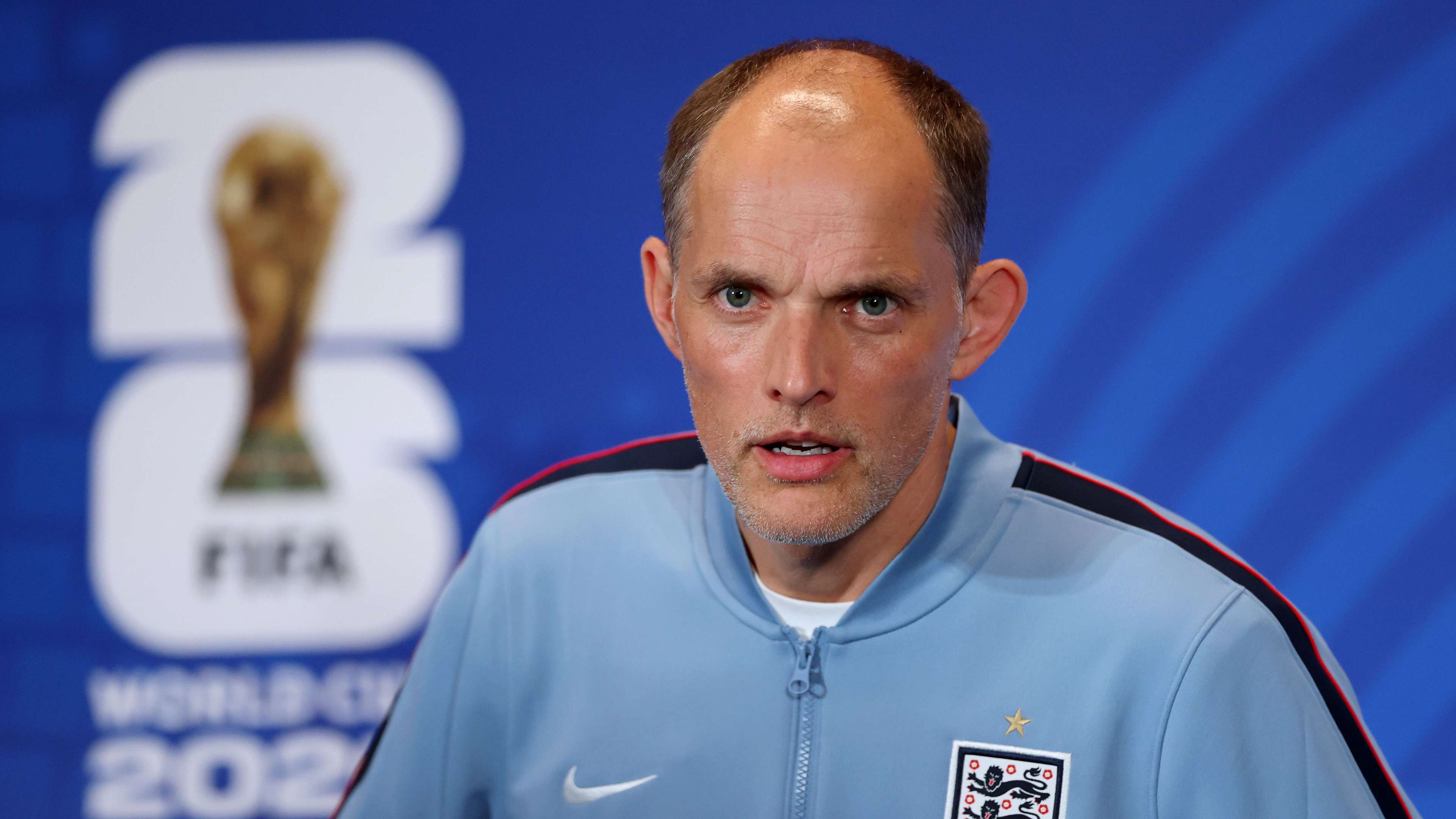
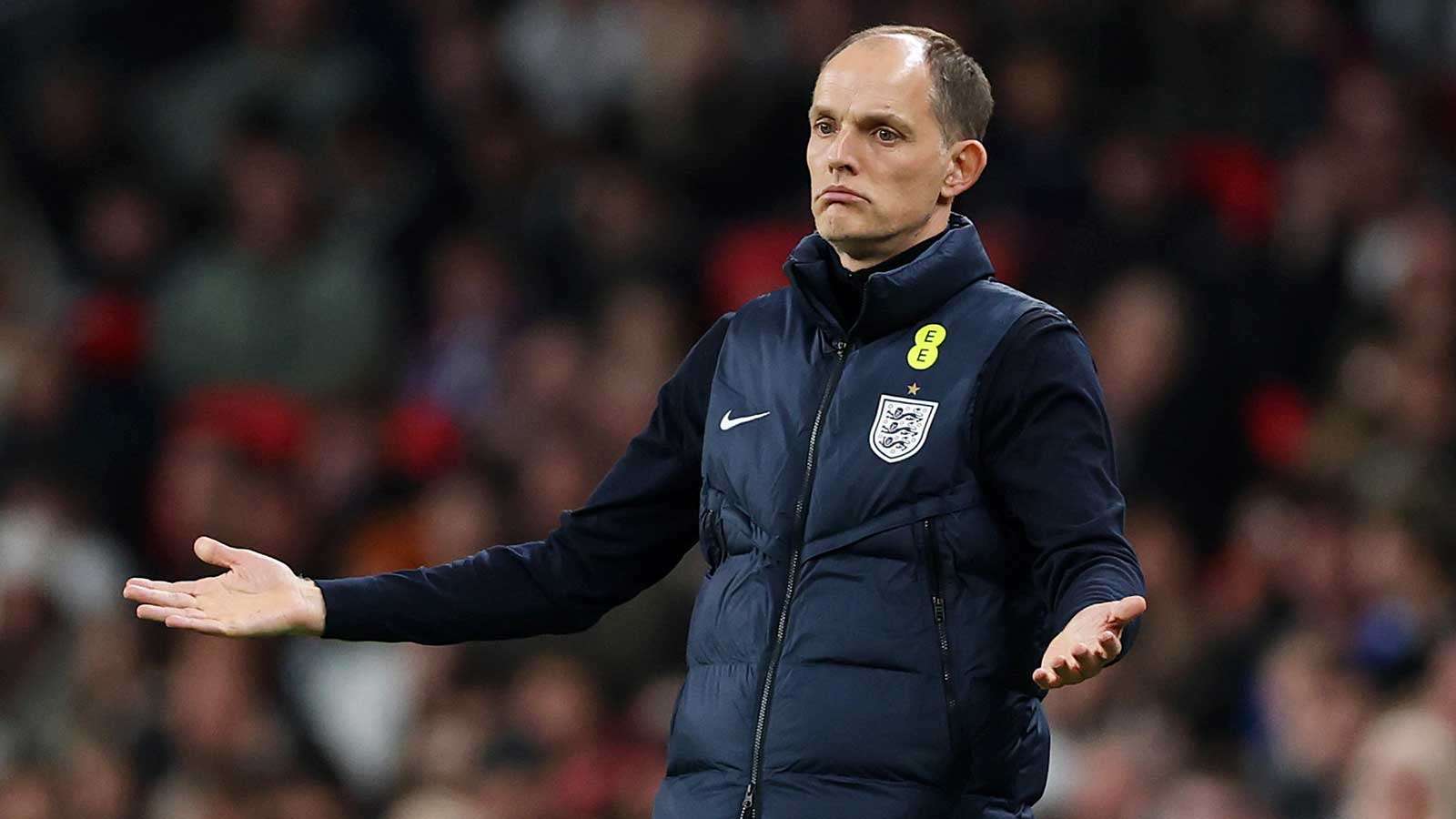
Warnock concludes with a sobering assessment: Tuchel's singular opinion now determines Alexander-Arnold's international fate. The manager's decision to exclude him from World Cup preparations will shape squad dynamics going forward, though England's strong performance—nearly reaching the final—vindicated that choice on one level. Whether Alexander-Arnold can force his way back depends entirely on compelling performances for Real Madrid and whether Tuchel recognizes his unique creative threat when England face Spain and the Czech Republic in the UEFA Nations League this autumn.