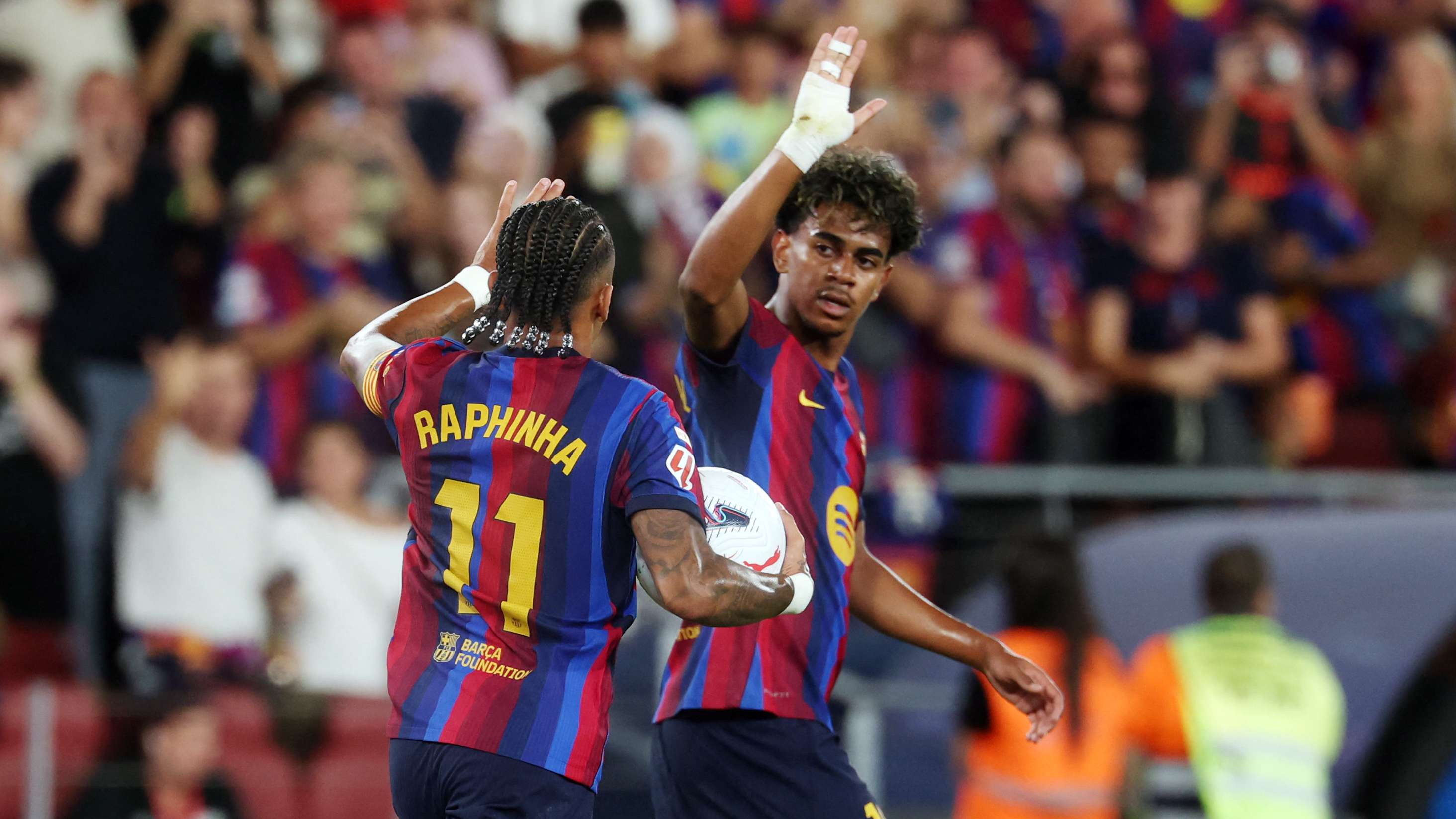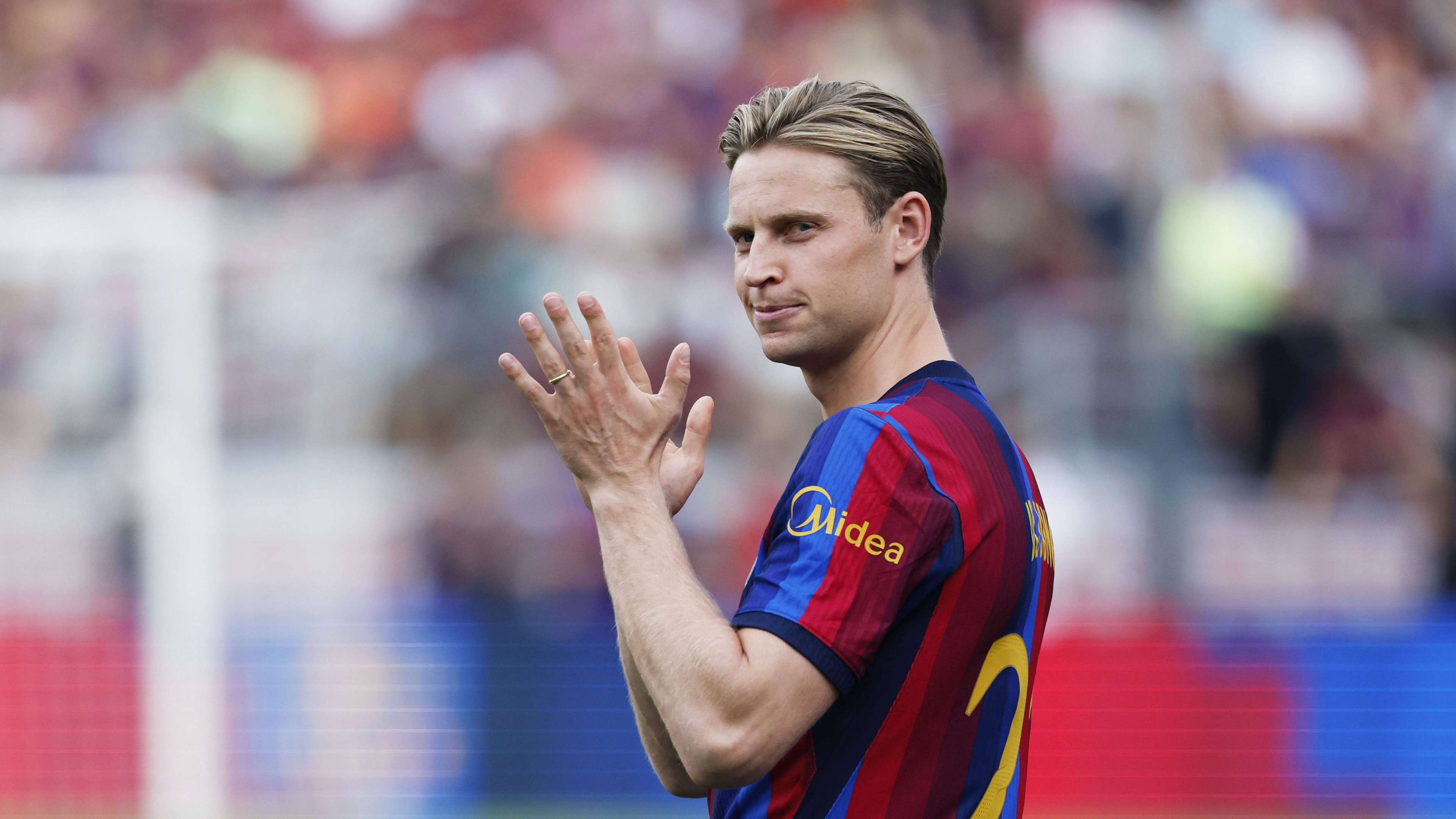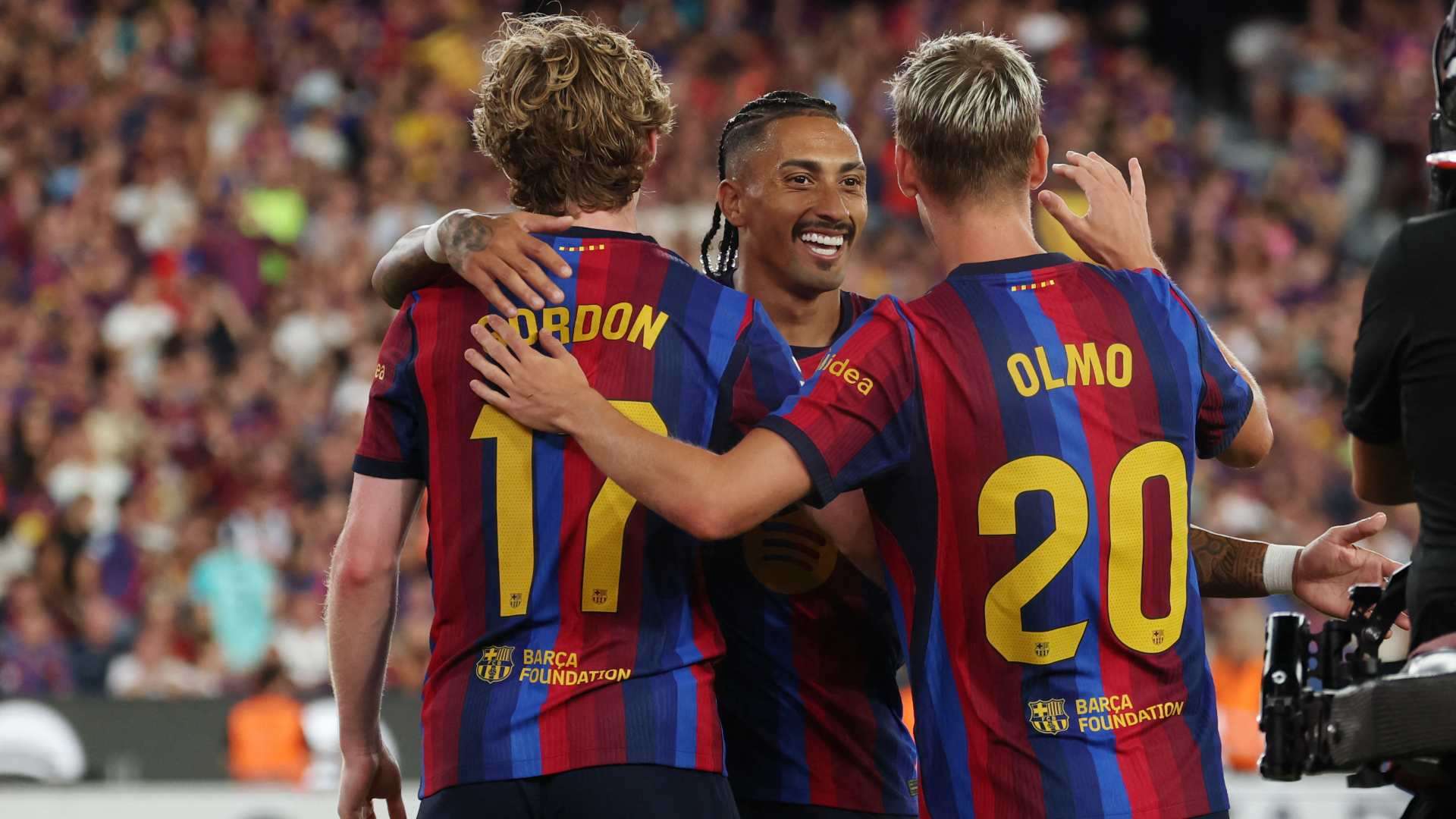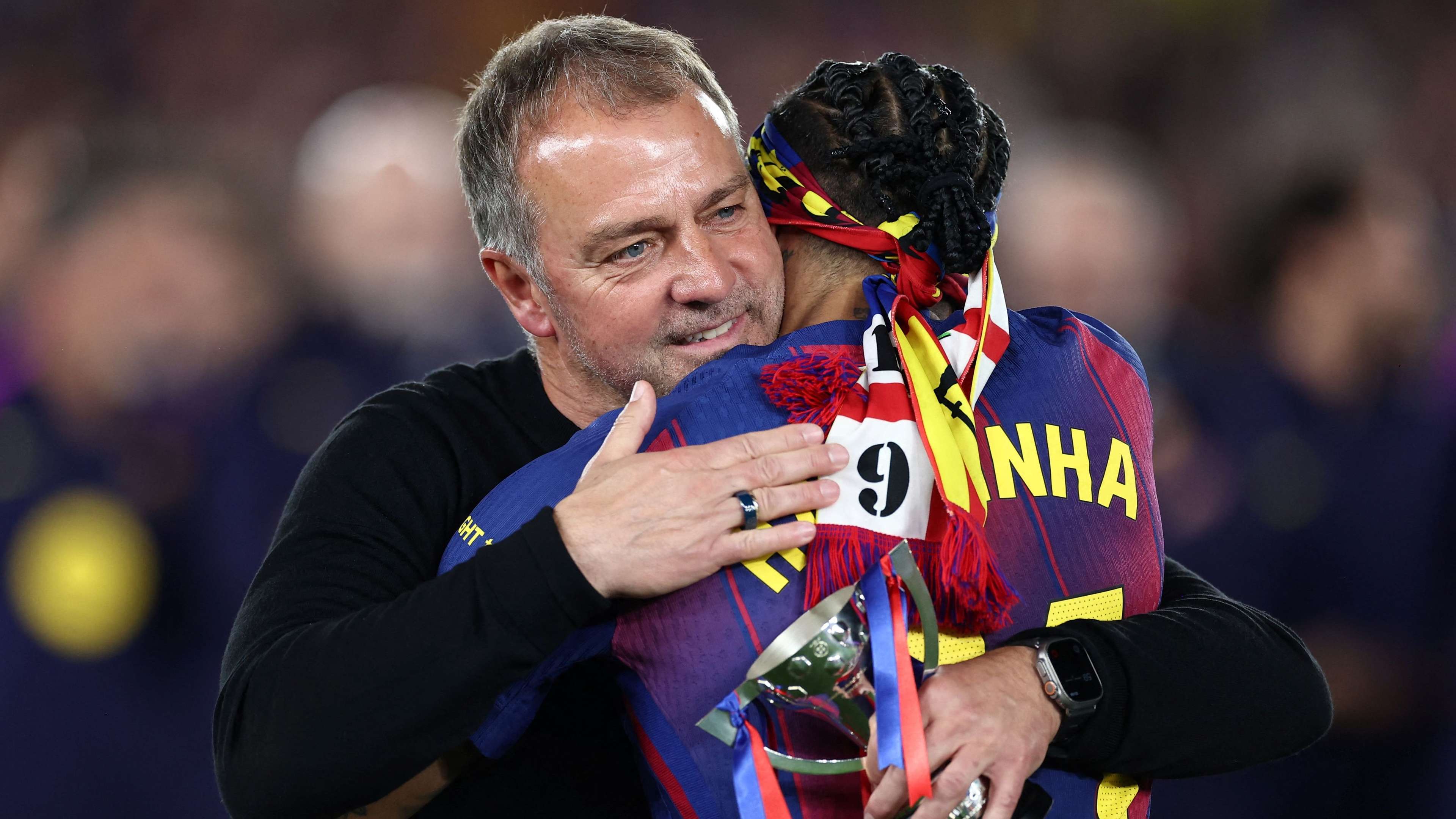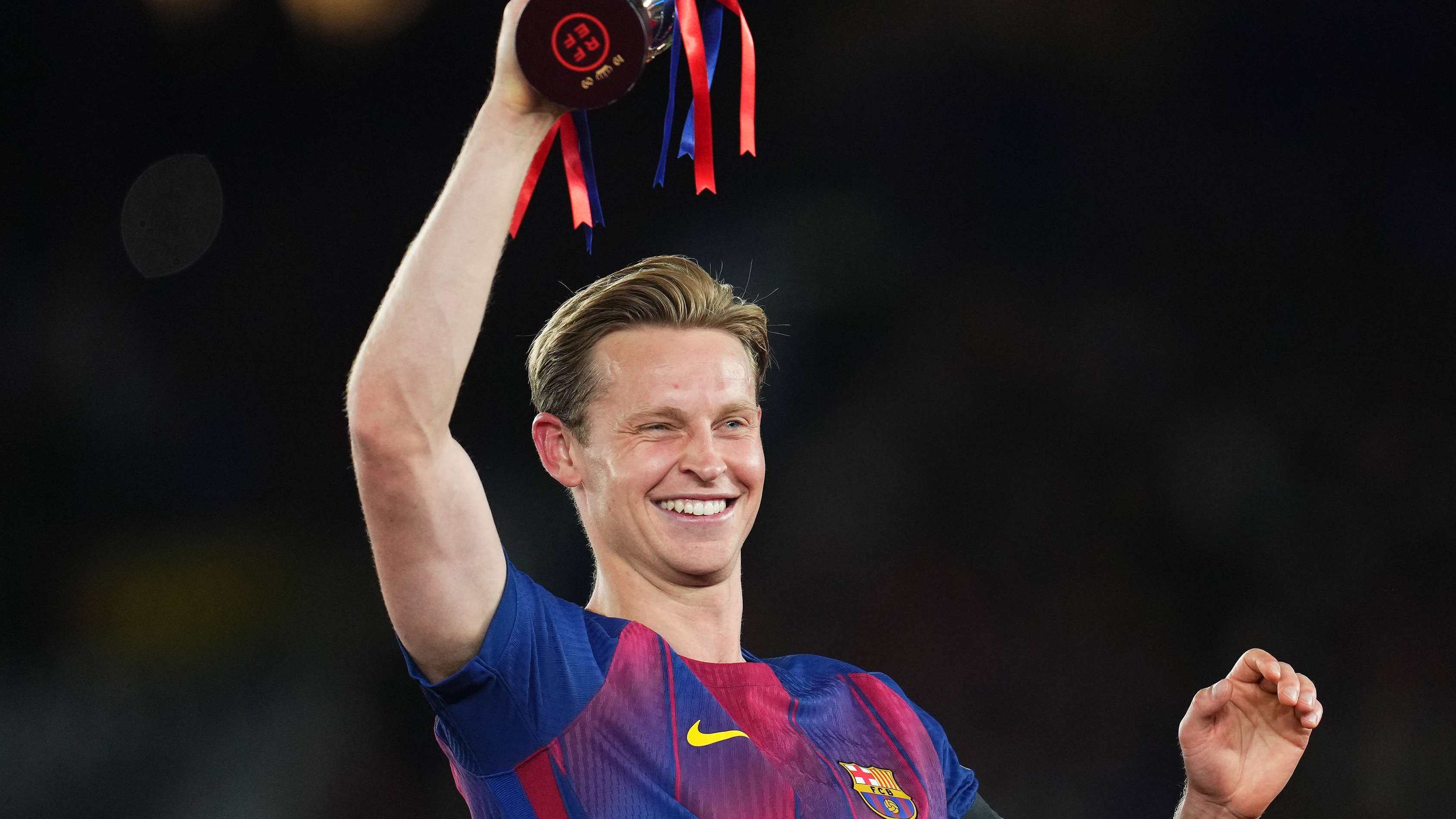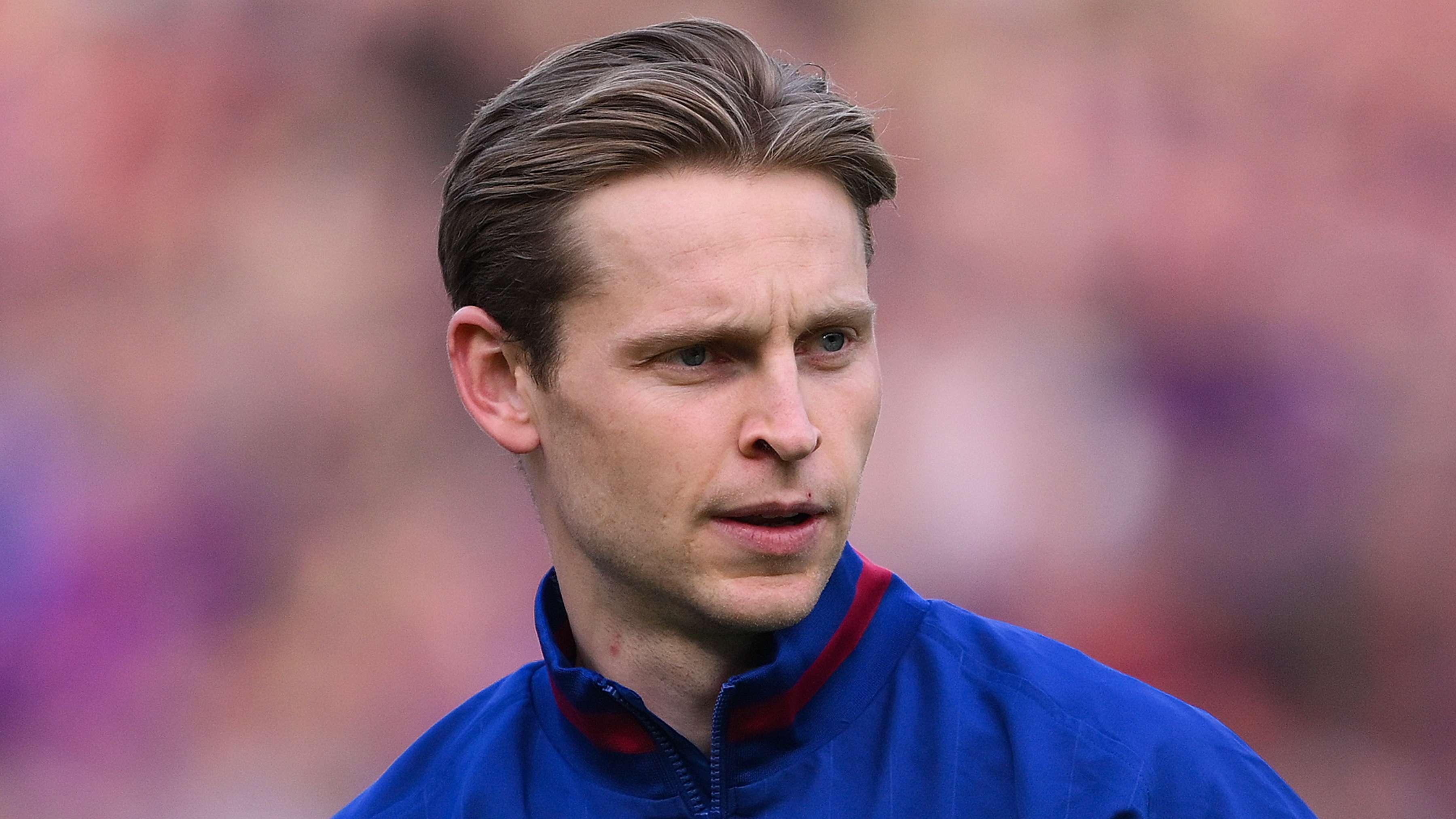
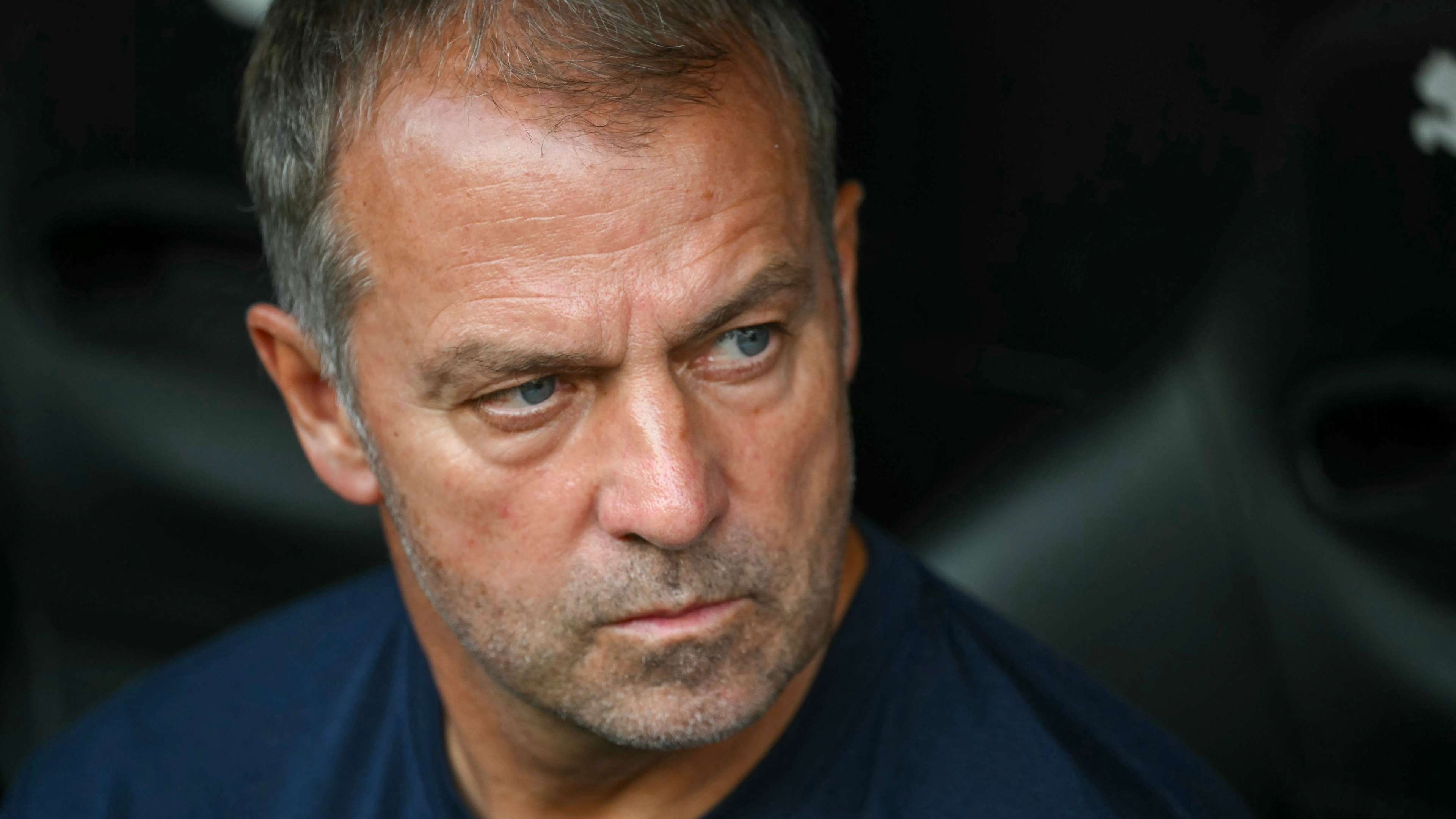
Hansi Flick has denied Frenkie de Jong the captaincy at Barcelona, instead entrusting the armband to Raphinha as first-choice captain with Pedri as deputy. The decision reveals a fundamental disagreement between the German manager and the Dutch midfielder over professionalism and availability, according to Spanish radio station Cadena Ser.
Flick's captaincy structure marks a departure from Barcelona's traditional player-led selection process. While the squad collectively chose Eric García, De Jong, and Lamine Yamal to complete the leadership group, the coach personally elevated Raphinha and Pedri to the top tier. This hierarchy reflects Flick's belief that the captain must embody both technical excellence and unwavering pitch presence—qualities he believes the Brazilian winger possesses in abundance.
The Injury Question
De Jong's exclusion stems partly from his recovery from a medial collateral ligament tear sustained during the World Cup. Barcelona opted for conservative treatment without surgery in July, but Flick's frustration centres not on the medical decision itself, but rather how the midfielder managed his rehabilitation and return to team activities. The manager wanted a captain ready to feature consistently across the majority of matches—a criterion De Jong has struggled to meet given his injury history.
This isn't a complete departure for De Jong. Flick continues to value him as a key midfielder within his tactical system and maintains confidence in his technical abilities. However, the captaincy demands more than individual quality; it requires a player Flick can depend upon to lead by example week after week. Raphinha's pressing intensity and leadership off the ball align more closely with Flick's high-octane pressing system, making him the natural choice to wear the armband.
A New Leadership Model
The decision reflects Flick's broader vision for Barcelona's culture under his management. By establishing a clear captain hierarchy rather than relying on consensus, he signals that leadership roles must be earned through availability, attitude, and alignment with the team's tactical principles. De Jong remains important to Barcelona's midfield dominance, but captaincy—and its demands for constant influence—belongs to those Flick deems ready to deliver it without interruption.