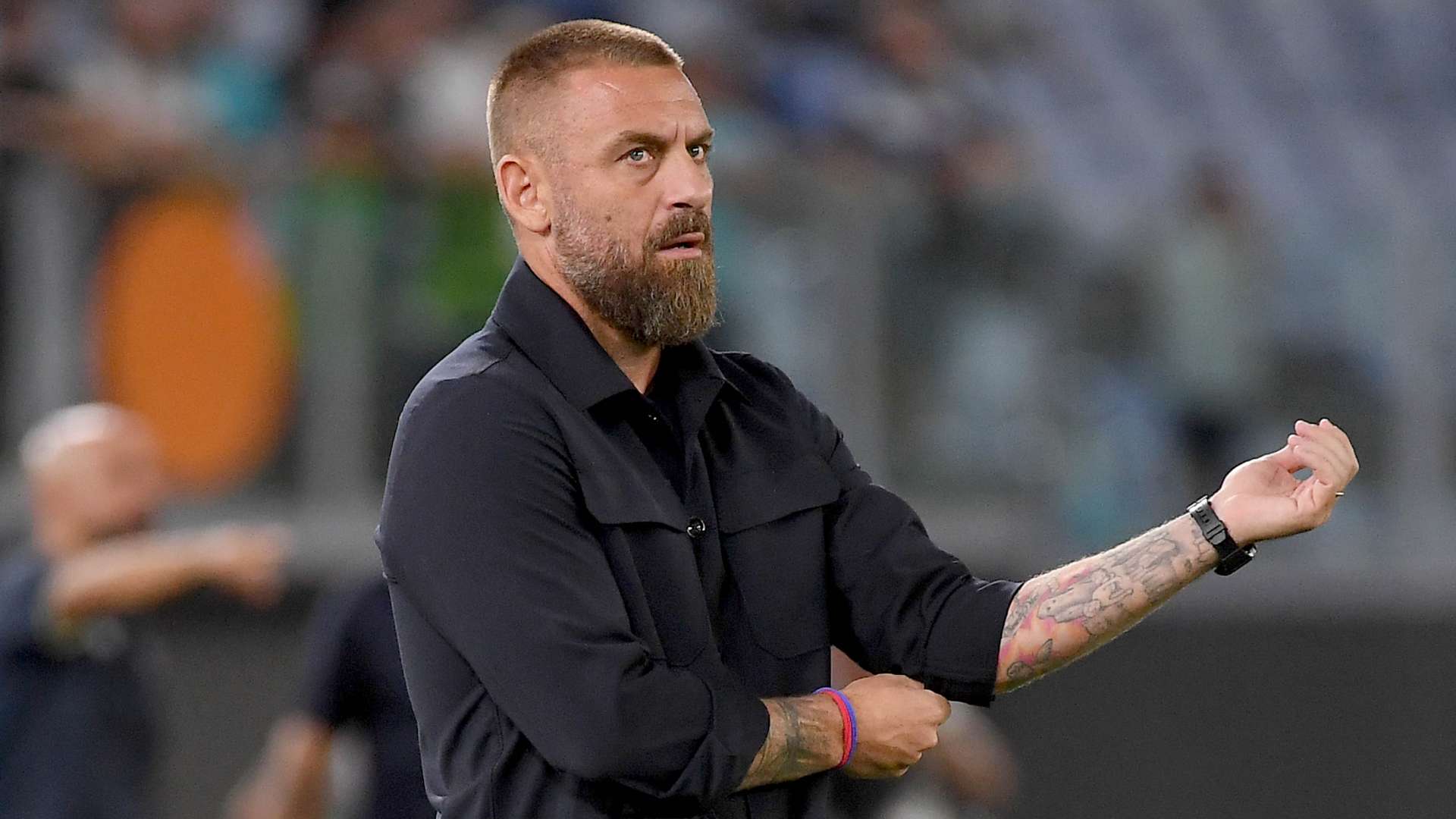
Daniele De Rossi rarely speaks without substance, and his assessment of Como following Genoa's defeat carries weight across Serie A. The Genovese manager praised the Lombardy club with uncommon directness: "Como are a really very strong team. Perhaps they are the team who have impressed me most since I have been here at Genoa." These are not the words of a casual observer but a tactician recognizing genuine quality when he witnesses it.
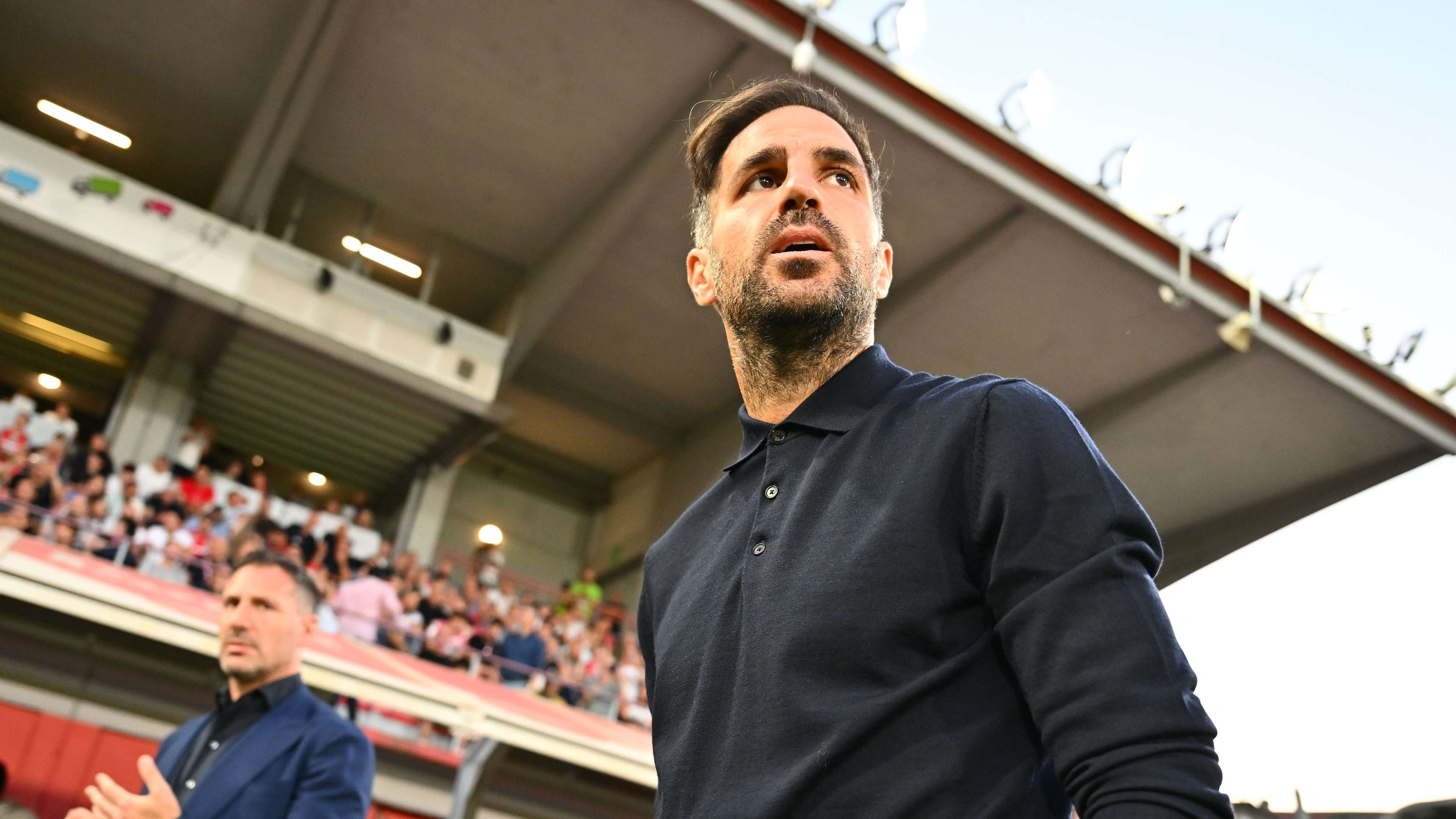
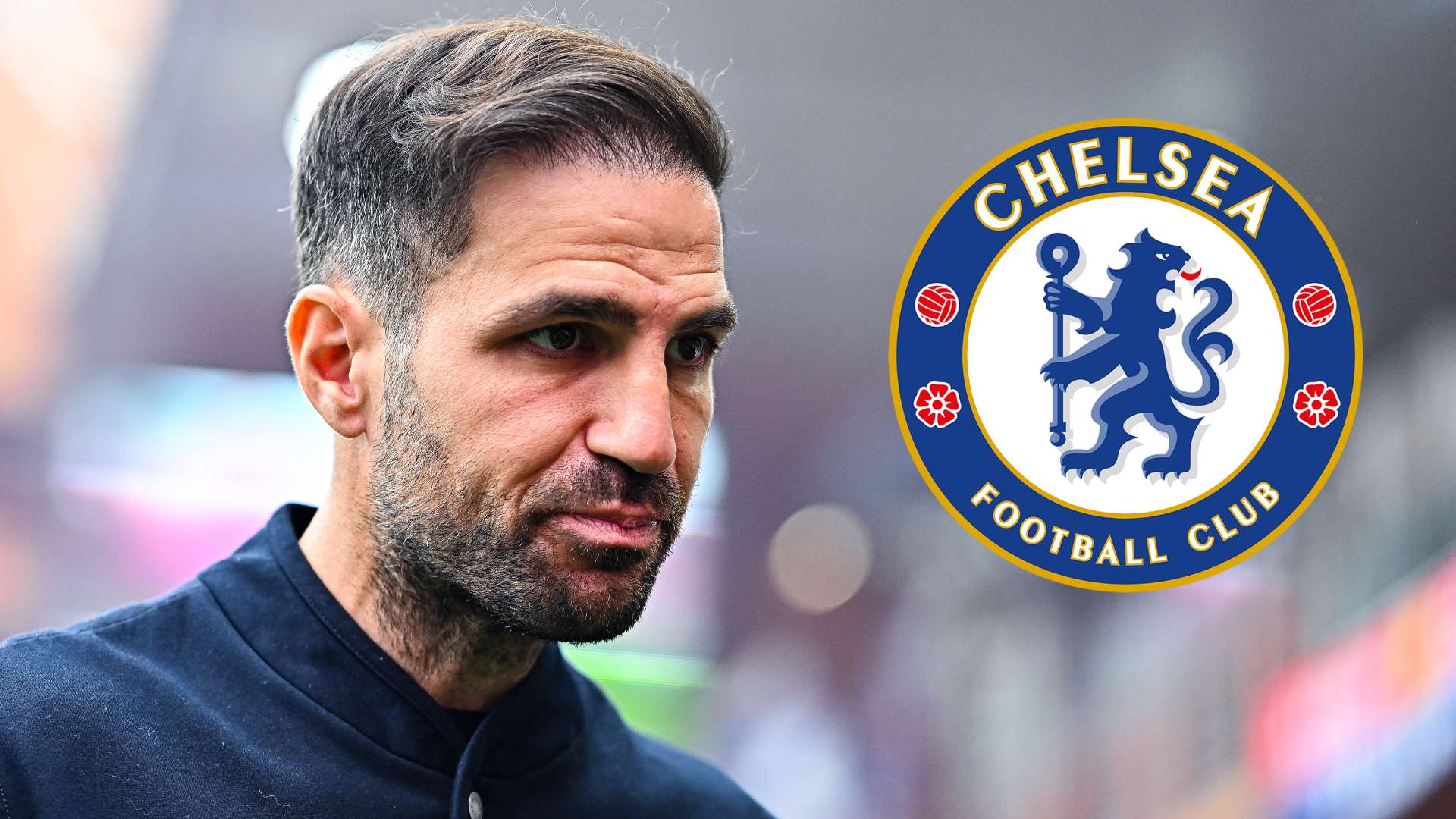
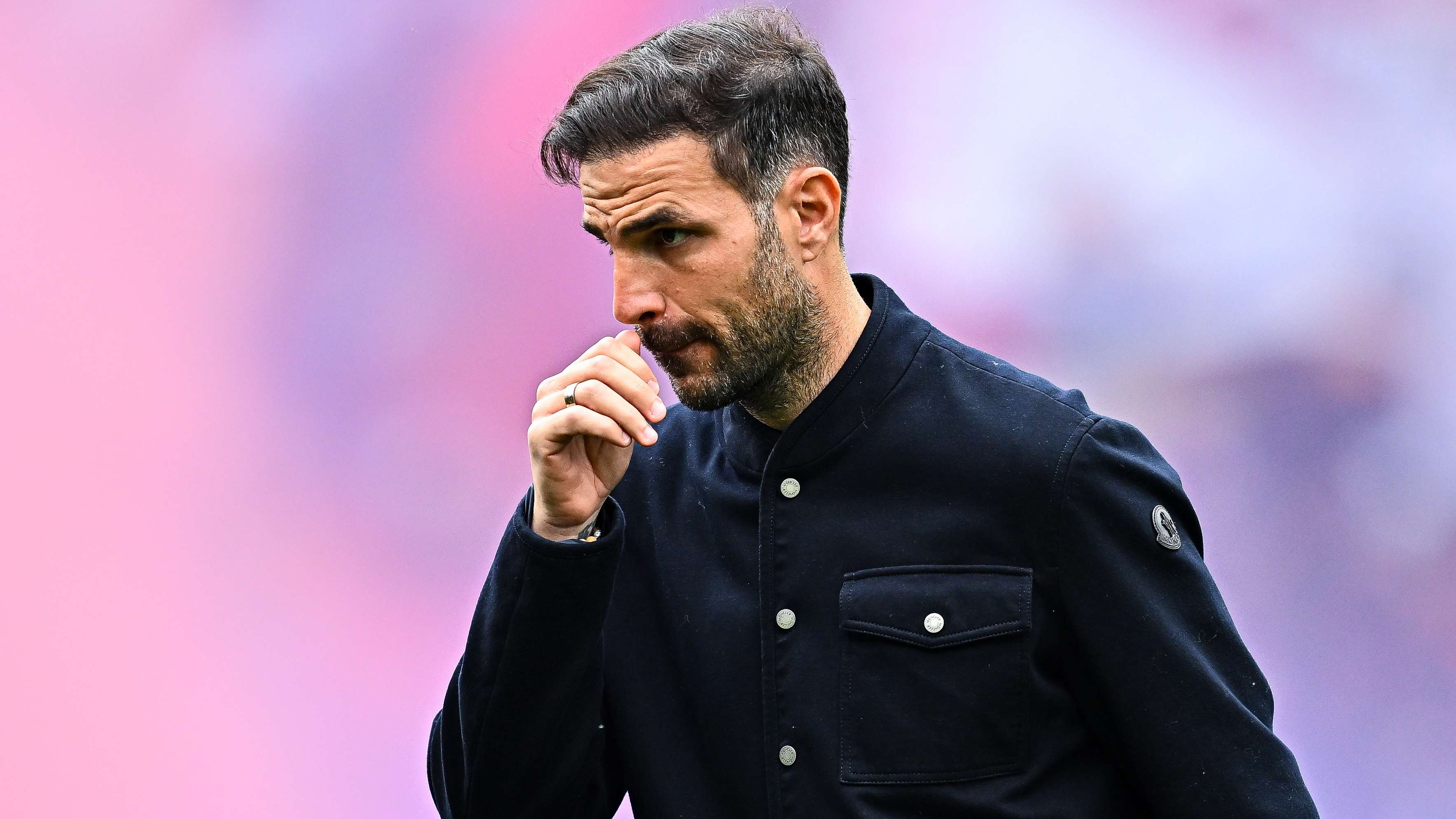
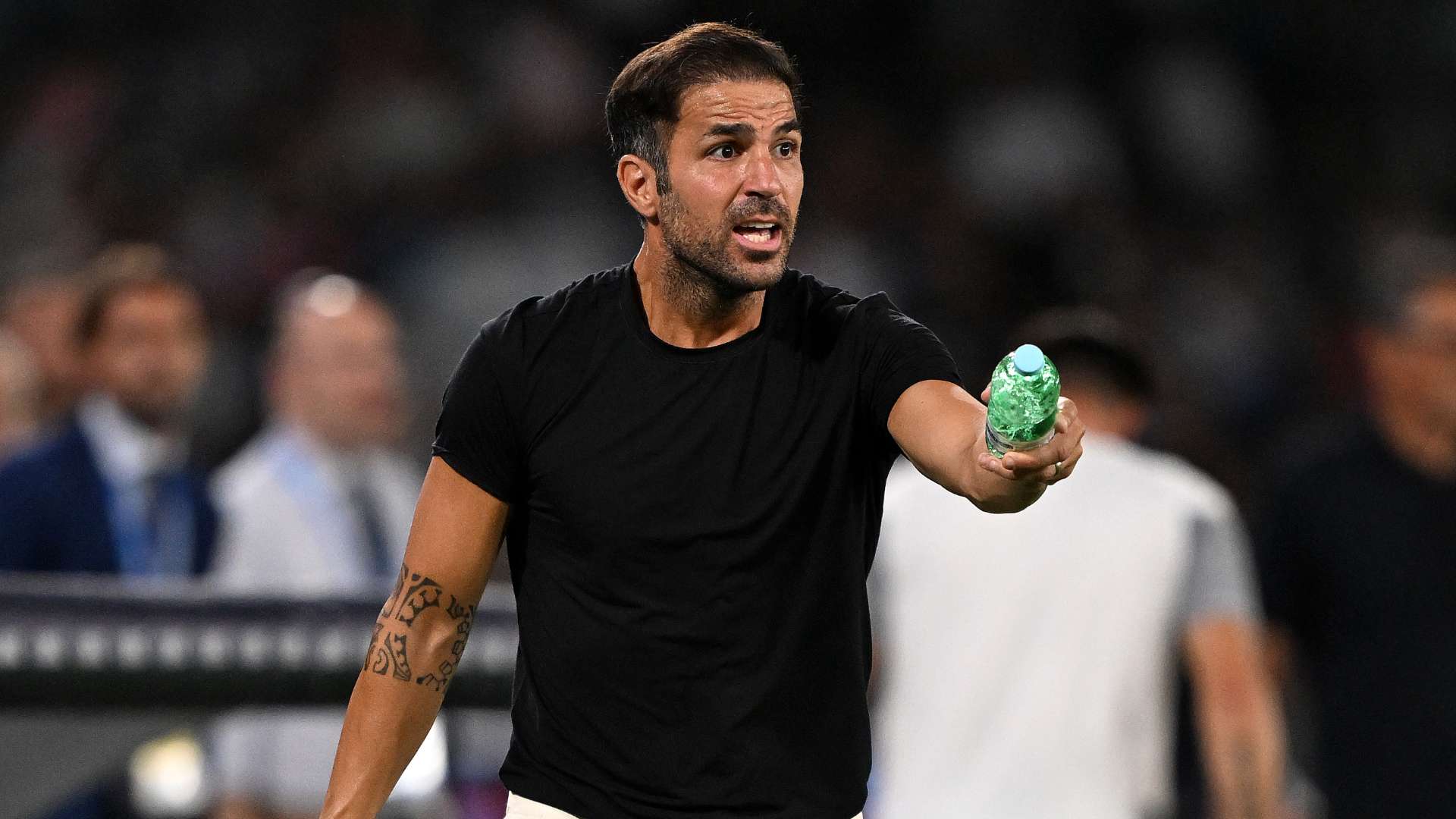
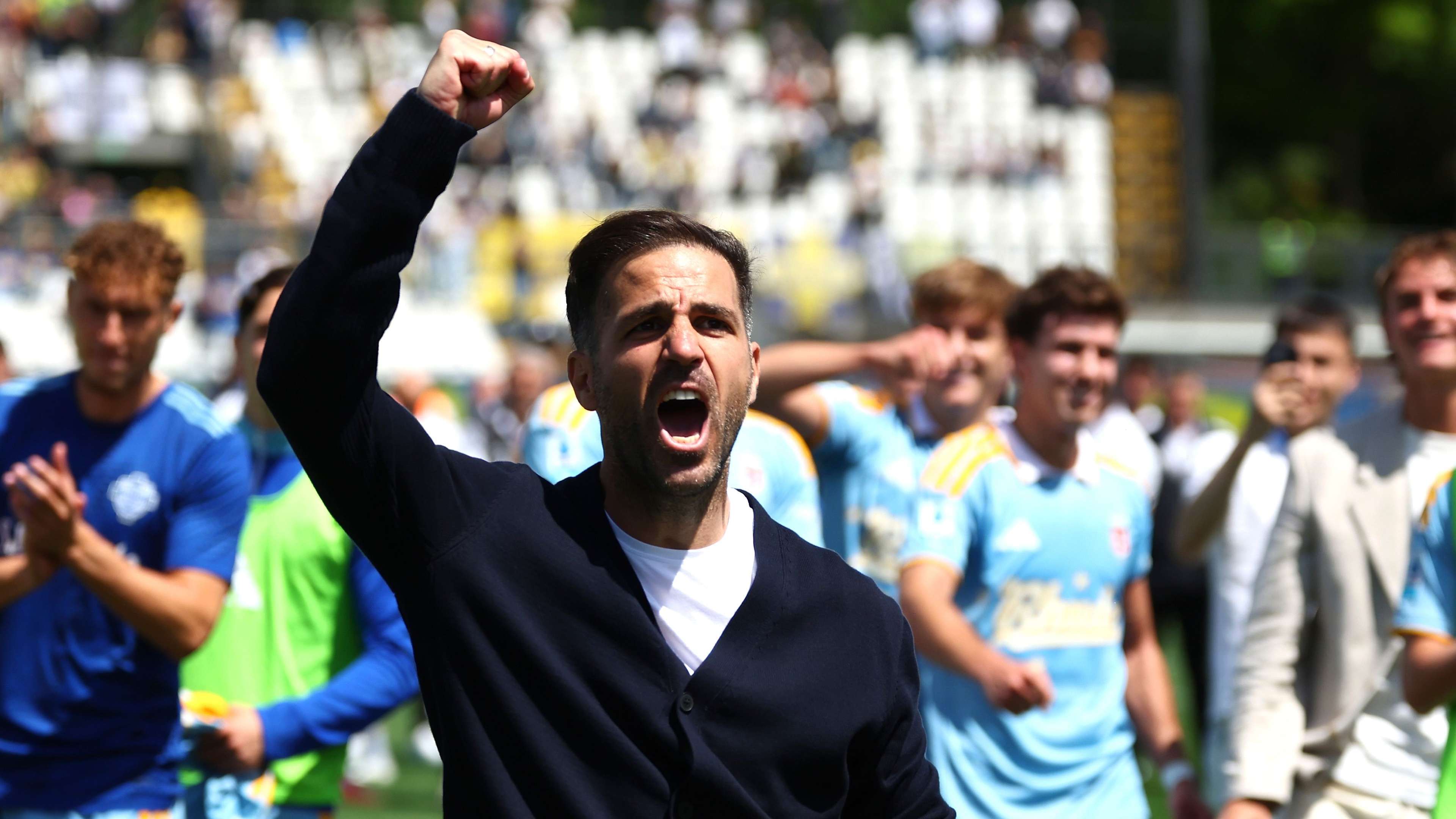
By the third matchday of the season, declaring Como genuine Serie A title contenders might seem premature. Yet the evidence supports such an assertion. Under Cesc Fabregas, Como have cultivated a modern, identity-driven approach that works both home and away against any opponent. They dictate possession, press with intensity when possession is lost, and maintain tactical clarity even under pressure. This is no longer theoretical promise—it is consistent execution across multiple fixtures.
Squad Depth and Strategic Additions
Como's summer transfer strategy addressed key vulnerabilities. The midfield signings of Samuele Ricci and Milla provide genuine rotation options rather than squad-filler additions. In attack, Moise Kean's arrival offers a profile distinct from established striker Douvikas, creating a two-pronged approach depending on match circumstances. The club has invested not in marquee names alone but in functional depth—a hallmark of sustainable competition.
One factor transcends individual personnel: institutional coherence. This represents Fabregas's fourth season at Como, meaning his footballing principles have moved beyond novelty into automatic execution. Players no longer learn the system; they inhabit it. Fewer mistakes emerge, pace quickens, and the team remains recognizable even when opponents test their structure. Serie A has witnessed multiple ambitious projects falter through managerial instability; Como possess the opposite advantage.
Youth, Swagger, and Modern Football
Como's relative youth—by Serie A standards of a league still struggling to refresh itself—paradoxically strengthens their candidacy. Young squads carry swagger without historical burden. They accept tactical risk because they haven't been conditioned by decades of defensive pragmatism. The high press, the willingness to leave space in exchange for identity, the vertical thinking embedded in horizontal build-up: this is the template of contemporary football, and Como execute it consistently.
Historic badges carry diminished currency when performance dictates the present hierarchy. Inter remain the benchmark, but Como have constructed something formidable through coherent squad assembly, tactical discipline, and a manager entering his fourth year of refinement. The title challenge begins now, not in April.