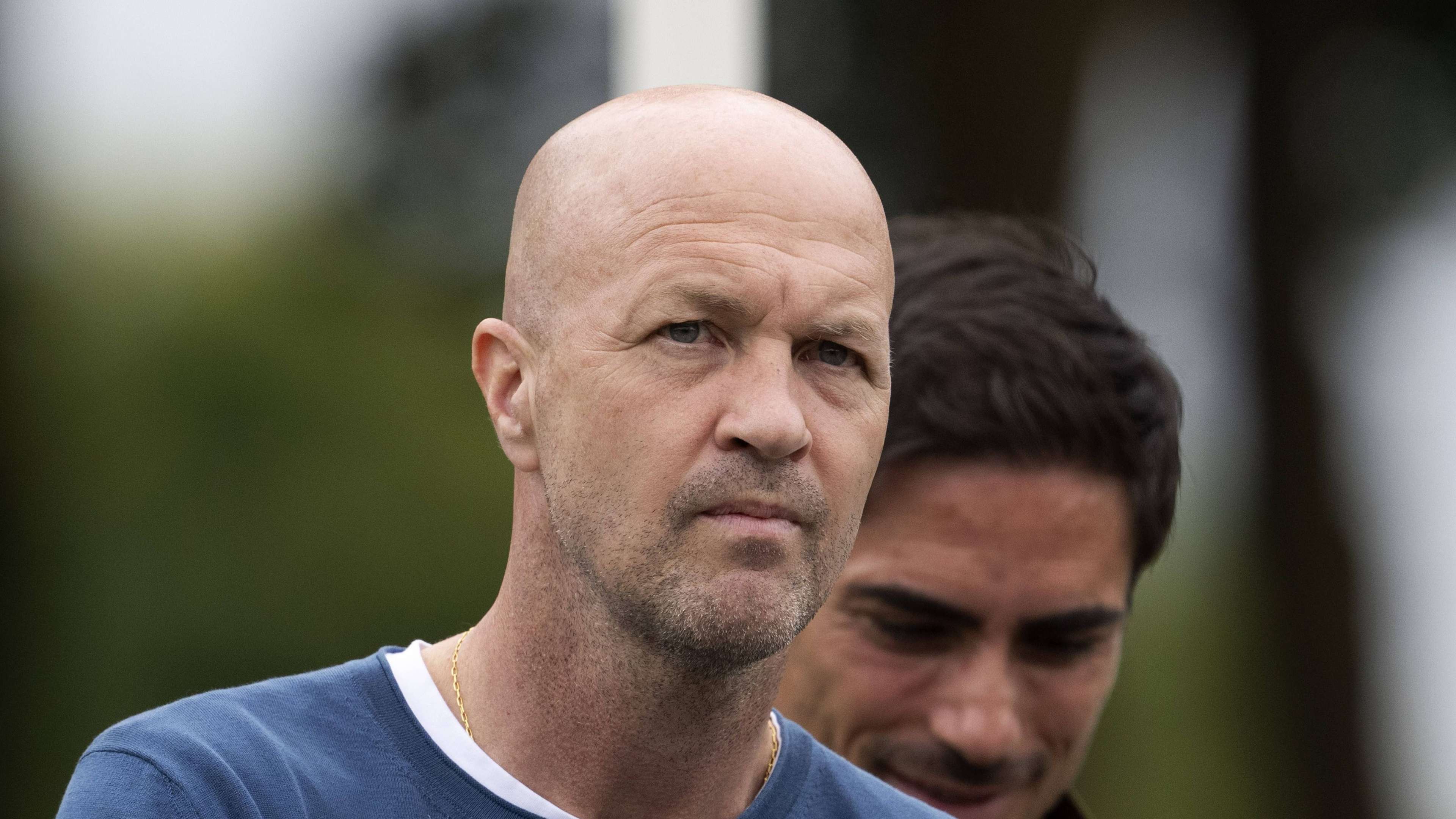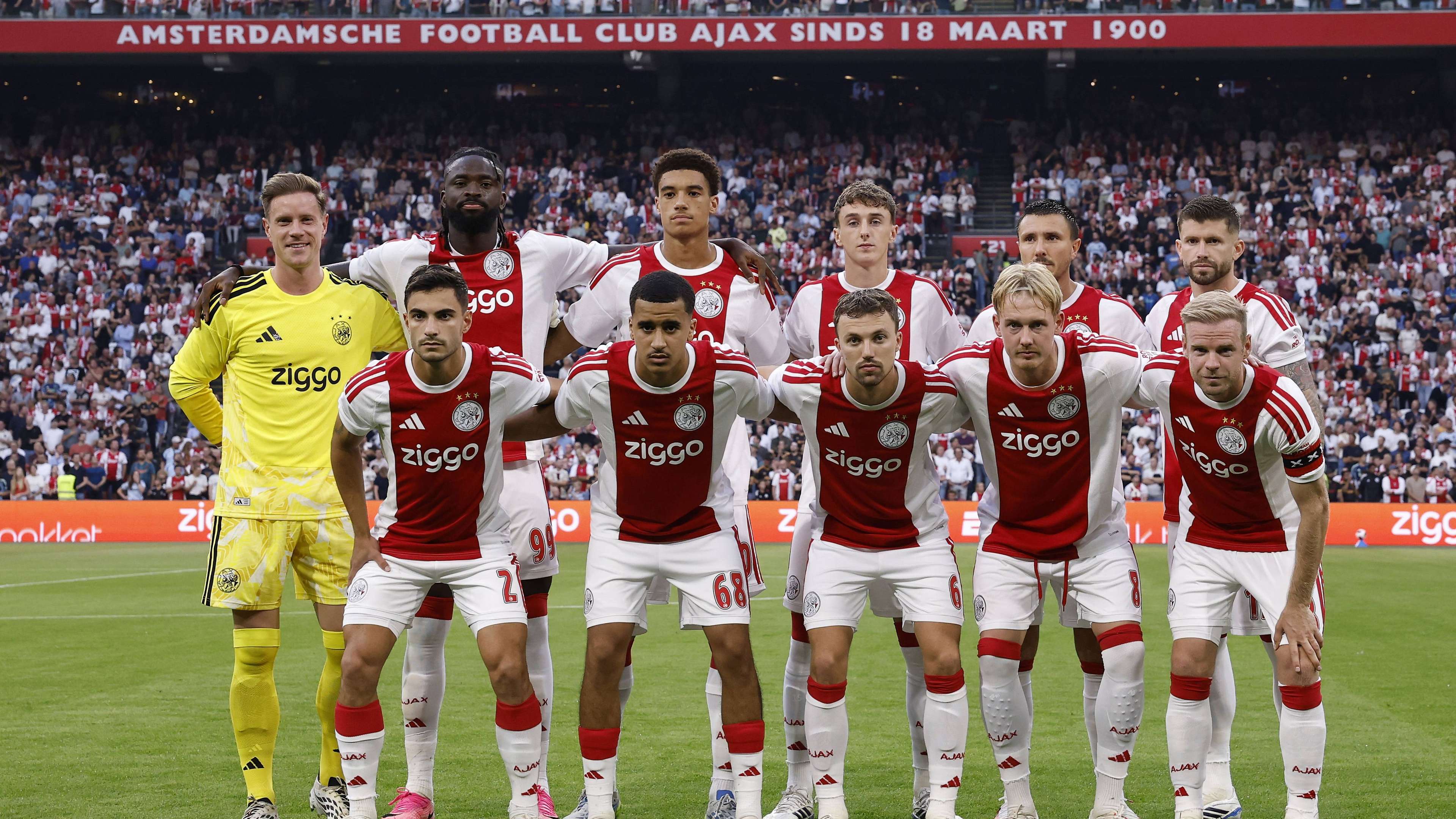
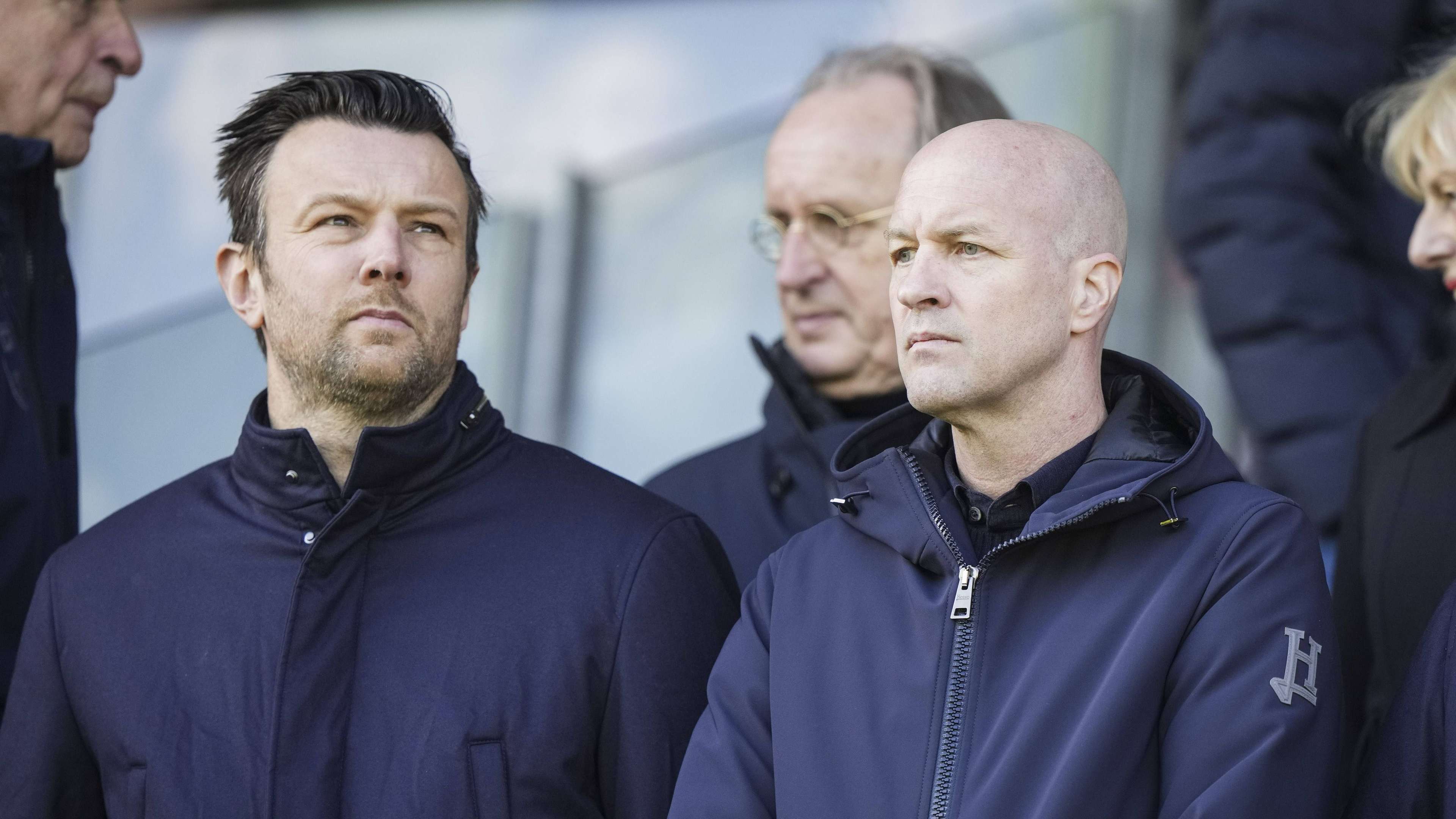
Menno Geelen, Ajax's chief executive, has firmly rejected accusations that Jordi Cruyff operates as a lone operator at the Dutch club. Following a critical article published by Het Parool in early July, Geelen moved to rehabilitate Cruyff's reputation in an interview with De Telegraaf, characterising the technical director as a collaborative team player deeply embedded within the organisation's decision-making structures.
The original exposé painted a troubling picture of Cruyff's tenure, with ten current and former Ajax employees claiming they had been sidelined from key processes. The article suggested Cruyff had isolated himself from the existing hierarchy and relied primarily on a small circle of trusted confidants to drive strategic decisions. This narrative created significant concern about the direction of the club's technical operations.
Cruyff's Collaborative Approach
Geelen's rebuttal directly contradicts this assessment. "I do not recognise that portrayal," he stated, emphasising daily contact with Cruyff across multiple areas. The CEO highlighted Cruyff's regular consultations with several key figures within the organisation:
- Shashi Baboeram Panday, the finance director
- Daniel de Ridder, a developing technical manager
- Siem de Jong, another technical manager in training
- The first-team coaching staff
- The supervisory board members
This wider network of involvement contradicts the lone-wolf narrative established by the earlier reporting. Geelen stressed that Cruyff regularly exchanges ideas with coaching personnel, senior staff, and the football commissioner, suggesting an integrated rather than insular approach to leadership.
Lessons from the Mislintat Era
Comparisons with Sven Mislintat's unsuccessful 2023 tenure—when the German brought 12 players to Amsterdam with minimal success—had fuelled concerns about Cruyff repeating structural mistakes. However, Geelen rejected this parallel. He explained that Ajax has thoroughly restructured its transfer process and football axis since Mislintat's departure, addressing the organisational failures that plagued that period. The club's evaluation, conducted both internally and externally, identified disconnection within the football decision-making chain as a root cause. These systemic improvements now provide the framework within which Cruyff operates, fundamentally changing how signings are evaluated and recruited.
As Ajax navigates what promises to be a transformative season under Cruyff's technical direction, how effectively the club executes its transfer strategy and maintains internal cohesion will determine whether this defence of his leadership proves justified or premature.