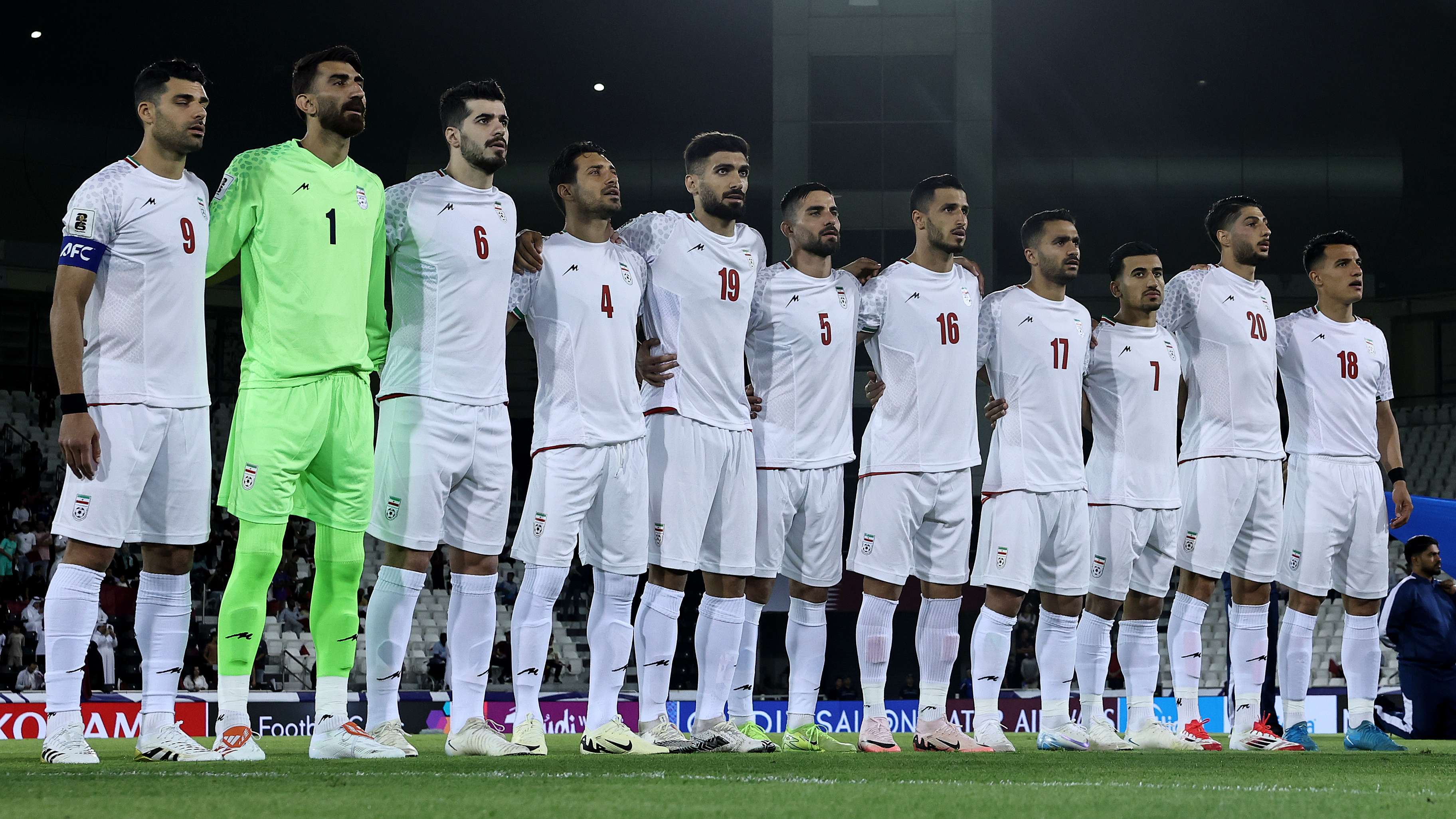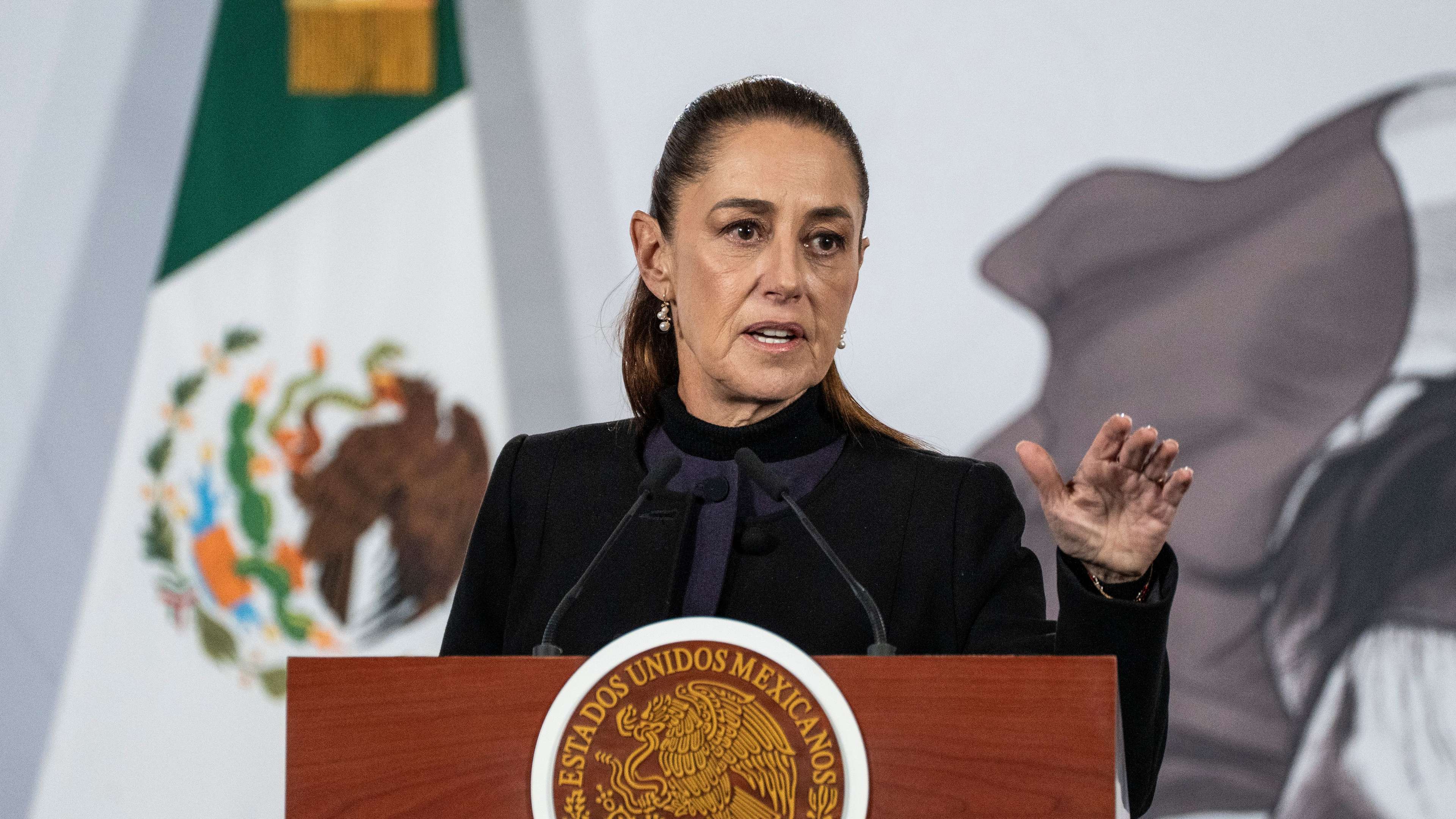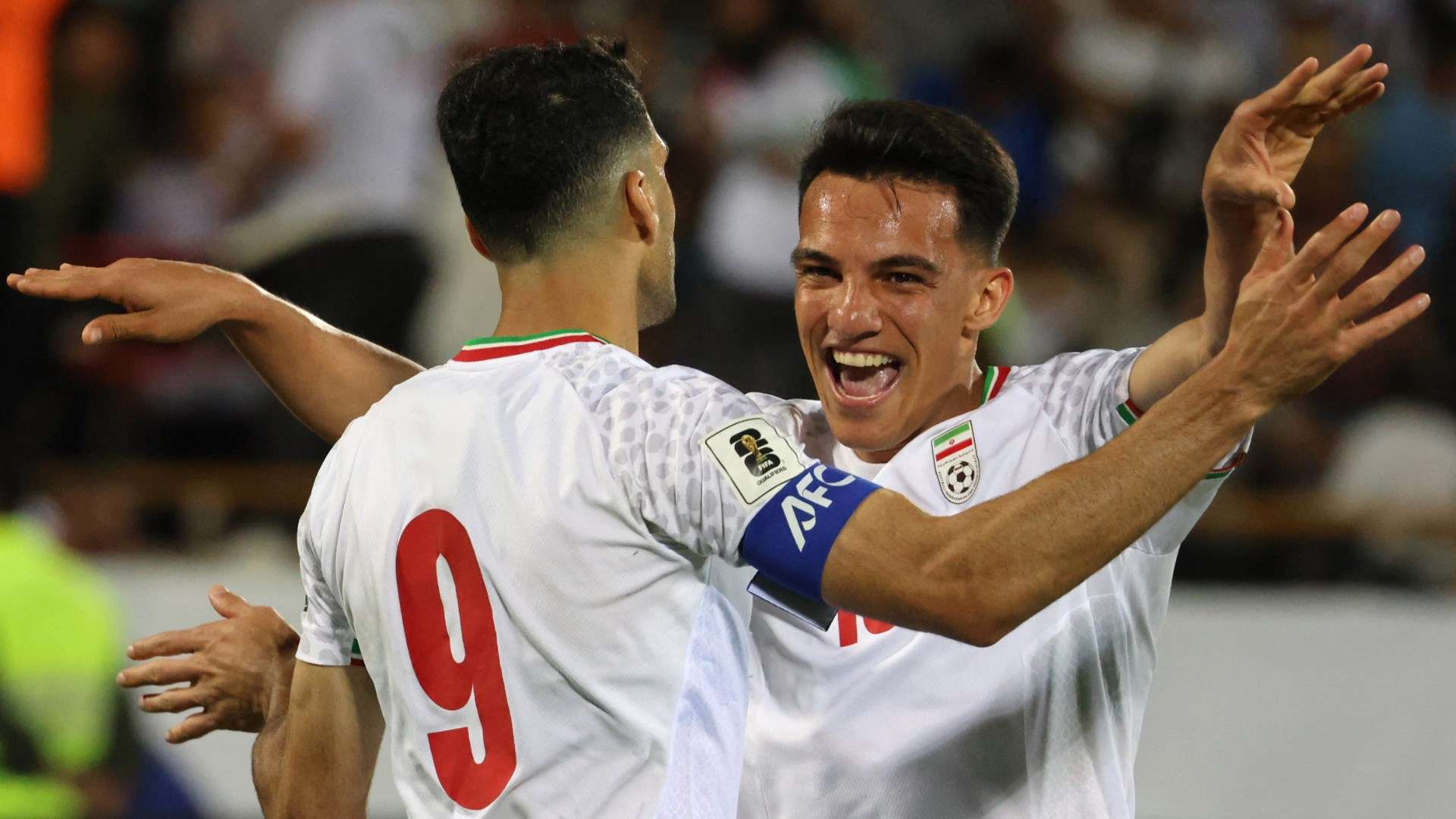
Iran's Football Federation has issued a formal 10-point ultimatum to the 2026 World Cup hosts, conditioning the national team's participation on security guarantees and visa assurances. The move reflects escalating geopolitical tensions between Tehran and North America ahead of the tournament in the United States, Mexico, and Canada.
Federation President Mehdi Taj outlined the conditions during a state television broadcast, emphasizing that while Iran remains committed to competing, the joint hosts must address specific concerns. The demands span administrative procedures to symbolic recognition, including guarantees for flag representation, national anthem respect, and dignified treatment of the Iranian delegation throughout their month-long stay.
Visa and Security at the Core
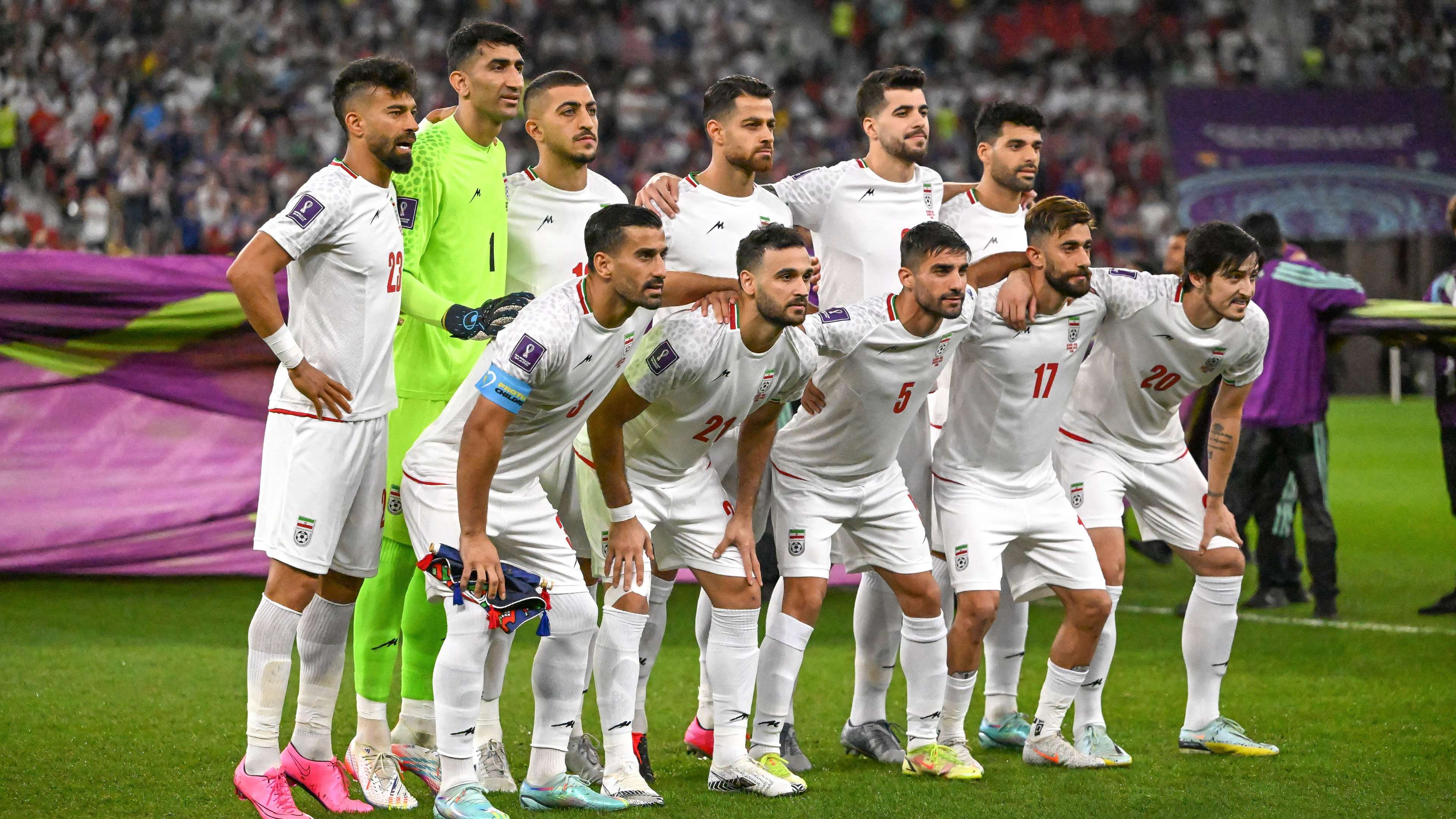
The central dispute revolves around visa accessibility for players and staff who have completed mandatory military service. Mehdi Taremi and Ehsan Hajsafi were specifically named as examples of athletes who should face no visa obstacles despite their service in Iran's military institutions. This concern stems from Canada's recent refusal to grant entry to a federation official due to alleged links to the Iranian Revolutionary Guard, establishing a troubling precedent Tehran seeks to prevent.
Iran's requirements also mandate high-level security protocols at airports, hotels, and routes to stadiums where matches will be played. The federation is particularly focused on safeguarding player and staff mobility, reflecting genuine concerns about potential complications during the tournament. Gianni Infantino and FIFA have affirmed that the tournament schedule will proceed regardless of diplomatic friction, though negotiations continue on logistical arrangements.
Group Stage Setup and Competition Ahead
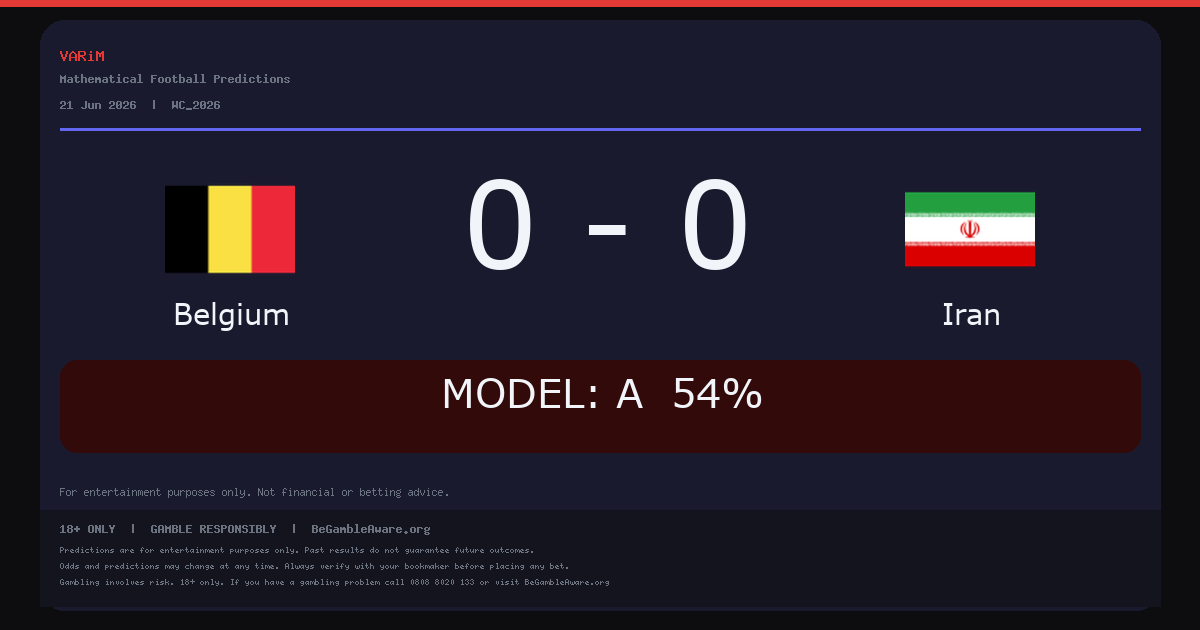
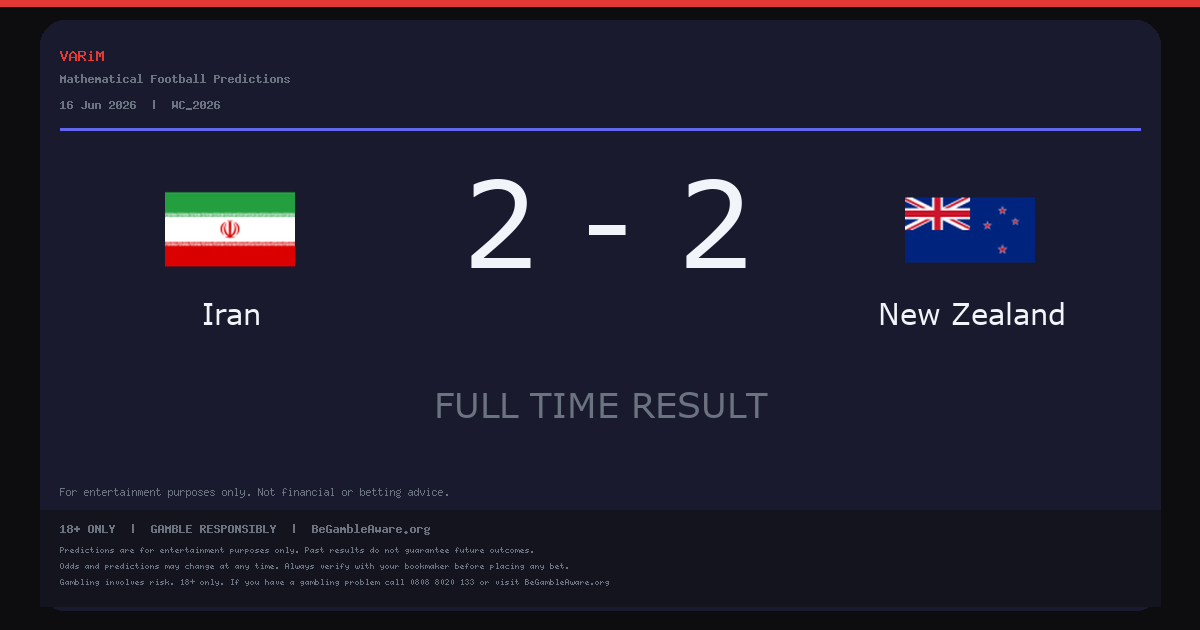
Iran will be based in Tucson, Arizona, and has been drawn in Group G alongside New Zealand, Belgium, and Egypt. Their opening fixture against New Zealand is scheduled for June 15 in Los Angeles, launching what promises to be a closely watched tournament amid broader regional tensions. The ultimatum represents a high-stakes negotiation between footballing ambitions and diplomatic realities as the 2026 World Cup approaches.