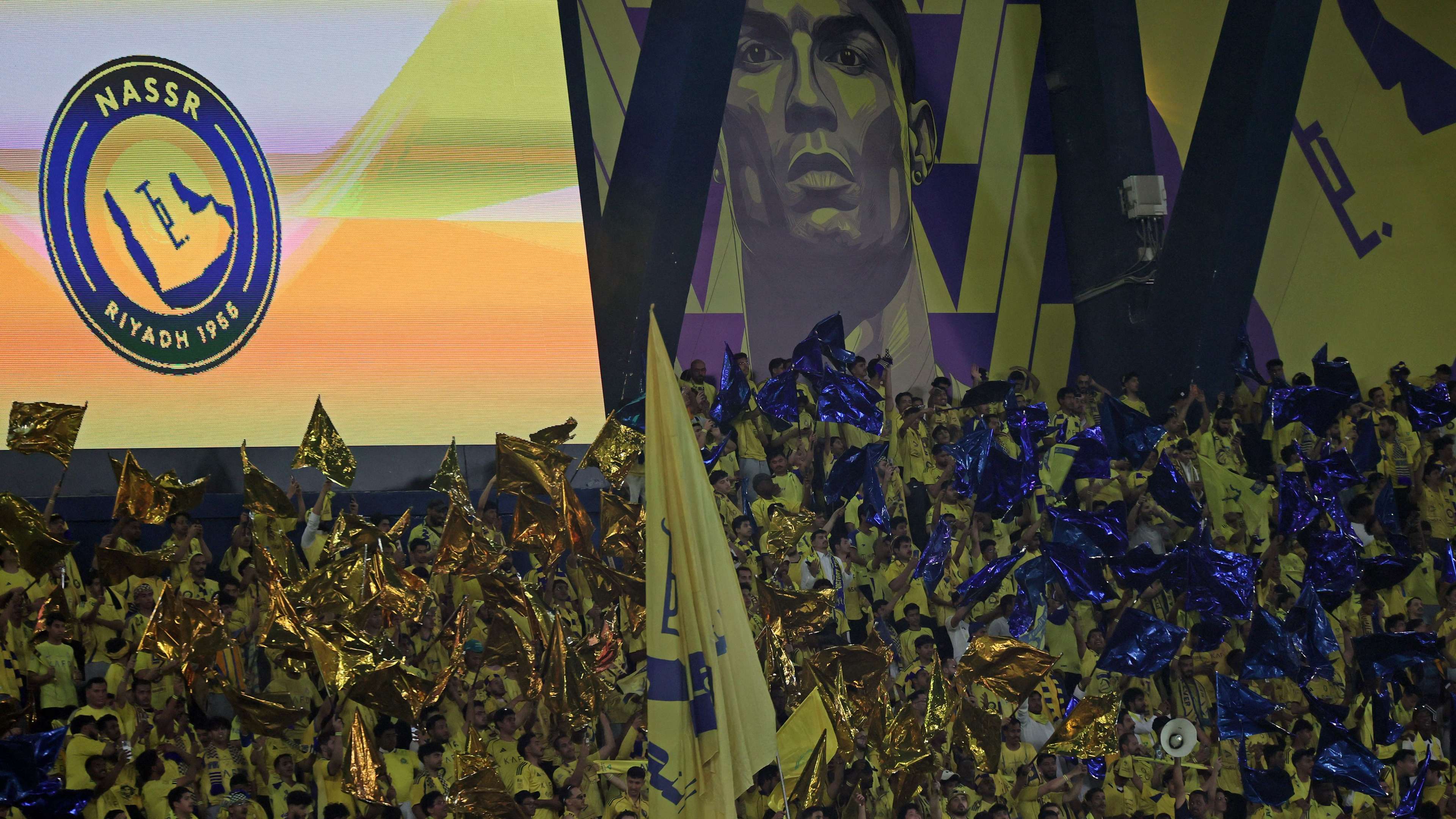
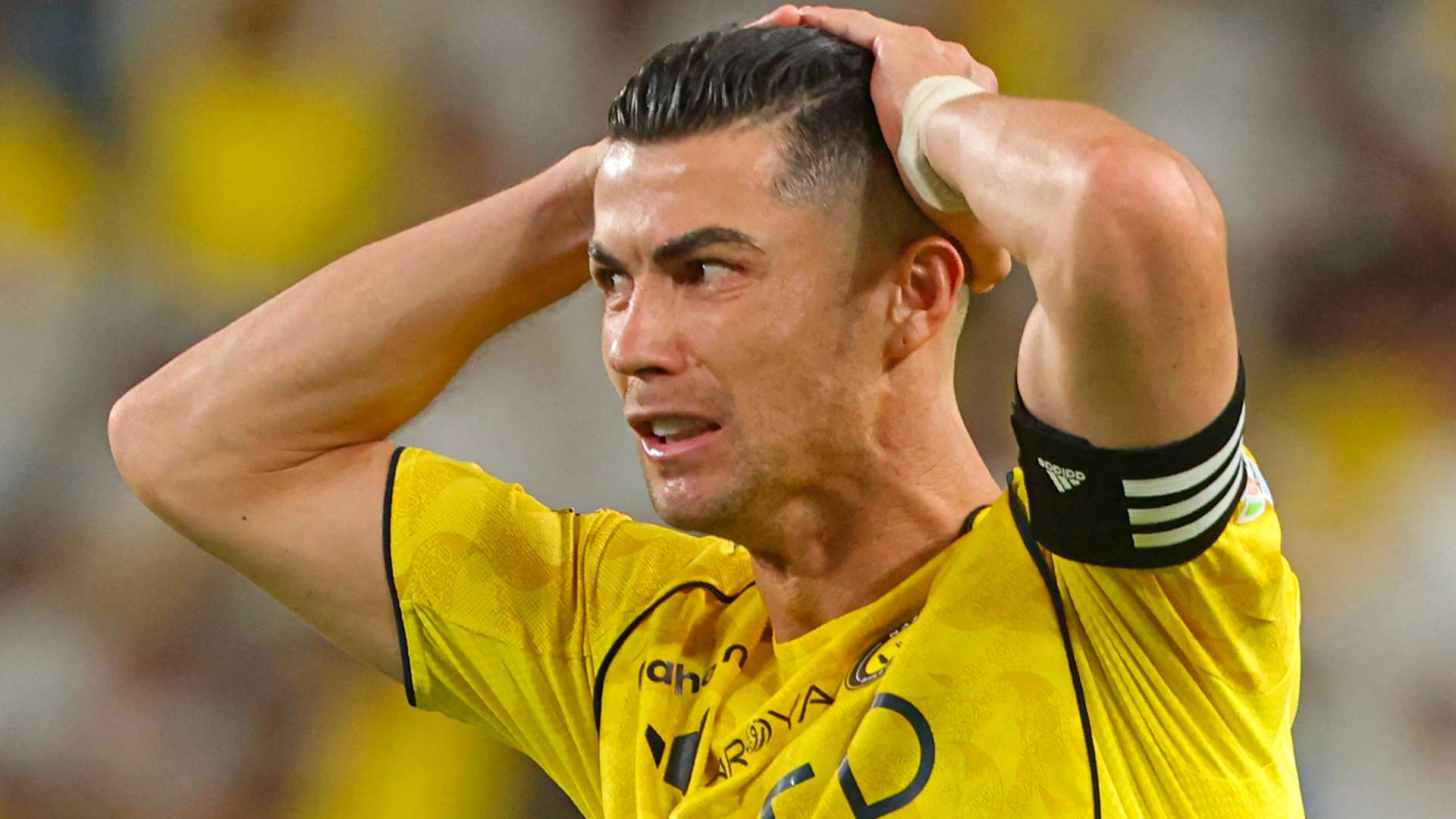
Al-Nassr has been hit with a transfer ban after the Saudi Arabian club accumulated debts exceeding 800 million riyals—approximately 187 million euros—according to reports from Al-Riyadiah newspaper. The reigning Saudi Professional League champions now face strict financial oversight imposed by the Public Investment Fund (PIF), the sovereign wealth fund that owns the club and brought Cristiano Ronaldo to the Middle East.
Sources close to PIF confirmed the severity of the situation, revealing that poor financial management decisions in the previous season triggered the crisis. In response, the fund's leadership has enacted immediate and sweeping measures to prevent further debt accumulation. The club's operational management has lost the authority to negotiate player contracts or transfers without explicit approval from PIF, effectively freezing the squad recruitment process until the organisation can demonstrate sufficient liquidity from commercial revenues and sponsorship income.
Three-Pillar Recovery Plan
PIF's restructuring strategy operates on three fundamental pillars. First, the fund has stripped current club management of independent financial decision-making power. Second, independent advisory firms specialising in finance, business strategy and legal compliance have been brought in to identify cost-cutting measures, boost commercial revenue streams and establish a roadmap toward long-term financial sustainability. Third, and perhaps most significantly for the club's future, PIF is actively exploring partial ownership transfers, with two serious takeover offers currently under evaluation.
An insider revealed that these interventions aim to "preserve the club's financial, fan-related and marketing-related value, prevent the debt from doubling and strengthen compliance with the applicable governance rules." This last point carries international implications: as a PIF-owned sports entity, Al-Nassr operates under FIFA and continental federation oversight. Regulations mandate that PIF distribute financial support equitably across its portfolio clubs and maintain separation between ownership and sporting decisions to ensure competitive fairness across Saudi professional football.
The transfer ban represents a dramatic reversal for the Saudi club, which invested heavily in marquee signings over recent seasons. With Ronaldo's future at the club uncertain amid financial turmoil and the immediate freeze on player recruitment, Al-Nassr faces a critical 2025-26 campaign as PIF implements its stabilisation programme.