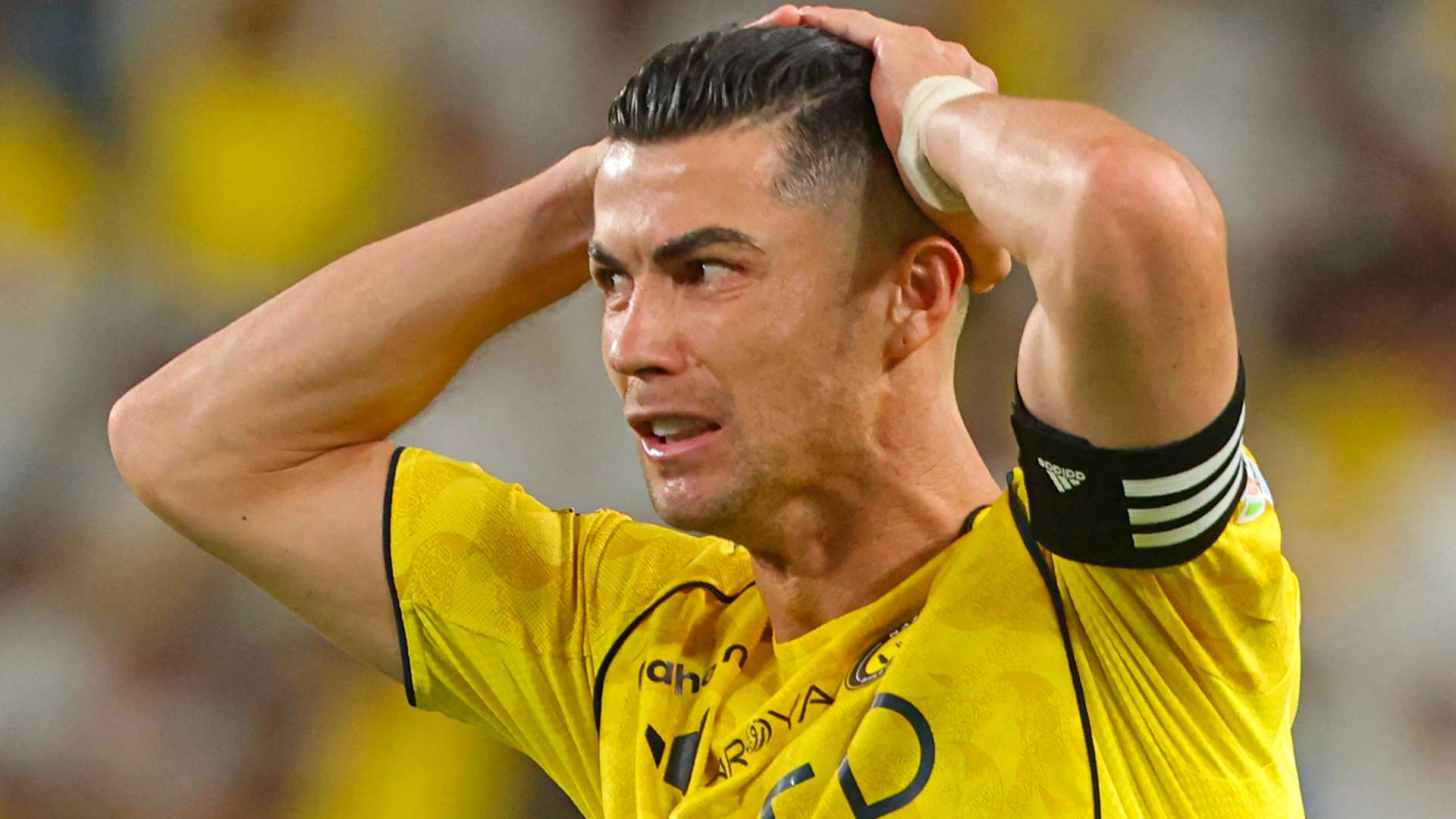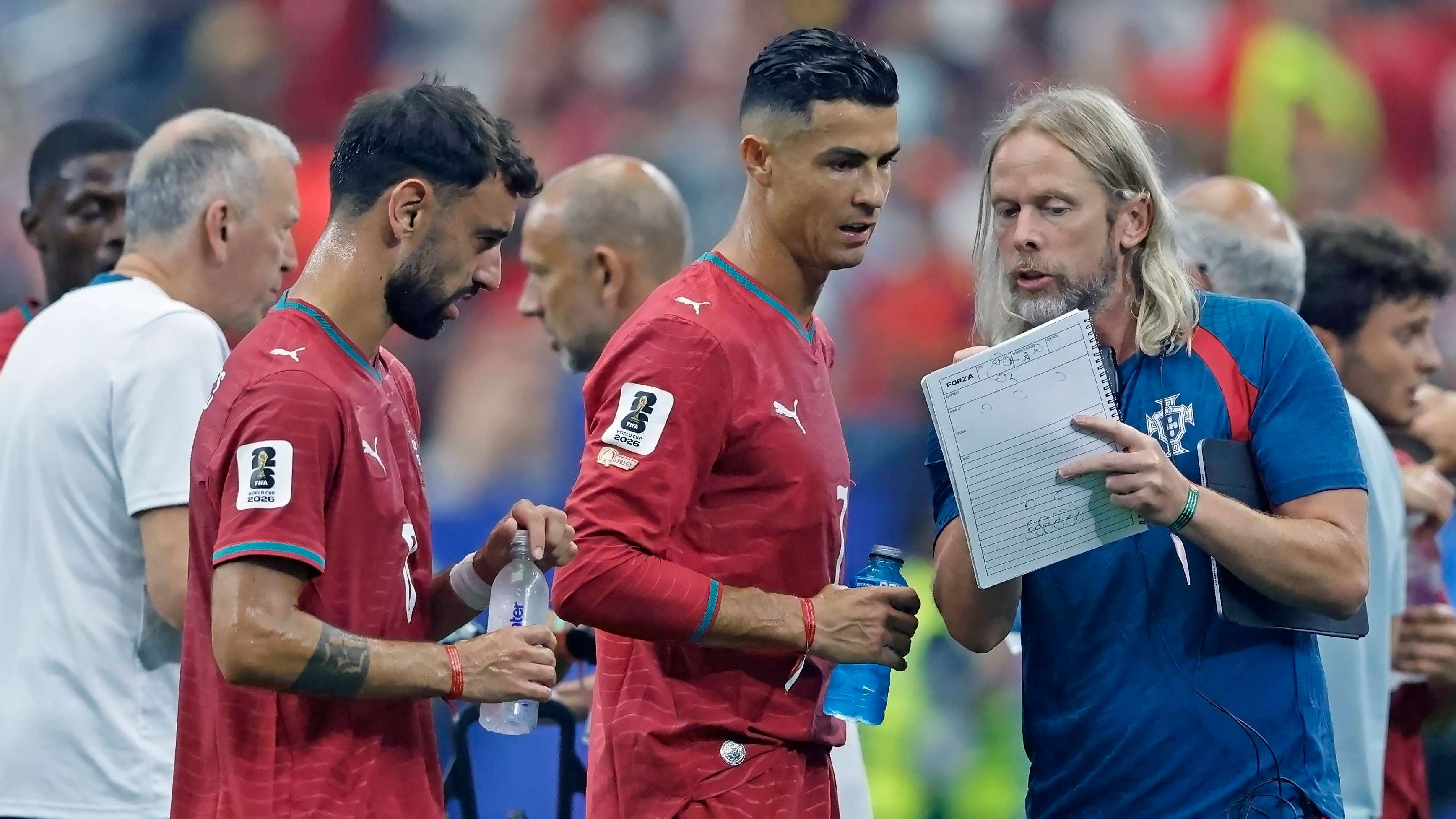

Al-Nassr finds itself navigating one of the most turbulent periods in the Saudi club's modern history. A deepening financial crisis has cast serious doubt over the entire sporting project, forcing club officials to consider difficult decisions about their future direction and spending priorities.
The spotlight has once again turned to Cristiano Ronaldo, though not for his record-breaking goalscoring exploits. Instead, the Portuguese superstar's substantial contract has become the focal point of debate as Al-Nassr grapples with debts exceeding 800 million riyals. The fundamental question now facing the club's hierarchy is whether continuing to fund the world's most expensive football project remains viable amid such financial strain.
The Cost of Global Prominence
Ronaldo undeniably transformed Al-Nassr's global profile when he joined the Saudi Pro League in 2023. His arrival catapulted the club into international headlines and exponentially increased commercial revenue streams. The Portuguese star's marketability remains unparalleled, generating sponsorship deals and broadcasting rights that would have been unimaginable before his arrival. Yet this elevated status comes with an astronomical price tag that now threatens the club's financial stability.
The salary structure surrounding Ronaldo represents more than just wages. Contract privileges, performance bonuses, and associated operational costs create a financial burden that consumes the majority of Al-Nassr's annual budget. Meanwhile, the club has struggled to sign impactful replacements, complete player renewals, or address mounting debts accumulated through this ambitious project.
Building Systems Over Individual Stars
History demonstrates that sustained success in football requires integrated team structures rather than reliance on singular superstars. A coach working with a balanced squad, coupled with stable administration, consistently outperforms projects built around one exceptional talent. Should Al-Nassr opt to exit the Ronaldo arrangement, the freed financial resources could enable multiple strategic signings, debt reduction, and improved squad depth across multiple positions.
Ronaldo himself bears no blame for Al-Nassr's predicament. The 39-year-old continues delivering professional performances with consistent goalscoring contributions. His technical abilities remain world-class, and his commercial value provides vital income streams offsetting portions of his contractual costs. However, sustaining these enormous financial commitments may prevent the club from executing necessary rebuilding efforts if the crisis deepens further.
The resolution will ultimately hinge less on sporting merit and more on economic reality. Al-Nassr's ability to escape their current financial emergency will determine whether keeping Ronaldo remains feasible or whether a pragmatic restructuring becomes unavoidable. The club's next moves will define whether they rebuild around integrated systems or maintain their high-profile gamble.