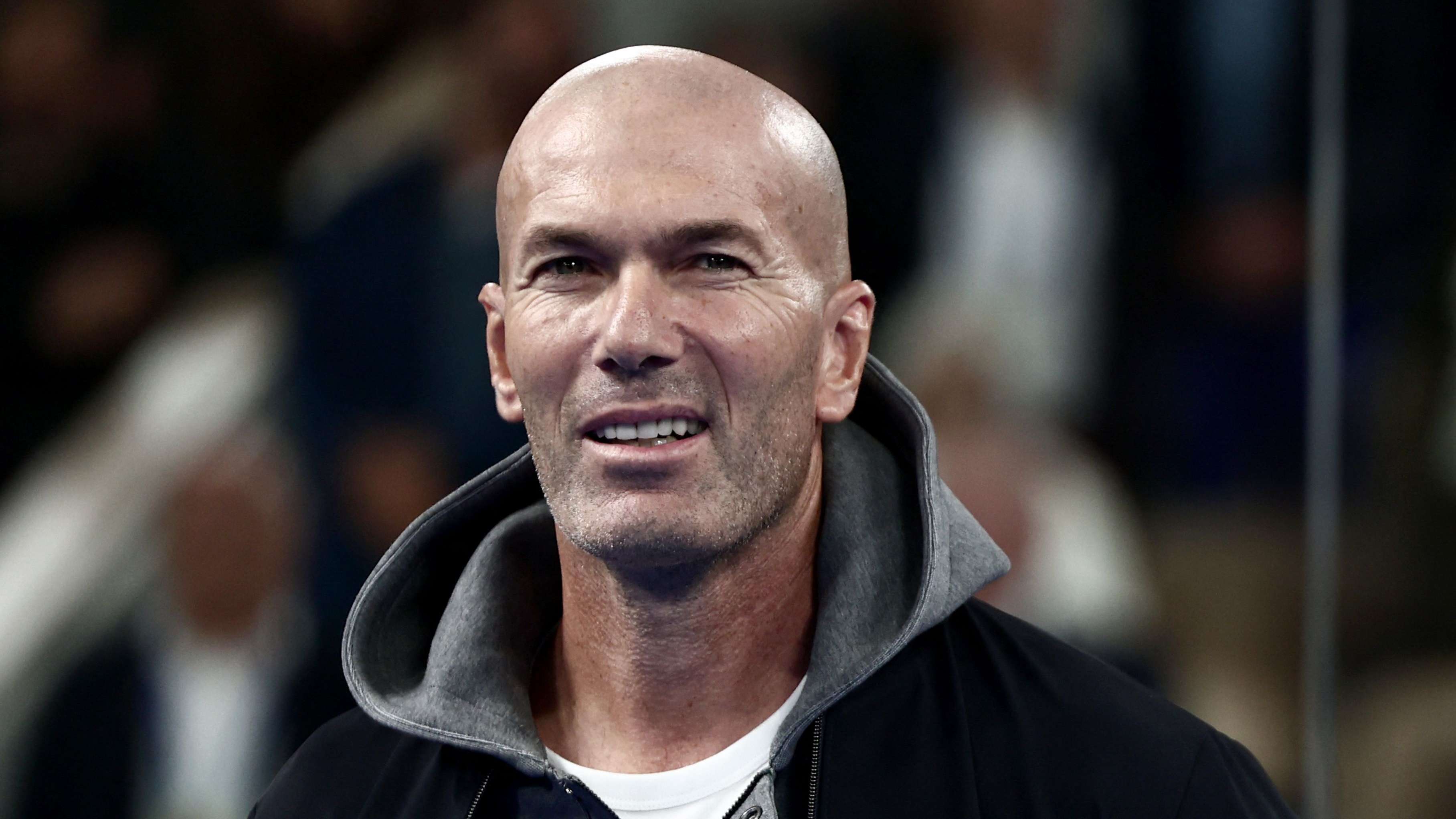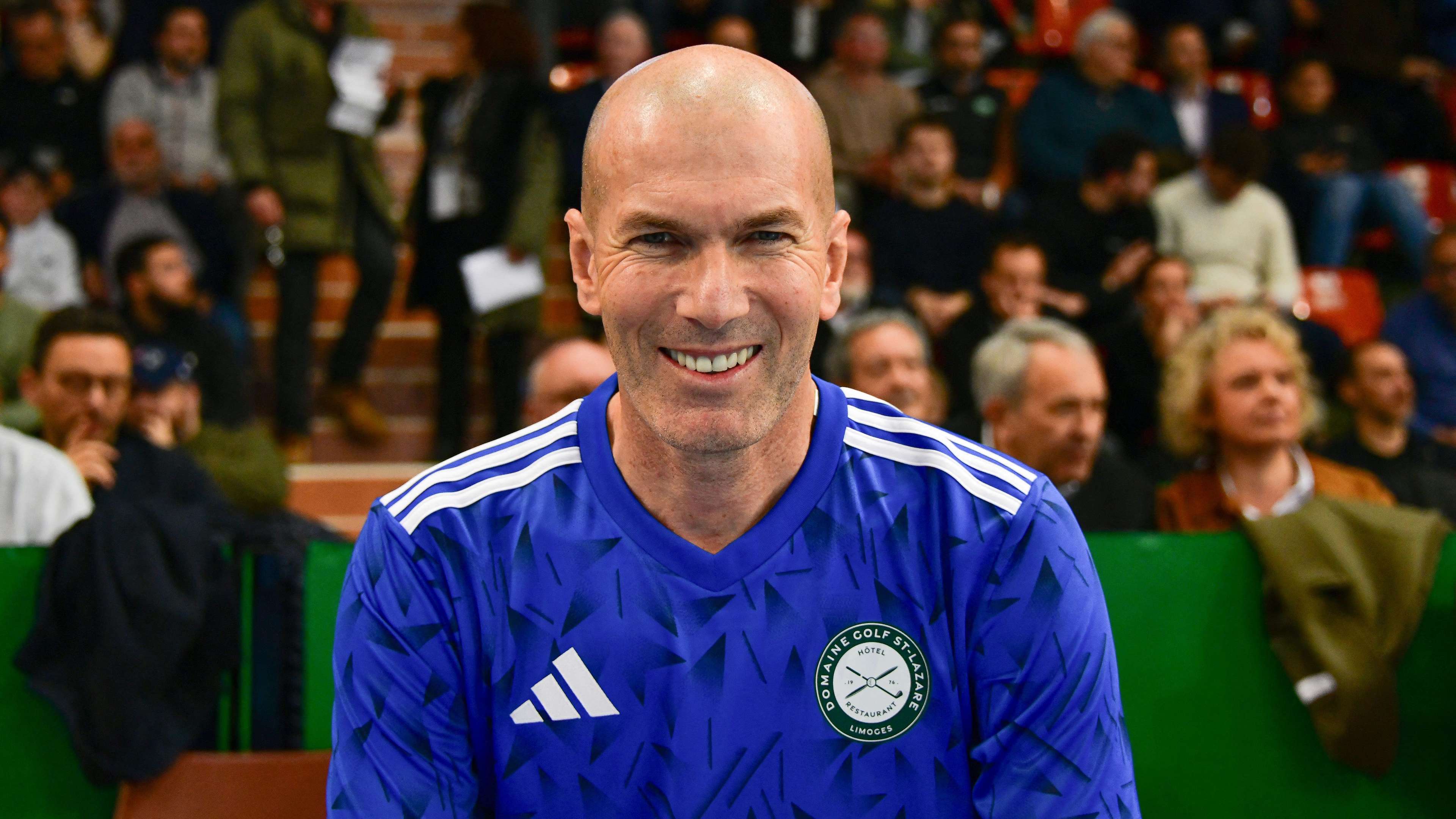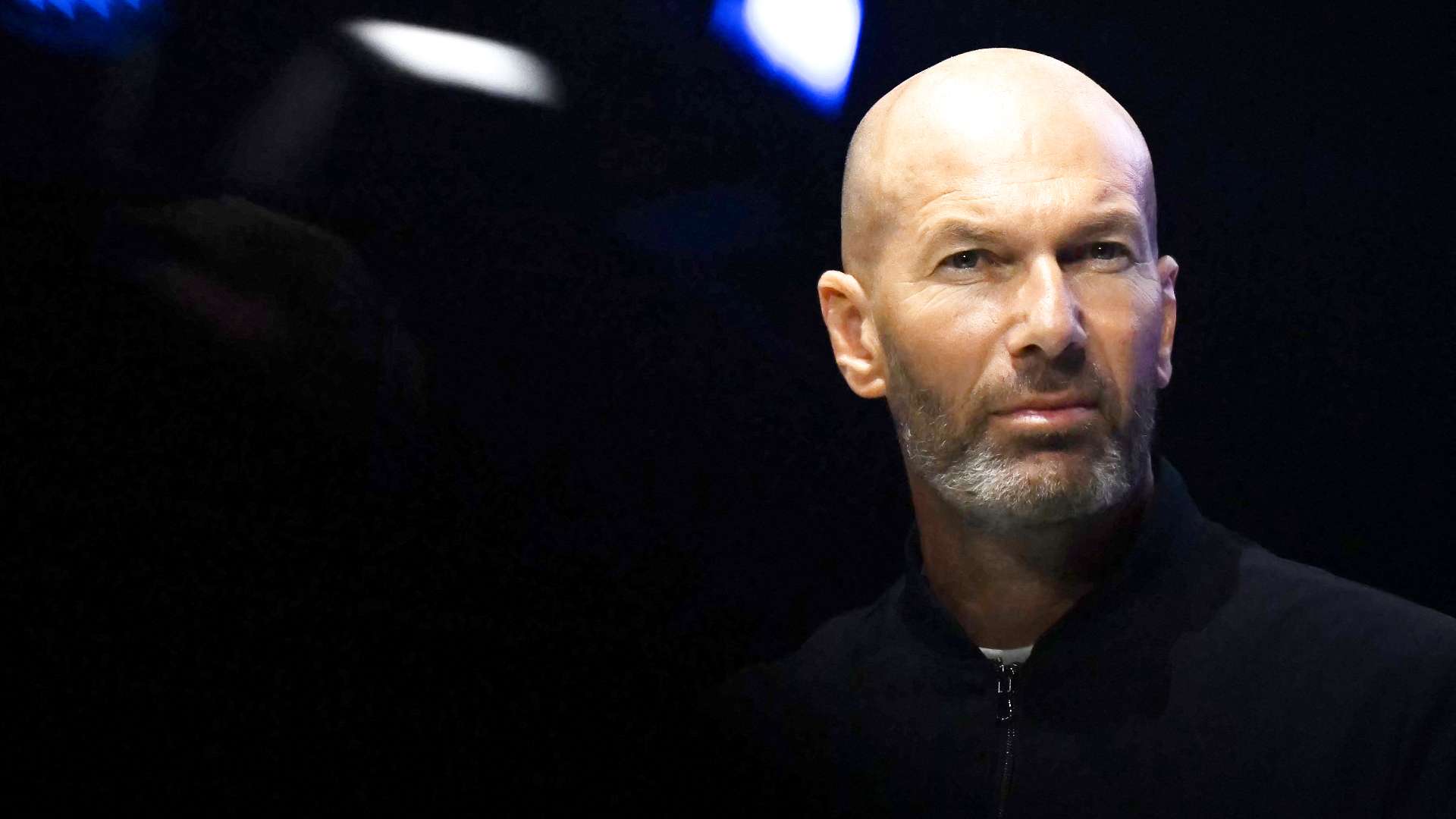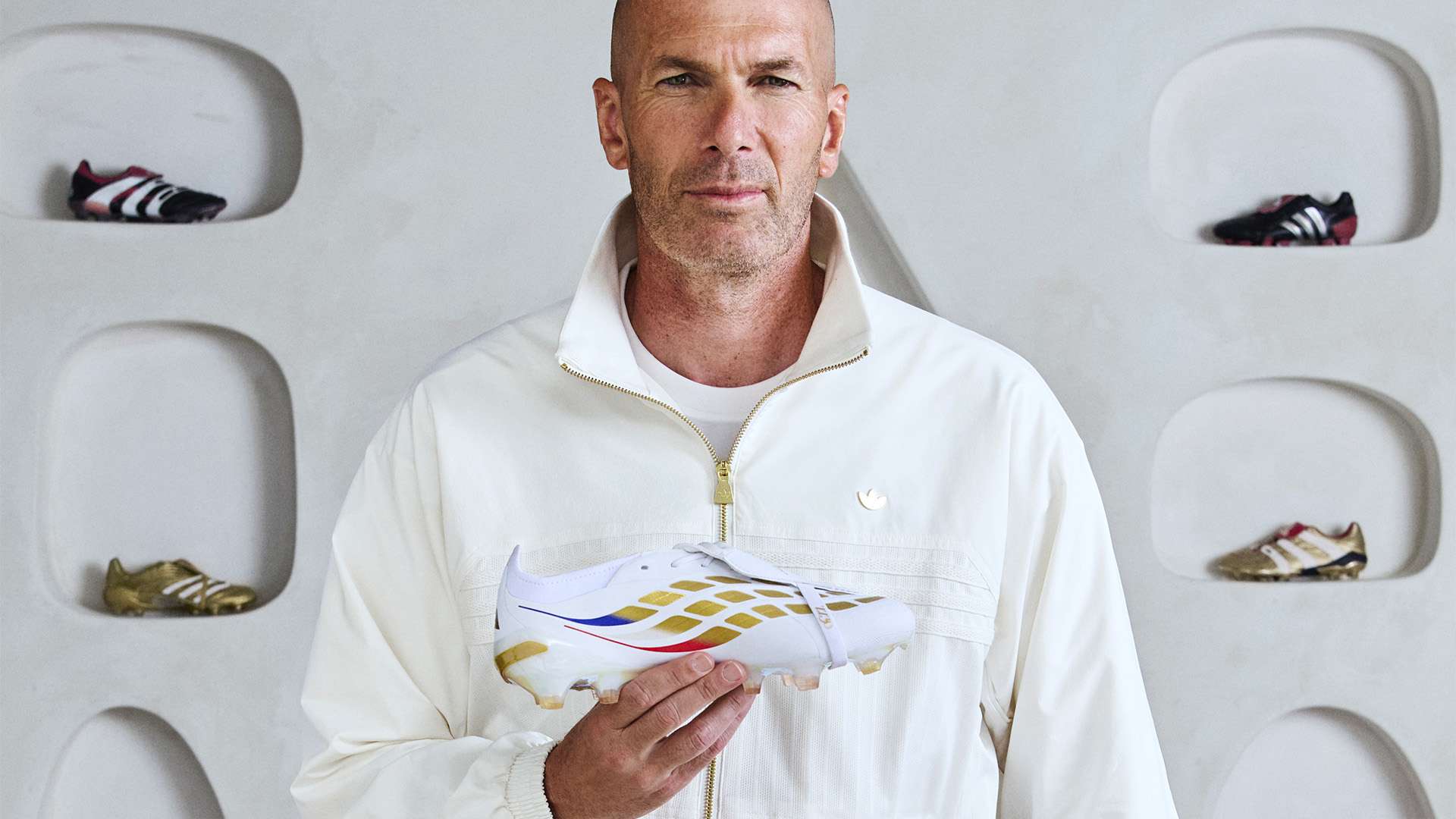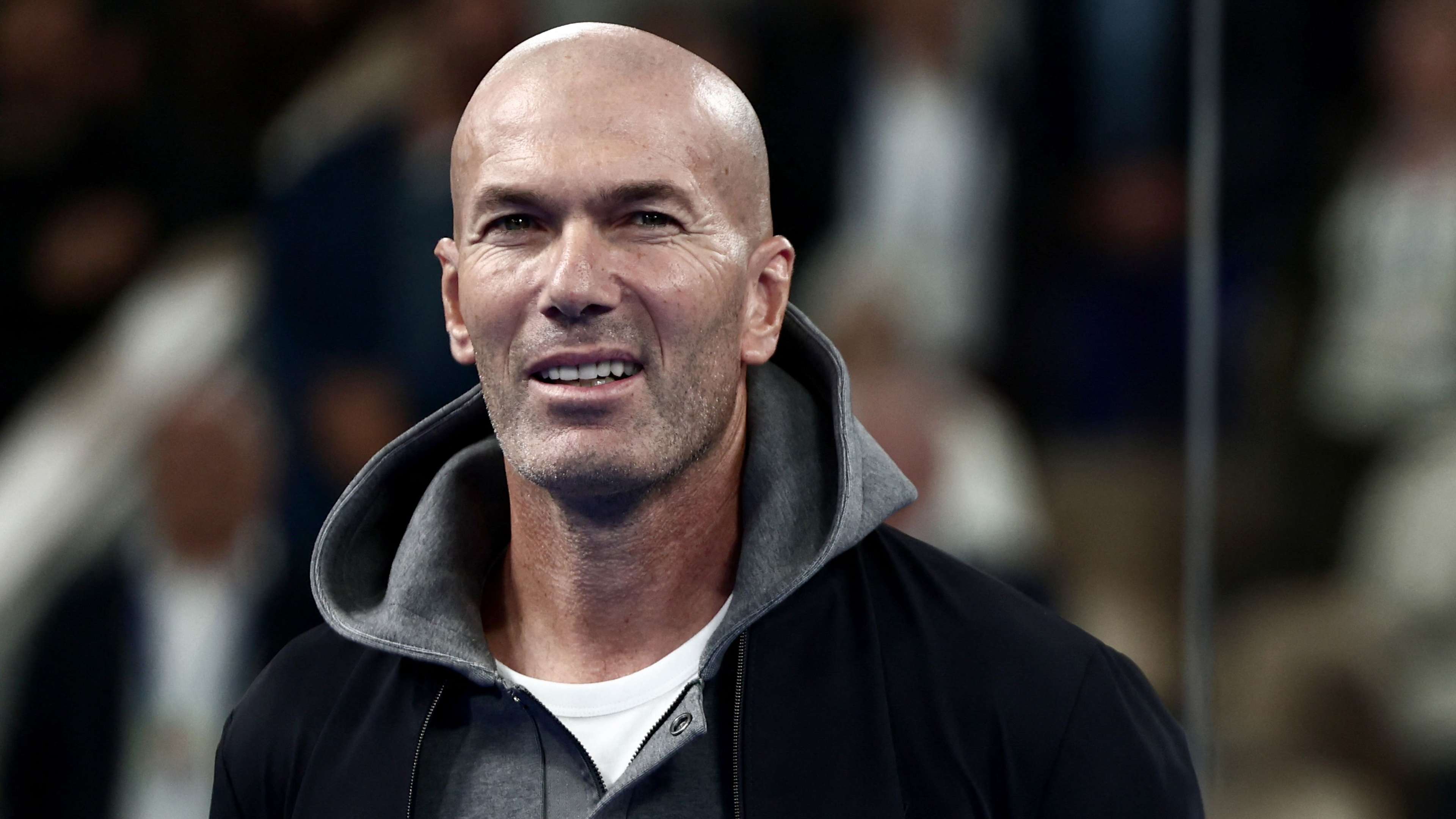
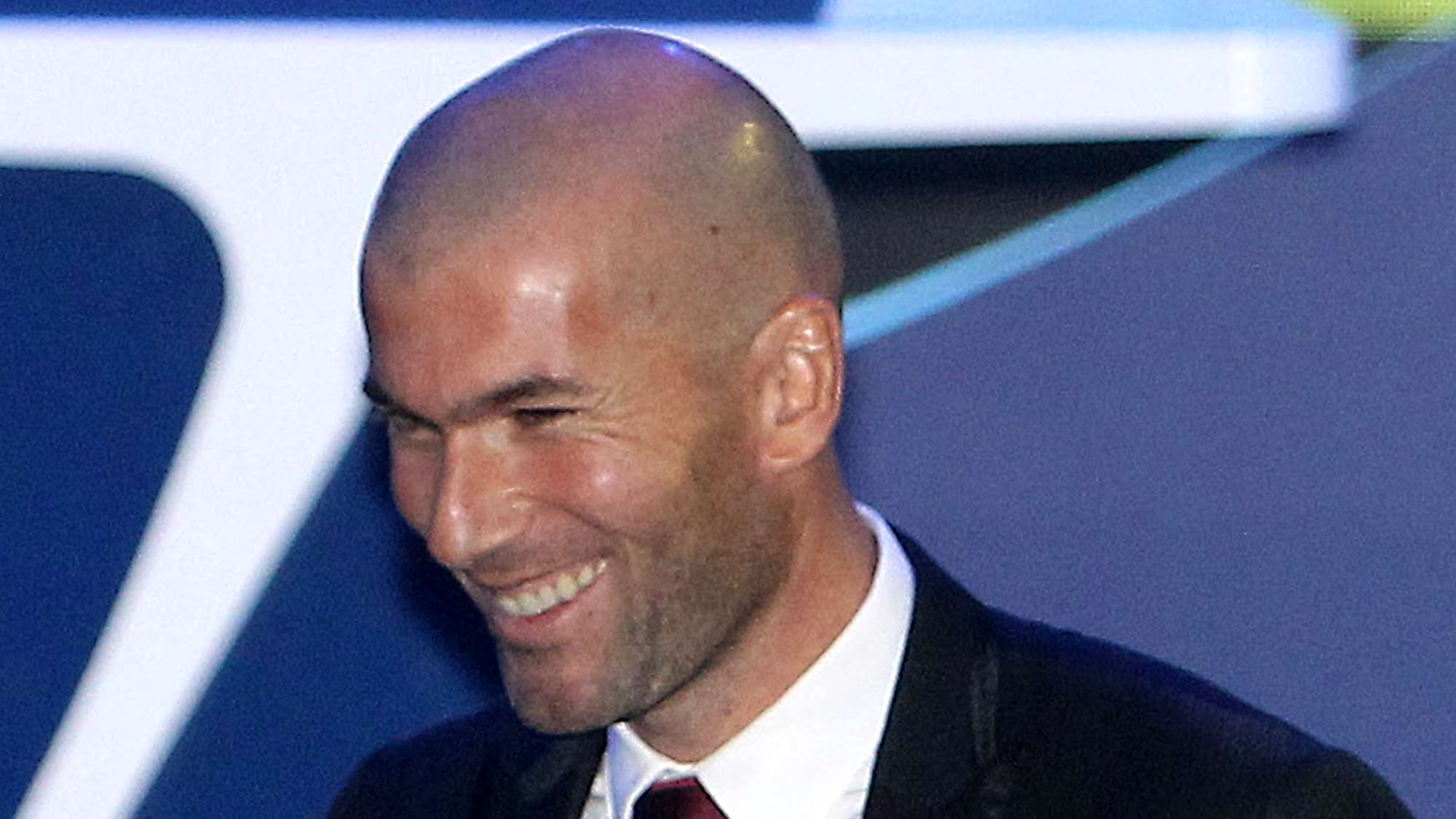
Zinedine Zidane has accepted the role of head coach for the French national team, marking his return to football after five years away from the pitch. Beyond the tactical demands of the job, L'Équipe suggests the legendary midfielder faces an equally significant test: navigating the intense media landscape surrounding international football at the highest level.
Throughout his managerial career, Zidane has built a reputation as a coach of few words and deliberate communication. Those close to him describe him as obsessed with precision in language, carefully weighing each phrase before delivering it publicly. His approach has always been grounded in simplicity and brevity. At Real Madrid, where he won three consecutive UEFA Champions League titles between 2016 and 2018, Zidane allowed his achievements to dominate headlines rather than seeking the spotlight himself. He spoke when necessary, answered questions directly, and remained largely removed from manufactured controversies that often consume the modern football media cycle.
From Reserved Manager to National Team Leader
Zidane's relationship with the press evolved considerably during his two spells with Real Madrid. Initially offering short, measured responses, he gradually developed greater comfort expressing tactical ideas and explaining his decisions, whether speaking in French or Spanish. Yet this evolution never compromised his fundamental reserve. He has never been a manager who thrives on constant commentary or daily media engagement. Most international football coaches embrace frequent press conferences and regular public statements as part of the job. Zidane's appointment changes that dynamic considerably.
Leading the French national team demands something different from pure on-pitch performance. The role requires constant engagement with public opinion, technical justifications for squad selections, crisis management, and immediate player performance analysis—all conducted under relentless media scrutiny. His status amplifies this pressure significantly. Zidane is not simply a new appointment but one of France's greatest sporting figures, with a World Cup winners' medal, multiple Ballon d'Or nominations, and a legendary playing career. Every statement he makes will be dissected, reinterpreted, and weaponized by critics or celebrated by supporters across French and international media outlets.
Balancing Silence with Communication
The challenge before Zidane extends beyond tactical knowledge or player development. He must find equilibrium between the reticence that has defined his personality and the communicative demands inherent in representing a nation. His first official media appearance as France coach will signal whether he can adapt his philosophy to international football's demands. For a man whose legend was partly built on letting results do the talking, the coming stage requires a careful calibration of message, tone, and accessibility. The question remains: can Zidane transform his reserved nature into effective national team leadership without compromising the very qualities that made him one of football's most respected figures?