The 2026 World Cup marked a watershed moment for Arab football, yet the narrative defied expectations. Eight national teams qualified for the tournament—a historic doubling of previous records—but only three advanced past the group stage. Algeria, Egypt, and Morocco reached the knockout rounds, only to fall short of ambitions that had built momentum across the region.
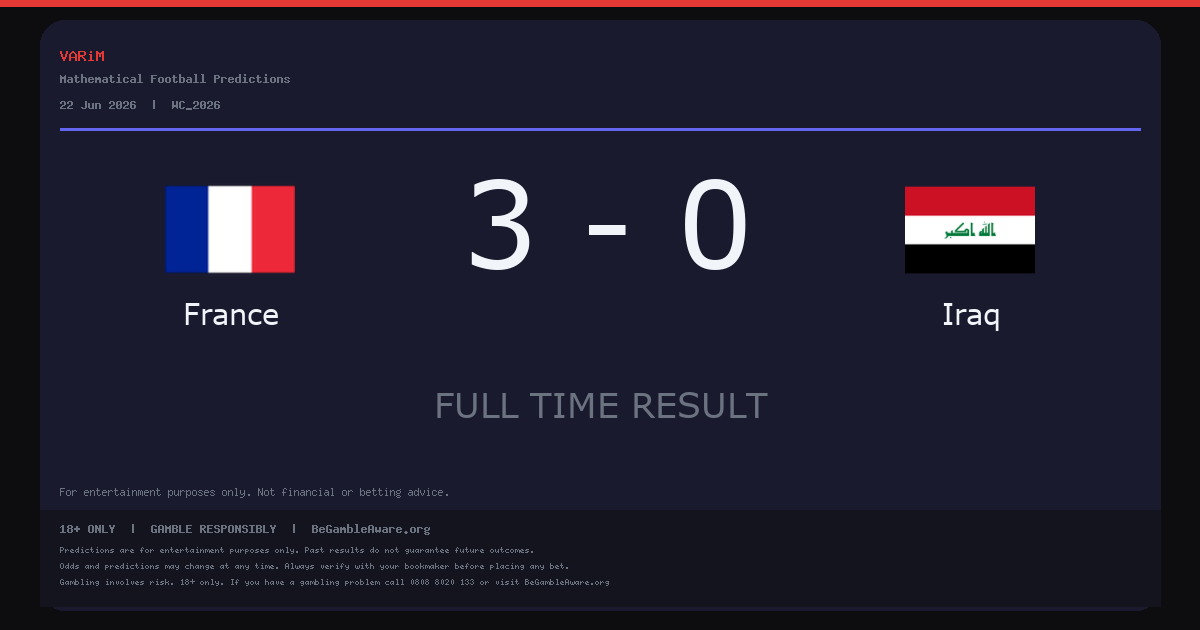
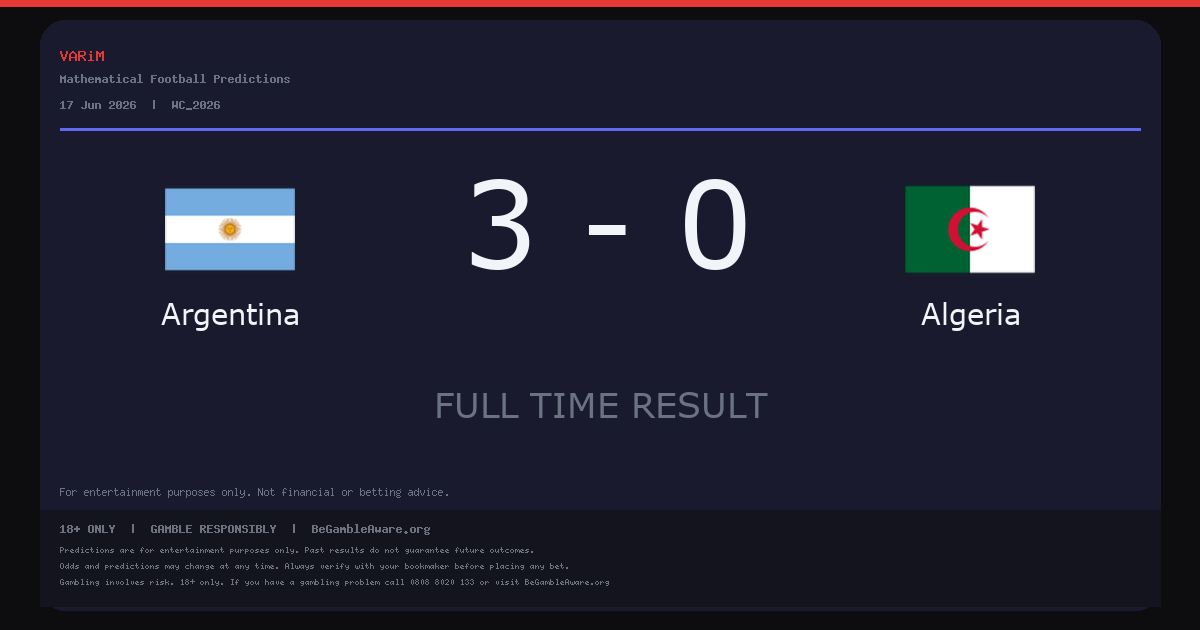
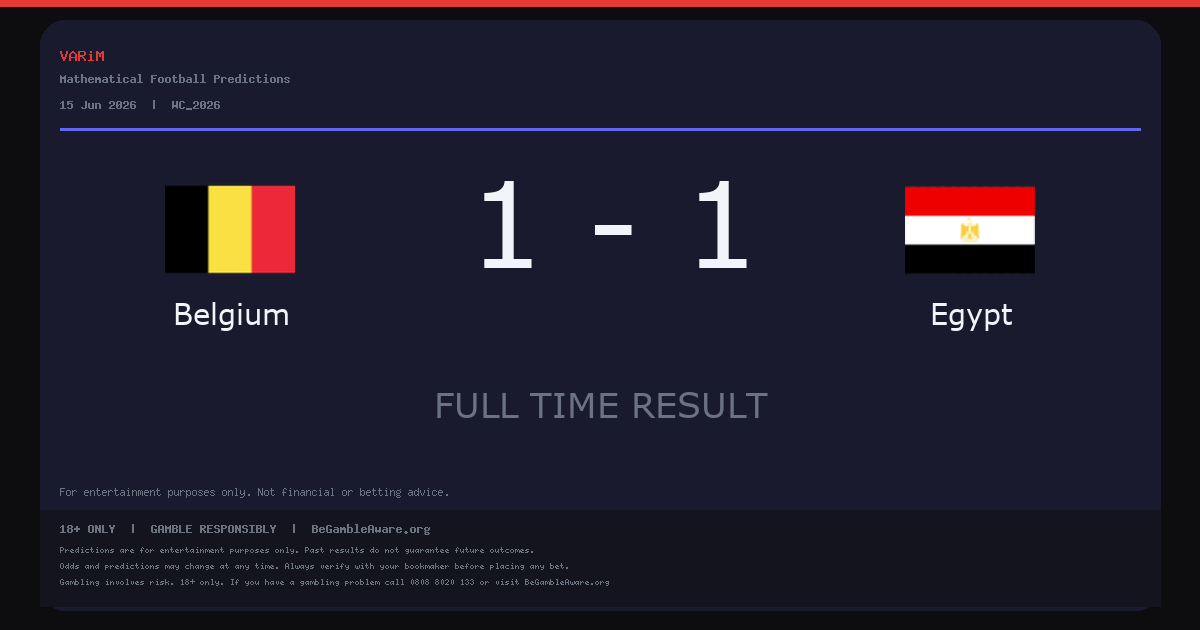
The results revealed a pattern that transcended raw statistics. While Egypt's performance against Belgium and Morocco's displays against Brazil and the Netherlands proved the technical gap had narrowed, a more insidious obstacle emerged. When Arab sides faced elite opposition in decisive moments, hesitation replaced boldness. Egypt's encounter with Argentina epitomized this struggle: dominant for 79 minutes, yet unraveling when mental composure mattered most. Similar patterns plagued Algeria against Argentina, Iraq versus France, Saudi Arabia against Spain, and Tunisia facing Sweden.
The Psychology of Pressure
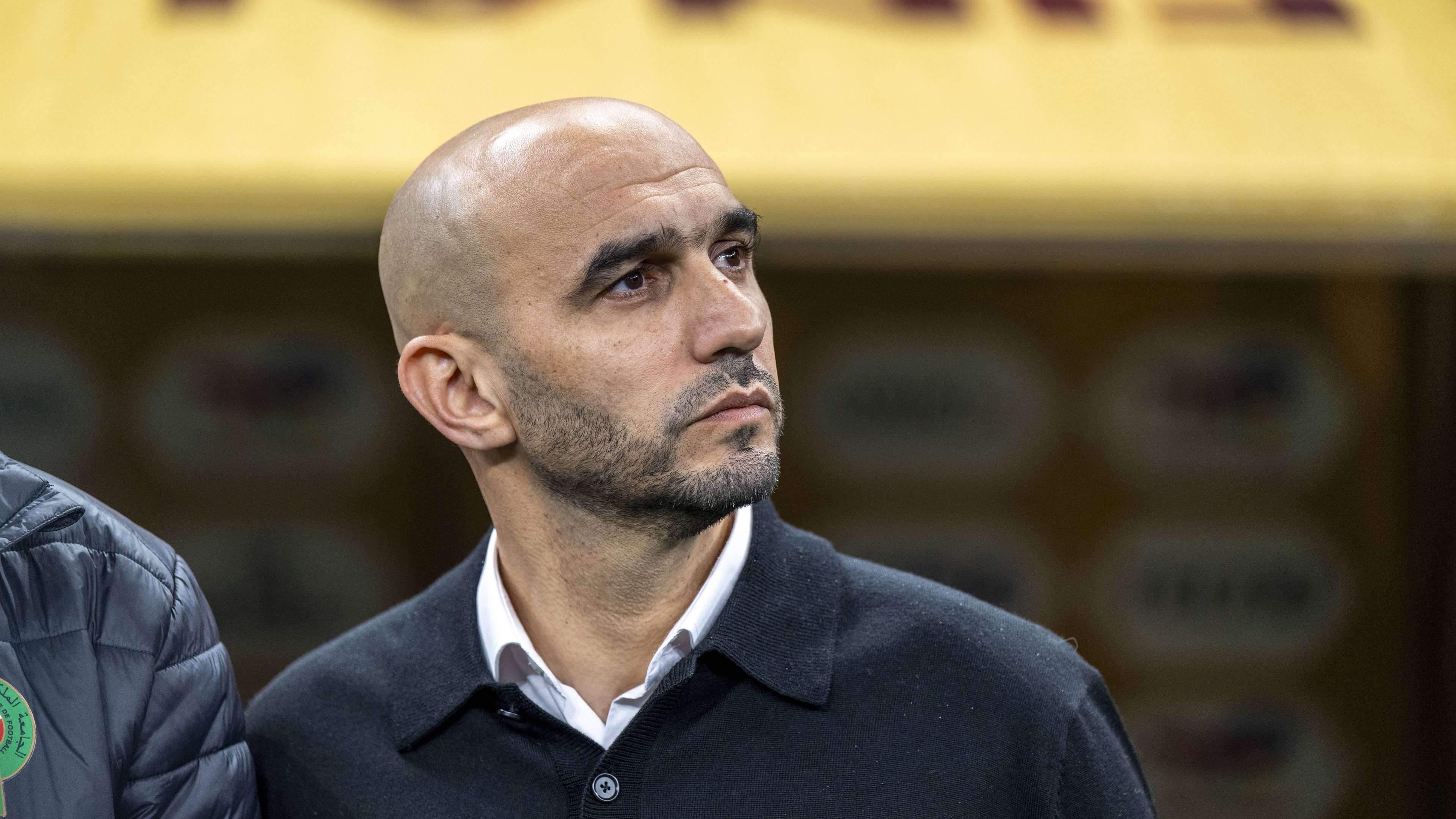
The common thread ran deeper than tactical shortcomings or skill deficiencies. Morocco's transformation in their quarter-final against France best illustrated this psychological divide. The team that had competed fiercely against major opponents suddenly abandoned the attacking character that defined their tournament. Their intensity evaporated, as if confidence itself had been withdrawn.
This mental barrier surfaces consistently when Arab teams confront established powerhouses. The belief necessary to upset traditional elites—the conviction that victory remains possible—often dissolves under pressure. Whether through inexperience at this level or accumulated defeats against the same opponents, the psychological component now outweighs technical limitations as the primary obstacle to deeper tournament runs.
Building Foundations for Future Success
Yet the 2026 World Cup planted seeds of genuine optimism. Eight Arab teams qualifying simultaneously demonstrated growing competitive depth across the region. Egypt, Morocco, and Algeria proved capable of competing tactically and technically against elite nations. The next progression requires addressing mental fortitude, resilience under pressure, and the tactical discipline to maintain character when facing adversity. With these psychological barriers gradually dismantled through experience and improved preparation, Arab football's next World Cup could look substantially different.