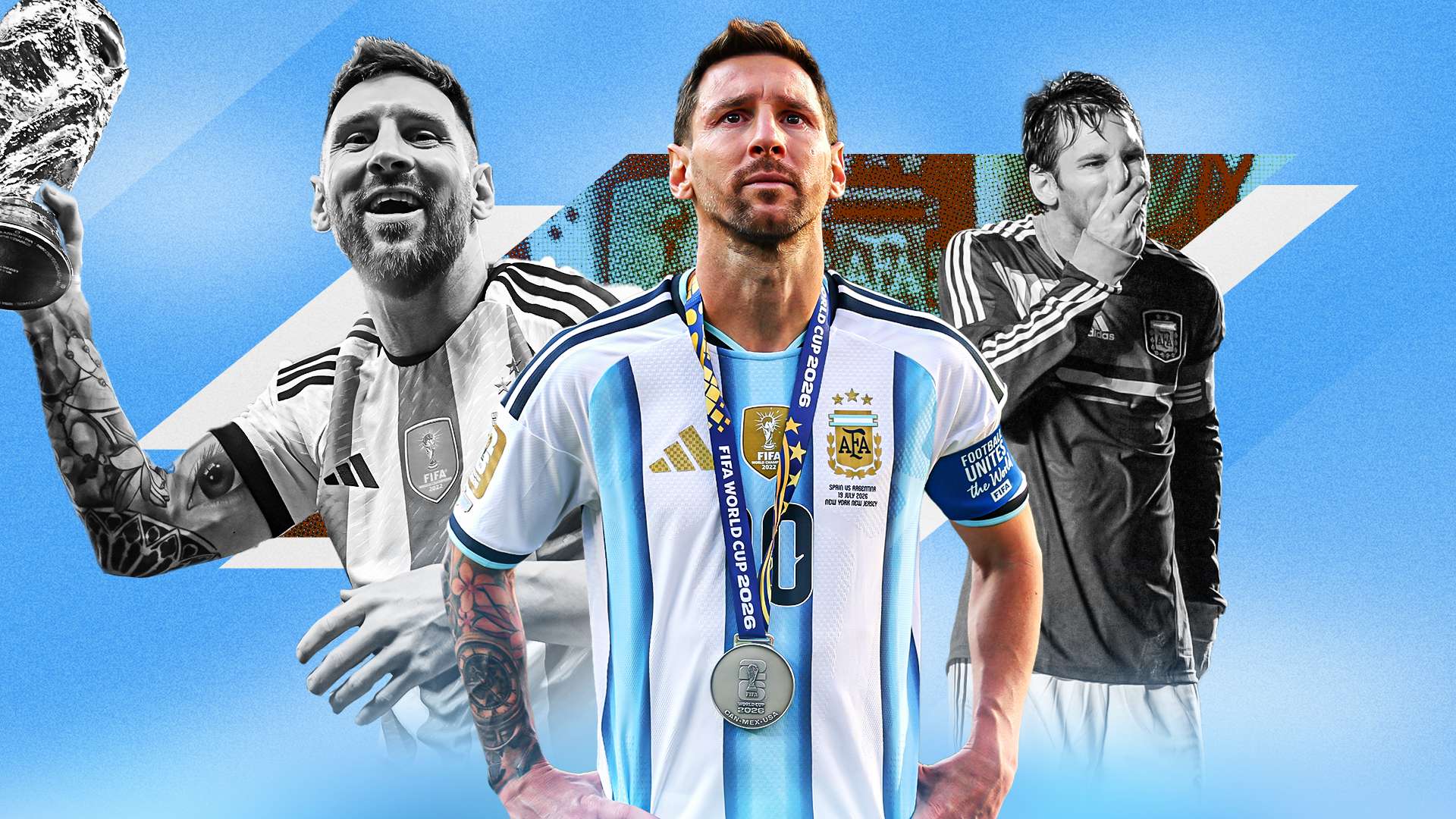
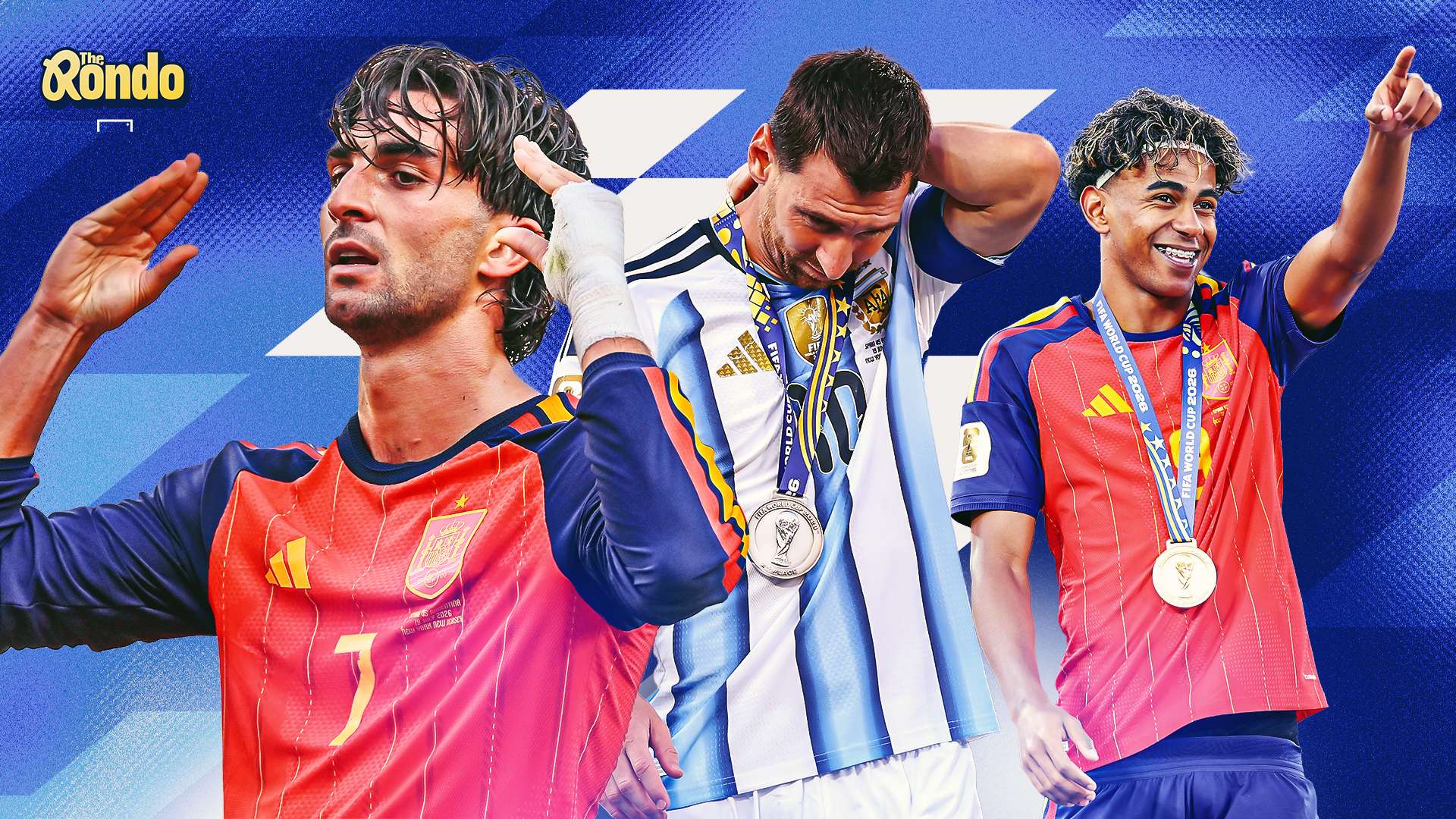
Spain claimed their second World Cup trophy with a 1-0 victory over Argentina in a defensive masterclass that left debate about the quality of the final itself. At 39 years old, Lionel Messi likely played his last international match, unable to rescue a struggling Argentine side that struggled to create meaningful chances throughout the 120 minutes.
The match was decided by methodical buildup play rather than attacking brilliance. Spain suffocated Argentina's midfield with relentless short passing, executing what observers called "death by 10,000 six-yard passes." The Spanish side completed a tournament campaign that dismantled four genuine contenders: Portugal, Belgium, France, and Argentina, conceding just one goal across all knockout fixtures. This defensive resilience arguably ranks among the finest World Cup tournament performances on record.
A Tactical Battle Rather Than a Spectacle
The 2022 Qatar final between Argentina and France had set an impossibly high standard—a chaotic, high-scoring affair that few tournaments deliver. Sunday's encounter told a different story. Argentina arrived without pace options beyond Messi and lacked a secondary attacking threat, while Spain's central attacking problem meant neither side sought an open, transitional game. The result was a midfield war characterized by positional control and defensive discipline, punctuated by 50 fouls that reflected the physical intensity rather than flowing football.
Argentina registered no shot on target until the late stages of extra time, a damning statistic that revealed their complete inability to break down Spanish organization. Critics pointed to Spain's 2010 World Cup triumph as a more compelling final, arguing that squad featured spectacular attacking players like David Villa, Andrés Iniesta, and Xavi alongside its defensive excellence. This iteration lacked that creative dimension.
Messi's Legacy and Spain's Tournament Dominance
The bigger narrative concerns Messi's international career trajectory. At an age when most players have retired, he carried a fundamentally flawed Argentina team to the final through sheer willpower. His inability to influence the decisive match represents a bittersweet conclusion: remarkable longevity undermined by a team that could not match his individual excellence when it mattered most.
- Spain conceded only one goal in four knockout matches
- Argentina's possession-heavy style proved ineffective against Spanish pressing
- The final lasted 120 minutes with minimal clear-cut opportunities for either side
- Spain's defensive record ranks among World Cup history's strongest tournaments
Whether the final deserves dismissal as one of the worst in recent memory depends on perspective. The stakes involving two generational talents—Messi and teenage sensation Lamine Yamal—created undeniable tension. Spain's tournament-long excellence, built on suffocating defensive systems rather than aesthetic attacking play, ultimately proved too much for Argentina to overcome. The World Cup final crowned the best team, even if the execution lacked the drama fans craved.