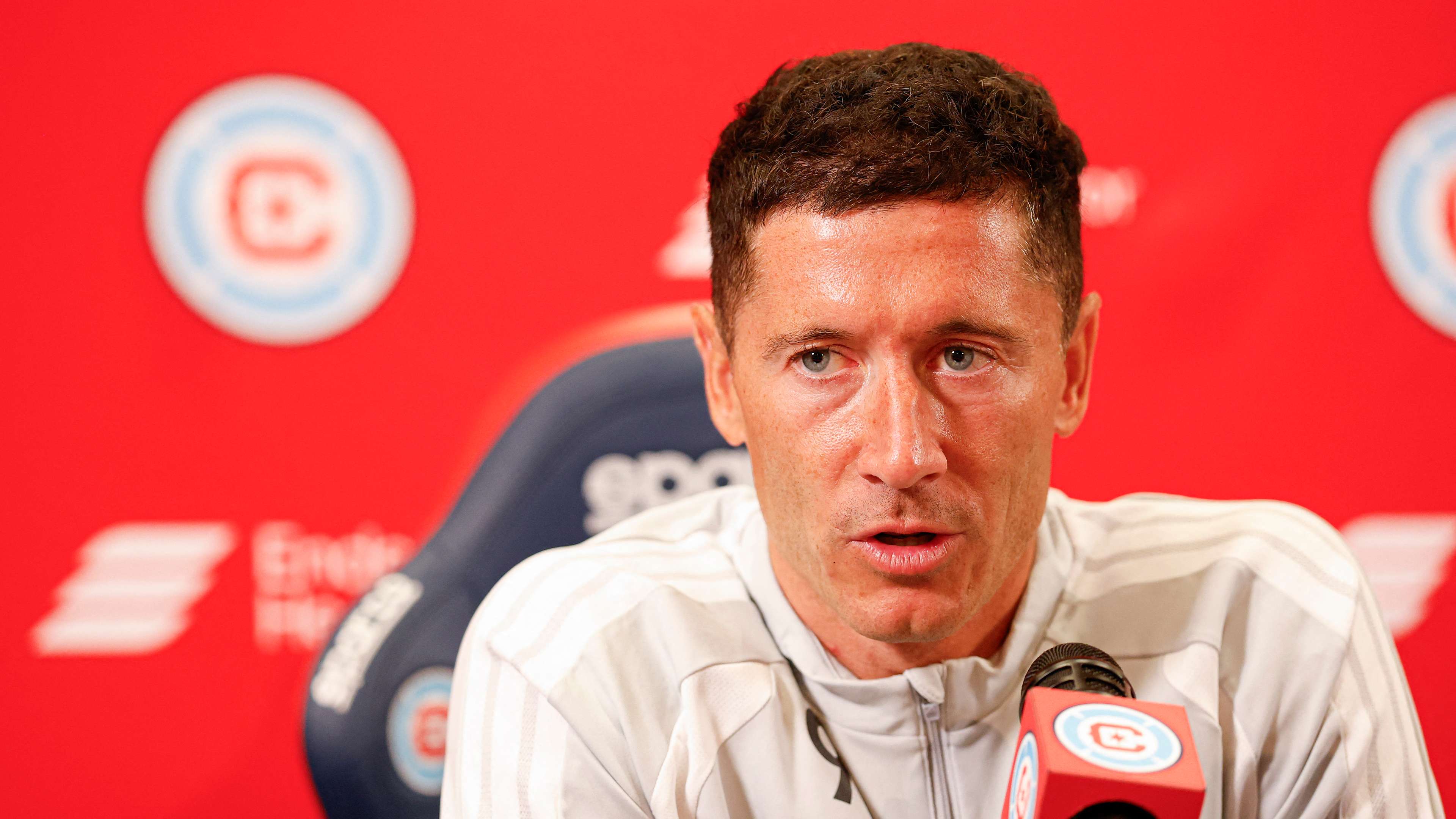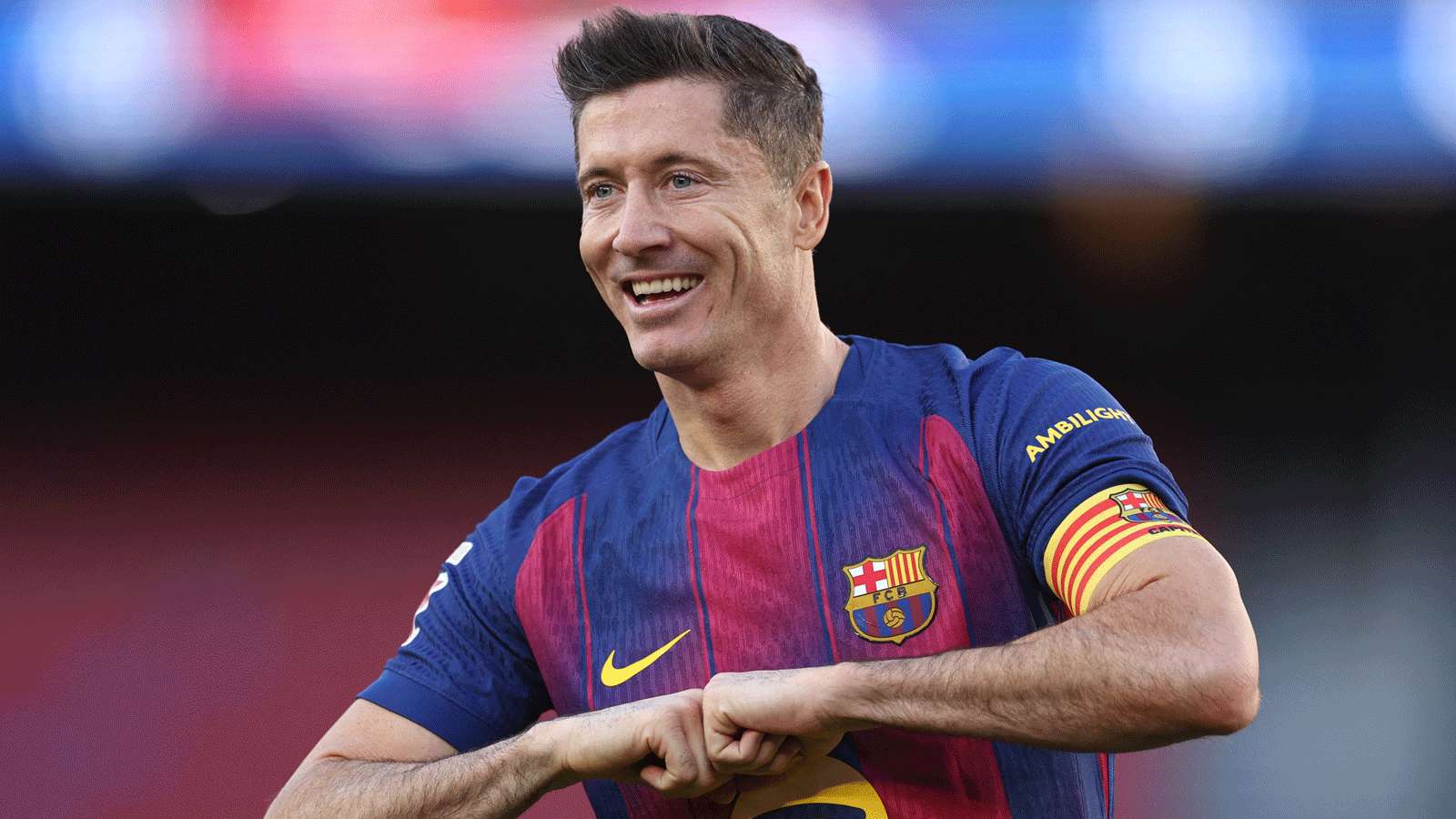
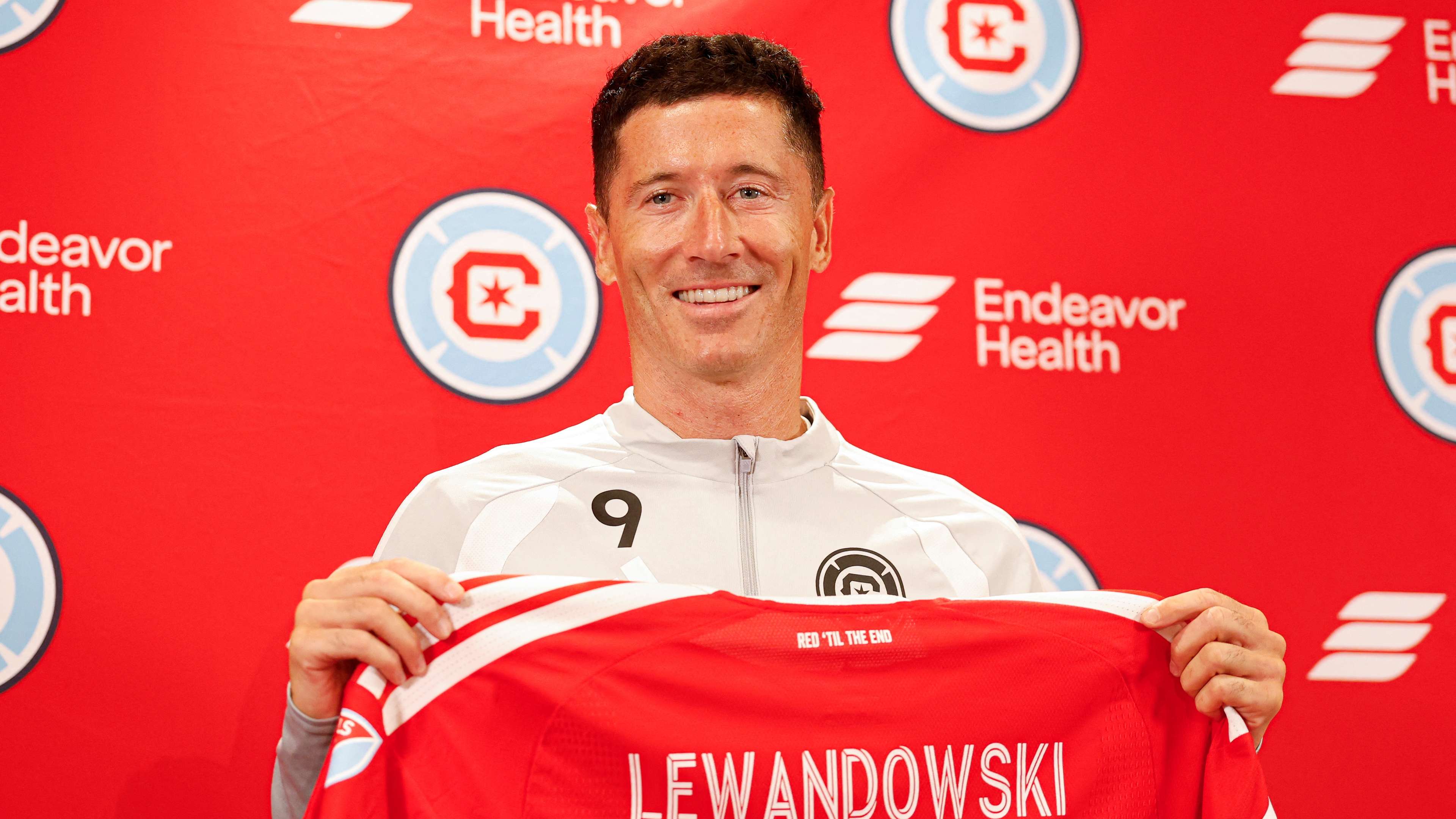
Robert Lewandowski has opened up about his emotional attachment to Barcelona, revealing it was the primary reason he rejected lucrative offers from European clubs to join Chicago Fire in Major League Soccer. The 37-year-old Polish striker, officially presented as the franchise's marquee signing, made clear that continuing his career elsewhere on the continent felt impossible after his time at Camp Nou.
Before finalizing his move to MLS, Lewandowski fielded interest from several established European sides. Reports linked him with Juventus and clubs in Turkey and Portugal, yet none could tempt him away from his decision to leave the continental game. "My time at Barca was over and I couldn't imagine myself in another European club," he told assembled media. "My affection for Barca was too big."
Impact on Chicago's Project
Head coach Gregg Berhalter, instrumental in bringing the legendary forward to Chicago, views Lewandowski as a transformative presence. The former Bayern Munich star's professionalism and understanding of peak athletic maintenance impressed the coaching staff. "We are convinced that he'll have an immediate impact on the team," Berhalter explained. "He is a model professional who knows how to take care of his body and maintain an optimal level. I think he will be a role model." Over nearly two decades at elite clubs, Lewandowski scored 344 goals in 375 Champions League and Bundesliga appearances combined, establishing himself among football's most prolific strikers.
Lewandowski made his competitive debut imminent, joining training sessions on Tuesday ahead of Chicago's clash against Vancouver Whitecaps on Thursday. The fixture will see him reunite with former Bayern teammate Thomas Müller, adding another layer of familiarity to his North American debut. His career arc—from Poland's Delta Warsaw through Munich's dominance and Barcelona's Camp Nou before settling in Chicago's skyline—marks a notable chapter in modern football's evolving landscape.