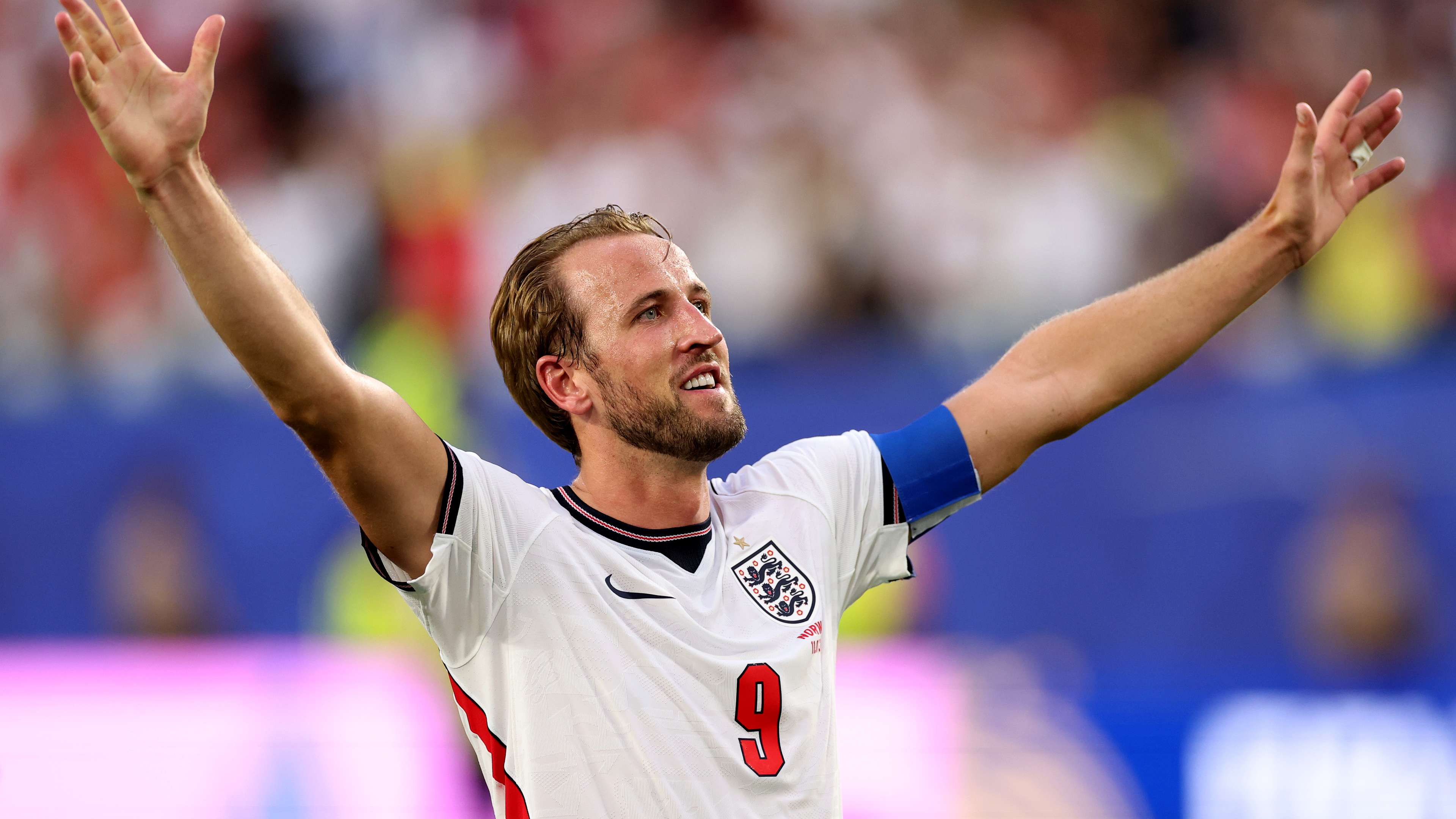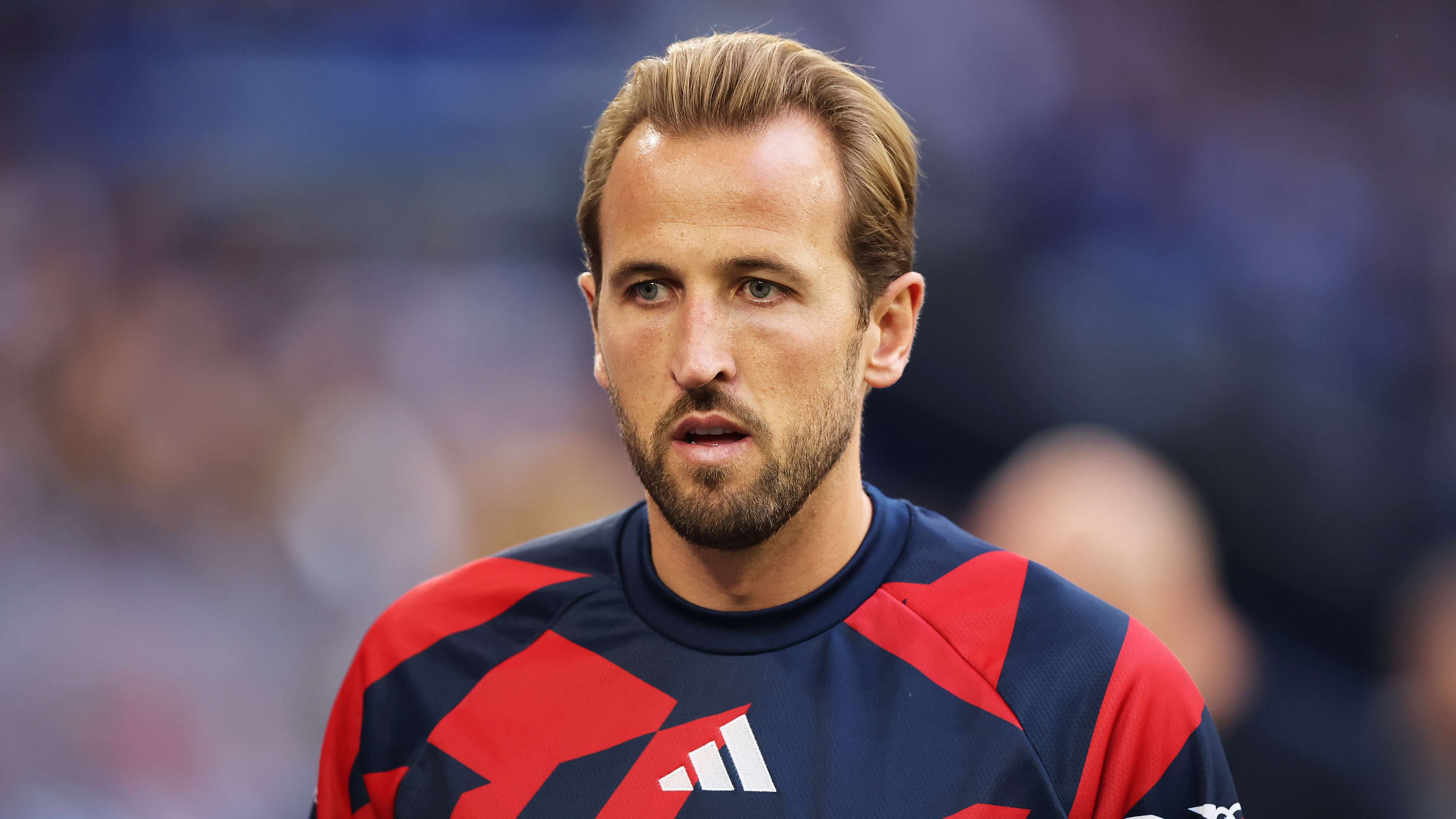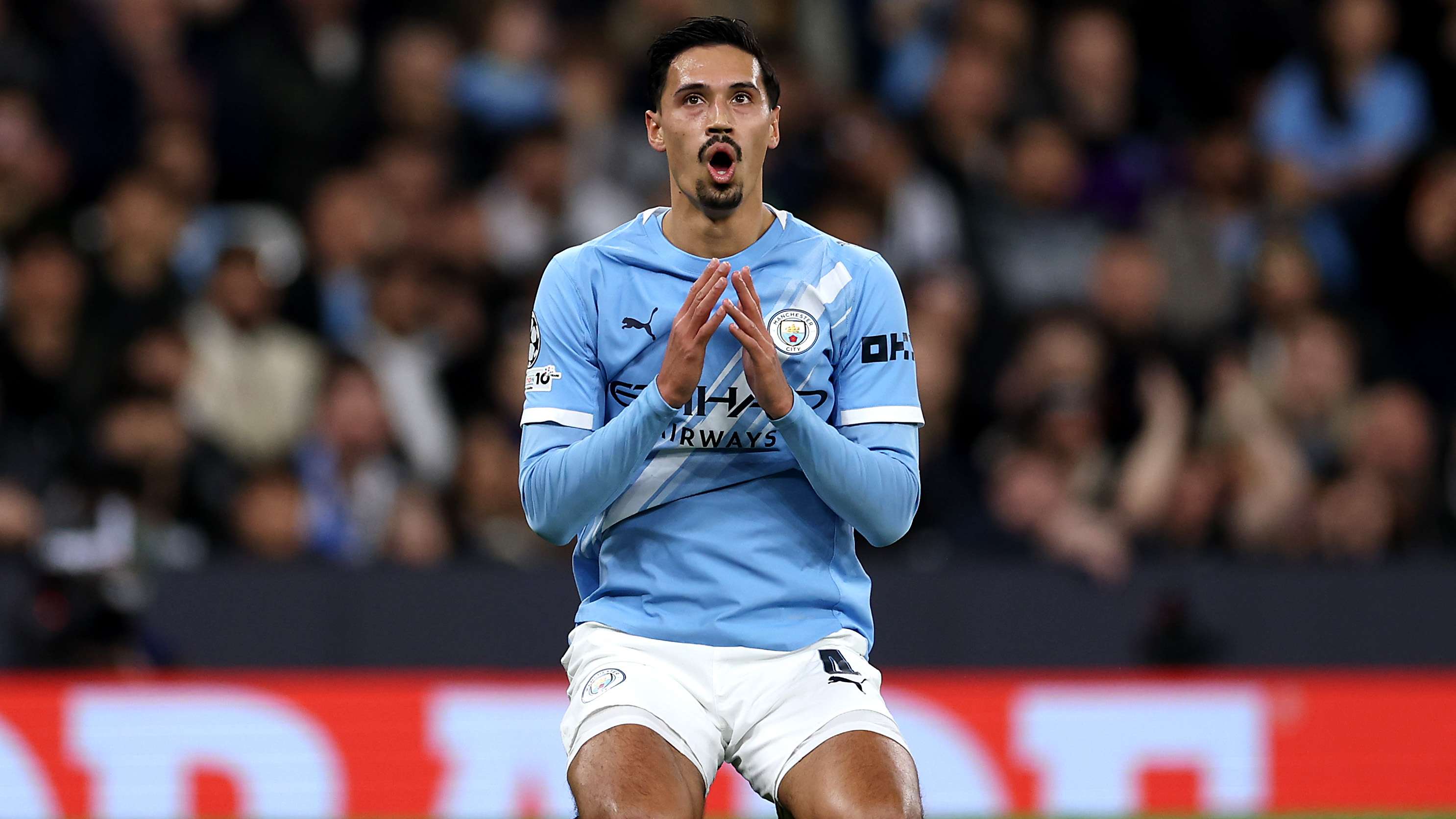
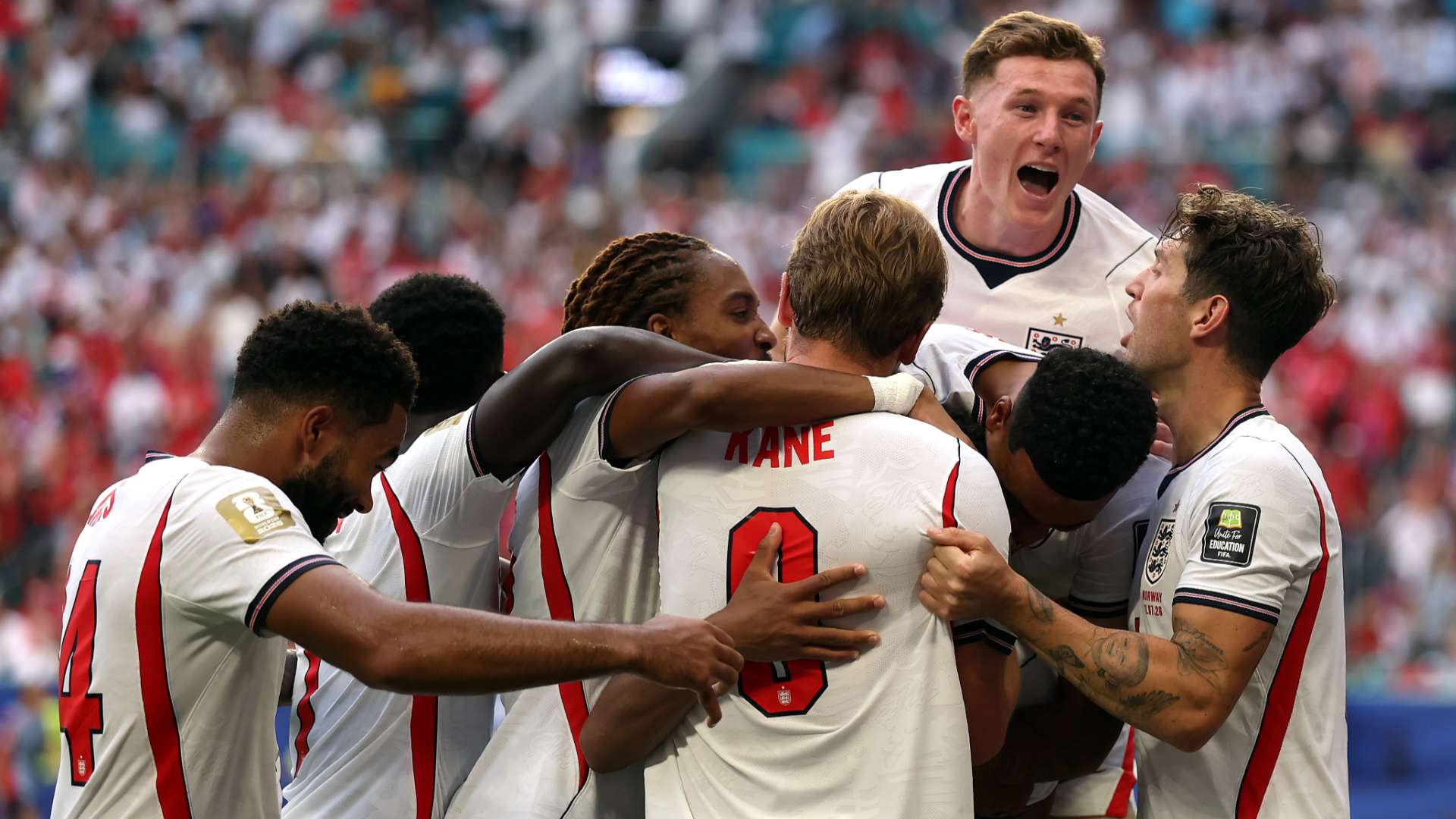
While Jude Bellingham and Harry Kane have dominated England's narrative at the 2026 World Cup, former Three Lions defender Gary Pallister has identified Elliot Anderson as the tournament's most overlooked performer. The Manchester City midfielder has provided the defensive foundation that allows England's attacking talents to flourish, earning praise for his tireless work rate across six matches in demanding conditions.
Anderson's role epitomises modern football's unglamorous necessity. While Kane and Bellingham have each netted six goals to propel England toward the semi-finals, the 22-year-old midfielder operates in the shadows, reclaiming possession and transitioning play with surgical precision. Pallister highlighted Anderson's resilience in particular, noting his performance in challenging environments: "He's a player that's not afraid of graft. His winning of the ball back has been terrific, especially playing in humidity and heat at altitude."
Tactical Balance Under Tuchel
Thomas Tuchel's England setup requires midfield discipline for its attacking system to function. Declan Rice operates alongside Bellingham, but Anderson's industry prevents the spine from becoming exposed defensively. However, punditry consensus suggests refinement remains necessary. Gary Linker cautioned that Anderson occasionally commits too early, potentially creating gaps in front of the back four—vulnerabilities that tougher opponents like France or Spain could exploit more ruthlessly than Norway.
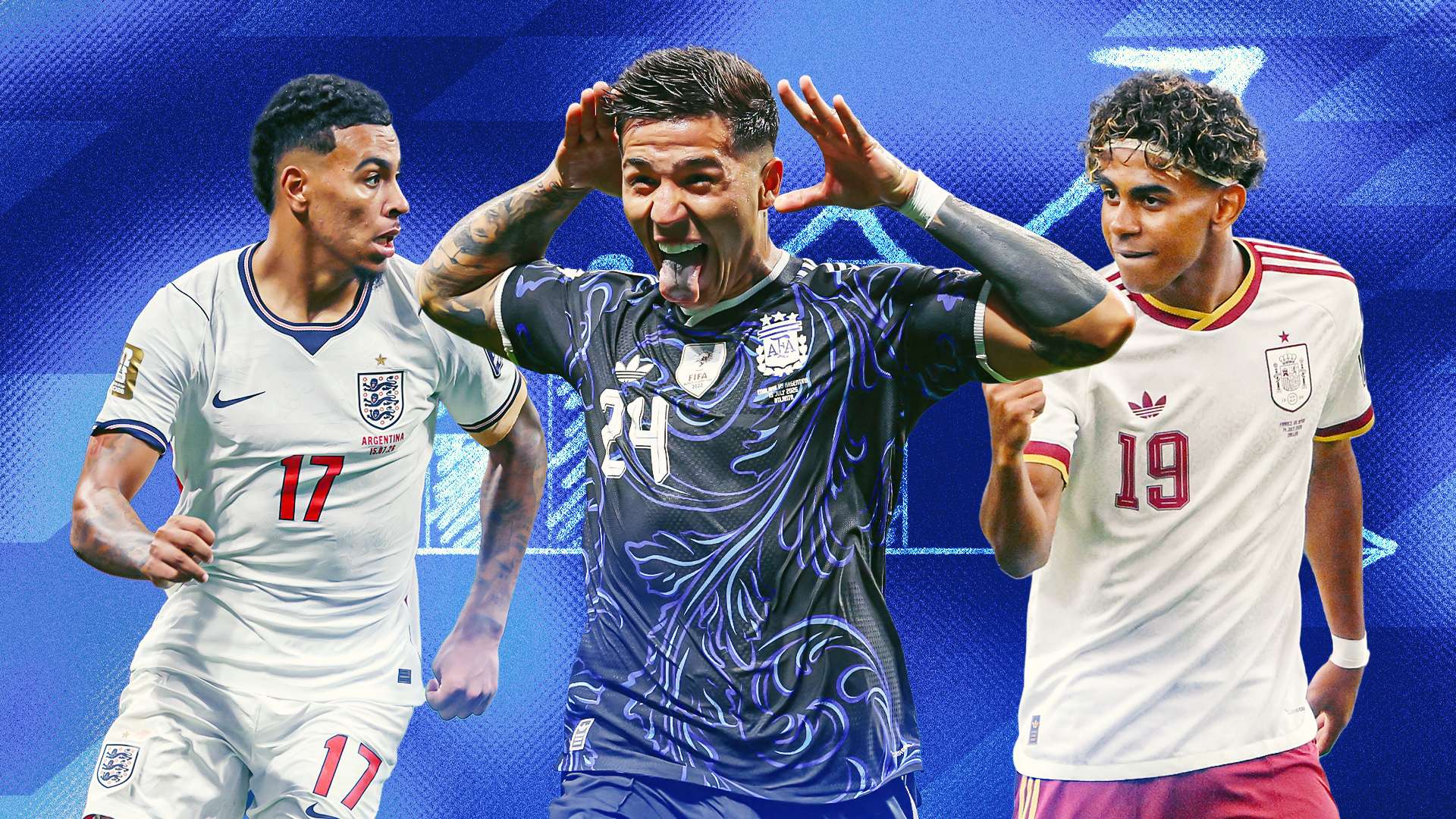
Micah Richards added nuance to the debate, arguing Anderson possesses eight characteristics rather than six qualities, suggesting he could operate higher up the pitch. "He's technically too good, his passing range is exceptional," Richards noted. "But he needs discipline. Against elite sides, lapses in positioning become fatal." The tension lies in balancing Anderson's attacking instincts with defensive responsibility—a challenge that will prove decisive when England faces Argentina in the semi-finals.
England's pathway to glory rests on Kane and Bellingham's brilliance, yet Anderson's unseen contributions—ball recovery, tempo control, positional solidity—remain equally vital. Whether his development continues uninterrupted depends on tactical adjustments and his willingness to accept a supporting role despite possessing the technical gifts for prominence.