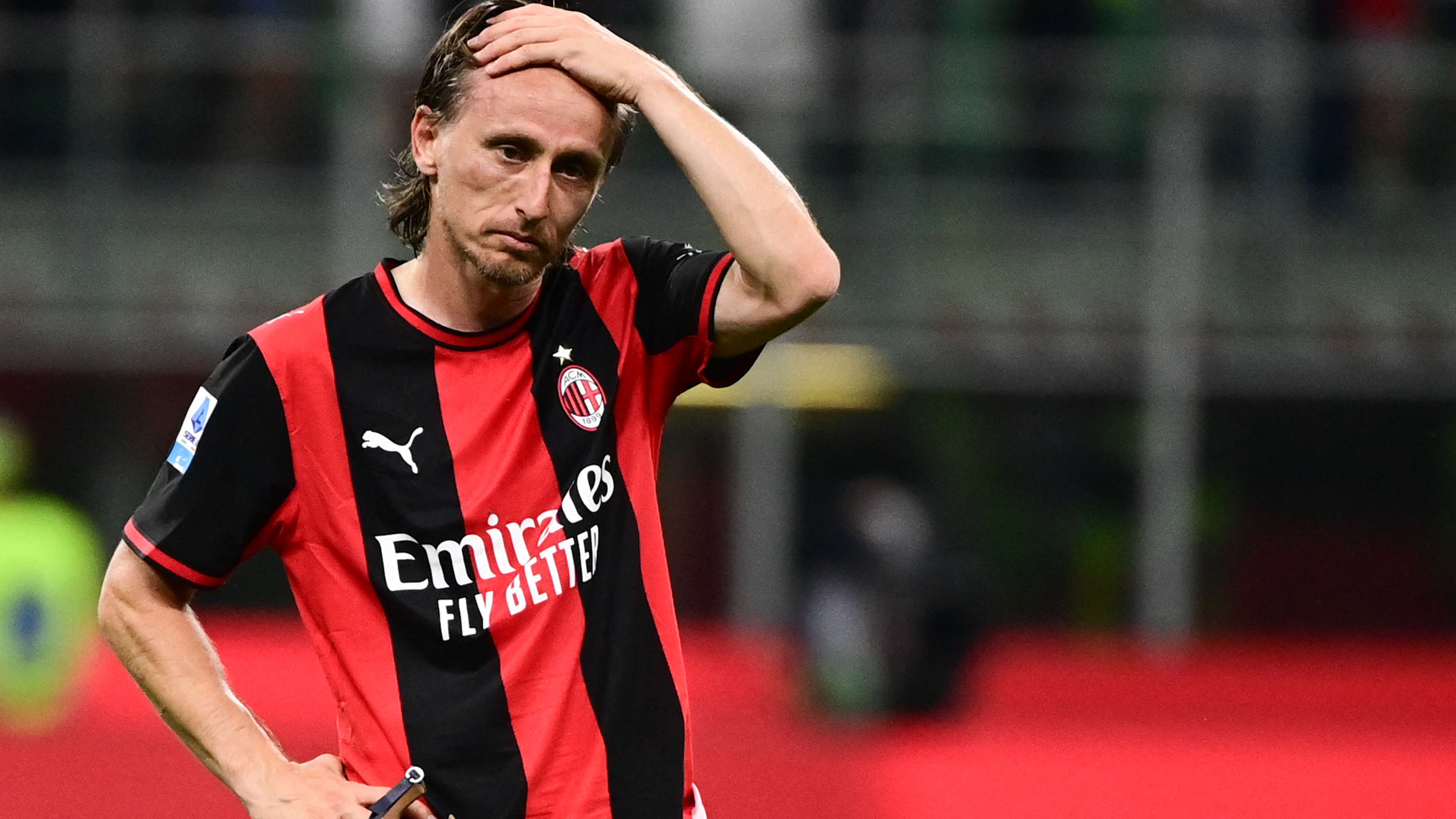
AC Milan's European dream collapsed in devastating fashion on Serie A's final day, as defensive lapses from set pieces cost them Champions League qualification. The Rossoneri conceded twice from dead-ball situations in a 1-2 home defeat to Cagliari, a defensive catastrophe that could strip the club of approximately €60 million in guaranteed Champions League revenue. Meanwhile, AS Roma secured fourth place and European football by handling their fixture with greater composure, highlighting how marginal moments separated the continent's elite from the watching brief.
Set Pieces Prove the Difference in Italy's Tightest Race
Serie A's final weekend delivered the chaos the league has promised all season. From the Scudetto battle through to Champions League qualification and survival scraps, meaningful drama persisted until the last whistle. At the bottom, Cremonese faced an impossible task—needing victory over Como while both Lecce and Genoa failed to win at home. That combination never materialised, and the struggling side was relegated.
The real theatre, however, unfolded in the European race. Roma needed to secure three points, while Milan carried the weight of expectation into their fixture. Juventus and Como both harboured slim mathematical hopes, but the outcome hinged on Milan's shoulders. Instead of delivering, the Lombard giants imploded. Conceding once from a set play when Champions League qualification hangs in the balance damages a team's prospects; conceding twice from dead-ball situations at the San Siro against a Cagliari side ranked among the Serie A's lower-placed teams in open play is unforgivable.
Why Dead-Ball Mastery Separates Champions from Contenders
Modern football increasingly rewards specialists. Set pieces now account for a significant proportion of goals across Europe's top five leagues, making defensive organisation during corners and free kicks a non-negotiable skill. Cagliari's surprising proficiency from set plays this season—despite their modest league position—underlined how even teams fighting relegation can weaponise this phase of play. Milan's failure to neutralise that threat proved costly beyond measure.
Roma's clinical finishing of their assignment stands in sharp contrast. The Giallorossi navigated their fixture without the defensive frailties that plagued their rivals, securing Champions League football and the commercial and sporting prestige it commands. Serie A's unpredictability once again provided theatre worthy of the world's attention, but Roma's steadiness and Milan's brittleness ultimately decided who would compete Europe's premier club tournament and who would face the secondary stage.