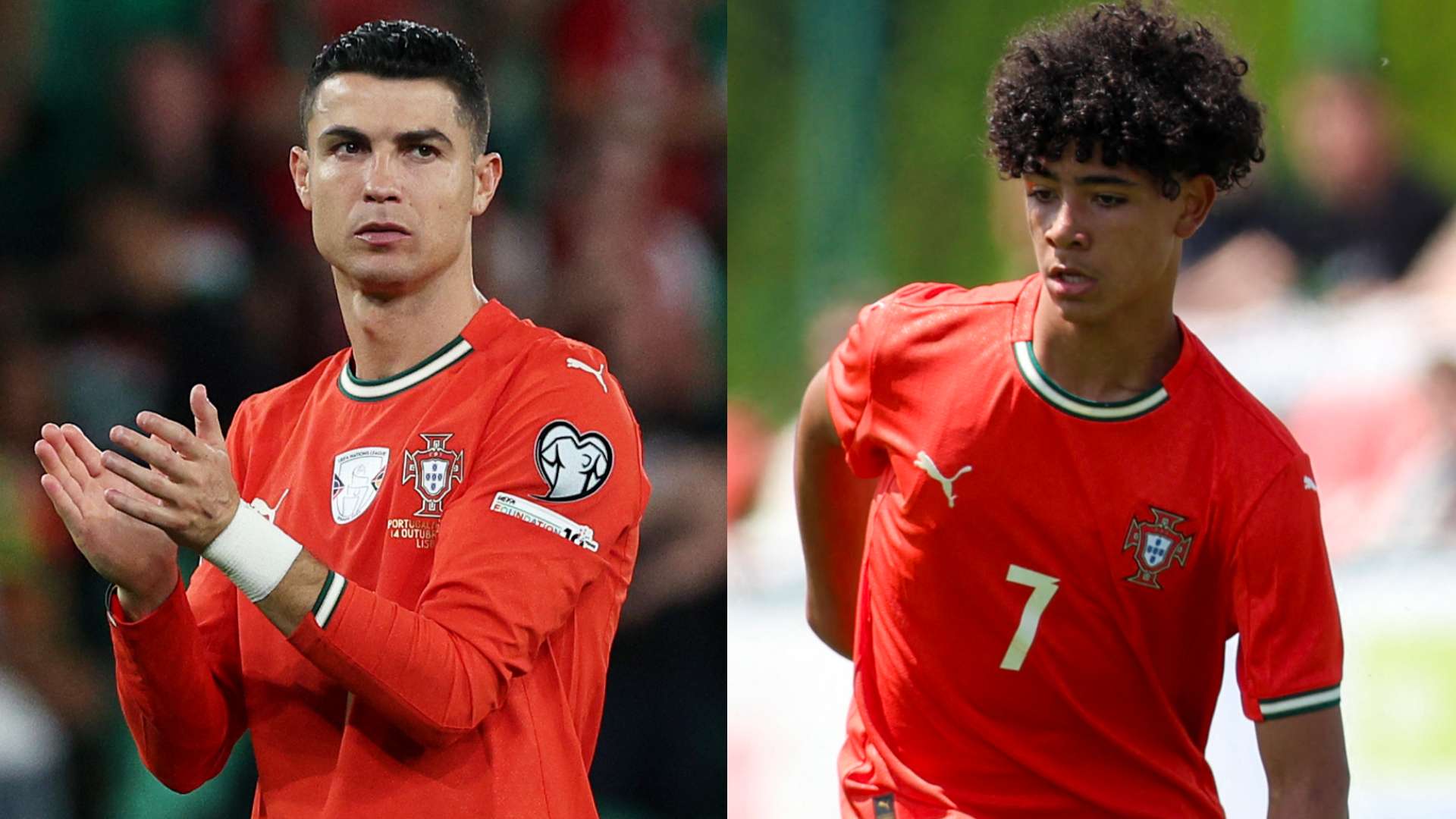
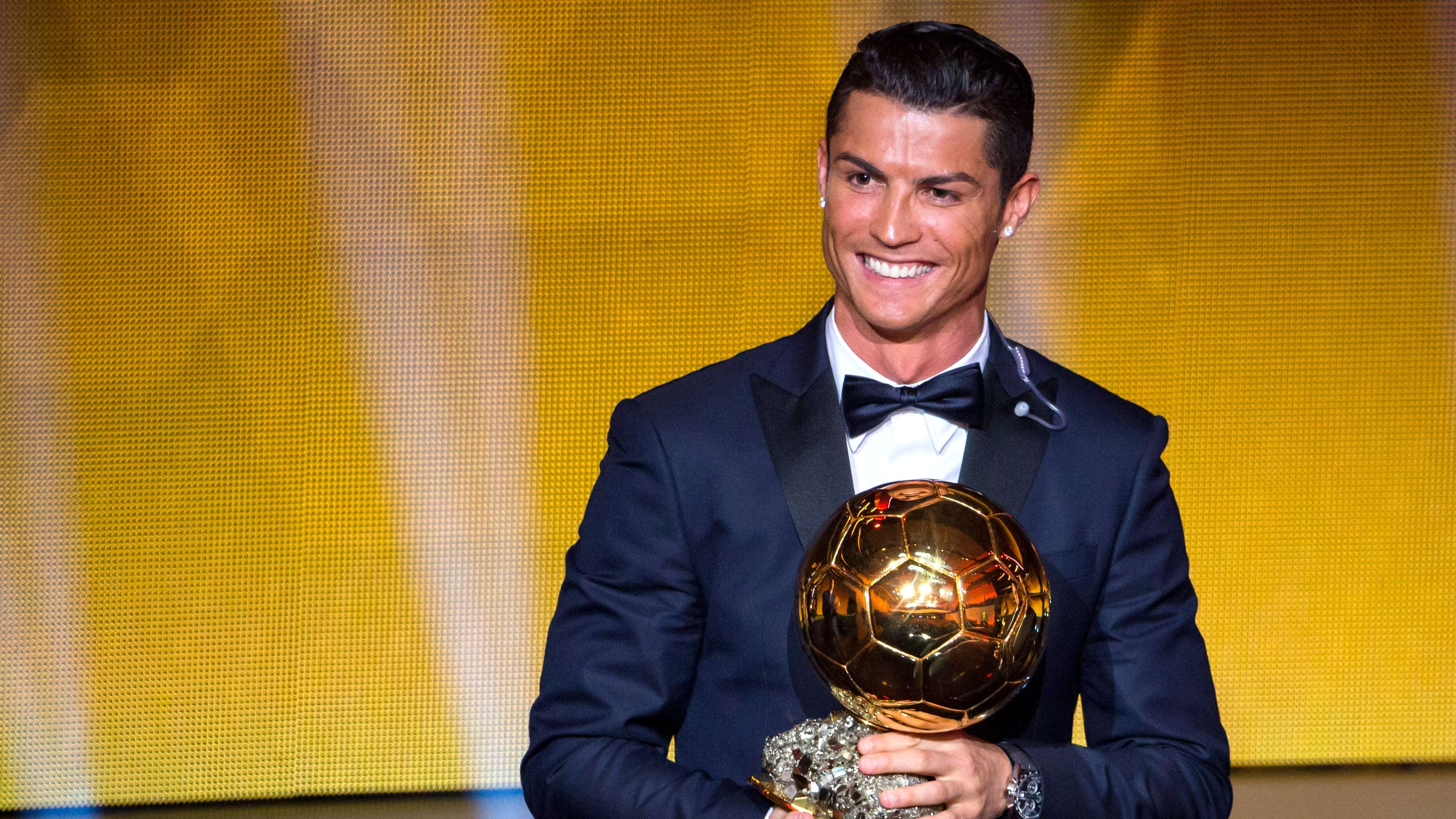
Cristiano Ronaldo won his third Ballon d'Or in 2014 at Real Madrid, cementing himself among football's all-time greats. Yet while most elite athletes would celebrate through the night, the Portuguese forward took a strikingly different approach—one that reveals the obsessive mindset behind his longevity and success.
In a recent interview on Triplettapodcast by Gazzetta dello Sport, Davide Ancelotti, assistant coach and son of Carlo Ancelotti, shared a telling anecdote about how Ronaldo marked his greatest individual honour. "When he won the Ballon d'Or in 2014, Cristiano toasted with a glass of champagne to celebrate. In the first training session, he asked to do an extra session to burn off the calories," Davide revealed. This single-minded focus on physical conditioning—even after winning the world's most prestigious individual award—underscores why the now-Al-Nassr star remains competitive into his 40s.
A Culture of Relentless Perfectionism
Ronaldo's mindset was not isolated at the Bernabéu. Davide explained that this obsessive competitiveness infected the entire Real Madrid squad, creating a culture where players competed fiercely in every activity, not just matches. He recalled two unnamed players engaging in a badminton match at four in the morning on the journey back from an away fixture, simply because of a wager. The competitive intensity grew so extreme that the club eventually dismantled its football-tennis court to prevent games from becoming too heated.
Beyond Ronaldo, other La Liga legends embodied this perfectionism in unconventional ways. Luka Modrić, the Croatian midfielder, famously wore specific socks beneath his official kit—a ritual so ingrained that when the kit manager forgot them during a match at Rayo Vallecano, Modrić's visible frustration revealed just how important these details were to his preparation. "They were perfectionist players," Davide noted, highlighting how elite performers obsess over factors that most would dismiss as trivial.
These glimpses into Real Madrid's internal culture during their dominant period explain the club's success. While tactical systems and individual talent matter, the psychological environment—one that rewards marginal gains and penalises complacency—separates champions from contenders. Ronaldo's champagne-and-extra-training approach exemplified this mentality, and it remains instructive for any athlete seeking sustained excellence.