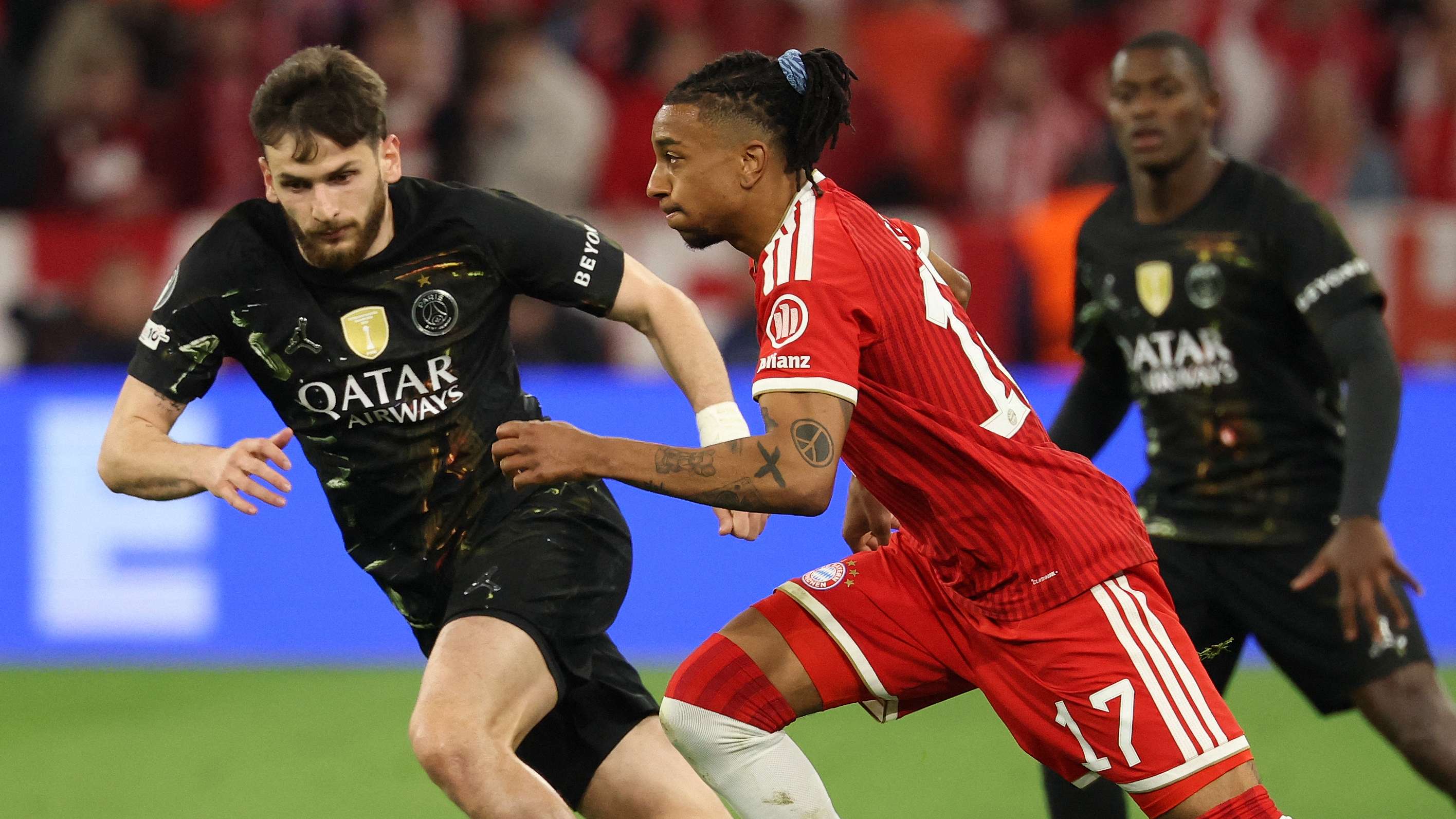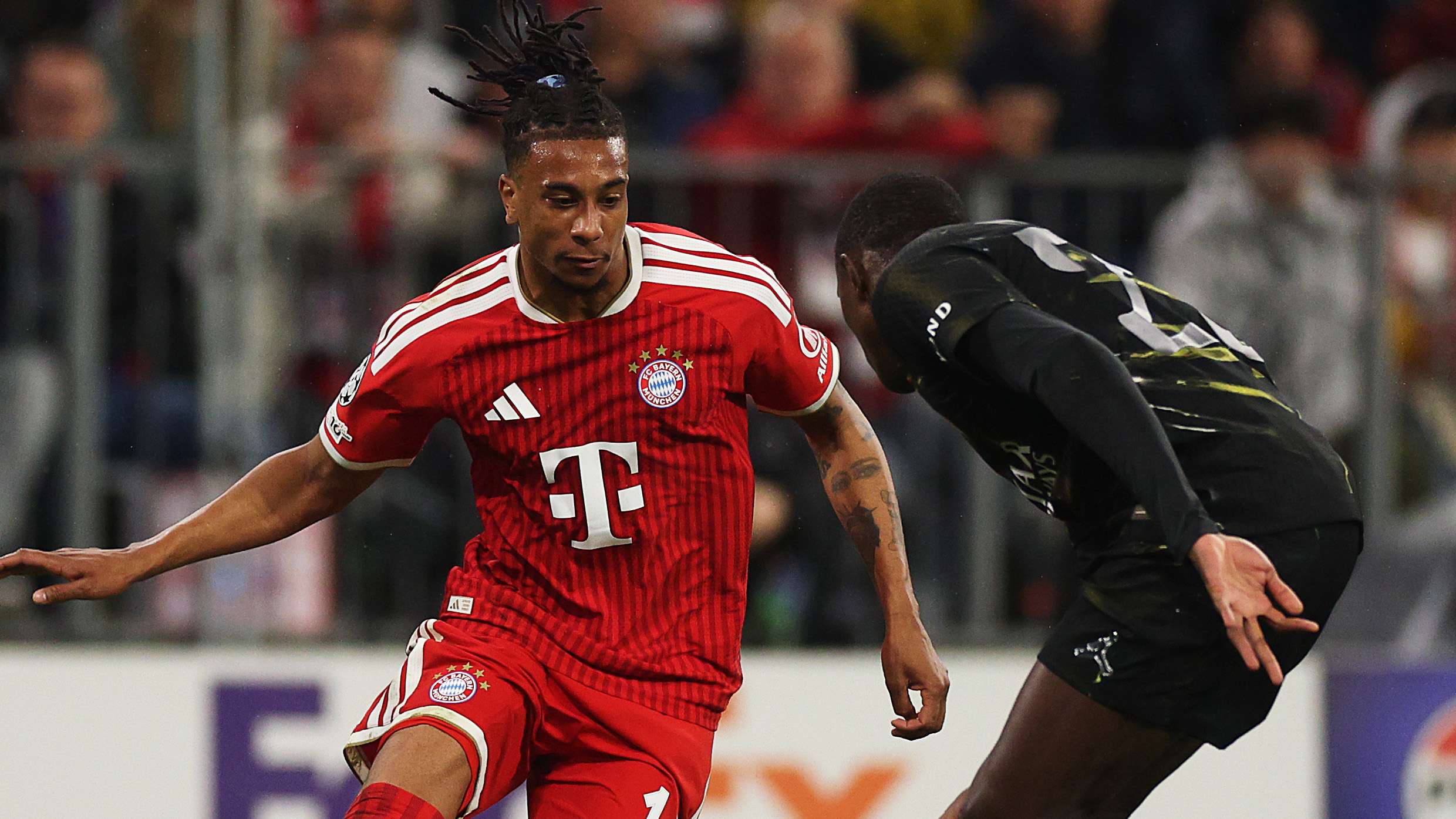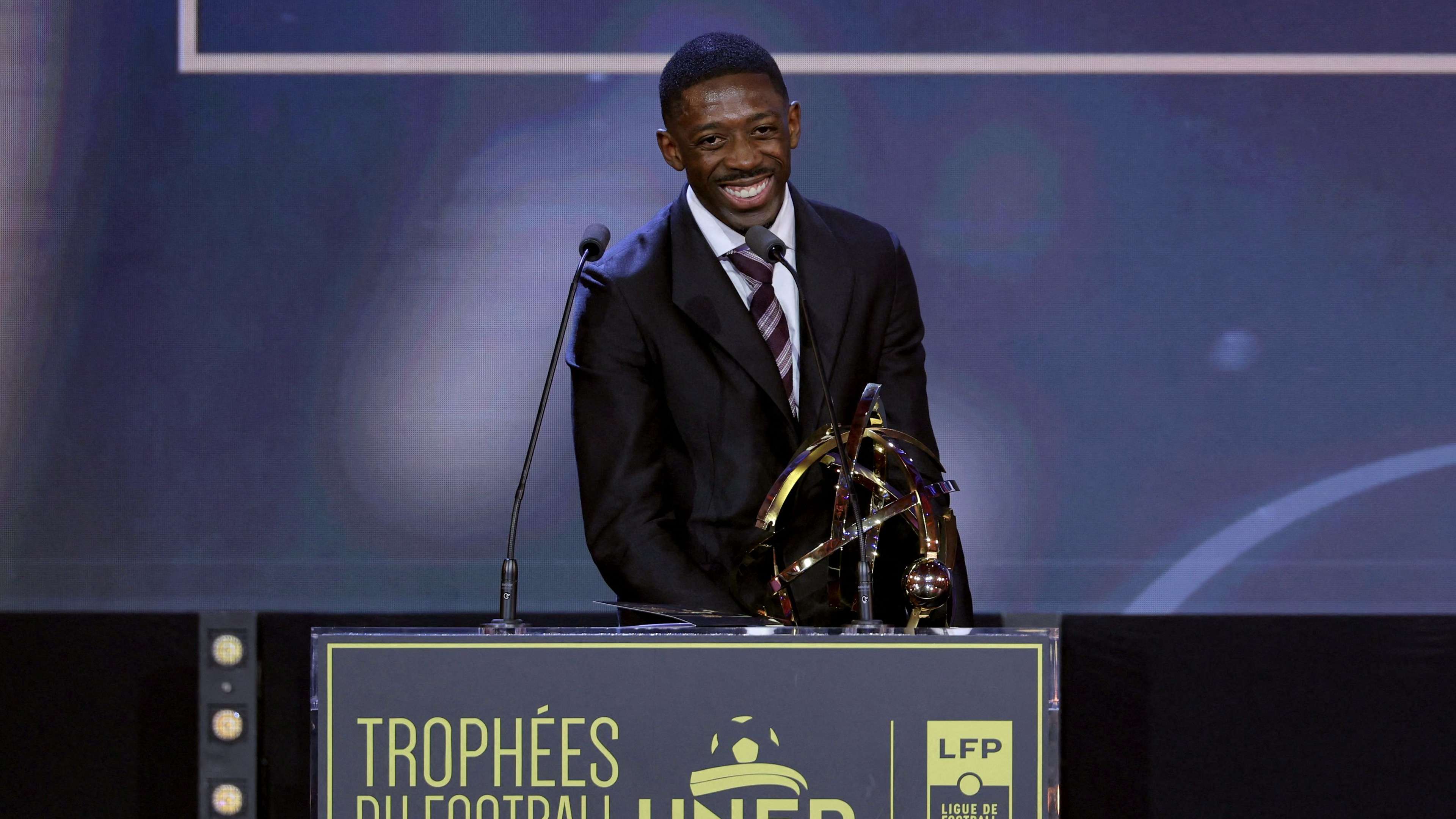
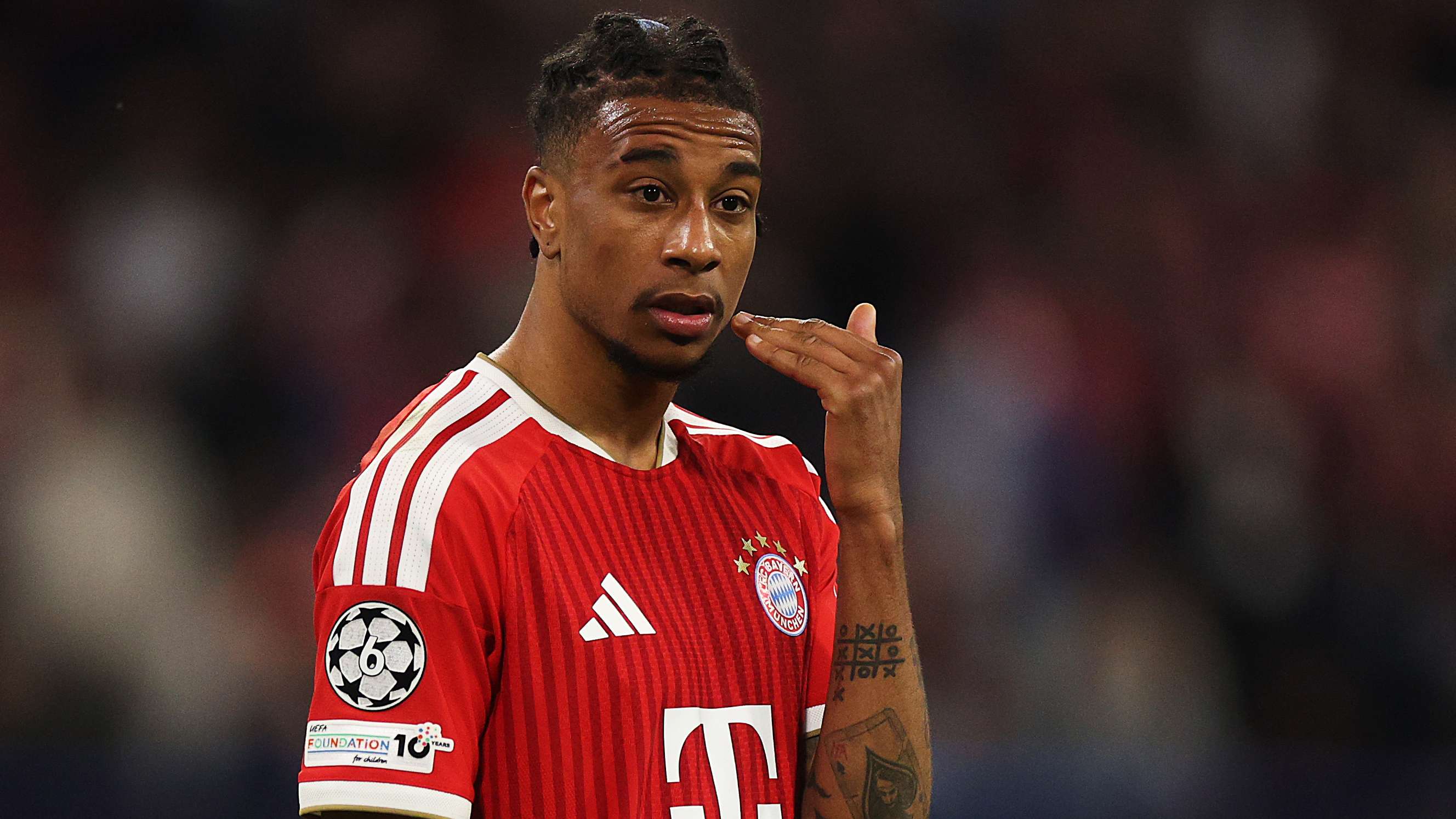
Michael Olise arrived at the Champions League semi-final second leg between Bayern Munich and PSG in exceptional form, yet the French side's defensive masterclass rendered the German winger almost invisible. After Ousmane Dembélé fired PSG ahead in the third minute, Luis Enrique's side executed a blueprint for containing one of Europe's most dangerous attacking talents, with an unlikely hero emerging from an unconventional approach.
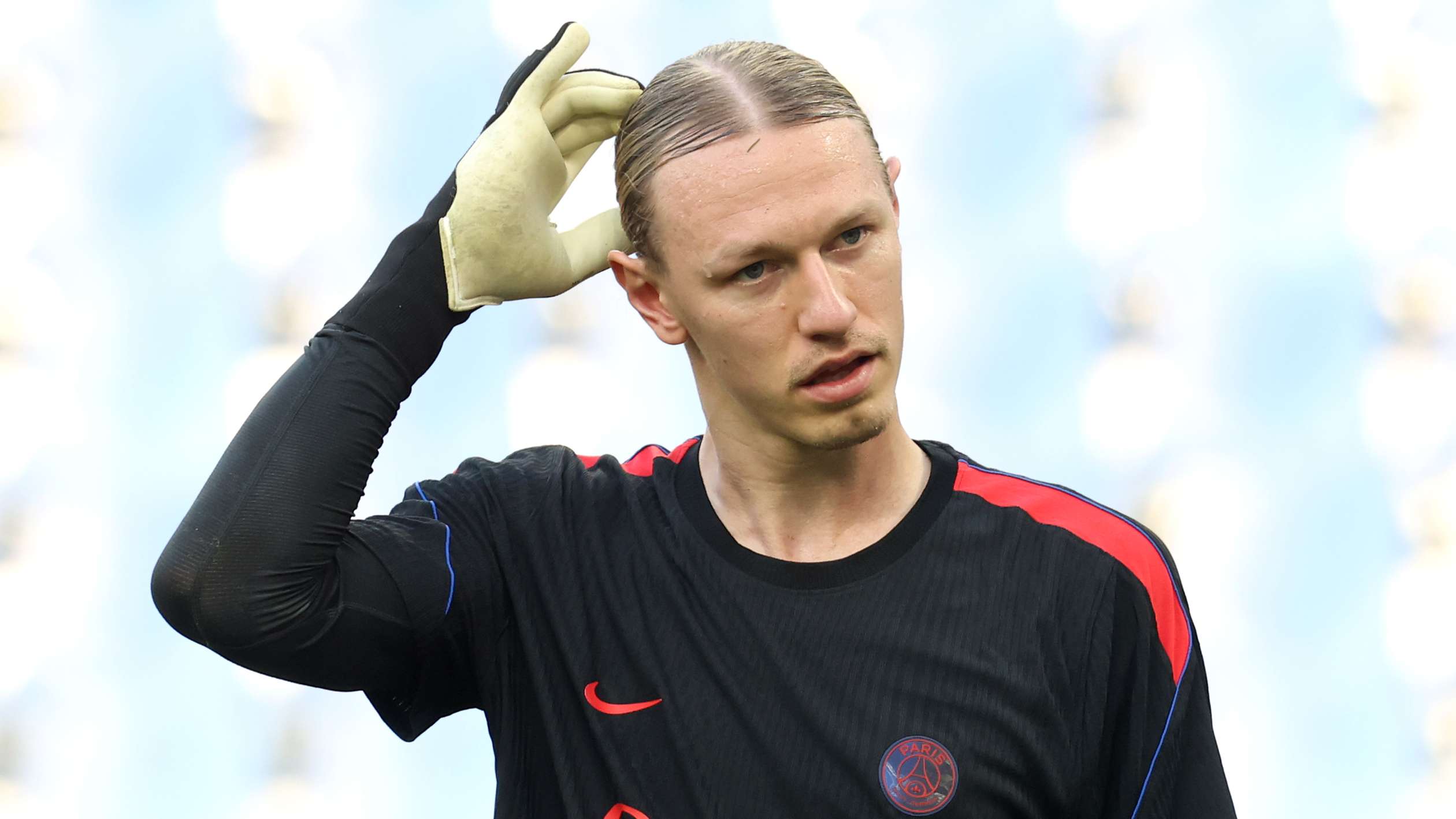
The tactical narrative of this encounter hinged on PSG's willingness to sacrifice possession in pursuit of suffocating Bayern's right flank. Rather than engaging in traditional back-and-forth football, Enrique orchestrated a defensive siege that prioritised crowd control over fluid passing. Matvey Safonov, the PSG goalkeeper, became instrumental in this strategy, repeatedly launching clearances to the left side of the pitch. This seemingly counterintuitive distribution ensured that Bayern's attacking threats—particularly Olise—faced immediate congestion whenever they received possession.
A Numbers Game That Tells the Story
The statistical gulf between the two goalkeepers illustrated the tactical imbalance. Safonov completed just 21 per cent of his passes—seven successful attempts from 33 tries—a figure that would typically signal defensive collapse. Yet this low success rate represented calculated strategy rather than poor execution. By contrast, Manuel Neuer achieved 70 per cent pass accuracy, commanding possession but finding limited outlets in PSG's organised structure. Olise's performance metrics painted a picture of systematic suppression: two chances created, only two shots attempted, eight touches in the penalty area, and five final-third passes all fell well short of his seasonal averages.
PSG's containment began with aggressive positioning. Left-back Nuno Mendes, Olise's primary marker, received an early yellow card for his combative approach and should have faced dismissal for handball later in the match. Rather than deterring PSG, this intensity signalled their commitment to the game plan. Whenever Olise drifted into dangerous areas, PSG immediately doubled their coverage, forcing hurried decisions and eliminating the space where the 24-year-old thrives—the byline for crosses or cutting inside to unleash his lethal left foot.
Defensive Structure Over Attacking Fluency
Holding a two-goal aggregate advantage, Enrique constructed his approach around suffocation rather than expansion. PSG's forward forays came exclusively through rapid counter-attacks, denying Bayern sustained attacking rhythm. This defensive framework proved devastatingly effective: Olise rarely threatened to beat his marker in open play across the full 90 minutes. The psychological toll of constant double-marking, combined with Bayern's inability to create attacking width, effectively neutralised one of the Bundesliga's most prolific creators this season. As PSG progresses deeper into the Champions League, this tactical blueprint—orchestrated by goalkeeper distribution and collective pressing—offers a template for neutralising elite attacking talent through structure and collective discipline.