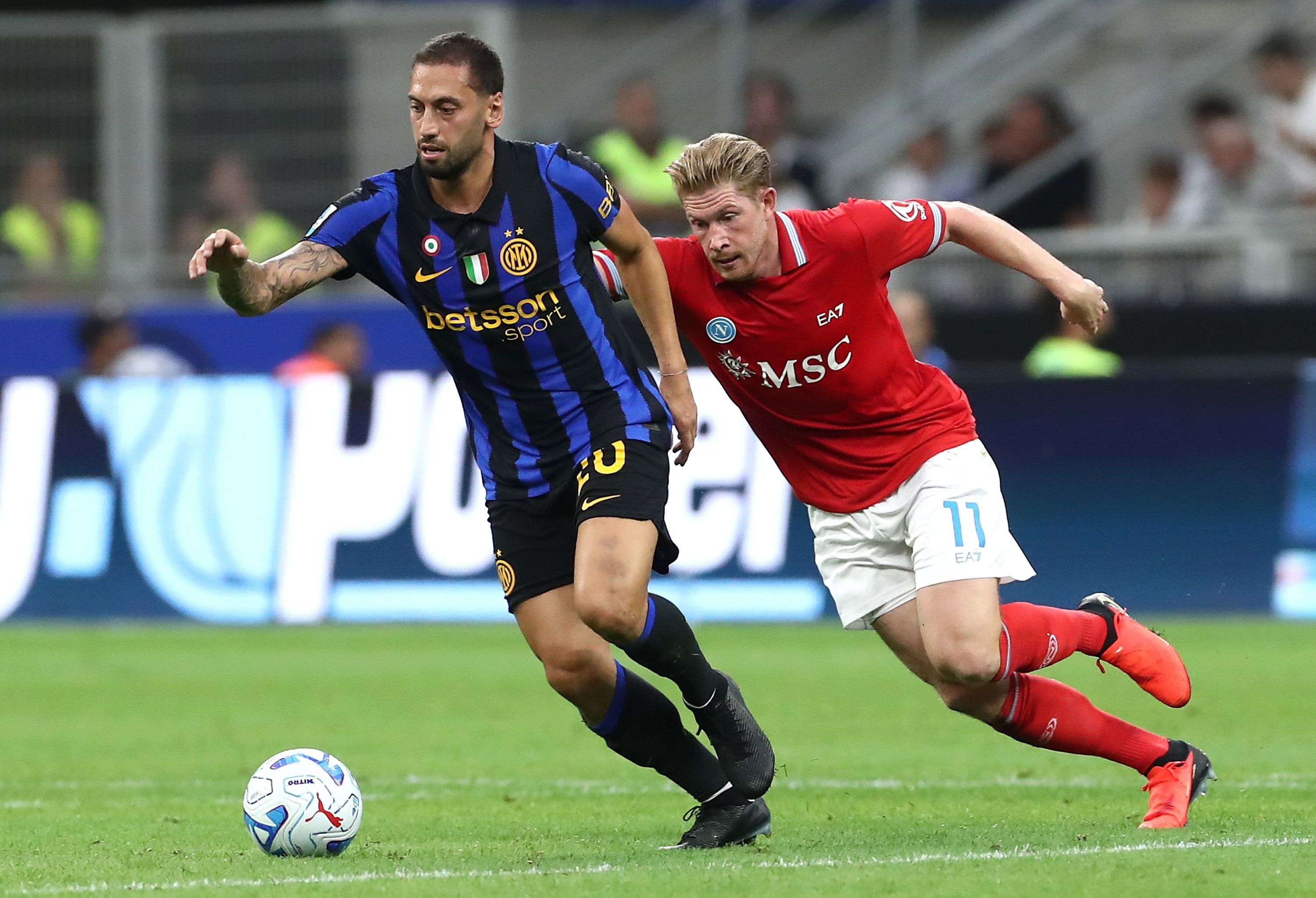

Inter Milan faced Real Madrid at the Santiago Bernabéu with a completely blank jersey, while Roma will do the same against Fenerbahce in Istanbul. The unusual sight of two Italian clubs stripped of their commercial sponsorship was not a protest or marketing stunt, but rather a direct consequence of strict European gambling advertising laws.
The Real Decreto 958/2020 in Spain and similar legislation in Turkey prohibit betting and gambling operators from appearing on football kits, stadium names, and training facilities. Inter's primary shirt sponsor, Betsson.sport, falls under these regulations as a betting-linked brand. Rather than pay the substantial fine outlined in the royal decree—as Betsson did during a previous Europa League clash at Atlético Madrid—Inter opted to remove the sponsor entirely for their Champions League opener.
Different Approaches, Same Challenge
Roma took a different commercial strategy. Instead of leaving their jersey completely blank, the club replaced their usual Eurobet.live sponsor with a charitable initiative for the Fenerbahce match. This approach sacrifices immediate sponsorship revenue but generates positive brand association and creates limited-edition collector's shirts that could yield substantial resale value through fan demand.
The sponsorship removal issue extends beyond these two fixtures. Inter will also face Feyenoord on November 3rd under the same restrictions, as Dutch law mirrors Spain's gambling advertising ban. Should either club progress deeper in the Champions League, they may encounter additional opponents from Belgium, Turkey, and Spain, forcing repeated decisions about commercial visibility versus regulatory compliance.
This regulatory landscape reveals the complex intersection between European competition rules and national gambling laws. Clubs competing across multiple jurisdictions must navigate these restrictions strategically, balancing financial consequences against brand reputation. As European football becomes increasingly globalized, such advertising conflicts will likely become more common.