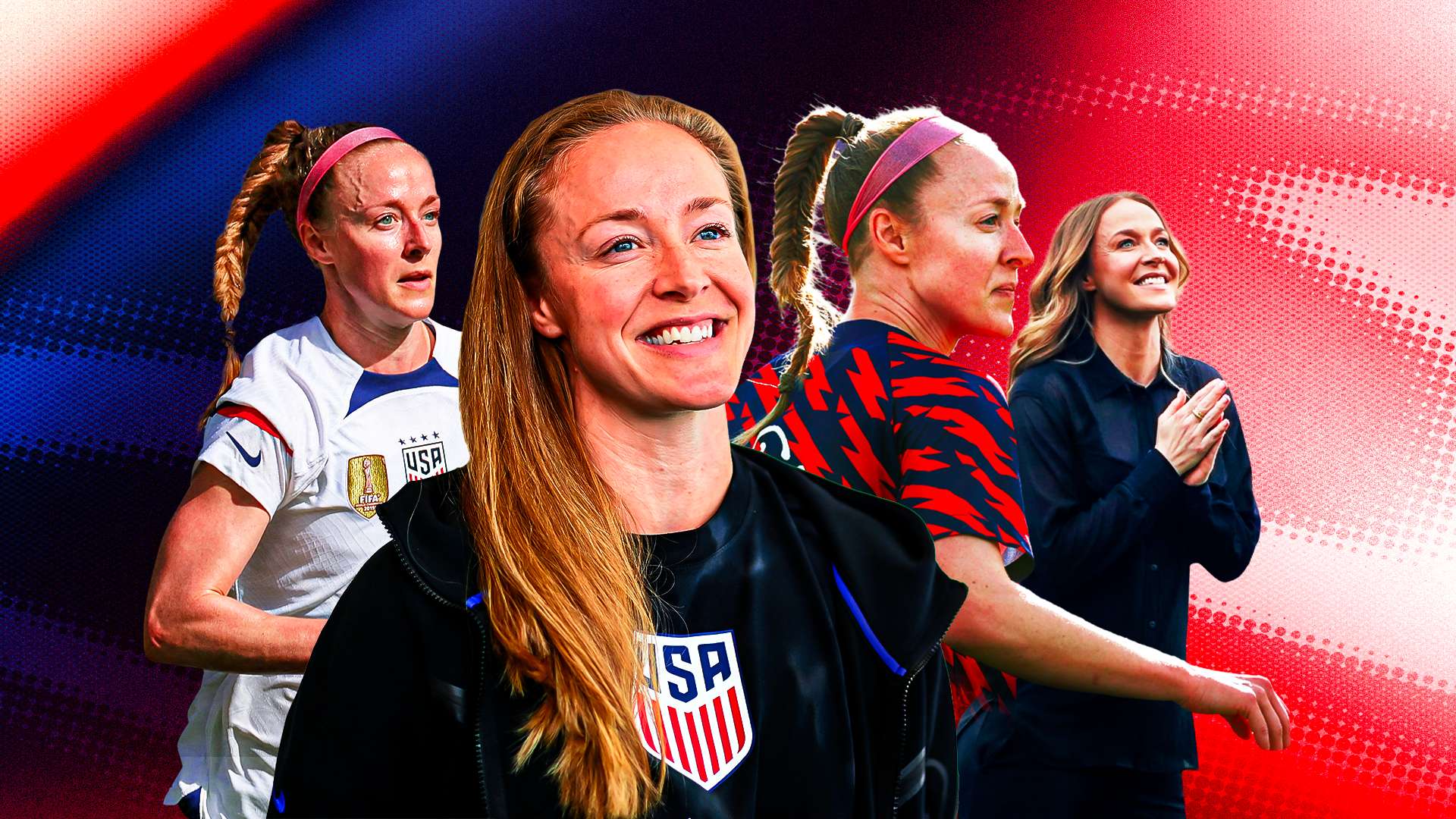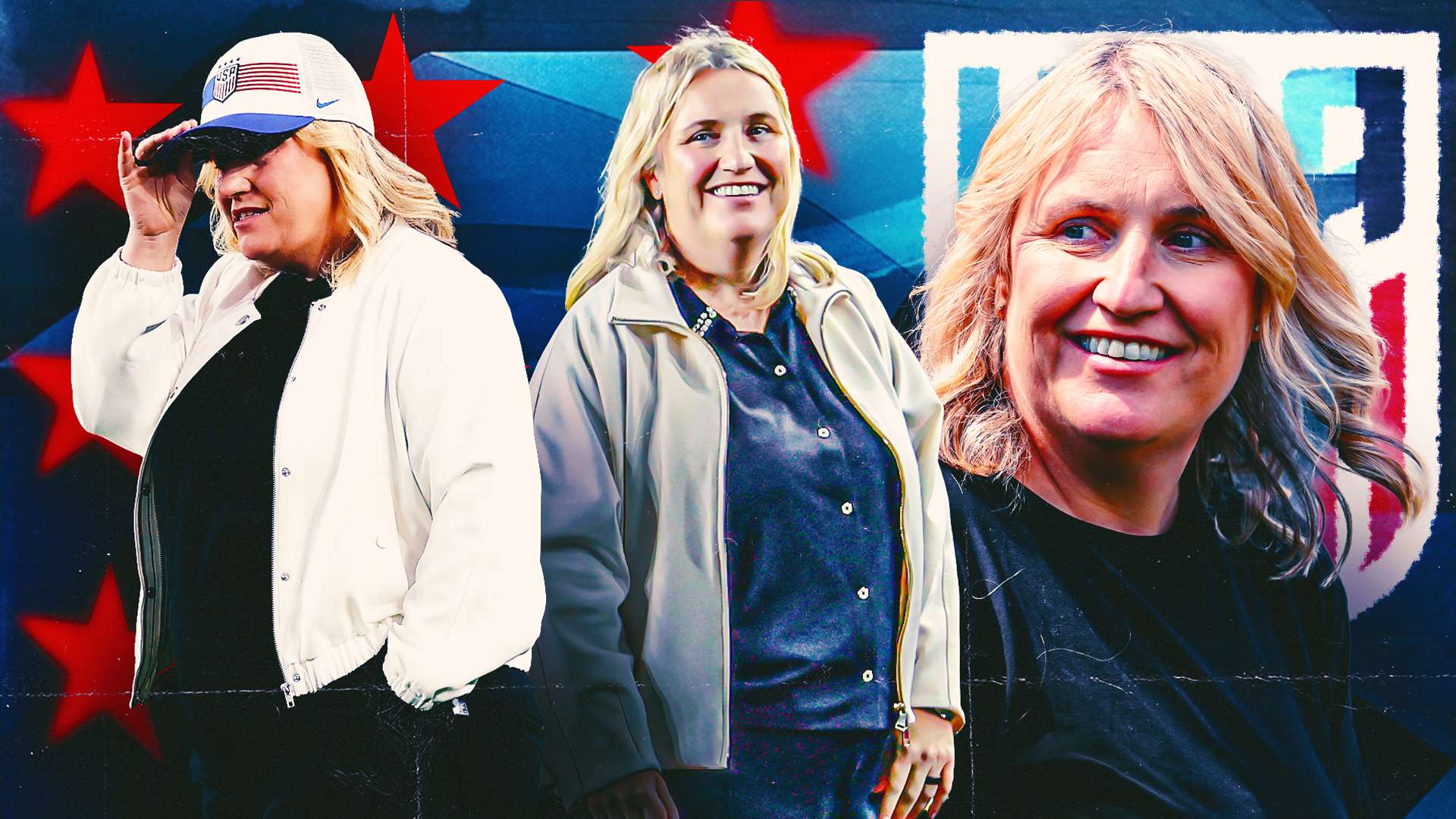

Emma Hayes has transformed how the U.S. Women's National Team supports mothers returning to professional soccer. The USWNT head coach, who led the Americans to Olympic gold at Paris 2024, brings a deeply personal perspective shaped by her own experience as a mother to her son, Harry. Under her leadership, the program has shifted from treating motherhood as an obstacle to recognizing it as compatible with elite athletic performance.
Over three decades, 18 mothers have represented the USWNT, beginning with Joy Fawcett in 1994 through Sophia Wilson in 2025. Yet each journey has differed dramatically. The fundamental change is not whether players can return—it is how comprehensively they are supported. "You can be two things all at once," Hayes emphasized when discussing the balance between motherhood and professional soccer. "It's about getting it right for the individual."
Structural Support and Collective Bargaining Gains
The USWNT and NWSL now offer clear return-to-play protocols backed by scientific expertise and mental health support. Recent collective bargaining agreements include paid maternity leave, contract security, and comprehensive medical benefits—protections that earlier legends like Christie Pearce Rampone, Carla Overbeck, and Fawcett never enjoyed. Players such as Alex Morgan and Crystal Dunn navigated motherhood with far fewer institutional safeguards. Today, forwards like Lynn Biyendolo (who gave birth in April) and Mallory Swanson step into parenthood with unified support from club and country.
Hayes credits her shift toward female-centric program design as foundational. For decades, professional soccer systems were built around male bodies, male schedules, and male experiences. "Every part of the program must be viewed through a female lens," Hayes stated. This approach extends beyond maternity policy—it shapes training intensity, recovery protocols, and performance expectations tailored to female physiology and life circumstances.
The Value Mothers Bring to Teams
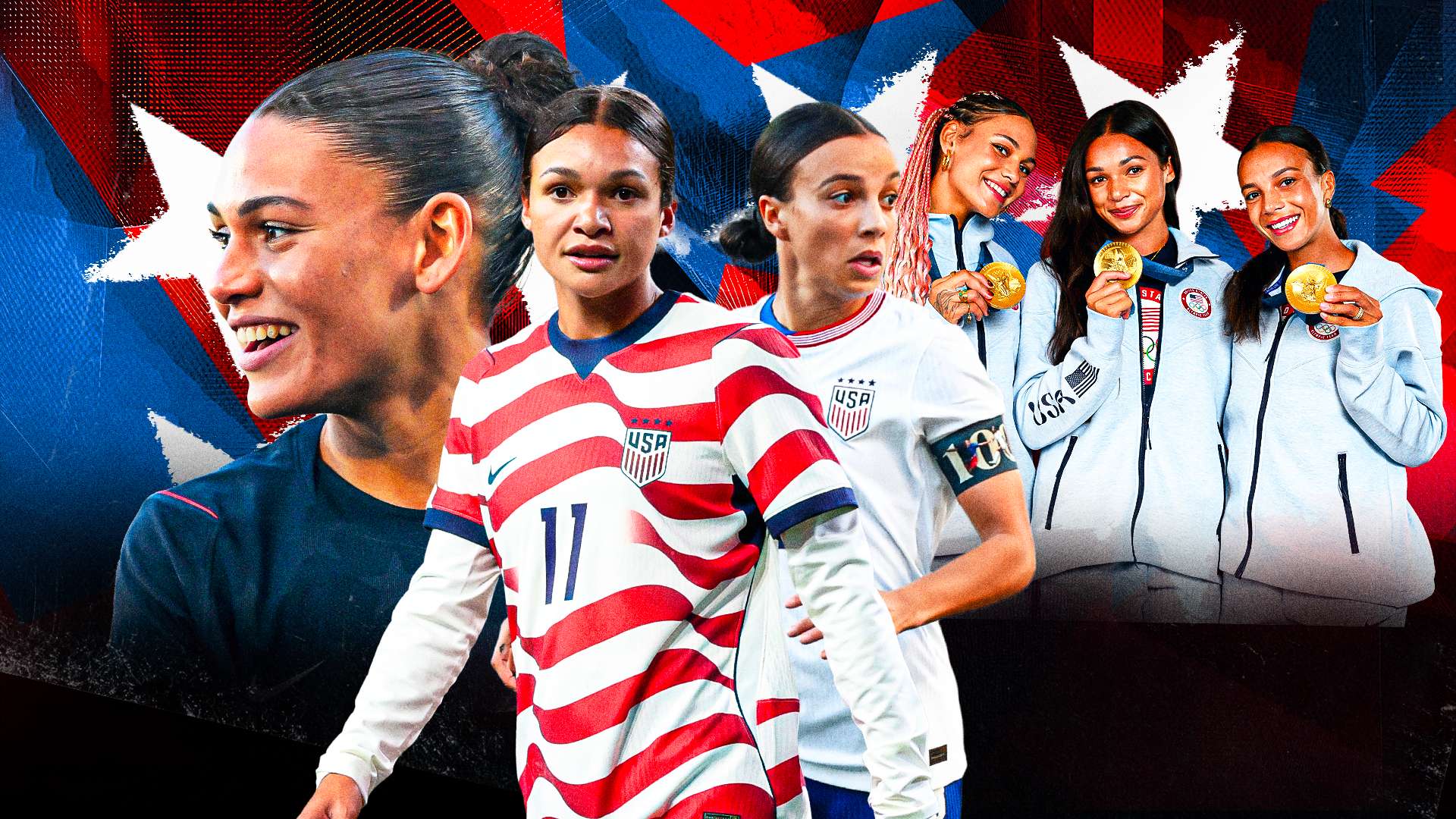
Hayes repeatedly emphasizes that mothers strengthen squads. "I coached a lot of mums in my career, so I know how much value it brings to a team," she noted. The 2024 Olympic gold medal included contributions from Wilson and Swanson, members of the attacking unit known as the "Triple Espresso." Both welcomed daughters in 2025, exemplifying how the program now accommodates motherhood without sacrificing competitive excellence.
The USWNT's approach positions American soccer as a global leader in supporting athlete mothers. Hayes has been explicit: "I think we definitely lead the way on that front. I think we probably lead the way in terms of the knowledge of returning players back to full participation safely, too." As more elite female athletes balance professional careers with parenthood, the USWNT model offers a blueprint—one that treats mothers not as exceptions requiring accommodation, but as essential contributors deserving comprehensive support.