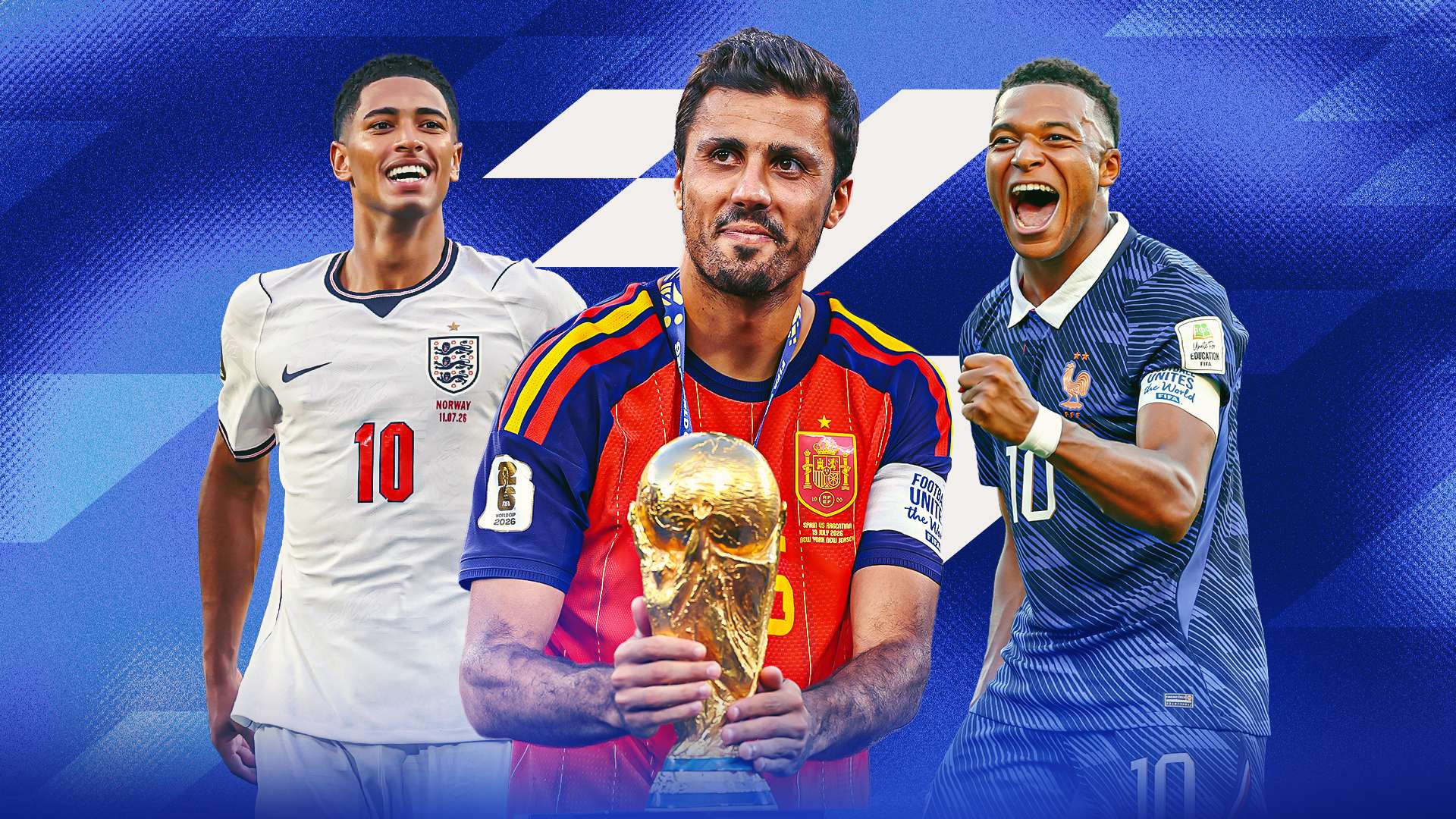
The 2026 World Cup did more than crown Spain champions for a second time. Over 39 days and 104 matches, it transformed the careers of seven relatively unknown players into genuine targets for Europe's biggest clubs. Scouts and sporting directors watched closely as these athletes seized their moment on football's grandest stage, dramatically reshaping their transfer value and future prospects in the process.
Rising Stars Who Captured European Attention
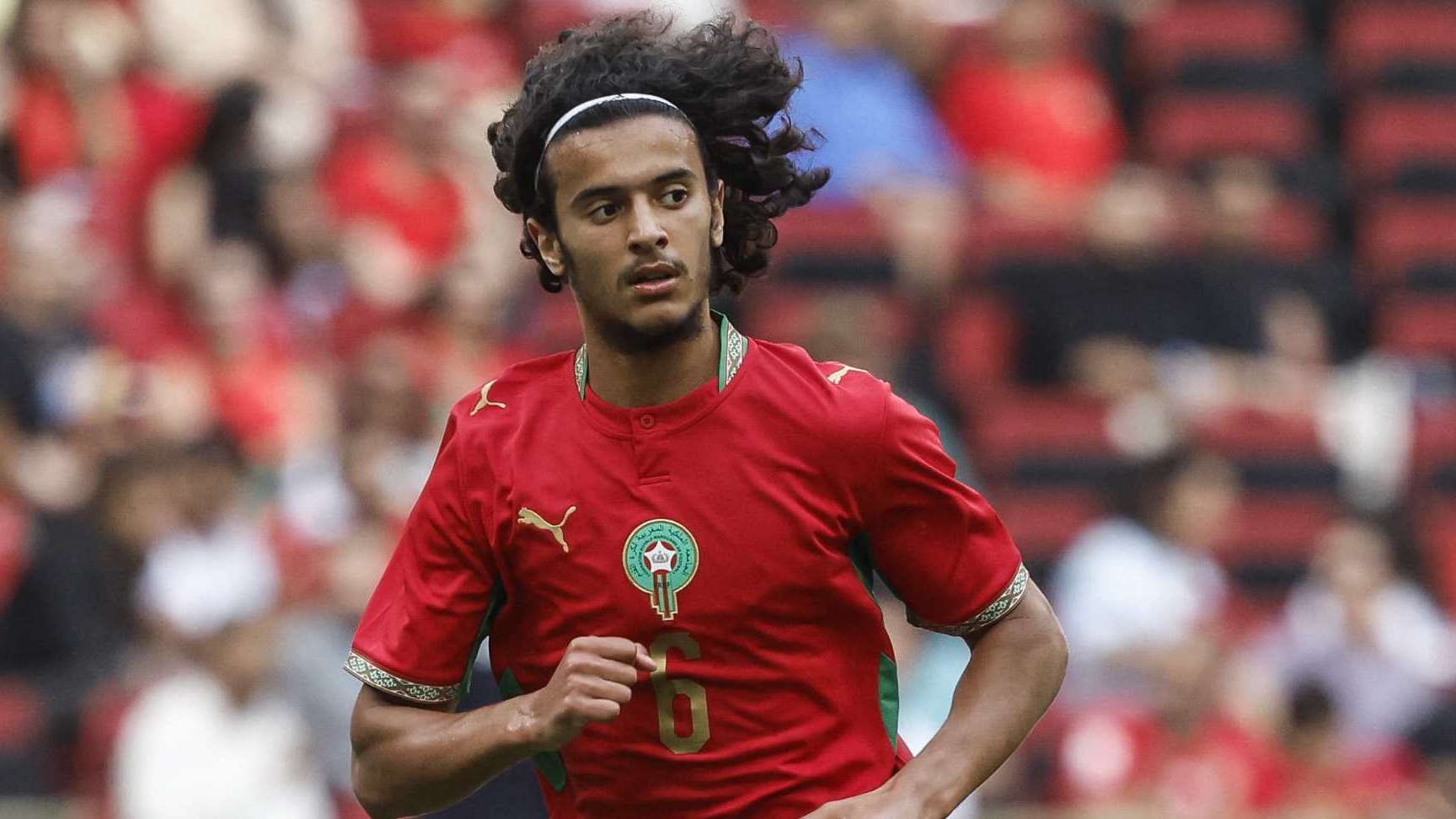
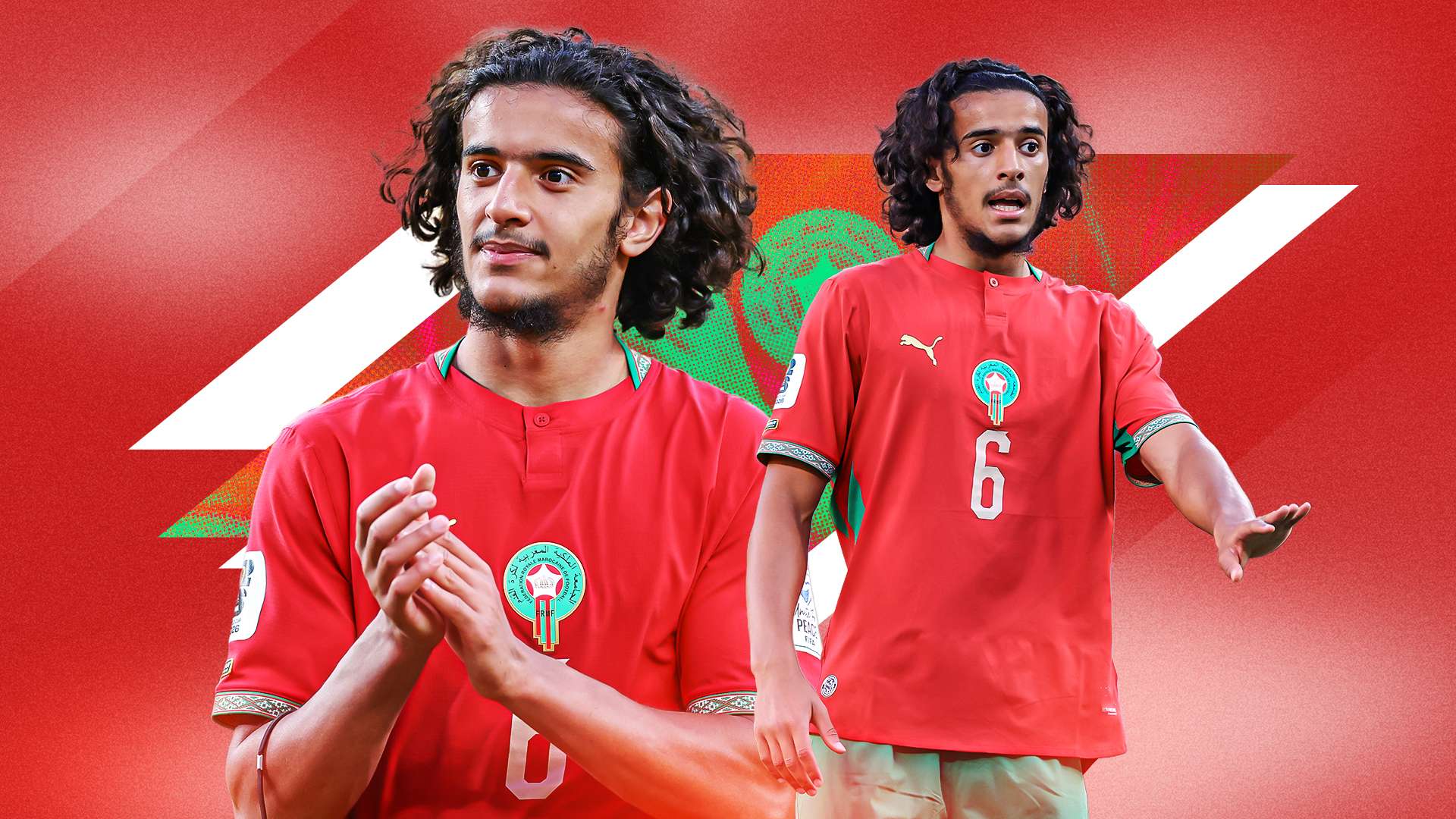
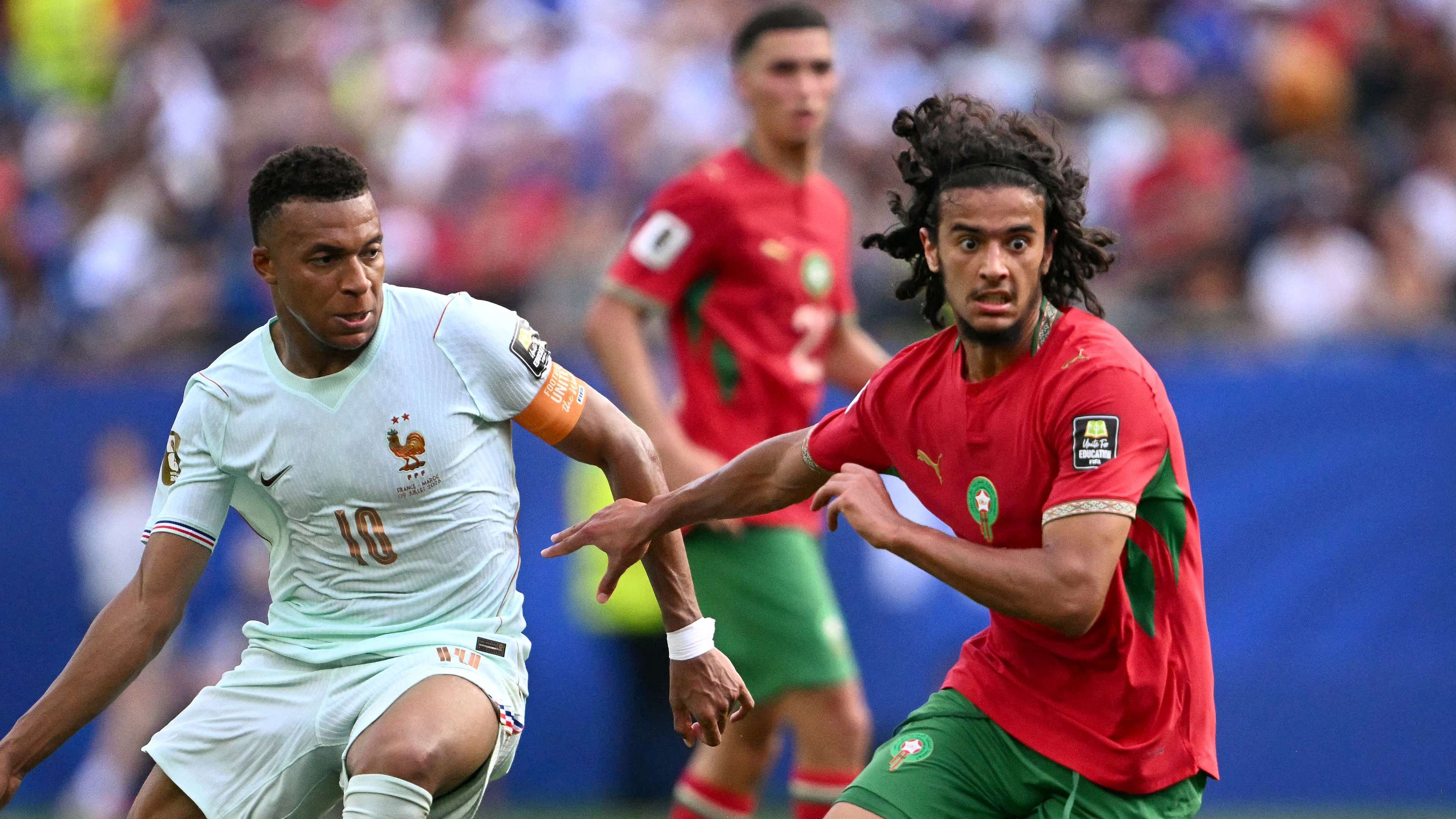
Ayoub Bouaddi arrived in Qatar as one of the least recognisable names in Morocco's midfield but departed as one of the tournament's brightest prospects. The young operator earned an immediate starting berth against Brazil and never relinquished it, orchestrating play from deep with remarkable composure. His passing accuracy combined with his ability to carry the ball forward under pressure marked him out as a complete modern midfielder. European giants, led by Manchester City, quickly circled, with valuations reportedly reaching around 100 million euros—a meteoric rise for a player few had heard of weeks earlier.
Gustavo Puerta emerged as Colombia's breakout midfielder, blending technical refinement with tireless physical work. He operated across multiple roles: building attacks with intelligent positioning between the lines, winning possession through relentless pressing, and carrying the ball forward to create chances. His versatility and engine impressed scouts seeking midfielders capable of handling modern football's demands. Orlando Gill, Paraguay's goalkeeper, delivered perhaps the tournament's most surprising narrative. Initially lacking significant international experience, Gill's tactical acumen and shot-stopping brilliance anchored Paraguay's organised defensive system. His masterclass performance during the penalty shootout elimination of Germany—one of the tournament favourites—instantly elevated him onto Europe's radar.
What the Tournament Revealed
These seven players shared a common thread: they arrived as squad depth or secondary options and left as proven performers capable of competing at Europe's highest level. The World Cup remains football's ultimate audition stage, where players face elite opposition repeatedly over a compressed timeframe. Those who perform attract immediate transfer interest, and the 2026 edition proved no exception. For clubs seeking emerging talent before prices reach astronomical levels, World Cup tournaments offer the clearest window into player development and readiness for the next challenge. With these discoveries now confirmed through global exposure, their next moves will define whether their tournament breakthrough translates into sustained European success.